




















Производитель арматуры Тел: +86 13380377051
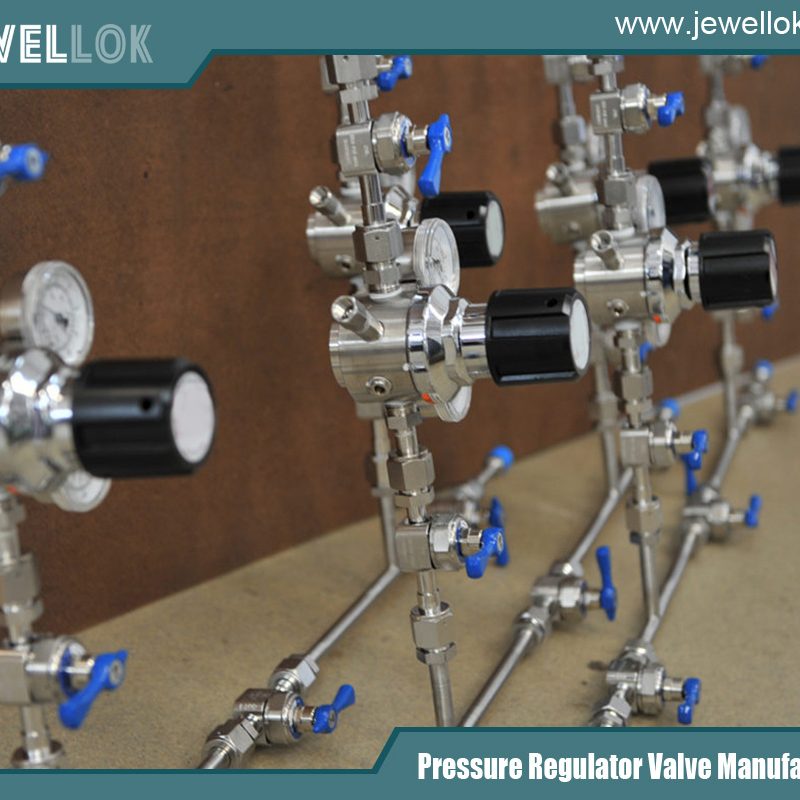
Раскрытие основных преимуществ системы подачи азота промышленного класса.
In the fast-paced world of industrial manufacturing, precision, efficiency, and safety are paramount. One technology that has quietly revolutionized operations across sectors like automotive, aerospace, metal fabrication, and electronics is the industrial-grade nitrogen gas manifold system. This sophisticated setup, often integrated into tooling and die applications, uses nitrogen gas to provide consistent force, control, and performance in processes like stamping, forming, and molding. Unlike traditional mechanical springs, nitrogen gas manifolds offer a host of advantages that enhance productivity, reduce costs, and improve safety.
As industries strive for leaner operations and higher output, the adoption of nitrogen gas manifolds has surged. According to industry reports, the global nitrogen gas market is projected to grow at a CAGR of 5.5% from 2023 to 2030, driven in part by demand for advanced manifold systems in manufacturing. This 2000-word article delves into the core advantages of industrial-grade nitrogen gas manifold systems, exploring their design, functionality, applications, and why they outperform traditional alternatives. By the end, you’ll understand why these systems are a game-changer for modern industry, backed by insights from leading manufacturers and real-world examples.
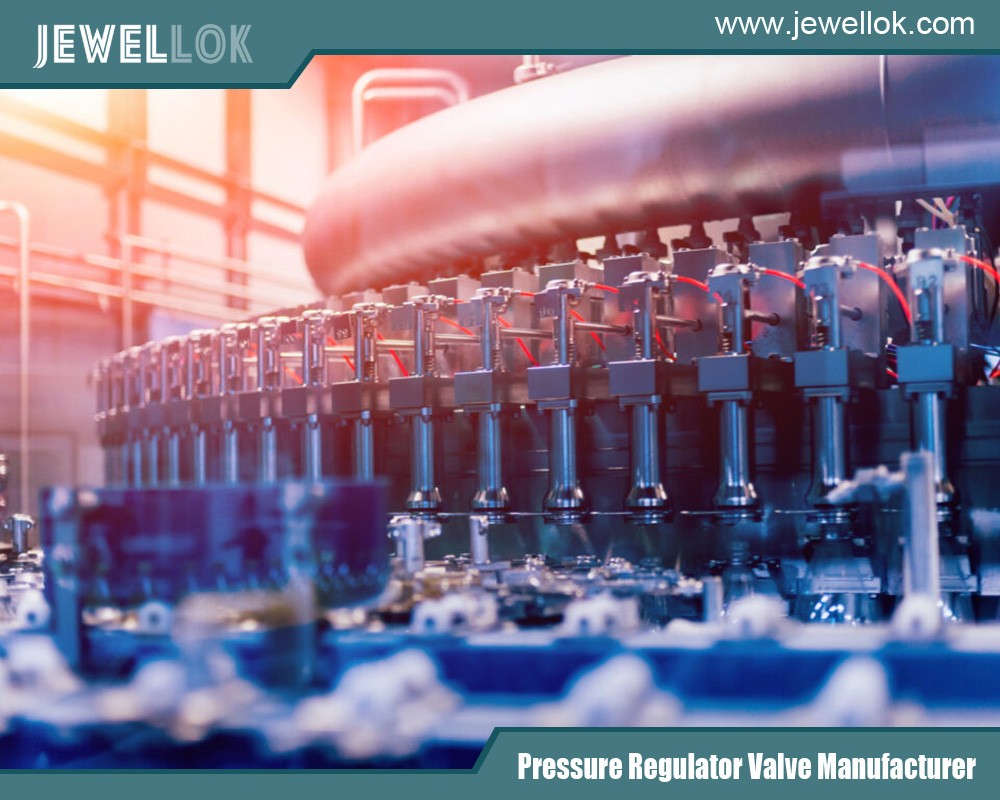
Understanding the Industrial-Grade Nitrogen Gas Manifold System
Before revealing its advantages, it’s essential to understand what an industrial-grade nitrogen gas manifold system is and how it functions. At its core, a nitrogen gas manifold system is a network of connected components that distribute nitrogen gas from a central source (such as cylinders or generators) to multiple points of use within a machine or die. These systems are commonly used in press tools, injection molds, and forming dies, where they replace or supplement mechanical springs to provide force.
1. Key Components
- Nitrogen Cylinders or Generators: The source of high-purity nitrogen gas, often stored at pressures up to 300 bar.
- Manifold Block: The central hub, typically machined from high-strength steel or aluminum, with ports for gas distribution.
- Hoses and Fittings: Flexible, high-pressure hoses connect the manifold to application points, with check valves to prevent backflow.
- Pressure Regulators and Gauges: Control gas pressure and monitor levels for precise operation.
- Safety Valves: Relief valves to vent excess pressure and prevent over-pressurization.
- Control Panel: In advanced systems, includes digital interfaces for monitoring and adjustment.
2. How It Works
The system operates by filling the manifold with compressed nitrogen gas, which is then distributed to gas springs or cylinders within the die. As the die operates, the gas compresses and expands, providing consistent force throughout the stroke. Unlike mechanical springs, which fatigue over time, nitrogen gas maintains constant pressure, ensuring uniform performance.
Industrial-grade systems are distinguished by their robust construction, high-pressure capabilities, and integration with automation, making them suitable for heavy-duty applications. Now, let’s reveal the core advantages that make these systems a superior choice.
Core Advantage 1: Superior Reliability and Consistency
One of the most compelling advantages of industrial-grade nitrogen gas manifold systems is their unmatched reliability and consistency in performance. Traditional mechanical springs degrade over time due to metal fatigue, leading to inconsistent force and eventual failure. In contrast, nitrogen gas manifolds provide constant pressure throughout the entire stroke, regardless of cycle count.
- Why Reliability Matters
In high-volume manufacturing, inconsistent force can lead to product defects, such as uneven stamping or molding, resulting in scrap rates of up to 5-10%. Nitrogen manifolds eliminate this by offering adjustable and stable pressure, with force remaining uniform even after millions of cycles. For example, in automotive die stamping, this consistency ensures precise part formation, reducing rework and improving quality assurance.
- Consistency in Operation
Nitrogen gas springs connected to manifolds deliver force that doesn’t diminish with compression, unlike coil springs. This leads to better control and predictability, with studies showing reduced downtime by up to 30% in press operations. Additionally, manifolds allow for centralized pressure monitoring, enabling real-time adjustments to maintain optimal performance.
- Case Example
In a metal fabrication plant using Special Springs’ manifold system, switching from mechanical springs reduced tool failures by 40%, showcasing the reliability advantage.
This advantage makes nitrogen manifolds ideal for applications requiring long-term, consistent performance.
Core Advantage 2: Enhanced Safety and Risk Reduction
Safety is a non-negotiable in industrial settings, and nitrogen gas manifold systems excel in this area. Mechanical springs can fail suddenly due to fatigue, posing risks to operators and equipment. Nitrogen manifolds mitigate this with built-in safety features and predictable behavior.
- Safety Mechanisms
Industrial-grade manifolds include pressure relief valves to prevent over-pressurization, check valves to avoid backflow, and alarms for low pressure. Unlike springs, which can release stored energy explosively upon failure, nitrogen gas dissipates safely if a leak occurs. This reduces injury risks and equipment damage.
- Reduced Maintenance Hazards
Manifolds simplify maintenance by allowing centralized pressure adjustments, reducing the need for frequent die disassembly. This minimizes exposure to heavy tools and high-force components, cutting accident rates by 25-50% in some facilities. Additionally, remote monitoring in advanced systems alerts operators to issues without physical inspection.
- Compliance and Risk Management
Manifolds help meet safety standards like OSHA or ISO 9001 by providing consistent force and reducing variability. In chemical processing, they prevent leaks that could lead to hazardous gas releases.
This safety advantage is why manifolds are preferred in high-risk industries.
Core Advantage 3: Operational Efficiency and Cost Savings
Nitrogen gas manifold systems offer significant efficiency gains and cost savings, making them economically attractive for industrial applications.
- Efficiency Improvements
Manifolds provide constant force throughout the stroke, enabling faster cycle times and higher production rates.
In die stamping, this can increase output by 10-20%. Easier die transitions and adjustable pressure reduce setup time, with manifolds allowing quick force changes without tool disassembly.
- Reduced Downtime
Unlike springs that require frequent replacement due to fatigue, nitrogen manifolds have longer service intervals, reducing downtime by 50-70%.
Centralized monitoring predicts issues, enabling proactive maintenance.
- Cost Savings
Lower maintenance, reduced scrap from consistent force, and longer tool life lead to savings. For example, in automotive manufacturing, manifolds can cut tooling costs by 20-30%.
On-site nitrogen generation further reduces gas costs.
- Customization and Scalability
Manifolds offer adjustable pressure and modular designs, allowing customization for specific dies and easy scalability.
This advantage drives adoption in competitive industries.
Additional Advantages of Industrial-Grade Nitrogen Gas Manifold Systems
Beyond the core three, other benefits include:
- Resource Effectiveness: Maximizes gas use, reducing waste.
- Environmental Benefits: On-site generation lowers transportation emissions.
- Quality Assurance: Consistent pressure improves product quality.
Design and Components of Nitrogen Gas Manifold Systems
Manifolds consist of:
- Nitrogen Cylinders: High-pressure storage.
- Manifold Block: Distribution hub.
- Hoses/Fittings: For connection.
- Regulators/Gauges: For control.
- Safety Valves: For protection.
Design focuses on durability and precision.
Applications of Nitrogen Gas Manifold Systems
Applications span:
- Automotive: Die stamping.
- Aerospace: Forming components.
- Metal Fabrication: Press tools.
- Electronics: Assembly lines.
- Food Processing: Packaging.
Challenges and Considerations
Challenges include high initial costs and maintenance needs, but advantages outweigh them for most users.
Leading Manufacturers and Suppliers
Key players include Special Springs, Kaller, and DADCO, offering reliable systems.
Trends include digital monitoring and eco-friendly designs.
Practical Tips for Implementing Nitrogen Gas Manifold Systems
Tips: Assess needs, choose quality, maintain regularly.
Примеры из практики
Case 1: Automotive plant reduced downtime.
Заключение
Industrial-grade nitrogen gas manifold systems offer core advantages like reliability, safety, and efficiency, making them superior for manufacturing. By focusing on these, industries can optimize operations and reduce costs. Invest in a quality system to elevate your production.
For more about revealing the core advantages of the iIndustrial-grade nitrogen gas manifold system, you can pay a visit to Jewellok at https://www.jewellok.com/ for more info.
-
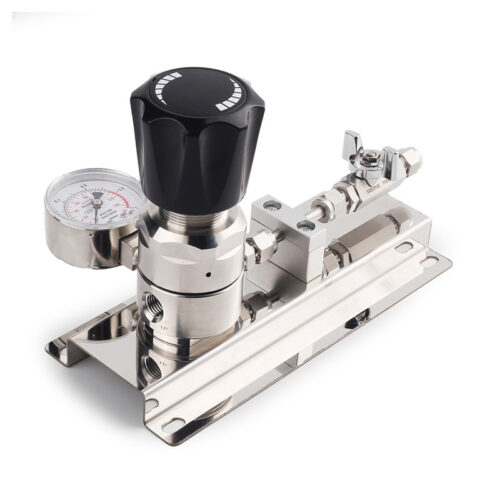
Панельная система переключения сжатого газа из сверхчистой нержавеющей стали для интегрированной системы газоснабжения
-
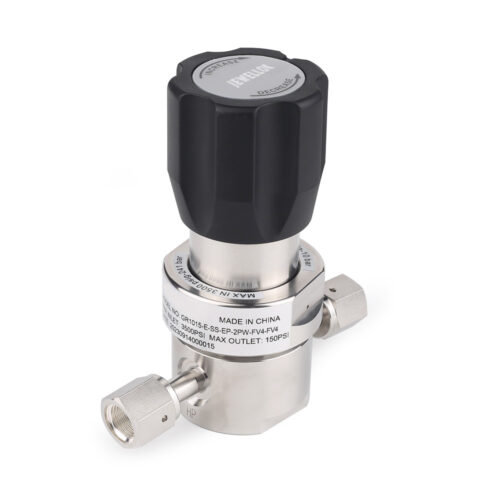
316L Vim Var Stainless Steel Ultra High Purity Gas Pressure Reducing Valve For Corrosive Specialty Gas Distribution
-

Liquid Chemical Delivery Module (CDM) Maintenance: Optimizing UHP Diaphragm Valves for Maximum System Process Uptime
-
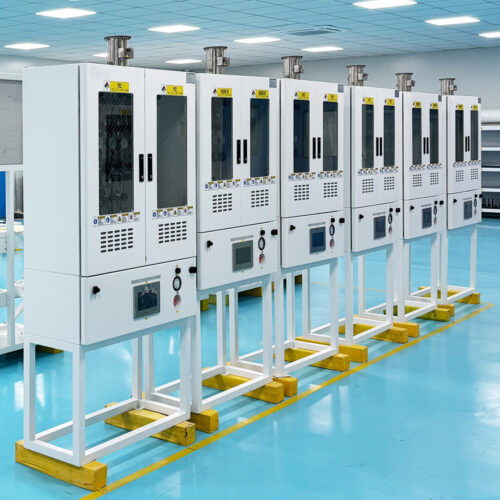
Интеграция модуля подачи сверхчистых химических веществ (CDM) и блока клапанного коллектора повышает выход годных полупроводниковых изделий.
-
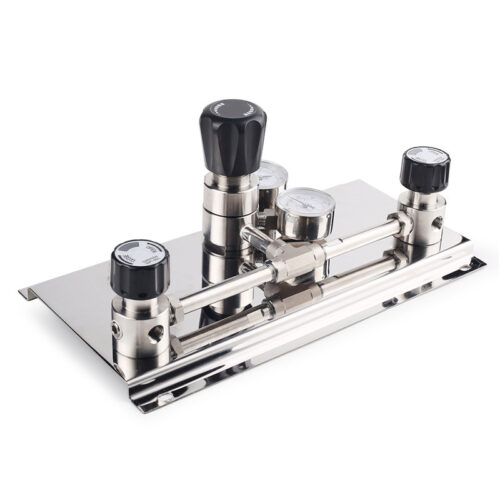
Водородный коллектор, система подачи аргона, кислородный коллектор, пропановый коллектор с клапанами в системе переключения газового коллектора.
-
JR1000 Series UHP Ultra High Purity Single Stage Pressure Reducing Regulator And Low To Intermediate Flow
-
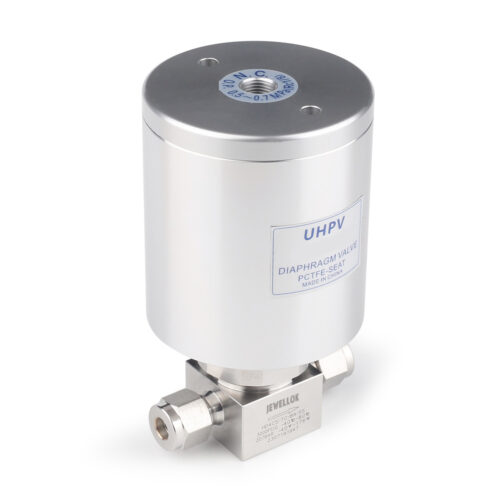
High Pressure High Temperature Pneumatic Ultrahigh Purity Stainless Steel Diaphragm Valves
-
Integrated Gas System (IGS) Modular Integrated Gas Systems (TMS) Integrated Gas Supply System For Semiconductor And Laboratory