
Valves Manufacturer Tel: +86 13380377051
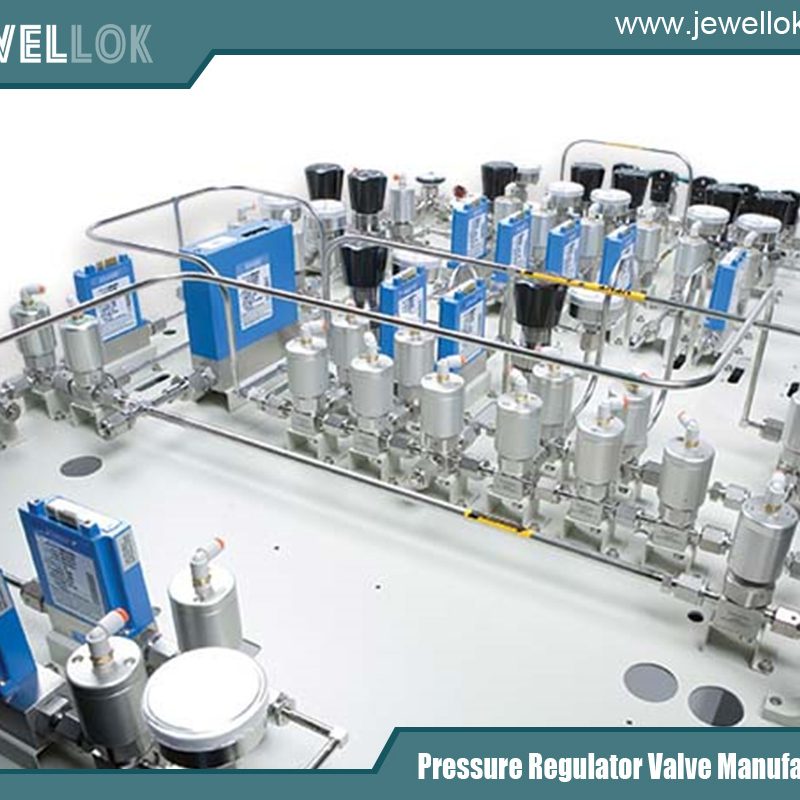
Semiconductor Gas Delivery System Manufacturers: Precision Engineering for the Chip Era
In the rapidly evolving world of semiconductor manufacturing, where the demand for smaller, faster, and more efficient chips drives technological progress, gas delivery systems play a pivotal yet often underappreciated role. These systems are engineered to handle the precise distribution of specialty gases essential for processes like deposition, etching, and doping in wafer fabrication. Semiconductor gas delivery system manufacturers specialize in designing, producing, and integrating these complex assemblies, ensuring that gases such as silane, nitrogen, argon, and hexafluorides are delivered with ultra-high purity, controlled flow rates, and minimal contamination risks.
The semiconductor industry relies on these systems to maintain the integrity of manufacturing environments, where even trace impurities can lead to defects in microchips. As chip geometries shrink to 5nm and below, the precision required escalates, making gas delivery a critical bottleneck in production yields. Manufacturers in this niche must navigate stringent safety standards, given the hazardous nature of many process gases, which can be toxic, flammable, or corrosive. This necessitates robust designs incorporating fail-safes, automated monitoring, and compliance with international regulations like SEMI standards.
Leading players in this field, including companies focused on modular and ultra-high purity (UHP) solutions, have pioneered innovations that enhance efficiency and scalability. From gas cabinets that store and regulate bulk supplies to intricate manifolds distributing gases to process tools, these systems form the backbone of modern fabs. The market for semiconductor gas delivery systems is expanding, driven by the global push for advanced electronics in AI, 5G, and electric vehicles. Valued at around $2.5 billion currently, it is projected to grow significantly as fabrication plants scale up worldwide.
This article delves into the technical intricacies of these systems, exploring key components, manufacturing challenges, and future trends. By understanding the role of semiconductor gas delivery system manufacturers, we gain insight into how they enable the semiconductor ecosystem to push the boundaries of Moore’s Law.
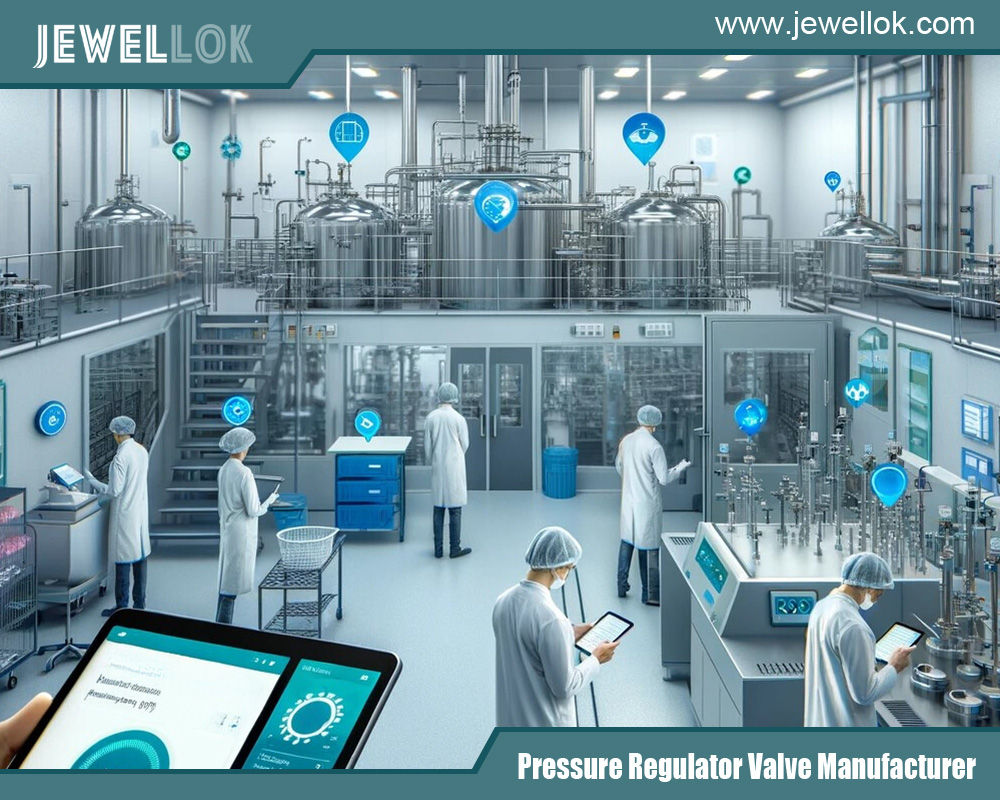
Overview of Semiconductor Gas Delivery Systems
Semiconductor gas delivery systems are sophisticated networks designed to transport process gases from storage sources to fabrication tools with exacting control over parameters like pressure, flow, and purity. These systems are integral to chemical vapor deposition (CVD), physical vapor deposition (PVD), etching, and ion implantation processes, where gases interact at the molecular level to build or remove layers on silicon wafers.
At their core, these systems address the unique demands of semiconductor production. Gases must be delivered at purities exceeding 99.9999% (six nines), as contaminants like moisture, oxygen, or particulates can cause yield-killing defects. Delivery must also be consistent across high-volume manufacturing, often involving hundreds of process steps per wafer. Systems are categorized into bulk gas delivery for high-consumption gases like nitrogen and specialty gas delivery for reactive or rare gases.
Bulk systems typically involve cryogenic storage tanks, vaporizers, and distribution pipelines that feed sub-fabs or point-of-use purifiers. Specialty systems, on the other hand, use gas cabinets or valve manifold boxes (VMBs) to handle smaller volumes with greater precision. Modular designs have revolutionized the field, replacing traditional welded panels with interchangeable modules that reduce downtime and facilitate upgrades.
The evolution from conventional gas panels to modern integrated systems reflects industry shifts toward automation and safety. Early systems relied on manual valves and basic regulators, prone to leaks and inconsistencies. Today’s iterations incorporate digital mass flow controllers (MFCs), pressure transducers, and real-time sensors linked to supervisory control and data acquisition (SCADA) systems. This allows for predictive maintenance and rapid response to anomalies.
In a typical fab, gas delivery begins at the gas yard, where bulk gases are stored, then proceeds through purification stages to remove impurities. Distribution lines, often made of electropolished stainless steel to minimize particle generation, carry gases to tool interfaces. Safety features like excess flow valves and emergency shutdowns are mandatory to mitigate risks from gas leaks or overpressurization.
The importance of these systems cannot be overstated; they directly impact fab throughput and cost per wafer. As semiconductor nodes advance, gas delivery must adapt to higher pressures for extreme ultraviolet (EUV) lithography or specialized mixtures for 3D NAND stacking. Manufacturers continually refine these systems to meet the industry’s relentless drive for miniaturization and efficiency.
Key Components and Technologies
The architecture of a semiconductor gas delivery system comprises several interdependent components, each engineered for reliability in harsh environments. Central to the system are gas cabinets, which serve as secure enclosures for cylinder storage and initial regulation. These cabinets feature automatic switchover mechanisms to ensure uninterrupted supply, along with exhaust ventilation to handle potential leaks of hazardous gases.
Valves and regulators form the system’s control backbone. High-purity valves, often pneumatically actuated, must withstand corrosive gases without introducing contaminants. Materials like 316L stainless steel or Hastelloy are common, with surface finishes achieving roughness averages below 10 Ra to prevent particle adhesion. Pressure regulators maintain stable output pressures, compensating for fluctuations in source pressure, while filters—typically with 0.003-micron ratings—trap particulates.
Mass flow controllers (MFCs) are perhaps the most critical technology, providing precise metering of gas flows down to sub-sccm (standard cubic centimeters per minute) levels. Modern MFCs use thermal or pressure-based sensing, integrated with PID (proportional-integral-derivative) algorithms for rapid response times under 1 second. They often include self-diagnostic features to detect drift or blockages.
Manifolds and weldments distribute gases to multiple points, minimizing dead legs—stagnant areas where impurities can accumulate. Gas sticks, modular assemblies within manifolds, integrate MFCs, valves, and transducers into compact units for easy installation in process tools. These sticks optimize gas delivery by controlling flow and pressure for specific fabrication steps, such as plasma etching where uniform gas distribution ensures etch profile consistency.
Sensors play a vital role in monitoring system health. Residual gas analyzers (RGAs) detect trace impurities in real-time, while pressure and flow sensors feed data to control systems. Advanced setups incorporate IoT connectivity for remote monitoring, enabling predictive analytics to foresee failures.
Purification technologies are essential for maintaining UHP levels. Point-of-use purifiers use getter materials or membranes to remove moisture and oxygen to parts-per-trillion levels. Innovations like heated getter purifiers extend lifespan and efficiency, crucial for gases like ammonia or hydrogen chloride.
Integration of these components requires meticulous design, often using computational fluid dynamics (CFD) to simulate gas flow and minimize turbulence. Semiconductor gas delivery system manufacturers employ cleanroom assembly to avoid contamination, with helium leak testing ensuring integrity down to 10^-9 atm-cc/sec.
Overall, these technologies converge to deliver gases with the precision needed for sub-3nm nodes, where atomic-layer accuracy is paramount.
Leading Manufacturers and Their Contributions
Semiconductor gas delivery system manufacturers operate in a competitive landscape, blending engineering expertise with innovation to meet fab demands. Prominent players include those specializing in fluid systems, who provide comprehensive solutions from design to installation.
One key contributor focuses on modular gas panels and subsystems, offering customizable VMBs that integrate seamlessly with OEM tools. Their systems emphasize scalability, allowing fabs to expand without major overhauls. Innovations include smart valves with embedded electronics for enhanced control, reducing setup time by up to 50%.
Another leader excels in UHP components, such as regulators and filters, with a portfolio that includes vacuum-to-positive pressure solutions. They have pioneered electropolished tubing systems that minimize outgassing, critical for EUV processes. Their contributions extend to safety, with integrated gas detection sensors that comply with NFPA and SEMI codes.
Specialists in gas mixing and blending systems address the need for precise gas recipes in advanced deposition. These manufacturers develop dynamic blenders that mix gases on-demand, ensuring homogeneity for processes like atomic layer deposition (ALD). Their technology supports multi-gas delivery with flow accuracies of ±0.5%, boosting yield in high-k dielectric applications.
Energy-focused providers emphasize sustainable designs, incorporating energy-efficient vaporizers and recyclers for gases like xenon. They contribute to green manufacturing by reducing waste through closed-loop systems, aligning with industry goals for carbon neutrality.
Global manufacturers also tackle localization, establishing regional hubs to mitigate supply chain risks. For instance, Asian-based firms dominate in bulk delivery systems, offering cryogenic solutions tailored for high-volume fabs in Taiwan and South Korea.
Collaborations between manufacturers and semiconductor giants drive progress. Joint developments have led to AI-enhanced systems that optimize gas usage via machine learning, predicting consumption patterns to minimize downtime.
These manufacturers invest heavily in R&D, with patents covering novel materials like ceramic-coated valves for corrosion resistance. Their role extends beyond hardware to software ecosystems, providing simulation tools for system modeling.
In essence, these entities are not mere suppliers but strategic partners, enabling the semiconductor industry’s advancement through tailored, high-performance gas delivery solutions.
Manufacturing Processes and Quality Control
Producing semiconductor gas delivery systems involves a multi-stage process emphasizing precision and cleanliness. It begins with material selection, where alloys are chosen for compatibility with specific gases. Stainless steel is plasma-arc melted to achieve low inclusion levels, followed by forging or extrusion into components.
Fabrication employs advanced welding techniques like orbital GTAW (gas tungsten arc welding) to create leak-free joints. Cleanrooms classified to ISO 5 standards prevent contamination during assembly, with operators using ESD-safe gear.
Component integration follows, where MFCs and valves are calibrated using traceable standards. Flow benches simulate operational conditions, verifying performance across temperature ranges from -40°C to 150°C.
Quality control is rigorous, incorporating non-destructive testing like X-ray for welds and particle counting in purge tests. Systems undergo pressure cycling to simulate years of use, ensuring fatigue resistance.
Traceability is maintained through laser-etched serial numbers and blockchain-like digital records. Final validation includes functional testing in simulated fab environments, measuring parameters like response time and purity retention.
Post-manufacture, systems are passivated—chemically treated to form protective oxide layers—enhancing corrosion resistance. Packaging in nitrogen-purged bags preserves integrity during shipping.
Manufacturers adhere to standards like ASME B31.3 for piping and SEMI S2 for safety. Continuous improvement via Six Sigma methodologies reduces defects to ppm levels.
Automation in manufacturing, such as robotic assembly, boosts consistency while AI-driven inspections detect anomalies invisible to the eye.
These processes ensure systems meet the exacting demands of semiconductor production, where reliability translates directly to fab profitability.
Challenges in the Industry
Semiconductor gas delivery system manufacturers face multifaceted challenges. Maintaining ultra-high purity is paramount, as supply chains introduce potential contaminants, requiring advanced purification and certification.
Safety concerns arise from handling toxic gases, necessitating robust designs to prevent leaks, which could lead to evacuations or environmental harm. Compliance with evolving regulations adds complexity.
Supply chain disruptions, exacerbated by geopolitical tensions, affect raw materials like rare metals for components, leading to delays and cost increases.
Integration with next-gen tools demands higher precision, with systems needing to handle pressures up to 5000 psi and flows below 1 sccm, straining current technologies.
High initial costs for advanced systems pose barriers, especially for smaller fabs, while complexity in retrofitting older facilities increases downtime risks.
Sustainability pressures push for reduced emissions, challenging manufacturers to innovate eco-friendly alternatives without compromising performance.
Addressing these requires ongoing R&D, collaborations, and diversified sourcing to build resilient operations.
Future Trends and Innovations
Looking ahead, semiconductor gas delivery systems will evolve with industry trends. Miniaturization to 2nm nodes demands even tighter control, spurring nanoscale sensors and quantum-inspired flow meters.
Sustainability drives adoption of green gases and recycling systems, with manufacturers developing low-global-warming-potential alternatives.
AI integration will enable predictive maintenance, using data analytics to optimize gas usage and reduce waste.
Modular, plug-and-play designs will accelerate fab setups, supporting rapid scaling in emerging markets.
Advanced materials like graphene coatings promise enhanced durability, while IoT connectivity facilitates global monitoring.
Market growth, projected to reach $5 billion by 2030, will fuel investments in automation and digital twins for virtual prototyping.
These innovations position manufacturers at the forefront of enabling next-gen semiconductors for AI and quantum computing.

Conclusion
Semiconductor gas delivery system manufacturers are indispensable enablers of technological progress, blending precision engineering with innovation to meet the semiconductor industry’s demands. As challenges persist, their adaptability will shape the future of chip manufacturing.
For more about semiconductor gas delivery system manufacturer, you can pay a visit to Jewellok at https://www.jewellok.com/semiconductor/ for more info.
-
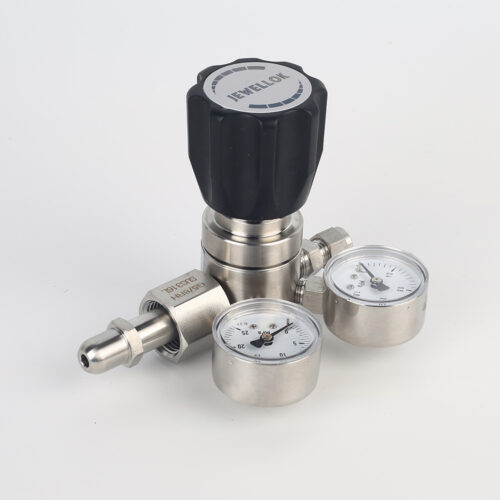
High Purity High Pressure Specialty Gas Pressure Regulators Specialty Gases Pipeline Engineering Equipments Manufacturer And Supplier
-
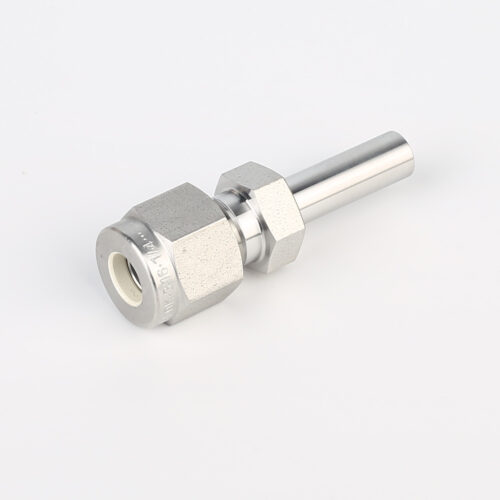
767LT Reducer Pressure Reducing Valve Adjustment High purity Pressure Reducing Union Fittings And Tubing
-
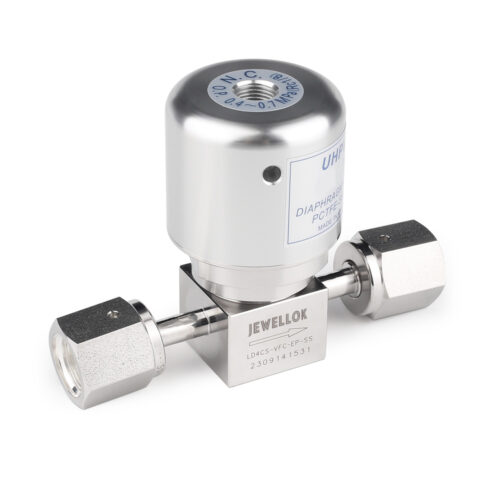
Stainless Steel Low Pressure Seal Pneumatic Diaphragm Control Valve For For HP & UHP Gases
-
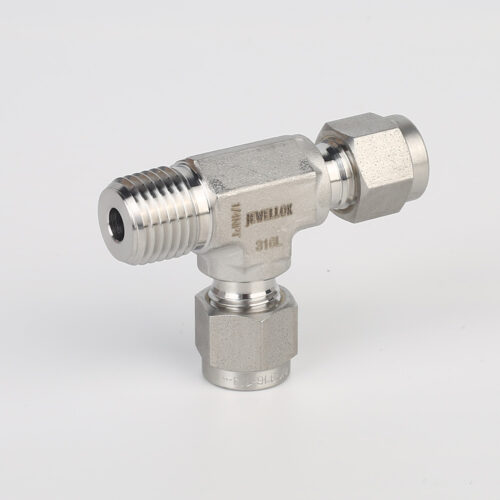
771L Male Run Tee | Stainless Steel High Quality High Purity Male Run Tee Branch Tee Pipe Fittings
-
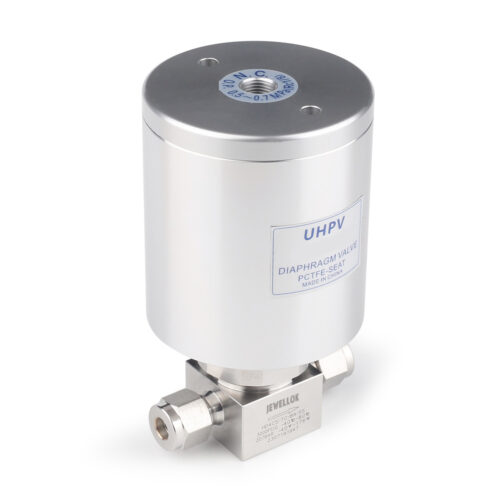
High Pressure High Temperature Pneumatic Ultrahigh Purity Stainless Steel Diaphragm Valves
-
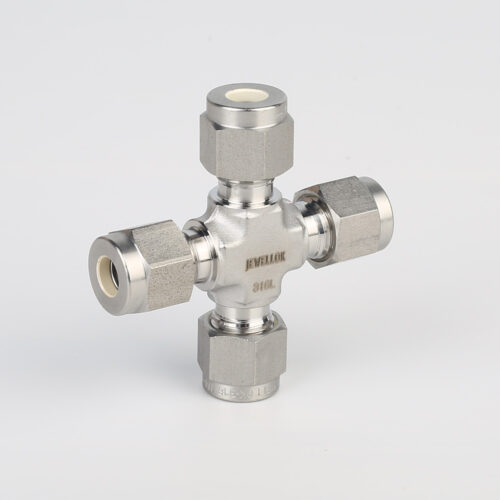
7102L Stainless Steel 316L SS Union Cross Ultra High Purity Long Arm Union Elbow Tee Cross Butt Weld Fittings
-

Semi Automatic Oxygen Nitrogen Helium Argon Gas Changeover Manifold Manual Gas Changeover Manifold Panel For Gas Cylinders
-
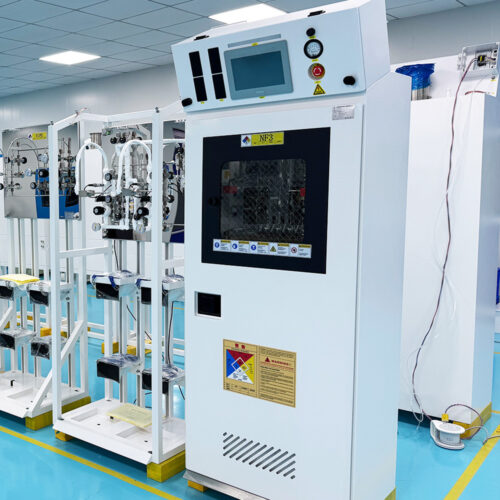
Semi Automatic Gas Cabinet Gas Panels High Purity Gas Delivery Systems JW-200-GC