




















ผู้ผลิตวาล์ว โทร: +86 13380377051
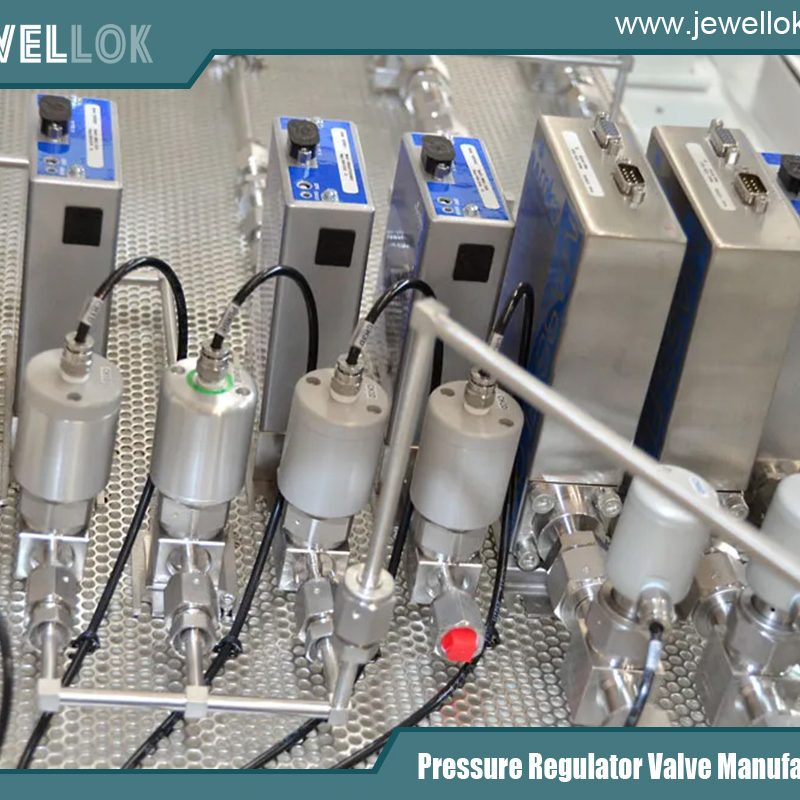
ตัวควบคุมแรงดันสูง vs ตัวควบคุมแรงดันต่ำ: ทำความเข้าใจความแตกต่างที่สำคัญ
Regulators ensure safety, efficiency, and precision when controlling gas or fluid flow. Two of the most commonly used types of regulators are high and low pressure. Though both serve similar functions, their applications and design specifications differ significantly. Whether working with industrial machinery, gas distribution systems, or laboratory equipment, understanding the difference between regulators is essential to selecting the right tool. This article will explore the fundamental differences, applications, and considerations when choosing between high and regulators.
What is a Pressure Regulator?
A เครื่องปรับความดัน is a mechanical device designed to control the pressure of gases or liquids within a system. It ensures that the pressure remains consistent regardless of variations in supply pressure or system demand. Regulators function by reducing the pressure from a higher level to a lower, more manageable level suitable for the equipment or process it supports.
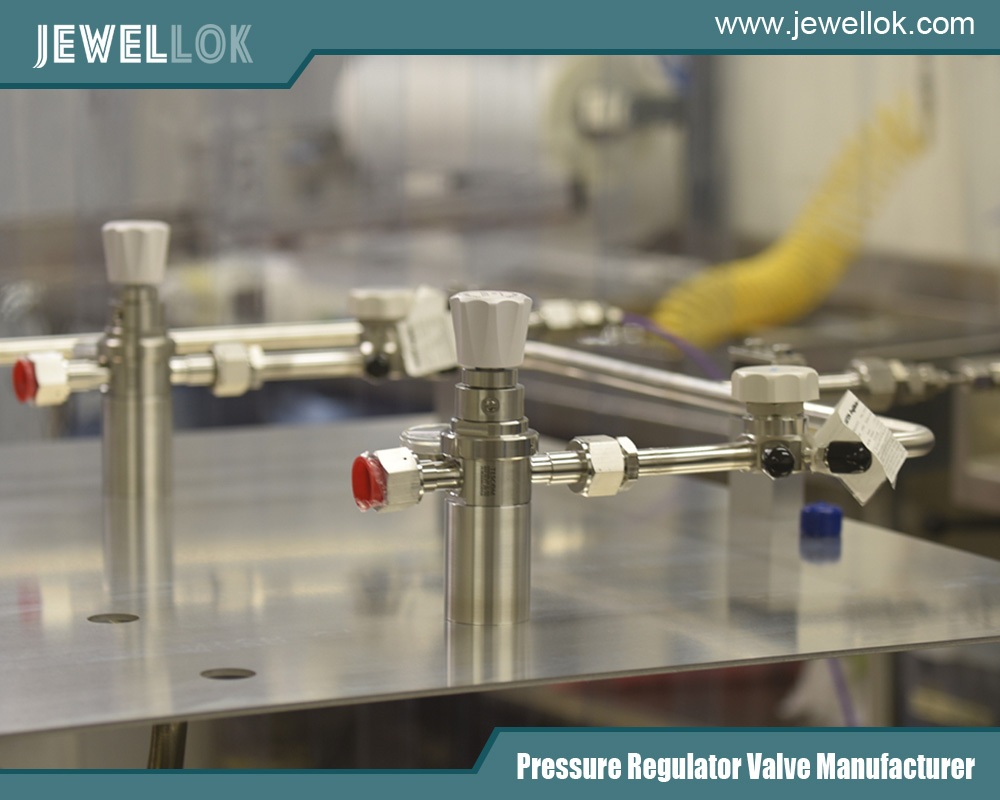
High Pressure Regulators
High pressure regulators are designed to handle systems where the incoming pressure is significantly higher than what the downstream system can safely tolerate or effectively use. These regulators are essential for applications where gases, such as compressed air or industrial gases, must be safely reduced to a lower working pressure.
Features of High ตัวควบคุมแรงดัน
- Pressure Range:High pressure regulators are typically used in systems where the incoming pressure is above 500 psi (pounds per square inch), often ranging from 1000 to several thousand psi.
- Sturdy Construction: Due to the high pressures they handle, these regulators are built with robust materials and construction techniques to withstand extreme conditions without failing.
- Precision Control:regulators offer precise control over the pressure, ensuring that it is consistently lowered to a safe and usable level for downstream applications.
- Safety Mechanisms: Many regulators have built-in safety features, such as pressure relief valves, to prevent damage to equipment and personnel in overpressure situations.
Applications of High Pressure Regulators
- Industrial Gas Systems:In industries that rely on compressed gases, such as welding or chemical processing, regulators ensure that gases like oxygen, nitrogen, or argon are delivered at safe and consistent pressures.
- Hydraulic Systems:Hydraulic systems use regulators to control the flow and pressure of hydraulic fluids.
- Research and Laboratories:In scientific research, regulators are used in gas chromatography, mass spectrometry, and other precision experiments that require exact control of gas pressures.
- Aerospace:In aerospace applications, regulators manage the flow of fuels or gases in aircraft systems.
Advantages of High Pressure Regulators
- Accurate Pressure Control: They ensure the proper pressure for applications that demand precise flow and consistency.
- ความปลอดภัย: Designed with multiple safety features to handle high pressure without risk of failure or damage to equipment.
- Durability: Made to withstand the stresses of environments, offering longevity and reliable performance.
Disadvantages of High Pressure Regulators
- Size and Weight: Due to their robust construction, regulators tend to be larger and heavier than their counterparts.
- ค่าใช้จ่าย: The complexity and materials required for regulators can make them more expensive than regulators.
Low Pressure Regulators
As the name suggests, regulators are designed for systems with significantly lower pressure than systems. They reduce the pressure of gases or liquids to a safe and appropriate level for downstream equipment.
Features of Low Pressure Regulators
- Pressure Range: Regulators are typically used in systems with pressures ranging from 0 to 500 psi, and sometimes even lower, depending on the application.
- Lightweight and Compact: These regulators are usually smaller and lighter than regulators due to the lower pressures they are designed to handle.
- Simple Design: Regulators tend to have a more straightforward design and fewer components, making them easier to maintain and operate.
- Lower Flow Resistance: Since the pressures are lower, these regulators generally exhibit less resistance to flow than their counterparts.
Applications of Low Pressure Regulators
- Residential and Commercial Gas Systems: Regulators are commonly used in home and commercial applications, such as natural gas distribution systems for heating, cooking, or hot water.
- อาหารและเครื่องดื่ม: These regulators are used in food processing and beverage production, where gas pressure needs to be controlled for dispensing or carbonation.
- Aquarium and Hobbyist Systems: In applications like aquarium CO2 systems or gas-fired grills, regulators control gas flow at safe levels.
- Medical and Laboratory: In medical facilities, regulators control the flow of gases to devices like ventilators, anesthesia machines, and oxygen tanks.
Advantages of Low Pressure Regulators
- Compact and Lightweight: These regulators are generally easier to handle and install due to their smaller size and lighter weight.
- Cost-Effective: Regulators often have simpler designs and fewer components, making them more affordable than versions.
- Ease of Maintenance: Their straightforward construction makes maintaining and repairing regulators easier.
Disadvantages of Low Pressure Regulators
- Limited Pressure Control: While practical for systems, these regulators are unsuitable for applications requiring higher pressures, limiting their versatility.
- Less Durability Under High Pressure: Regulators are not designed to withstand the high stresses that regulators can endure.
Critical Differences Between and Low Pressure Regulators
Understanding the critical differences between high and low pressure regulators is essential for selecting the proper regulator for your application. Here’s a breakdown of the main differences:
- Pressure Range: Regulators handle pressures above 500 psi, while regulators manage under 500 psi.
- Size and Weight: Regulators are typically larger and heavier due to the materials needed to withstand higher pressures, whereas regulators are smaller and lighter.
- ค่าใช้จ่าย: Regulators are usually more expensive due to their complexity and the materials required to manage systems safely.
- การใช้งาน: Regulators are used in industrial, aerospace, and scientific applications, while regulators are more common in residential, commercial, and medical applications.
- คุณสมบัติเพื่อความปลอดภัย: Regulators generally have more advanced safety mechanisms to handle the risks of systems. In contrast, regulators are more straightforward and have fewer safety features.
- Precision: Due to the critical nature of their applications, regulators tend to offer more precise pressure control, while regulators are more basic and focused on reliable, steady pressure control.
Choosing the Right Regulator for Your Needs
When deciding between a or low pressure regulator, consider the following factors to determine the best fit for your application:
- System Pressure Requirements: The most obvious consideration is your system’s pressure requirements. A regulator is necessary if your system operates at high pressure. A regulator will suffice for systems that only require low pressure.
- Flow Requirements: Some applications require very high or meager flow rates, which may influence the choice of regulator. regulators are often better suited for systems with higher flow requirements, whereas regulators are typically sufficient for lower-flow applications.
- Safety Concerns: systems inherently carry more risk, so a regulator with additional safety mechanisms is crucial to prevent catastrophic failures. systems generally present less risk but still require attention to safety and proper maintenance.
- Cost Considerations:If budget constraints are a factor, regulators tend to be less expensive than their counterparts. However, choosing the wrong regulator can lead to inefficiencies or failures, which may result in higher costs in the long run.
- Application Complexity: For more complex systems, such as those used in research or aerospace, the precision and durability of a regulator may be essential. A regulator should be more than adequate for simpler systems, such as home gas lines.
บทสรุป
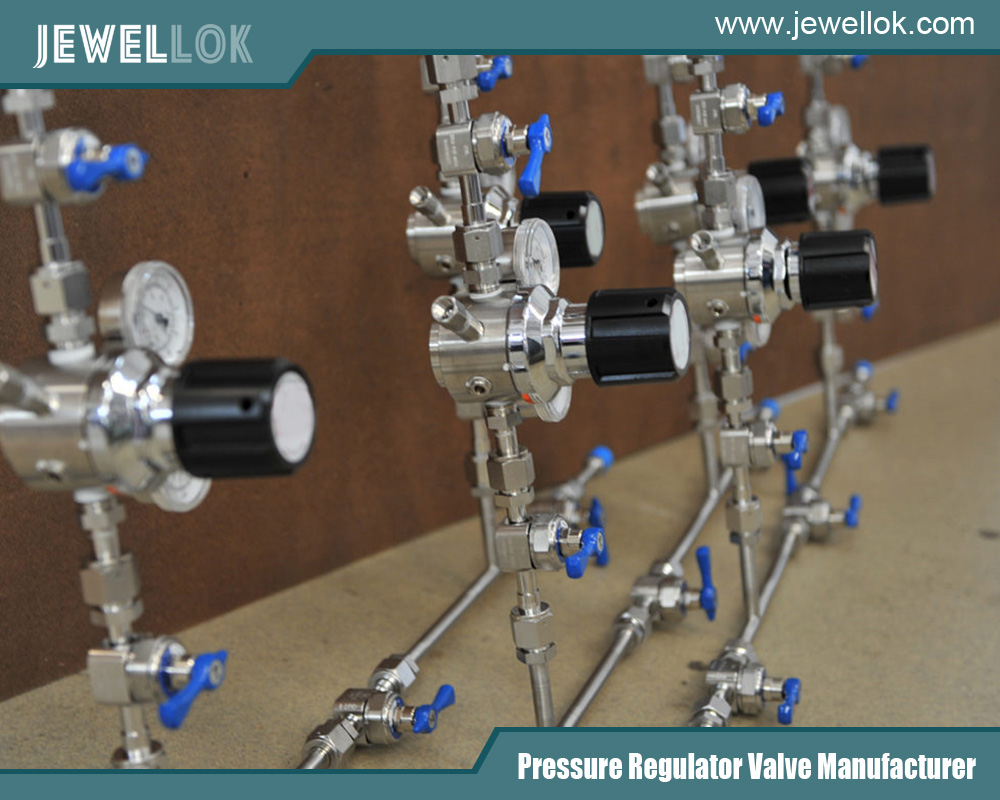
In summary, both and regulators are essential devices in various industries and applications, but they serve distinct functions depending on the pressure requirements of the system. High ตัวควบคุมแรงดัน are built to handle extreme pressures and offer precise control for critical industrial, aerospace, and scientific processes. On the other hand, low pressure regulators are designed for less demanding applications, providing safe and reliable pressure control in residential, commercial, and medical systems.
For more about high pressure regulator vs low pressure regulator: understanding the key differences, you can pay a visit to Jewellok at https://www.jewellok.com/ สำหรับข้อมูลเพิ่มเติม.
-
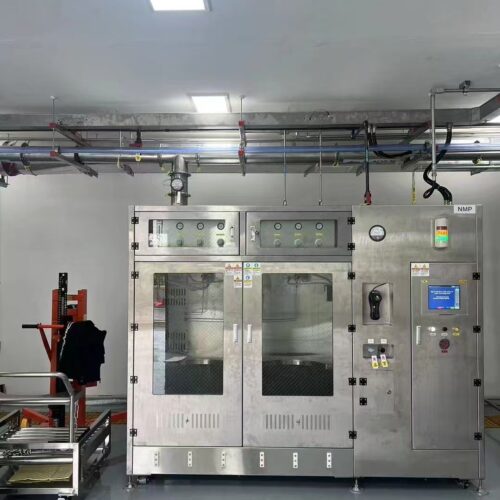
ระบบลำเลียงสารเคมี (CDS) ขนาด 316 ลิตร ขัดเงาด้วยไฟฟ้า เพื่อการจัดการของเหลวที่ปราศจากสิ่งปนเปื้อนในโรงงานผลิตแบตเตอรี่รถยนต์ไฟฟ้า
-
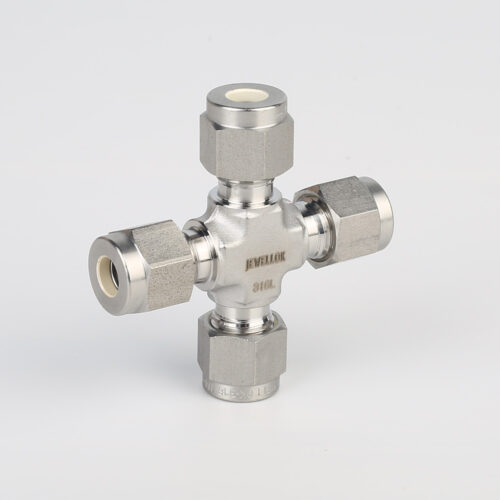
ข้อต่อยูเนี่ยนครอสแบบยาว ทำจากสแตนเลส 7102L และ 316L SS ความบริสุทธิ์สูงพิเศษ ข้อต่อรูปตัว T และข้อศอก เชื่อมแบบบัตต์
-
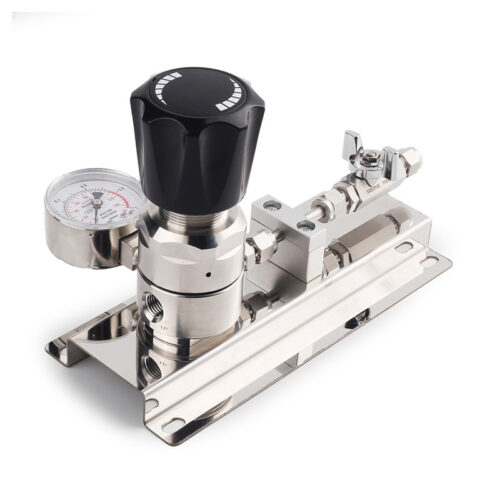
แผงระบบท่อร่วมสลับถังแก๊สอัตโนมัติสเตนเลสสตีลความบริสุทธิ์สูงพิเศษ สำหรับระบบจ่ายแก๊สแบบบูรณาการ
-
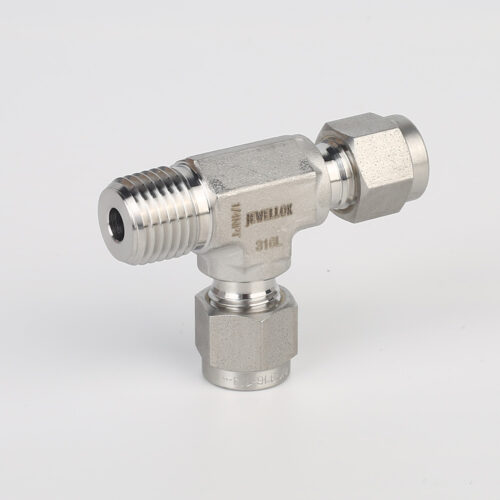
ข้อต่อสามทางตัวผู้ 771L | สแตนเลสคุณภาพสูง ความบริสุทธิ์สูง ข้อต่อสามทางแยกท่อ
-
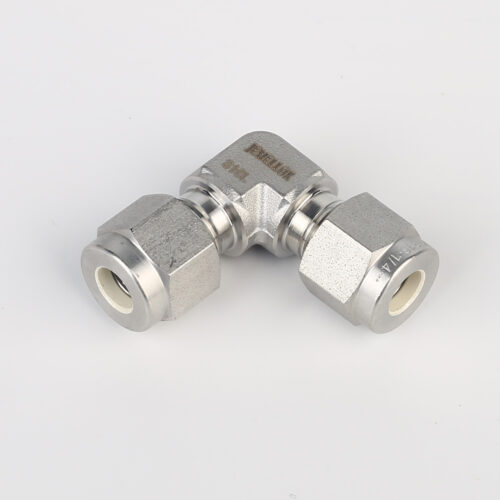
ข้อต่อสแตนเลสลดขนาดทรงยูเนี่ยน ข้องอ 765L ความบริสุทธิ์สูง สำหรับต่อท่อและขยายท่อ
-
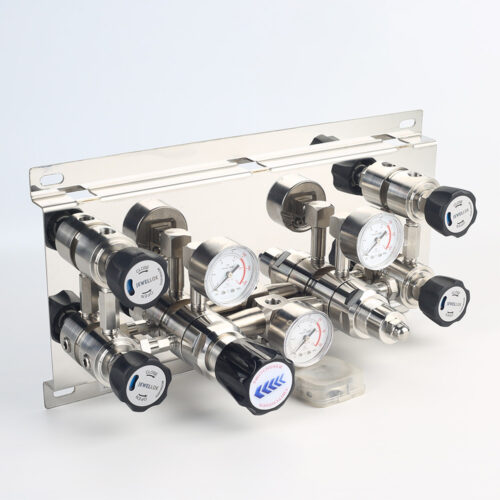
แผงควบคุมแรงดันสำหรับระบบควบคุมก๊าซความบริสุทธิ์สูง รุ่น JSP-3AE จากผู้จำหน่ายและผู้ผลิตแผงควบคุมแรงดัน
-
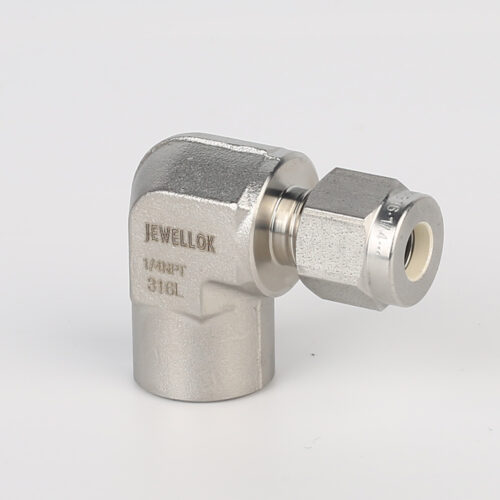
ข้อต่อข้องอตัวเมีย 770L | ข้อต่อเชื่อมสแตนเลสความบริสุทธิ์สูง ข้อต่อข้องอไมโครตัวเมีย
-
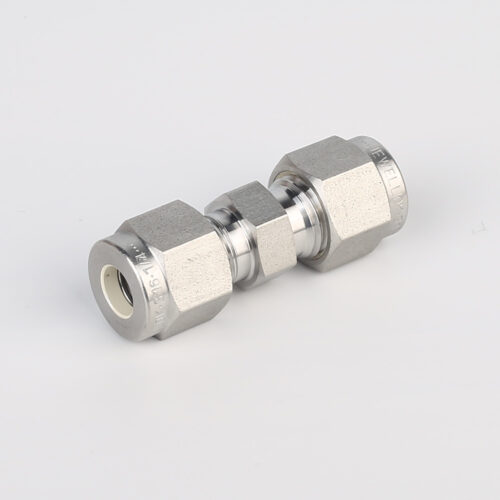
ข้อต่อระบบก๊าซบริสุทธิ์สูง ทำจากสแตนเลส 762L