




















ผู้ผลิตวาล์ว โทร: +86 13380377051
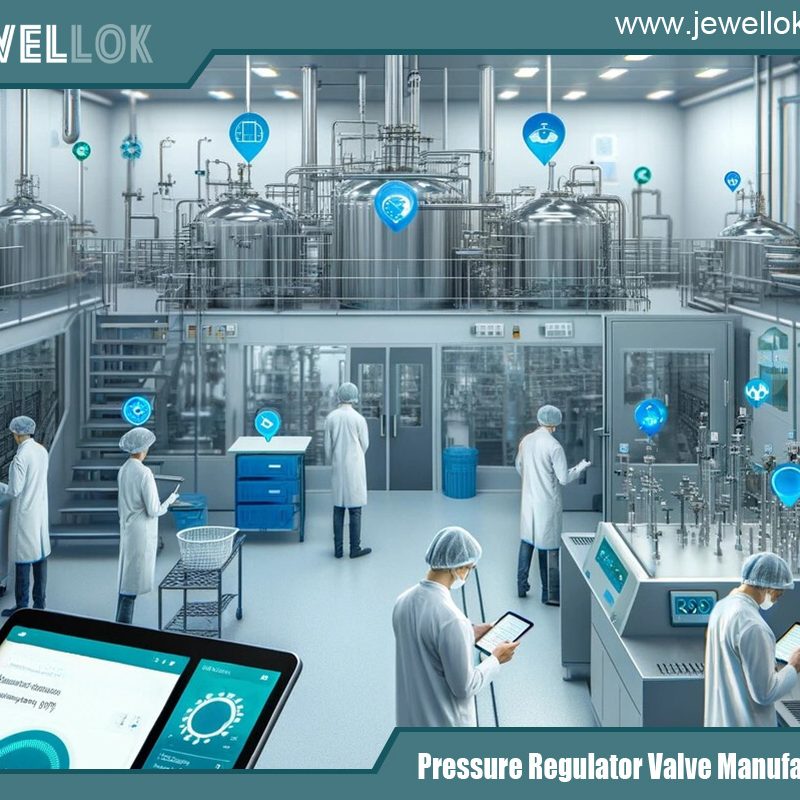
คู่มือการใช้งานเครื่องควบคุมแรงดันแก๊สชนิดพิเศษ: คู่มือฉบับสมบูรณ์
Specialty gas regulators are critical devices used to control the pressure and flow of gases in various industrial, medical, and laboratory applications. These regulators are designed to maintain a consistent output pressure, ensure the safety of personnel and equipment, and optimize the performance of the processes that rely on the precise control of gases. Given their vital role, it is essential to understand their operation, maintenance, and safety features. This manual aims to provide a comprehensive overview of specialty gas regulators, including their types, components, operation, maintenance procedures, troubleshooting tips, and safety guidelines.
What is a Specialty Gas Regulator?
A specialty gas regulator is a device that regulates the pressure of gas from a high-pressure cylinder or bulk source to a lower, controlled output pressure suitable for the specific application. These regulators are used with gases requiring precise control, such as medical, laboratory, and industrial gases, including oxygen, nitrogen, argon, helium, and carbon dioxide. Specialty gas regulators are designed to handle these gases’ unique properties and demands, such as corrosivity, flammability, or high purity.
Types of Specialty Gas Regulators
Specialty gas regulators are available in several configurations, depending on their intended use. Some of the most common types include:
- ตัวควบคุมแรงดันแบบขั้นตอนเดียว: These regulators reduce the cylinder pressure to the desired output pressure in one step. They are typically used in applications with minimal pressure fluctuations, and high precision is less critical.
- ตัวควบคุมสองขั้นตอน: Two-stage regulators reduce the pressure in two stages, providing more stable output pressure. The first stage lowers the pressure from the cylinder to an intermediate level, and the second stage reduces it further to the final output pressure. These regulators are often used for higher precision and more stable pressure control applications.
- Precision Regulators: Precision regulators are designed for susceptible applications, such as those in laboratories or medical environments, where even slight pressure variations can lead to errors or safety concerns. These regulators provide highly accurate control of the output pressure.
- Hose End Regulators: These compact regulators are designed to be attached directly to the hose or tubing that delivers the gas to the application. They are commonly used for applications where portability and ease of use are essential, such as in portable welding equipment.
- Pressure Relief Regulators: Pressure relief regulators are designed to protect systems from excessive pressure buildup by releasing gas if the pressure exceeds a predetermined threshold. These regulators are often used in systems where pressure must be tightly controlled to prevent damage to equipment.
Critical Components of a Specialty Gas Regulator
A specialty gas regulator consists of several components that work together to control gas pressure and flow. The key components include:
- Inlet Connection: This is the point where the gas cylinder or supply line connects to the regulator. The inlet connection is designed to withstand high pressure and is typically equipped with a safety feature, such as a check valve or burst disc, to prevent overpressure.
- Pressure Reducing Valve: This valve is responsible for reducing the high pressure of the incoming gas to a lower, more controlled output pressure. This is typically a spring-loaded valve in single-stage regulators, while in two-stage regulators, it consists of two valves that operate sequentially.
- Diaphragm or Piston: The diaphragm or piston is a flexible component that senses the pressure and helps to adjust the regulator’s output pressure. The diaphragm moves as the pressure increases or decreases to maintain a consistent output pressure.
- Outlet Pressure Adjustment: This component allows users to set the desired output pressure. It is typically a knob or screw that adjusts the spring tension, thereby controlling the flow of gas through the regulator.
- Flow Meter: Some regulators have a flow meter that allows users to monitor the gas flow rate. This feature is handy in applications where precise flow control is essential, such as laboratories or medical facilities.
- Exhaust Valve: An exhaust valve is often used to release gas when the regulator is turned off or when there is excess pressure. This helps ensure the regulator is not subjected to prolonged high pressure and extends its lifespan.
How Specialty Gas Regulators Work
Specialty gas regulators operate based on the principle of pressure reduction. When gas is released from a cylinder, it is under high pressure. The regulator reduces this pressure to a safe and usable level by controlling the gas flow through valves and mechanical components.
- Cylinder Pressure Reduction: The gas enters the regulator through the inlet and passes through the pressure-reducing valve, which reduces the high cylinder pressure to an intermediate or final output pressure.
- Output Pressure Control: The output pressure is controlled by adjusting the regulator’s diaphragm or piston. The diaphragm responds to changes in pressure by moving and adjusting the valve position to maintain a consistent flow rate.
- Gas Flow Adjustment: The flow meter (if included) allows for real-time gas flow monitoring. The outlet pressure adjustment controls how much gas flows through the regulator, ensuring it matches the application’s needs.
Maintenance of Specialty Gas Regulators
Proper maintenance of specialty gas regulators is essential to ensure they function correctly and safely over time. Regular inspection and maintenance help identify potential issues before they lead to failures, and they also provide the longevity of the equipment.
การตรวจสอบ:
- Check for any signs of corrosion, wear, or damage to the regulator, particularly in areas exposed to high pressure or gas flow.
- Inspect the inlet and outlet connections for leaks, cracks, or deformities. Use soapy water to detect leaks by applying it to the connections and looking for bubbles.
- Ensure that the diaphragm and piston are functioning correctly. They should move freely without obstruction or binding.
การทำความสะอาด:
- Clean the regulator regularly to remove dust, dirt, or other contaminants. Use a soft cloth and non-abrasive cleaner to wipe the regulator’s external surfaces.
- Ensure that the regulator’s internal components, such as the diaphragm, are clean and debris-free. If necessary, disassemble the regulator to inspect and clean these components.
Lubrication:
- Apply lubricants recommended by the manufacturer to the moving parts of the regulator, such as the diaphragm or piston. This ensures smooth operation and prevents excessive wear.
Replacement of Parts:
- Replace worn or damaged parts, such as seals, diaphragms, and springs, to ensure optimal performance. Follow the manufacturer’s guidelines for replacing components to ensure compatibility.
Troubleshooting Specialty Gas Regulators
Specialty gas regulators may experience issues that affect their performance over time. Some common problems and their solutions include:
Regulator Fails to Maintain Pressure:
- Cause: Worn-out diaphragm or malfunctioning pressure-relief valve.
- สารละลาย: Inspect and replace the diaphragm or valve as needed.
Gas Leaks:
- Cause: Faulty seals or damaged connections.
- สารละลาย: Inspect seals, connections, and hoses for damage. Tighten or replace the seals to prevent leaks.
Erratic Pressure Fluctuations:
- Cause: Contaminated gas, worn components, or incorrect adjustment.
- สารละลาย: Clean the regulator, replace damaged parts, and adjust the output pressure to the correct settings.
ข้อควรพิจารณาด้านความปลอดภัย
Safety is paramount when working with specialty gas regulators, especially high-pressure gasses. Follow these safety tips:
- Read Manufacturer’s Instructions: Always follow the manufacturer’s guidelines for proper installation, use, and maintenance of the regulator.
- Wear Protective Gear: Use gloves, goggles, and other protective gear when handling regulators and gas cylinders.
- Check for Leaks: Regularly check for leaks using soapy water or other leak detection methods to avoid the risk of fire or explosion.
- Avoid Over-Pressurization: Never exceed the recommended pressure settings for the regulator. Over-pressurization can cause damage to the regulator and the equipment it is connected to.
บทสรุป
Specialty gas regulators are indispensable for industries and applications requiring precise gas flow and pressure control. Understanding their components, operation, maintenance, troubleshooting, and safety features is essential for ensuring their optimal performance and longevity. By following the guidelines outlined in this manual, users can maintain the functionality and safety of their specialty gas regulators, ultimately contributing to the smooth operation of their systems and processes.
สำหรับข้อมูลเพิ่มเติมเกี่ยวกับ คู่มือการใช้งานตัวควบคุมแรงดันแก๊สชนิดพิเศษ: a comprehensive guide, you can pay a visit to Jewellok at https://www.jewellok.com/ สำหรับข้อมูลเพิ่มเติม.
-
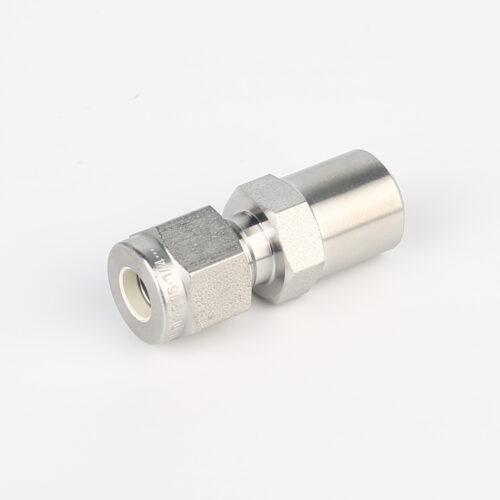
ผู้จำหน่ายข้อต่อท่อเชื่อมชนตัวผู้และข้อต่อท่อสแตนเลส 768LN
-
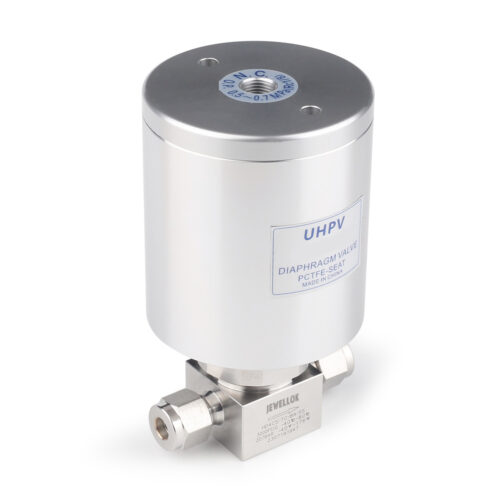
วาล์วไดอะแฟรมสเตนเลสความบริสุทธิ์สูงพิเศษแบบนิวแมติกทนความร้อนและแรงดันสูง
-
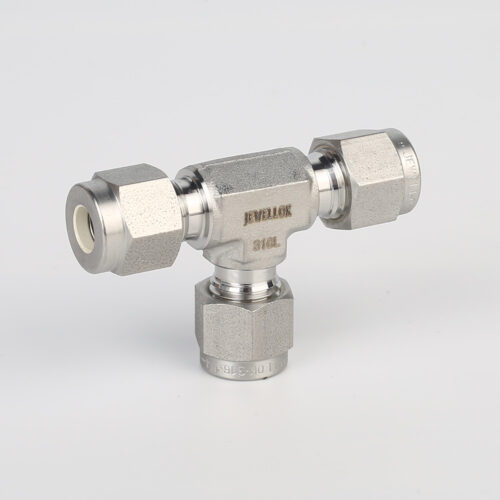
ข้อต่อสามทางสแตนเลส 764L ความบริสุทธิ์สูง ข้อต่อสามทางลดขนาดท่อ
-

การบำรุงรักษาโมดูลส่งสารเคมีเหลว (CDM): การเพิ่มประสิทธิภาพวาล์วไดอะแฟรม UHP เพื่อให้ระบบทำงานได้อย่างต่อเนื่องสูงสุด
-
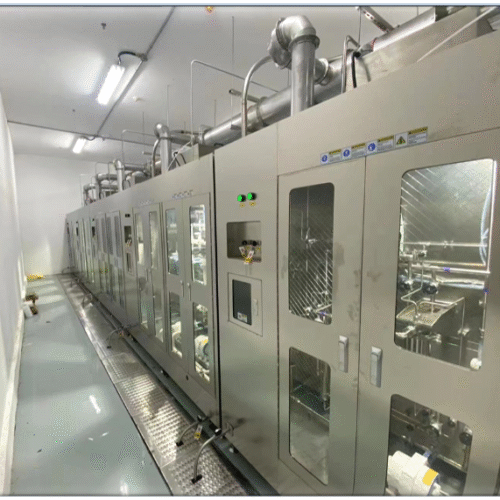
ระบบลำเลียงสารเคมีเหลวปริมาณมากที่มีความบริสุทธิ์สูงพิเศษ (BCDS) สำหรับการรักษาระดับความบริสุทธิ์ระดับส่วนต่อล้านล้านส่วนในกระบวนการผลิต
-
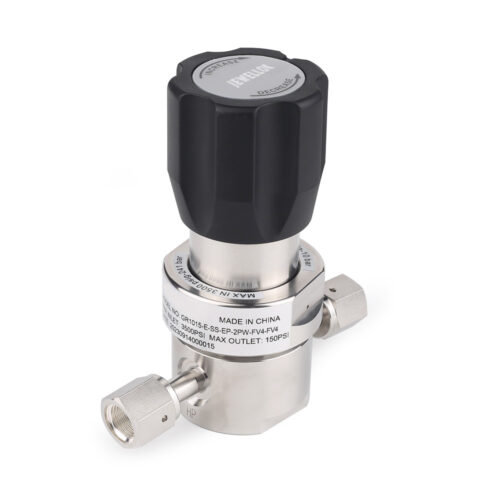
วาล์วก๊าซบริสุทธิ์สูงพิเศษเกรดพรีเมียม คัดสรรโดยตรงจากประเทศจีน สำหรับสายส่งก๊าซที่สำคัญในอุตสาหกรรมเซมิคอนดักเตอร์และเซลล์แสงอาทิตย์ขั้นสูง
-
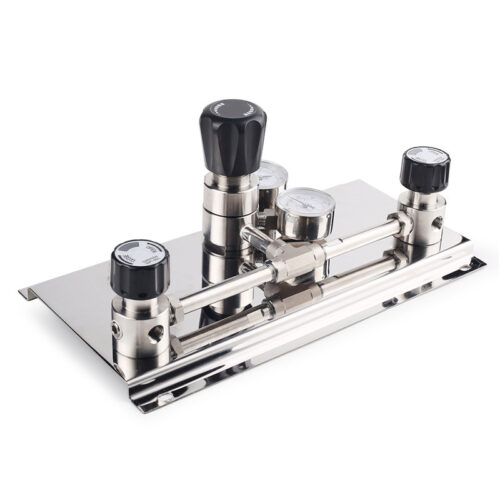
ระบบแมนโฟลเดอร์สลับอัตโนมัติกึ่งอัตโนมัติสเตนเลสสตีลความบริสุทธิ์สูง, แผงควบคุมแรงดันสูงไนโตรเจนพร้อมกล่องแมนโฟลเดอร์วาล์วสำหรับงานเซมิคอนดักเตอร์และไดอะแฟรมวาล์ว
-
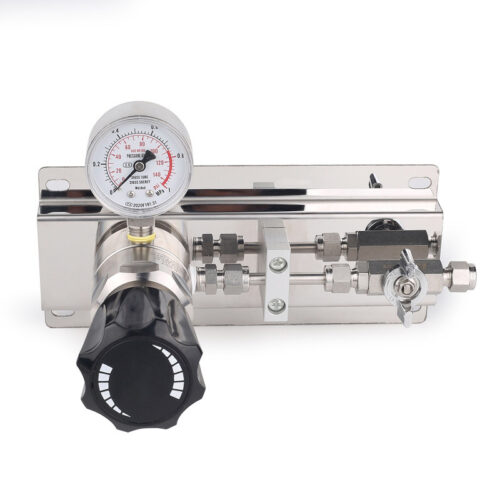
แผงควบคุมและปรับแรงดันก๊าซแบบสลับอัตโนมัติกึ่ง1ถัง สำหรับท่อก๊าซความบริสุทธิ์สูง สแตนเลส 3000 psig พร้อมเกจวัด ขนาด 1/8 NPT