




















ผู้ผลิตวาล์ว โทร: +86 13380377051
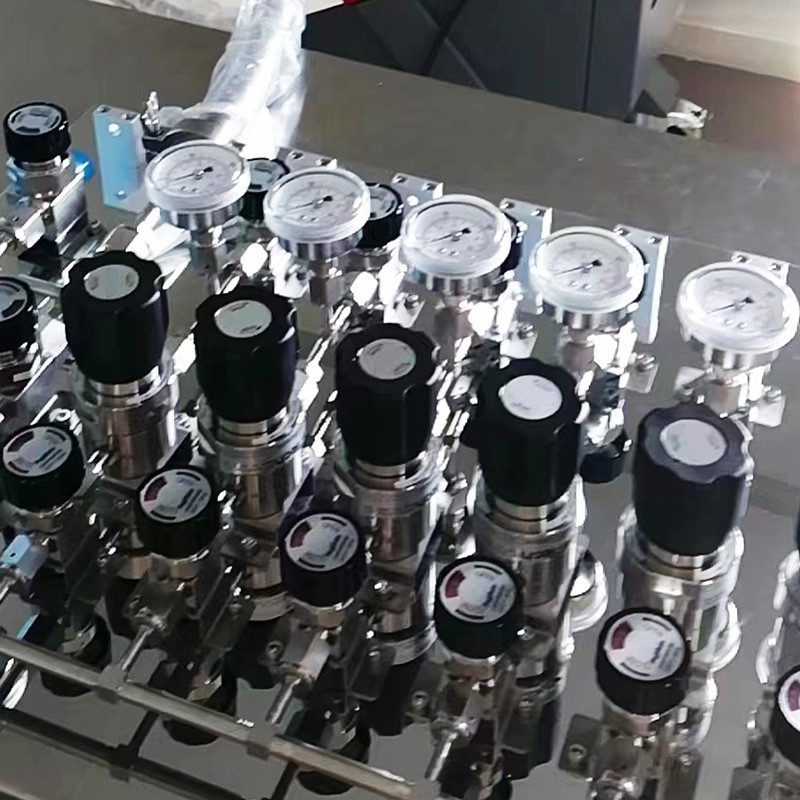
ประเภทของระบบเปลี่ยนถ่ายก๊าซพิเศษ
การแนะนำ
Specialty gases play a vital role in industries ranging from healthcare and pharmaceuticals to semiconductor manufacturing and scientific research. These gases, characterized by their high purity and precise compositions, are essential for processes that demand strict quality and consistency. Unlike standard industrial gases, specialty gases often require meticulous handling to preserve their integrity and ensure safe delivery to end-use applications. One critical challenge in utilizing these gases is maintaining a continuous supply, especially in operations where interruptions could lead to costly downtime or compromised results.
This is where specialty gas changeover systems come into play. A changeover system is designed to seamlessly switch between gas cylinders—typically from a depleted source to a full one—without disrupting the flow of gas. This capability is invaluable in laboratories, production lines, and medical facilities where uninterrupted gas supply is non-negotiable. In this article, we will explore the different types of specialty gas changeover systems, their functionalities, advantages, and applications. By understanding these systems, users can make informed decisions to meet their specific operational needs.
Understanding Specialty Gas Changeover Systems
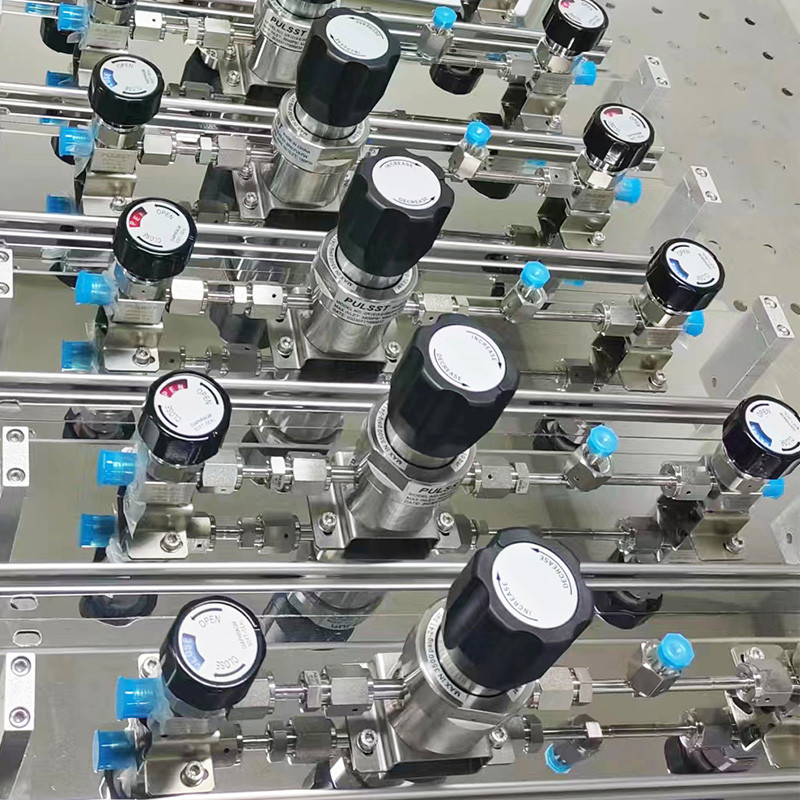
Specialty gas changeover systems are sophisticated setups that ensure a steady and reliable gas supply by connecting multiple cylinders and managing the transition between them. At their core, these systems consist of several key components:
– Manifolds: These connect two or more gas cylinders, allowing gas to be drawn from one source at a time.
– Regulators: These maintain consistent pressure as gas flows from the cylinder to the point of use, preventing fluctuations that could affect processes.
– Valves or Switches: These control the direction of gas flow, enabling the system to shift from an empty cylinder to a full one.
Safety is a paramount consideration in the design and operation of changeover systems. Specialty gases can be inert, flammable, or toxic, each requiring specific precautions to prevent leaks, contamination, or hazardous reactions. For instance, systems handling flammable gases must incorporate flame arrestors, while those for toxic gases need robust leak-detection mechanisms.
The benefits of using changeover systems are numerous. They minimize downtime by ensuring a continuous supply, reduce the need for frequent cylinder replacements, and enhance safety by automating or simplifying the switching process. These advantages make changeover systems indispensable in environments where precision and reliability are critical.
ประเภทของระบบเปลี่ยนถ่ายก๊าซพิเศษ
Specialty gas changeover systems can be broadly categorized based on their level of automation and switching mechanisms. Below, we delve into three primary types: manual changeover systems, automatic changeover systems with mechanical switches, and automatic changeover systems with electronic controls.
1.Manual Changeover Systems
Description and Operation
Manual changeover systems are the simplest and most cost-effective type. They typically consist of a dual-cylinder manifold with a regulator and a manual valve or lever. An operator monitors the gas pressure or level in the primary cylinder—often via a pressure gauge—and manually switches to the reserve cylinder when the primary one nears depletion. This process involves closing the valve on the empty cylinder and opening the valve on the full one, ensuring gas flow remains uninterrupted.
ข้อดีและข้อเสีย
The primary advantage of manual systems is their affordability and simplicity. They require no power source or complex electronics, making them easy to install and maintain. However, their reliance on human intervention is a significant drawback. Operators must be vigilant to avoid supply interruptions, which can be impractical in high-demand or 24/7 operations. Additionally, manual switching increases the risk of human error, such as failing to switch in time or improperly securing valves.
การใช้งานทั่วไป
Manual changeover systems are best suited for small-scale or non-critical applications where gas usage is low and interruptions are tolerable. For example, a small research laboratory conducting intermittent experiments with inert gases like helium or nitrogen might opt for a manual system to keep costs down. Similarly, facilities with trained staff available to monitor gas levels can effectively utilize these systems without compromising safety or efficiency.
2.Automatic Changeover Systems with Mechanical Switch
How They Work
Automatic changeover systems with mechanical switches take the guesswork out of gas cylinder switching. These systems feature a manifold connected to two cylinders, a regulator, and a mechanical switch that operates based on pressure differentials. When the pressure in the primary cylinder drops below a preset threshold—indicating it is nearly empty—the switch automatically redirects gas flow to the reserve cylinder. This transition is seamless, requiring no operator intervention.
Benefits Over Manual Systems
The automation in these systems eliminates the need for constant monitoring, reducing labor costs and the risk of supply interruptions. Unlike manual systems, they ensure continuity even during off-hours or in unattended settings. Additionally, because they rely on mechanical components rather than electronics, these systems are robust and function without electricity, making them reliable in remote locations or during power outages.
Use Cases
Automatic changeover systems with mechanical switches are ideal for medium-scale operations where reliability is essential, but advanced features are unnecessary. For instance, a manufacturing plant using argon for welding or a medical facility supplying oxygen to patients can benefit from the uninterrupted supply these systems provide. Their simplicity and durability also make them suitable for environments with harsh conditions or limited access to technical support.
3.Automatic Changeover Systems with Electronic Controls
Features and Operation
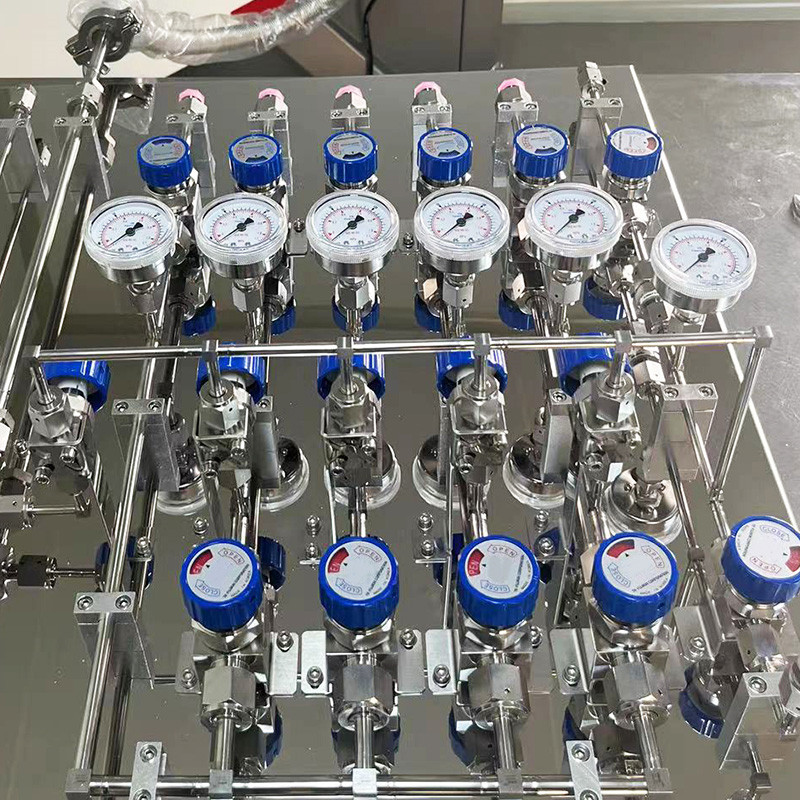
ระบบเปลี่ยนถ่ายอัตโนมัติ with electronic controls represent the pinnacle of sophistication in gas supply management. These systems incorporate sensors, microprocessors, and often a programmable logic controller (PLC) to monitor gas levels, pressure, or flow rates in real time. When the primary cylinder is depleted, the system automatically switches to the reserve cylinder and can trigger alarms, send notifications, or log data for analysis. Additional features may include remote monitoring capabilities, integration with building management systems, and user-defined settings for precise control.
Benefits and Advantages
The advanced functionality of electronic systems offers unparalleled convenience and safety. Real-time monitoring and alerts allow operators to address issues proactively, such as ordering replacement cylinders before reserves run low. The integration with digital platforms enables remote oversight, which is invaluable for large facilities or multiple sites. Moreover, these systems can handle complex requirements, such as maintaining exact pressure or flow rates for sensitive applications, ensuring optimal performance.
Industries That Benefit
These systems are tailored for high-stakes industries where downtime or gas quality issues could have severe consequences. In semiconductor manufacturing, for example, ultra-pure gases like silane must be delivered consistently to avoid defects in microchip production. Pharmaceutical plants producing drugs under strict regulatory standards also rely on electronic changeover systems to ensure compliance and efficiency. Research institutions conducting cutting-edge experiments with rare or hazardous gases similarly benefit from the precision and reliability these systems offer.
การติดตั้งและการบำรุงรักษา
The effectiveness of a specialty gas changeover system hinges on proper installation and regular maintenance. During installation, adherence to manufacturer guidelines is crucial to ensure compatibility with the gas type and operational requirements. For instance, systems must be positioned in well-ventilated areas to mitigate risks from leaks, and all connections must be leak-tested using appropriate methods, such as helium leak detection for high-purity applications.
Maintenance involves routine inspections of components like regulators, valves, and manifolds for signs of wear, corrosion, or damage. Pressure gauges and sensors (in electronic systems) should be calibrated periodically to ensure accuracy. Operators should also check for gas leaks and replace seals or fittings as needed. A well-maintained system not only performs reliably but also enhances safety by preventing accidents or contamination.
Training staff on installation and maintenance procedures is equally important. Whether it’s tightening a valve on a manual system or reprogramming a PLC in an electronic one, proper knowledge ensures the system operates at peak efficiency throughout its lifespan.
Future Trends and Conclusion
The field of specialty gas changeover systems is evolving with advancements in technology. The integration of Internet of Things (IoT) capabilities is a notable trend, enabling systems to provide real-time data to cloud platforms for predictive maintenance and remote management. Such innovations can anticipate cylinder depletion or component failures, further reducing downtime and costs. Additionally, the push for sustainability is driving the development of systems that optimize gas usage and minimize waste.
In conclusion, specialty gas changeover systems—whether manual, mechanically automated, or electronically controlled—cater to a wide range of needs across industries. Manual systems offer simplicity and cost savings, while automatic systems with mechanical or electronic switches provide reliability and advanced features for critical applications. By understanding their operation, benefits, and maintenance requirements, users can select the system best suited to their specific demands, ensuring a safe and uninterrupted gas supply for years to come.
For more about types of specialty gas changeover systems, คุณสามารถไปเยี่ยมชม Jewellok ได้ที่ https://www.jewellok.com/product-category/gas-changeover-manifold/ สำหรับข้อมูลเพิ่มเติม.
-
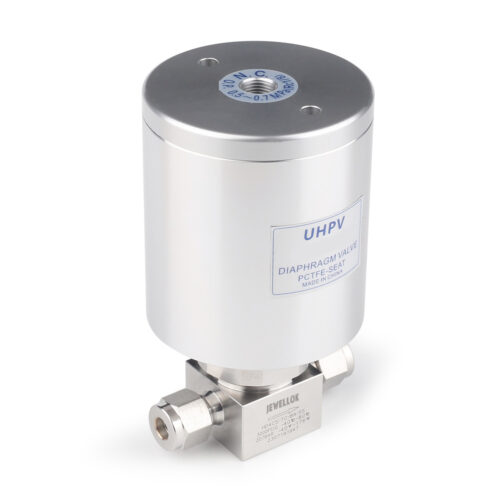
วาล์วไดอะแฟรมลมสเตนเลส 316L ความบริสุทธิ์สูงและความดันสูงสำหรับก๊าซพิเศษในห้องปฏิบัติการ
-
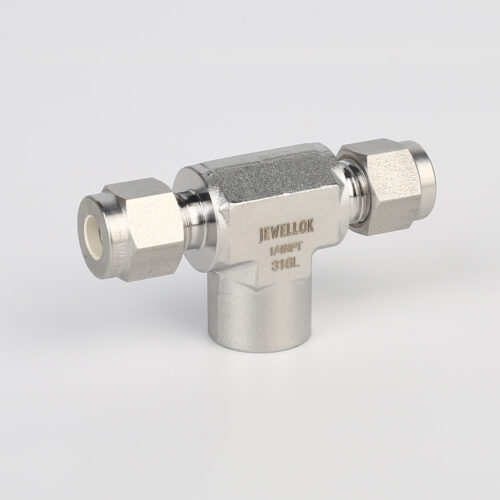
772 LF ข้อต่อสามทางตัวเมีย | ข้อต่อท่อสแตนเลส ข้อต่อสามทางตัวเมีย ขนาดเส้นผ่านศูนย์กลางภายนอกท่อ 1/2 นิ้ว x เส้นผ่านศูนย์กลางภายนอกท่อ 1/2 นิ้ว x เกลียวตัวเมีย NPT 3/8 นิ้ว
-
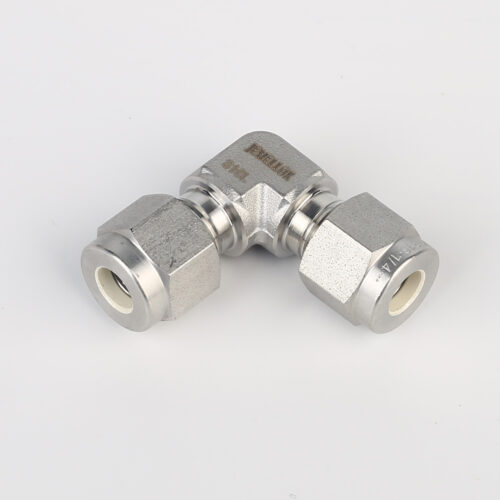
ข้อต่อสแตนเลสลดขนาดทรงยูเนี่ยน ข้องอ 765L ความบริสุทธิ์สูง สำหรับต่อท่อและขยายท่อ
-

กล่องวาล์วจ่ายสารเคมีเหลว หน่วยจ่ายสารเคมี อุปกรณ์บรรจุสารเคมีแบบกึ่งอัตโนมัติและอัตโนมัติเต็มรูปแบบ
-
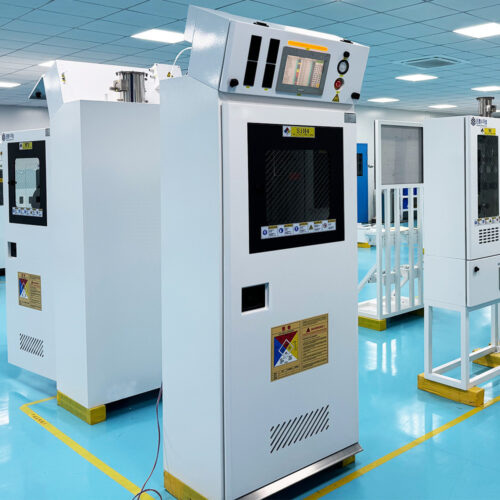
ตู้แก๊สอัตโนมัติเต็มรูปแบบสำหรับการจ่ายแก๊สความบริสุทธิ์สูงพิเศษ (UHP) และระบบจ่ายแก๊สความบริสุทธิ์สูง JW-300-GC
-
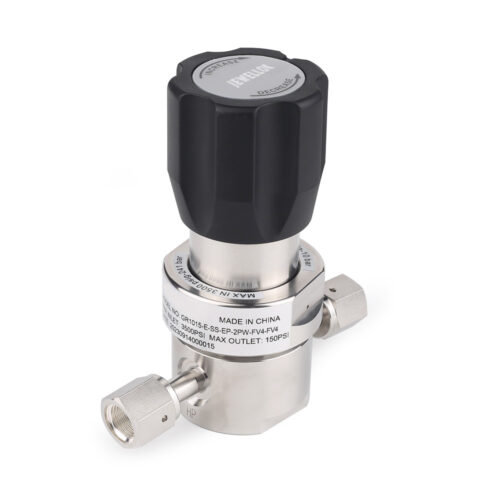
วาล์วลดแรงดันก๊าซบริสุทธิ์สูงพิเศษ ผลิตจากสแตนเลส 316L Vim Var สำหรับการจ่ายก๊าซที่มีฤทธิ์กัดกร่อน
-
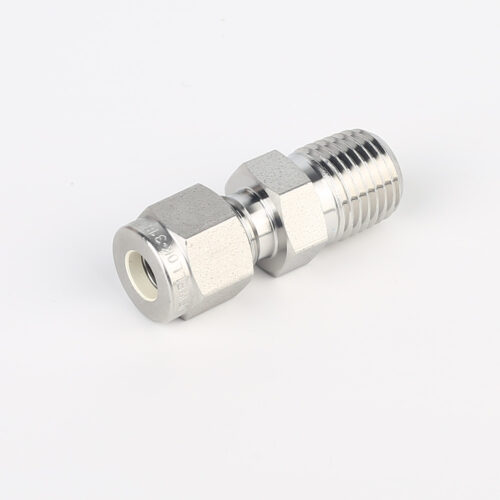
ข้อต่อท่อตัวผู้เชื่อมชนสเตนเลส 768L ขนาด 768L | ข้อต่อเชื่อมสะอาดและข้อต่องานบริสุทธิ์สูงเป็นพิเศษ
-
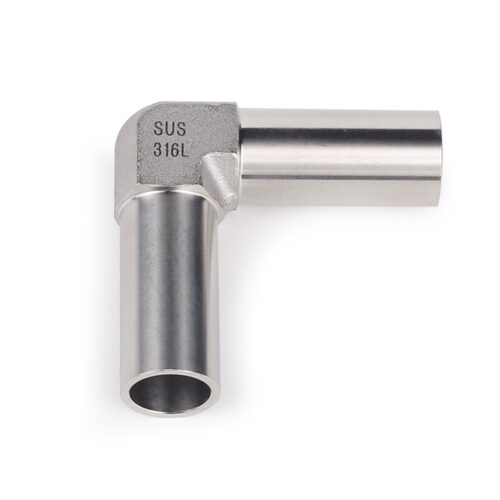
ข้อต่อท่อขนาดเล็กแบบเชื่อมชน ทำจากสแตนเลสความบริสุทธิ์สูง สำหรับอุตสาหกรรมเซมิคอนดักเตอร์