
Valves Manufacturer Tel: +86 13380377051
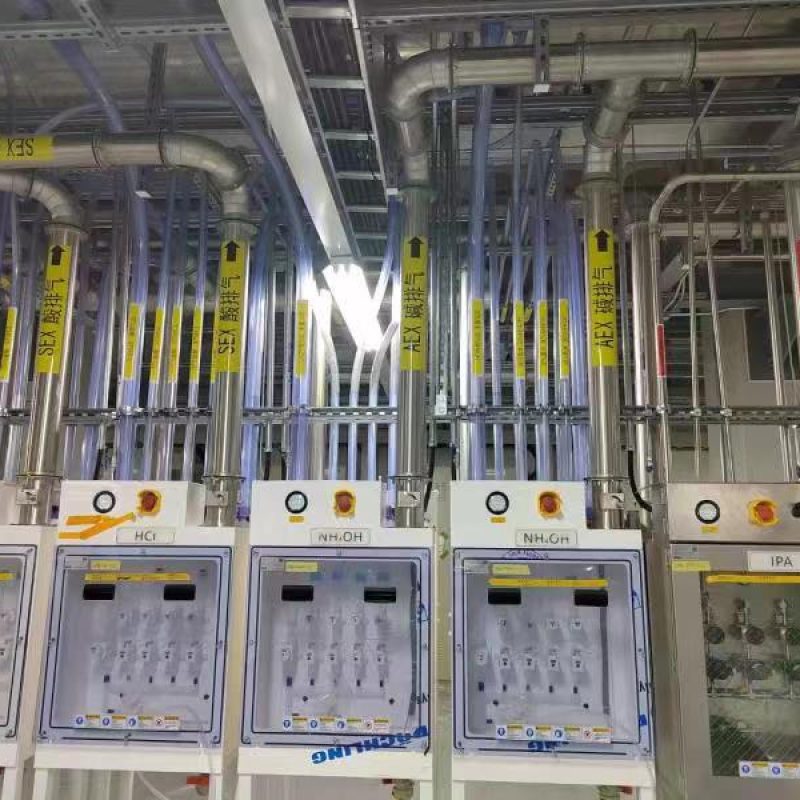
The Backbone of Precision Manufacturing: The Role and Application of Chemical Delivery Systems (CDS)
In the landscape of modern high-tech manufacturing, the margin between success and failure is often measured in nanometers and parts per billion. Whether fabricating a 3-nanometer semiconductor chip, producing a high-efficiency photovoltaic cell, or synthesizing a life-saving biopharmaceutical, the one constant across these industries is the reliance on ultra-pure, precisely delivered chemicals. At the heart of this infrastructure lies the Chemical Delivery System (CDS) . Far more than simple plumbing, a CDS is a sophisticated, integrated engineering solution designed to store, distribute, monitor, and control the flow of process chemicals with absolute precision, safety, and purity.
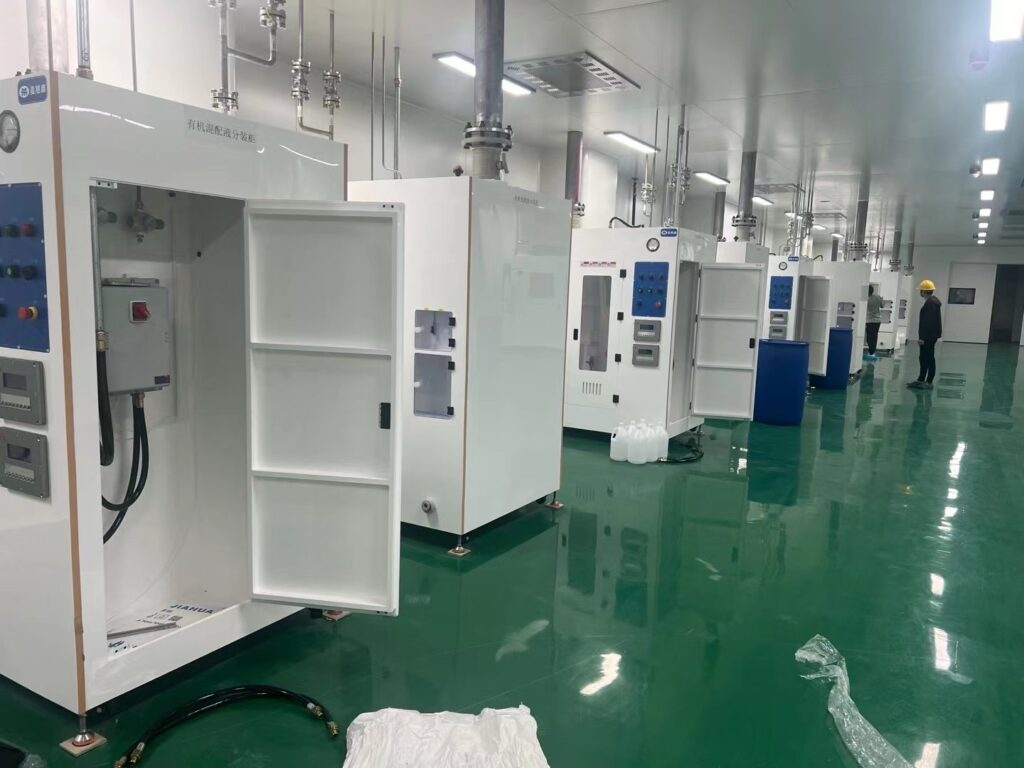
Defining the Chemical Delivery System
A Chemical Delivery System is a centralized or point-of-use apparatus that manages the supply of chemicals—ranging from inert solvents to highly corrosive acids and pyrophoric gases—from a source container (such as a drum, tote, or gas cylinder) to the point of consumption, typically a process tool like an etcher, deposition chamber, or lithography track.
The core philosophy of a modern CDS is threefold: containment, control, and continuity. It must contain hazardous materials to eliminate risk to personnel and the environment; it must control the flow rate, pressure, temperature, and concentration with extreme accuracy to ensure process repeatability; and it must provide continuity of supply to prevent costly manufacturing downtime.
A typical CDS architecture consists of several critical sub-systems:
-
Containment and Isolation: Enclosures with exhaust ventilation, secondary containment basins, and automated isolation valves.
-
Fluid Handling Components: High-purity pumps, mass flow controllers (MFCs), pressure regulators, and chemically inert tubing (typically PFA, PTFE, or electropolished stainless steel).
-
Control and Automation: Programmable Logic Controllers (PLCs), Human-Machine Interfaces (HMIs), and Supervisory Control and Data Acquisition (SCADA) systems for real-time monitoring.
-
Safety Interlocks: Gas detection sensors, leak detectors, emergency shut-off (ESO) buttons, and fire suppression systems.
Critical Functions of a CDS
To appreciate the value of a CDS, one must understand the specific engineering functions it performs that raw manual handling cannot achieve.
1. Precision Delivery and Metrology
In semiconductor manufacturing, a chemical’s flow rate can directly dictate the etch rate of a silicon wafer or the thickness of a deposited film. A CDS utilizes high-accuracy mass flow controllers (MFCs) and digital pressure sensors to maintain flow rates within a tolerance of ±1% or better. For Chemical Mechanical Planarization (CMP) slurries, the system must manage the delivery of abrasive particles without allowing settling or agglomeration, ensuring uniformity across a 300mm wafer.
2. Purity Maintenance
Contamination is the arch-enemy of yield. A single particle of metal ions or airborne molecular contamination (AMC) can render a semiconductor die useless. CDSs are engineered to maintain “wetted path” integrity—the surfaces that come into contact with the chemical. This involves using high-purity materials that do not leach contaminants, along with design strategies that eliminate dead legs where particles could stagnate and grow. Advanced systems also incorporate filtration units directly into the delivery path to ensure that the chemical meets the stringent purity requirements of the process tool.
3. Safety and Risk Mitigation
Many chemicals used in modern manufacturing are inherently dangerous. For instance, in semiconductor fabs, gases like arsine (AsH₃) and phosphine (PH₃) are toxic even at parts-per-million levels, while liquids like hydrofluoric acid (HF) cause severe chemical burns. A CDS automates safety through features such as:
-
Gas Cabinet Integration: For hazardous gases, the CDS operates within a negative-pressure gas cabinet equipped with auto-switching cylinders and purge cycles to prevent exposure during cylinder changes.
-
Leak Detection and Shutdown: Sensors detect micro-leaks and trigger immediate pneumatic valve closure, isolating the source before a significant release occurs.
-
Electrostatic Discharge (ESD) Protection: For flammable solvents, the system ensures grounding and bonding to prevent static sparks.
4. Supply Redundancy and Changeover
Manufacturing lines operate 24/7. A CDS typically features a “dual-head” design—two sources connected in parallel. When the primary source runs low, the system automatically switches to the secondary source (auto-changeover) without interrupting flow. This allows operators to replace empty drums or cylinders safely during normal operations, a concept known as “continuous run” capability.
Key Applications Across Industries
The design and complexity of a Chemical Delivery System vary significantly depending on the industry and the specific chemicals involved. The following sections detail the primary application domains.
Semiconductor Manufacturing (Front-End and Back-End)
The semiconductor industry is the most demanding consumer of advanced CDS technology. A modern fab (fabrication plant) may contain hundreds of CDS units, categorized by the type of chemical they handle.
-
Bulk Chemical Delivery: This involves the distribution of large volumes of common chemicals like sulfuric acid (H₂SO₄), hydrogen peroxide (H₂O₂), and ammonium hydroxide (NH₄OH) from centralized tank farms to the process tools. These bulk CDS systems manage the “last mile” delivery, ensuring pressure and flow consistency across the fab’s sprawling layout.
-
Specialty Gas Delivery: For processes like Atomic Layer Deposition (ALD) and Metal-Organic Chemical Vapor Deposition (MOCVD), the CDS handles precursors such as tetraethyl orthosilicate (TEOS), tungsten hexafluoride (WF₆), and titanium tetrachloride (TiCl₄). These systems often require heated lines to prevent condensation and precise vapor pressure control.
-
Slurry Delivery for CMP: CMP slurries are colloidal suspensions that require constant agitation. A CDS for slurry distribution uses recirculation loops to keep particles suspended and viscosity sensors to monitor consistency. Advanced systems blend the abrasive slurry with chemical oxidizers at the point-of-use to maximize shelf life and process control.
-
Photochemical Delivery: Photoresists and anti-reflective coatings are expensive and sensitive to temperature. The CDS must deliver these at microliter precision, often using “bubble-free” dispensing technologies to prevent defects during photolithography.
Photovoltaic (Solar) Manufacturing
While the PV industry uses similar chemistries to semiconductors, the scale is vastly different, and cost-efficiency is paramount. Solar cell manufacturing relies heavily on wet chemical processing for texturing, etching, and cleaning.
CDS in PV fabs manage the delivery of large quantities of hydrofluoric acid (HF) , nitric acid (HNO₃) , and potassium hydroxide (KOH) . Given the high throughput (processing thousands of wafers per hour), the CDS focuses on high-flow-rate delivery and rapid drain capabilities. Environmental, Health, and Safety (EHS) considerations are critical here, as the volumes of concentrated acids used are significantly higher than in semiconductor fabs. Automated CDS units ensure that these chemicals are mixed to precise ratios (e.g., HF/HNO₃ mixtures for isotropic etching) without exposing operators to dangerous fumes.
Pharmaceutical and Biotechnology
In the biopharma sector, the “chemical” is often a buffer solution, a growth medium, or a solvent used in drug synthesis. Here, the CDS is governed by Good Manufacturing Practice (GMP) regulations.
Unlike the semiconductor industry, which prioritizes particle count, the pharmaceutical CDS prioritizes sterility, traceability, and batch integrity. Single-use (disposable) CDS components, such as silicone tubing and pre-sterilized bags, have gained immense popularity. These systems perform automated buffer management, where concentrated stock solutions are blended with Water for Injection (WFI) in real-time to create specific pH and conductivity levels required for chromatography or fermentation processes. The CDS logs every parameter—flow rate, volume dispensed, temperature—to provide a digital audit trail for regulatory compliance.
Flat Panel Display (FPD) and Advanced Packaging
The manufacturing of large-screen OLED and LCD displays involves processing massive glass substrates, often exceeding 3 meters in width. This scale demands a CDS with extremely high flow rates for developers, etchants, and strippers. The challenge in FPD manufacturing is maintaining uniformity across such a large surface area. The CDS must deliver chemicals through specialized nozzles (slot nozzles) with flow profiles that ensure the entire glass sheet is treated uniformly. Similarly, in advanced semiconductor packaging (such as 3D-IC and fan-out wafer-level packaging), CDS units manage the precise dispensing of underfill materials, soldering fluxes, and electroplating chemistries used to build copper pillars and micro-bumps.
Trends Shaping the Future of CDS
As manufacturing processes become more complex and environmental regulations tighten, the Chemical Delivery System is evolving rapidly.
1. Digitalization and Industry 4.0
Modern CDS units are no longer standalone; they are integral nodes in the Industrial Internet of Things (IIoT). Predictive analytics algorithms monitor pump diaphragm life, valve cycle counts, and pressure trends to predict failures before they occur. Digital twins—virtual replicas of the physical CDS—allow engineers to simulate chemical blending recipes or troubleshoot flow issues without halting production.
2. Sustainability and Circular Economy
The cost of chemical procurement and waste disposal is a major factor in manufacturing. Advanced CDS now incorporates bath management systems that monitor the contamination levels of chemical baths in real-time. Instead of dumping a bath after a fixed number of cycles, the CDS adds replenishment chemistries to extend the bath’s life, reducing chemical consumption by 20-30%. Furthermore, systems are being designed for bulk chemical distribution to eliminate the waste associated with small packaging, such as 5-gallon bottles and 200-liter drums.
3. Extreme Purity for New Materials
As the industry transitions to new materials like Gallium Nitride (GaN) for power electronics or new high-k metal gates for logic chips, the CDS must adapt. Liquid precursors for vapor deposition, often solid at room temperature, require specialized CDS with heated cabinets, precise sublimation control, and carrier gas management to ensure consistent delivery to the deposition chamber.
4. Enhanced Safety Architecture
With the increasing use of pyrophoric (air-igniting) and highly toxic materials, safety standards are becoming more stringent. Future CDS designs are moving toward fully automated cylinder change-out (auto-change) using robotics, removing the operator from the hazardous task of connecting gas lines. Additionally, “pigtail” purge logic is becoming more sophisticated, using inert gas (nitrogen) to evacuate every connection point multiple times before and after a cylinder is disconnected, ensuring zero release of toxins to the atmosphere.

Conclusion
The Chemical Delivery System is a quintessential example of the infrastructure that enables the modern technological world. While the end-products—smartphones, electric vehicles, solar panels, and life-saving medicines—capture the public’s imagination, it is the CDS that provides the hidden, yet critical, capability to manufacture them at scale, with consistent quality and uncompromising safety.
From the sub-fab level of a semiconductor cleanroom to the sterile suites of a biotech facility, the CDS performs a dual role: it acts as a guardian against the inherent risks of handling hazardous substances, and it functions as a precision instrument, ensuring that the exact molecule, in the exact quantity, reaches the exact point where it is needed. As manufacturing processes continue to push the boundaries of physics—moving toward atomic-scale precision and gigawatt-scale energy production—the Chemical Delivery System will remain a foundational pillar, evolving in complexity and intelligence to meet the demands of the next generation of technology.
For more about the backbone of precision manufacturing: the role and application of chemical delivery system (cds), you can pay a visit to Jewellok at https://www.jewellok.com/product-category/chemical-delivery-system/ for more info.
-
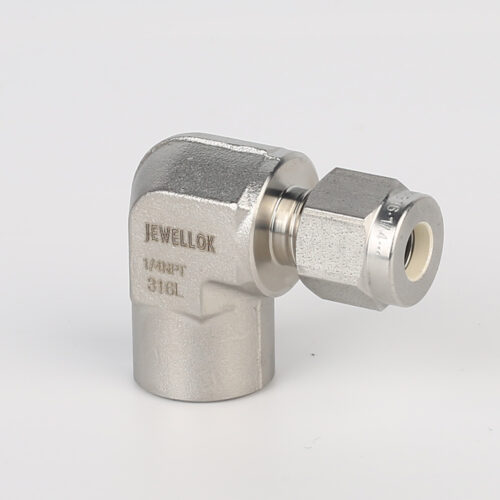
770L Female Elbow | Stainless Steel High Purity Weld Fittings Female Micro Elbow Fittings
-

Ultra High Purity Liquid Chemical Delivery System And Bulk Chemical Delivery Handling System For Semiconductor Cleanrooms
-
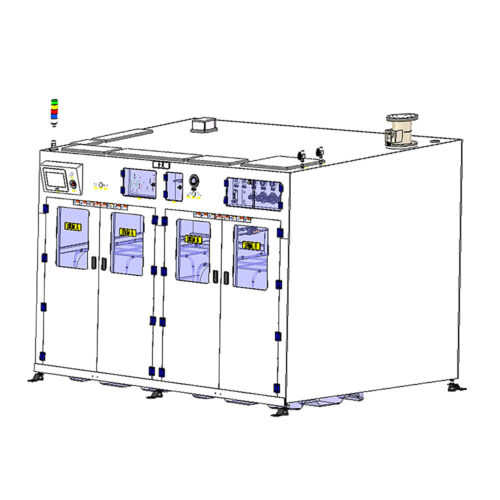
High Purity Chemical Dispense System & Packing System For Semiconductors JW-200L-CDM & JW-1000L-CDM
-
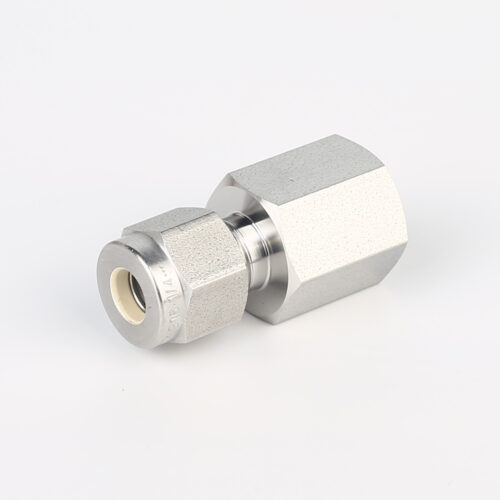
766L High Purity Female Connector UHP Fitting Female Connector
-
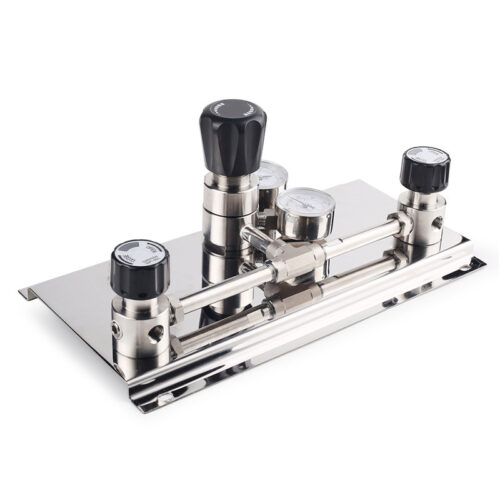
High Purity Semi-Auto Stainless Steel Changeover Manifold System, Nitrogen High Pressure Control Panel With Semiconductor Valve Manifold Box Diaphragm Valves
-
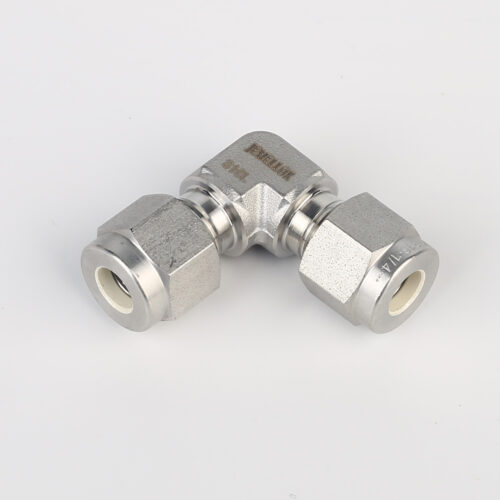
765L Stainless Steel Union Elbow Reducing High Purity Fitting Tubing Extension Tubing Connection
-
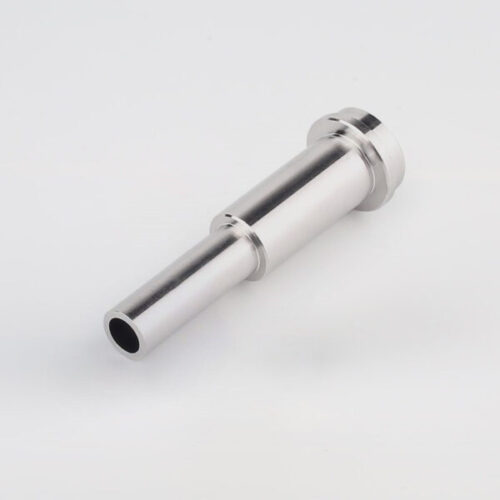
Long Gland LG Series For Ultra High Purity Gas And Chemical Delivery Systems
-
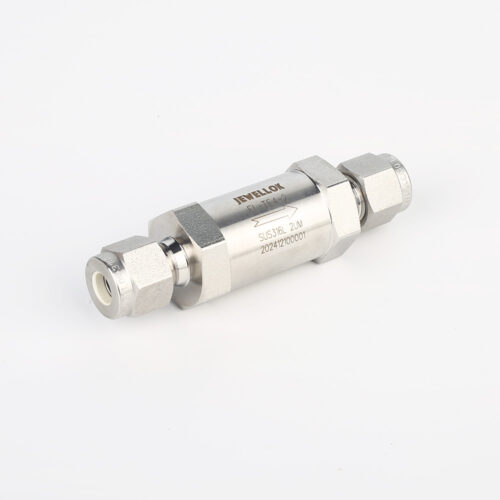
JF Series In-Line Gas Filters | High Purity High Precision High Flow Semiconductor Gas Filter Gas Filtration & Purification