




















Valves Manufacturer Tel: +86 13380377051
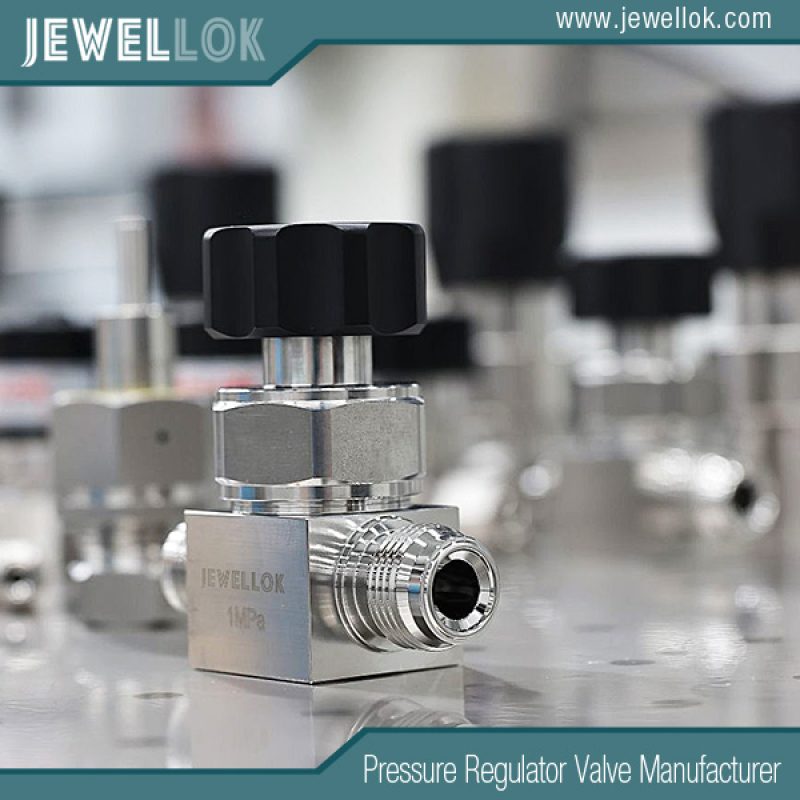
What Is a Needle Valve? Working Principle, Types and Applications
Introduction
In fluid and gas control systems, precise flow regulation is essential for maintaining process stability, safety, and operational efficiency. Among the various types of industrial valves available, the needle valve is widely recognized for its ability to provide accurate flow control in low-flow applications. From semiconductor manufacturing and analytical instrumentation to hydraulic systems and high-purity gas delivery networks, needle valves play a critical role in controlling pressure and flow with exceptional precision.
This article explores what a needle valve is, how it works, its main types, advantages, and common industrial applications.
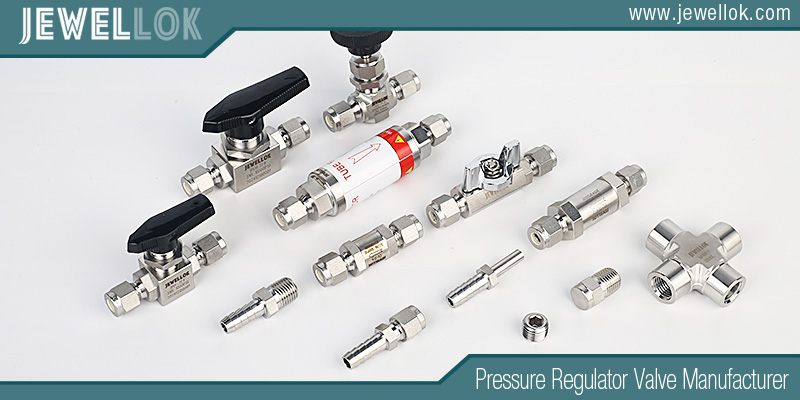
What Is a Needle Valve?
A needle valve is a specialized flow control valve designed to regulate the flow rate of liquids or gases with high precision. It derives its name from the long, tapered, needle-shaped stem that moves into and out of a matching seat to control fluid passage.
Unlike ball valves or gate valves that are primarily intended for full-open or full-close operation, needle valves are specifically engineered for fine throttling and flow adjustment. The gradual movement of the needle allows operators to make very small changes in flow rate, making these valves ideal for sensitive process control applications.
Needle valves are commonly manufactured from stainless steel, brass, carbon steel, and other corrosion-resistant materials, depending on the operating environment and media compatibility requirements.
Main Components of a Needle Valve
Although needle valves come in different designs, most consist of the following components:
1. Valve Body
The valve body forms the primary pressure-containing structure and houses the internal flow path. It is typically made from stainless steel or brass for durability and corrosion resistance.
2. Needle Stem
The needle stem is the defining feature of the valve. It has a long, tapered tip that gradually enters the valve seat to regulate flow.
3. Valve Seat
The seat provides the sealing surface against which the needle stem closes. Precision machining ensures leak-tight performance.
4. Bonnet
The bonnet secures the stem assembly and helps maintain system pressure integrity.
5. Packing and Seals
Packing materials prevent leakage around the stem while allowing smooth operation.
6. Handwheel or Actuator
Most needle valves are manually operated using a handwheel. Automated versions may utilize pneumatic or electric actuators.
Working Principle of a Needle Valve
The operation of a needle valve is relatively simple yet highly effective.
When the operator rotates the handwheel, the threaded stem moves the needle-shaped plunger upward or downward. As the needle approaches the valve seat, the flow passage gradually decreases, reducing the fluid flow rate. When the needle completely contacts the seat, flow is stopped.
Conversely, rotating the stem in the opposite direction retracts the needle from the seat, increasing the opening and allowing more fluid to pass through.
Because the needle tip is tapered, the change in flow area occurs gradually rather than suddenly. This design enables highly accurate flow adjustments and minimizes pressure surges.
The fine-threaded stem provides enhanced control, allowing operators to make incremental flow changes that would be difficult to achieve with other valve types.
Types of Needle Valves
Various needle valve configurations are available to suit different industrial requirements.
1. Standard Needle Valve
This is the most common design used in industrial fluid control systems. It features a threaded stem and tapered needle for accurate flow regulation.
Applications include:
- Instrumentation systems
- Pressure gauges
- Laboratory equipment
- Gas sampling systems
2. Fine Metering Needle Valve
Fine metering valves are designed for extremely precise flow adjustments.
Features include:
- High-resolution stem threads
- Low flow coefficients
- Exceptional repeatability
Applications include:
- Analytical instruments
- Chromatography systems
- Calibration equipment
3. Angle Needle Valve
An angle needle valve changes flow direction by 90 degrees while providing flow regulation.
Advantages include:
- Reduced piping requirements
- Compact installation
- Improved flow path efficiency
Applications include:
- Hydraulic systems
- Instrument panels
- Space-constrained installations
4. High-Pressure Needle Valve
These valves are designed to withstand extremely high operating pressures.
Features include:
- Heavy-duty construction
- Reinforced valve body
- Enhanced sealing systems
Applications include:
- Oil and gas facilities
- Hydraulic testing equipment
- Chemical processing plants
5. UHP Needle Valve
Ultra High Purity (UHP) needle valves are manufactured for semiconductor and pharmaceutical industries.
Characteristics include:
- Electropolished internal surfaces
- Low particle generation
- High-purity stainless steel materials
- Cleanroom compatibility
Applications include:
- Semiconductor gas delivery systems
- Specialty gas panels
- Pharmaceutical production equipment
Advantages of Needle Valves
Needle valves offer several significant benefits compared to other valve types.
Precise Flow Control
The primary advantage is accurate flow regulation. Operators can make very small adjustments to achieve desired process conditions.
Excellent Leak Tightness
High-quality needle valves provide reliable shutoff performance and minimal leakage.
Pressure Regulation Capability
Needle valves effectively manage pressure drops and system balancing.
Compact Design
Their relatively small size makes them suitable for instrumentation and confined spaces.
Durability
Manufactured from robust materials, needle valves can withstand demanding industrial environments.
Versatility
They can handle a wide range of gases, liquids, and process fluids.
Limitations of Needle Valves
Despite their advantages, needle valves are not suitable for every application.
Slow Operation
Multiple handwheel turns are often required to fully open or close the valve.
Not Ideal for Large Flow Rates
The small orifice design limits flow capacity.
Potential Wear During Throttling
Continuous operation in erosive services may gradually wear the needle and seat.
Higher Pressure Drop
The restricted flow path can create larger pressure losses compared to full-port valves.
Understanding these limitations helps engineers select the appropriate valve for each application.
Needle Valve vs Ball Valve
Needle valves and ball valves serve different purposes within fluid systems.
| Feature | Needle Valve | Ball Valve |
|---|---|---|
| Flow Control | Excellent | Limited |
| On/Off Service | Good | Excellent |
| Precision Adjustment | Very High | Low |
| Operating Speed | Slow | Fast |
| Flow Capacity | Lower | Higher |
| Pressure Drop | Higher | Lower |
Ball valves are generally preferred for isolation, while needle valves excel in precise throttling applications.
Common Applications of Needle Valves
Semiconductor Manufacturing
Modern semiconductor fabrication facilities require extremely precise control of specialty gases.
Needle valves are commonly installed in:
- Gas cabinets
- Gas panels
- Chemical delivery systems
- Analytical instruments
- Purge gas lines
Their high purity construction helps prevent contamination during wafer manufacturing processes.
Instrumentation Systems
Needle valves are extensively used in instrumentation applications such as:
- Pressure gauges
- Pressure transmitters
- Differential pressure measurement
- Flow meters
They allow operators to isolate instruments and regulate pressure safely.
Oil and Gas Industry
The oil and gas sector utilizes needle valves for:
- Sampling systems
- Hydraulic controls
- Pressure testing
- Chemical injection systems
High-pressure designs provide reliable performance under demanding conditions.
Chemical Processing Plants
Chemical facilities rely on needle valves for accurate dosing and flow regulation.
Applications include:
- Corrosive chemical handling
- Process sampling
- Catalyst injection
- Laboratory testing
Power Generation
Power plants use needle valves in:
- Steam systems
- Instrument air systems
- Cooling water circuits
- Boiler control systems
Hydraulic and Pneumatic Systems
Needle valves help regulate actuator speeds and maintain precise control in hydraulic and pneumatic circuits.
Material Selection for Needle Valves
Selecting the proper material is critical for valve performance and longevity.
Stainless Steel 316/316L
Most commonly used for:
- Corrosion resistance
- High-pressure service
- Industrial gases
- Chemical processing
Brass
Suitable for:
- Water systems
- Air systems
- General industrial service
Carbon Steel
Often used in:
- High-pressure applications
- Oil and gas installations
Specialty Alloys
Materials such as Hastelloy, Monel, and Inconel are selected for highly corrosive or extreme-temperature environments.
Factors to Consider When Choosing a Needle Valve
Engineers should evaluate several factors before selecting a needle valve:
Operating Pressure
Ensure the valve pressure rating exceeds system requirements.
Temperature Range
Verify compatibility with process temperatures.
Media Compatibility
Materials must resist corrosion and chemical attack.
Flow Requirements
Determine the required flow coefficient (Cv).
Connection Type
Common options include:
- Compression fittings
- NPT threaded connections
- Tube fittings
- Weld connections
- VCR fittings
Purity Requirements
Semiconductor and pharmaceutical processes often require UHP-certified components.
Maintenance and Inspection
Regular maintenance extends valve service life and ensures reliable operation.
Recommended practices include:
- Inspecting for leakage
- Checking stem operation
- Verifying packing integrity
- Monitoring seat wear
- Cleaning contamination buildup
- Replacing worn seals when necessary
Proper preventive maintenance minimizes downtime and improves process reliability.
Conclusion
Needle valves are indispensable components in modern fluid and gas control systems. Their unique tapered stem design allows precise flow regulation, accurate pressure control, and dependable shutoff performance. Whether used in semiconductor manufacturing, laboratory instrumentation, oil and gas facilities, chemical processing plants, or hydraulic systems, needle valves provide the fine control necessary for critical industrial processes.
By understanding their working principle, available types, material options, and application requirements, engineers can select the most suitable needle valve for optimal system performance, safety, and long-term reliability. As industrial processes continue to demand greater precision and efficiency, needle valves remain one of the most effective solutions for accurate flow management.
For more about what is a needle valve? Working principle, types and applications, you can pay a visit to Jewellok at https://www.jewellok.com/product-category/chemical-delivery-system/ for more info.
-

Organic Chemical Automatic Liquid Supply System Chemical Delivery And Waste Collection Systems CDS And CDM
-
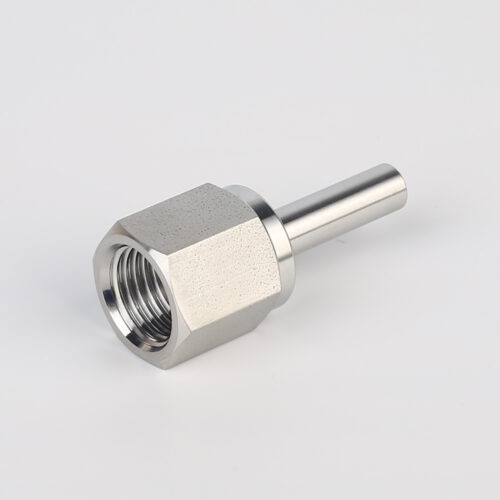
739LF High Purity Female Adapter Tube To Pipe Fittings And Connectors
-
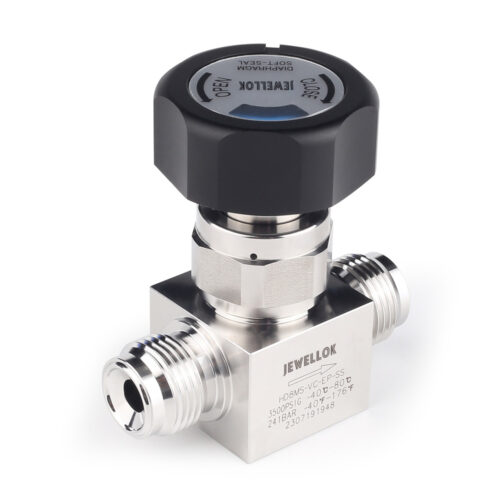
Stainless Steel Ultra High Purity (UHP) High Pressure Manual Diaphragm Valve
-

Liquid Chemical Delivery Module And Chemical Delivery System Semiconductor Chemical Automatic Liquid Supply Equipment
-
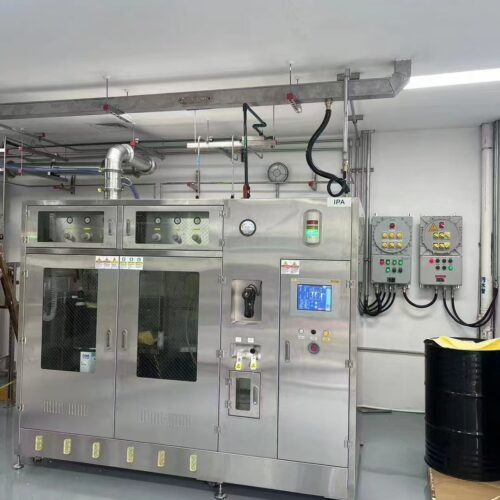
Precision Liquid Chemical Delivery Module (CDM) with PLC Control for Parts-Per-Trillion Purity in Solar Cell Production
-
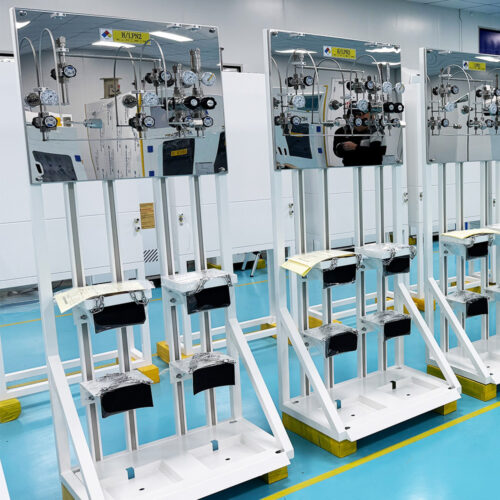
Semi-Automatic VMB Gas Cabinet With Semiconductor Valve Manifold Box Diaphragm Valves And Gas Pressure Regulators
-
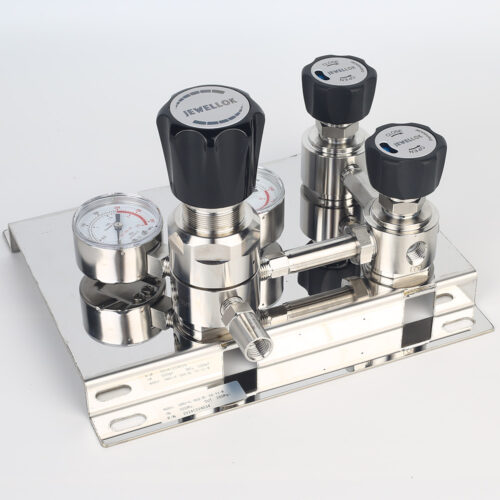
Stainless Steel 316L Single Stage Regulator Pressure Control Panels JSP-1E Series For Semiconductor Fluid Control
-
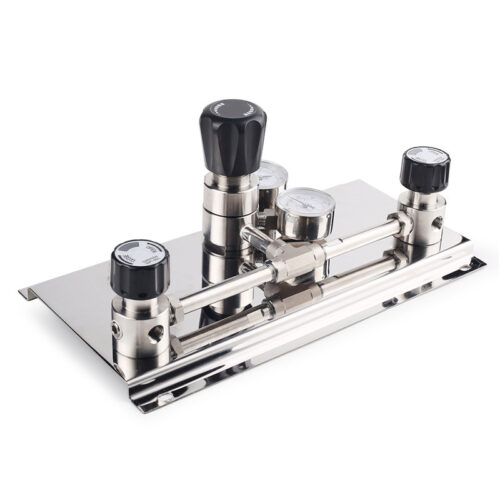
Hydrogen Manifold Argon Gas Manifold System Oxygen Manifold Propane Gas Manifold With Valves In Gas Manifold Changeover System