
Valves Manufacturer Tel: +86 13380377051

Ultra High Purity Diaphragm Valves in Biotechnology: Ensuring Contamination-Free Flow
Biotechnology processes demand an extraordinary level of cleanliness, precision, and reliability. Whether in biopharmaceutical production, vaccine development, or cell culture systems, even the slightest contamination can compromise product integrity, reduce yield, or pose serious safety risks. Within this highly controlled environment, fluid handling components play a critical role. Among them, ultra high purity (UHP) diaphragm valves stand out as essential devices for maintaining sterile and contamination-free flow.
UHP diaphragm valves are specifically engineered to meet the stringent hygienic and operational requirements of biotechnology industries. Their unique design, material selection, and surface finishing make them indispensable in applications where purity is non-negotiable. This article explores the working principles, design characteristics, material considerations, and applications of UHP diaphragm valves, along with their importance in ensuring contamination-free flow in biotechnology systems.
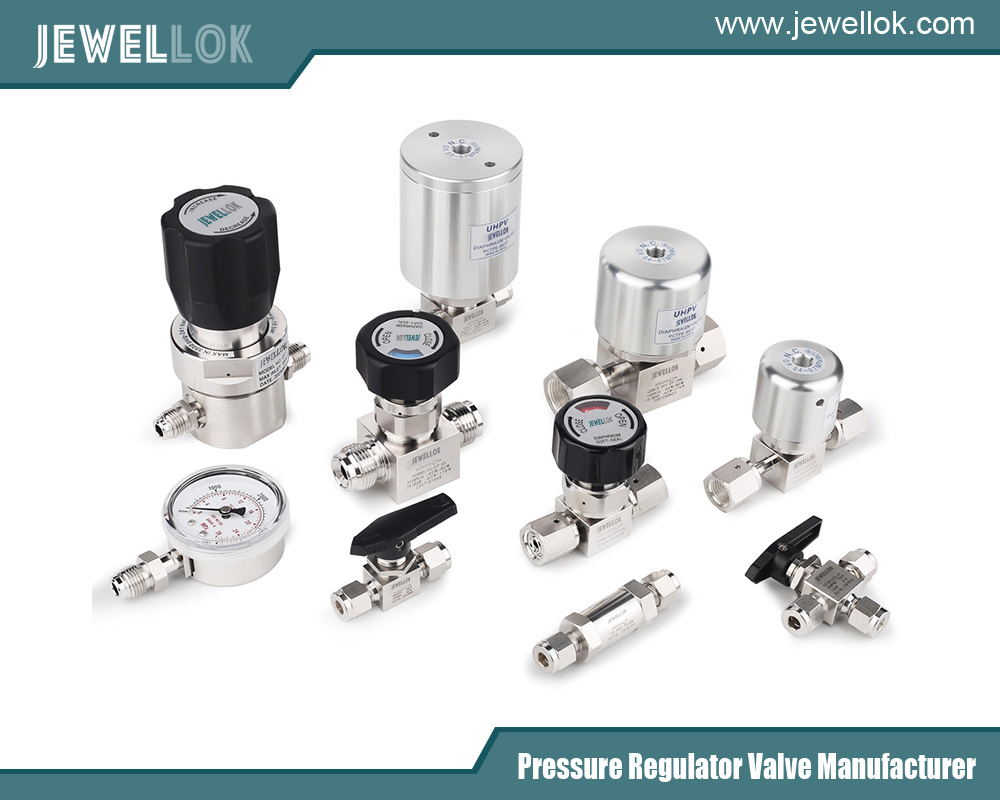
Working Principle of Diaphragm Valves
A diaphragm valve operates by using a flexible membrane (the diaphragm) to regulate fluid flow. The diaphragm is typically made from elastomeric or polymeric materials and is pressed against a weir or seat within the valve body to shut off flow. When the actuator lifts the diaphragm, fluid passes through the valve unobstructed.
The key advantage of this mechanism lies in the complete isolation between the fluid and the valve’s mechanical components. Unlike traditional valves (such as ball or gate valves), diaphragm valves prevent the process fluid from contacting moving parts like stems or springs. This eliminates dead zones and reduces the risk of contamination buildup.
In UHP diaphragm valves, this principle is refined further to ensure minimal particle generation, zero leakage, and complete drainability—critical features for biotechnology applications.
Design Features for Ultra High Purity Applications
UHP diaphragm valves are designed with several advanced features that distinguish them from standard industrial valves:
1. Crevice-Free Flow Path
The internal geometry of UHP valves is optimized to eliminate dead legs and crevices where contaminants or microbes could accumulate. Smooth contours ensure laminar flow and easy cleaning.
2. Minimal Dead Volume
Dead volume refers to areas where fluid can stagnate. UHP diaphragm valves are designed to minimize such spaces, reducing the risk of microbial growth and cross-contamination.
3. Self-Draining Capability
Proper valve orientation and internal design allow complete drainage of fluids, which is essential during cleaning-in-place (CIP) and sterilization-in-place (SIP) processes.
4. High Surface Finish Quality
Internal surfaces are polished to extremely low roughness levels (often ≤ 0.4 µm Ra). This prevents particle adhesion and facilitates effective cleaning.
5. Hermetic Sealing
The diaphragm provides a tight seal, ensuring zero leakage and preventing external contaminants from entering the system.
Materials and Surface Treatments
Material selection is critical for UHP diaphragm valves used in biotechnology. Components must be chemically inert, corrosion-resistant, and compatible with sterilization processes.
Valve Body Materials
- 316L Stainless Steel: The most commonly used material due to its excellent corrosion resistance and biocompatibility.
- Special Alloys: In certain aggressive environments, alloys such as Hastelloy may be used.
Diaphragm Materials
- PTFE (Polytetrafluoroethylene): Offers excellent chemical resistance and low extractables.
- EPDM (Ethylene Propylene Diene Monomer): Provides flexibility and good sealing properties.
- Composite Diaphragms: Combine PTFE and elastomers to achieve both chemical resistance and mechanical durability.
Surface Treatments
Electropolishing is widely used to achieve ultra-smooth internal surfaces. This process removes microscopic imperfections and enhances corrosion resistance. Passivation further improves the formation of a protective oxide layer on stainless steel surfaces.
Compliance with Industry Standards
UHP diaphragm valves must meet strict regulatory and industry standards to ensure safety and performance in biotechnology applications. Key standards include:
- ASME BPE (Bioprocessing Equipment): Defines requirements for design, materials, surface finish, and testing.
- FDA (Food and Drug Administration): Ensures materials are suitable for contact with pharmaceutical products.
- USP Class VI: Verifies the biocompatibility of polymer materials.
- EHEDG (European Hygienic Engineering & Design Group): Provides guidelines for hygienic equipment design.
Compliance with these standards ensures that valves can be safely used in critical processes such as drug manufacturing and sterile filtration.
Applications in Biotechnology
UHP diaphragm valves are widely used across various biotechnology processes:
1. Biopharmaceutical Production
In the manufacturing of monoclonal antibodies, vaccines, and recombinant proteins, maintaining sterility is essential. UHP valves control the flow of media, buffers, and active ingredients without introducing contaminants.
2. Cell Culture Systems
Cell cultures are highly sensitive to environmental conditions. UHP diaphragm valves ensure that nutrients and gases are delivered in a contamination-free manner.
3. Fermentation Processes
During fermentation, microbial growth must be carefully controlled. UHP valves help maintain sterile conditions while allowing precise flow regulation.
4. Water for Injection (WFI) Systems
WFI systems require the highest level of purity. UHP diaphragm valves are used to distribute and control ultrapure water without compromising quality.
5. Cleanroom Fluid Handling
In cleanroom environments, even microscopic particles can be problematic. UHP valves are designed to operate without generating particles, ensuring compliance with cleanroom standards.
Role in CIP and SIP Processes
Cleaning-in-place (CIP) and sterilization-in-place (SIP) are essential for maintaining hygiene in biotechnology systems. UHP diaphragm valves are specifically designed to support these processes:
- CIP Compatibility: Smooth surfaces and self-draining designs allow cleaning solutions to effectively remove residues.
- SIP Resistance: Materials and seals can withstand high temperatures and pressures during steam sterilization.
- No Disassembly Required: Valves can be cleaned and sterilized without being removed from the system, reducing downtime and contamination risk.
Advantages Over Other Valve Types
Compared to other valve types, UHP diaphragm valves offer several advantages in biotechnology applications:
- Superior Hygiene: No contact between fluid and moving parts minimizes contamination risk.
- Ease of Cleaning: Smooth, crevice-free surfaces simplify CIP/SIP processes.
- Leak-Free Operation: Hermetic sealing ensures system integrity.
- Durability: High-quality materials provide long service life even under harsh conditions.
- Process Reliability: Consistent performance reduces the likelihood of batch failures.
Challenges and Considerations
Despite their advantages, UHP diaphragm valves also present certain challenges:
1. Diaphragm Wear
The diaphragm is a wear component and must be periodically replaced to maintain performance.
2. Cost
UHP valves are more expensive than standard valves due to their specialized design and materials.
3. Installation and Orientation
Proper installation is critical to ensure self-draining and optimal performance.
4. Validation Requirements
Biotechnology systems require extensive validation, and valve selection must align with process validation protocols.
Future Trends and Innovations
As biotechnology continues to evolve, so do the requirements for fluid handling systems. Emerging trends in UHP diaphragm valve technology include:
- Automation and Smart Valves: Integration with sensors and control systems for real-time monitoring and predictive maintenance.
- Advanced Materials: Development of new polymers and coatings with lower extractables and improved durability.
- Single-Use Systems: Increasing adoption of disposable components in biotech processes, though diaphragm valves remain essential in hybrid systems.
- Enhanced Surface Technologies: Innovations in surface finishing to achieve even lower roughness and improved cleanability.
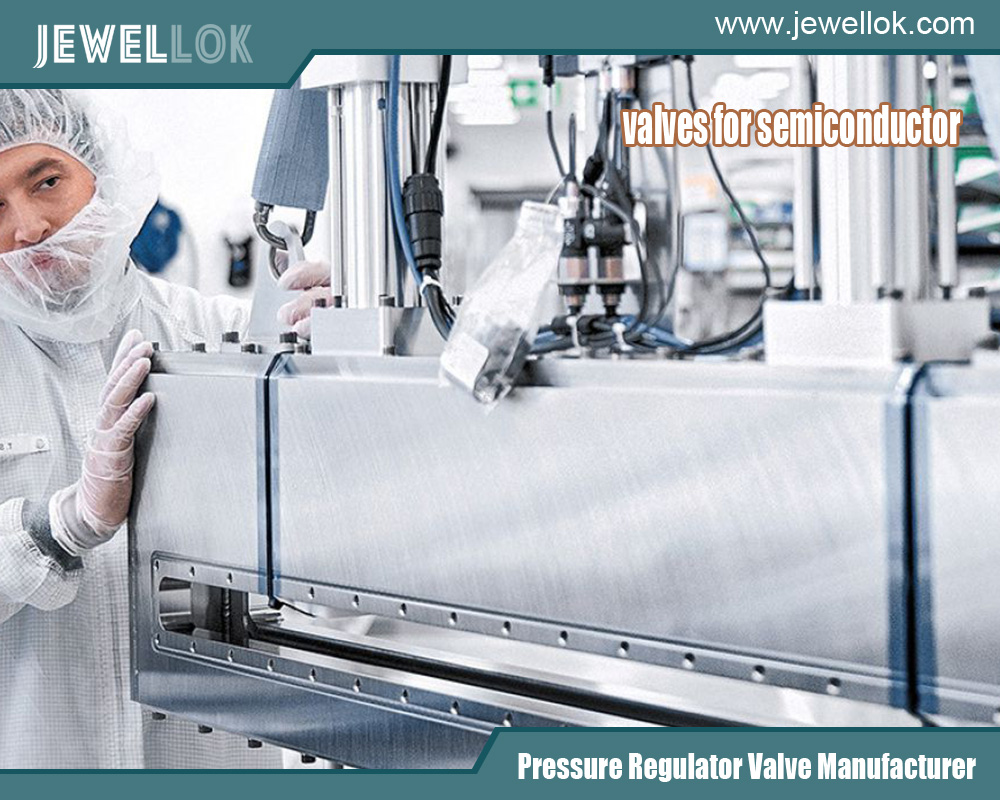
Conclusion
Ultra high purity diaphragm valves are a cornerstone of modern biotechnology systems. Their ability to ապահով contamination-free flow, combined with robust design and compliance with stringent standards, makes them indispensable in critical applications. From biopharmaceutical production to cleanroom operations, these valves ensure that processes remain sterile, efficient, and reliable.
As the biotechnology industry advances, the demand for higher purity, greater efficiency, and improved process control will continue to grow. UHP diaphragm valves, with ongoing innovations in design and materials, will remain at the forefront of this evolution, safeguarding product quality and patient safety.
For more about ultra high purity diaphragm valves in biotechnology: ensuring contamination-free flow, you can pay a visit to Jewellok at https://www.jewellok.com/product-category/chemical-delivery-system/ for more info.
-
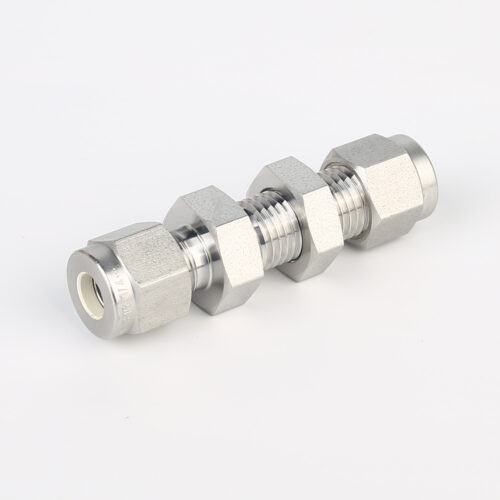
774L Stainless Steel UHP Fittings Butt Weld Bulkhead Union For High Flow Special Gas Fluid
-
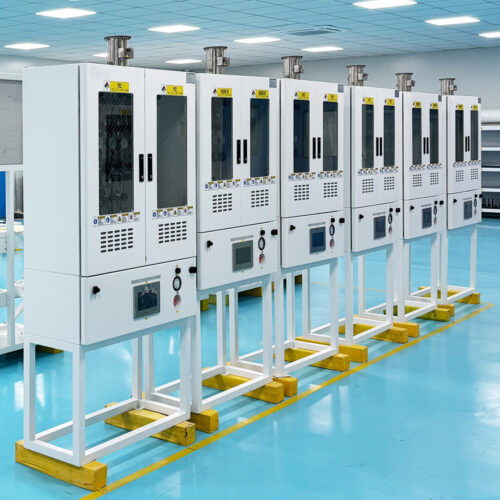
Liquid Chemical Delivery Module (CDM) for Semiconductor Fabrication and Ultra-High Purity Manufacturing
-

Automated Bulk Liquid Chemical Delivery System (BCDS) with PLC Controls for High-Volume Industrial Fluid Transport
-
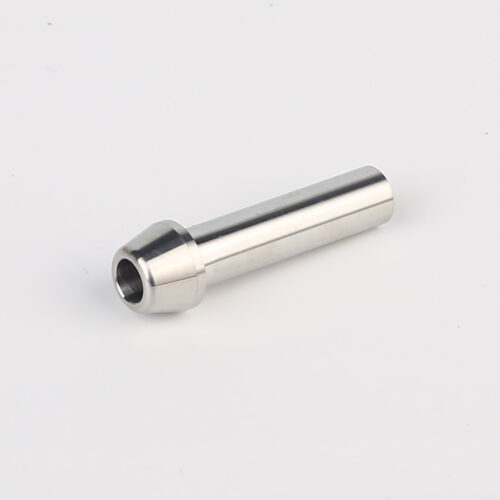
767LP Port Connector Ultra High Purity VCJ Metal Gasket Face Seal Tube Fittings
-
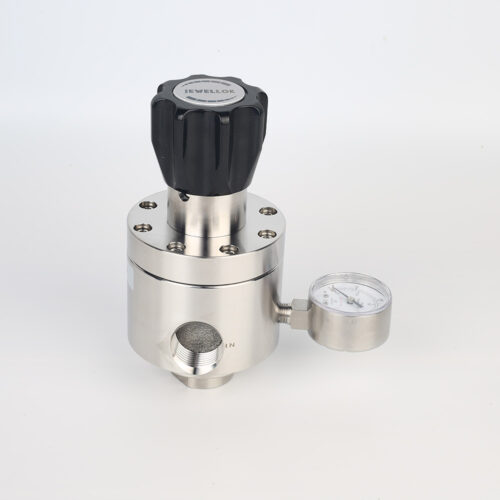
Low Pressure High Flow Line Pressure Regulators And Control Valves JSR-4L Series For Laboratory Pressure Control
-
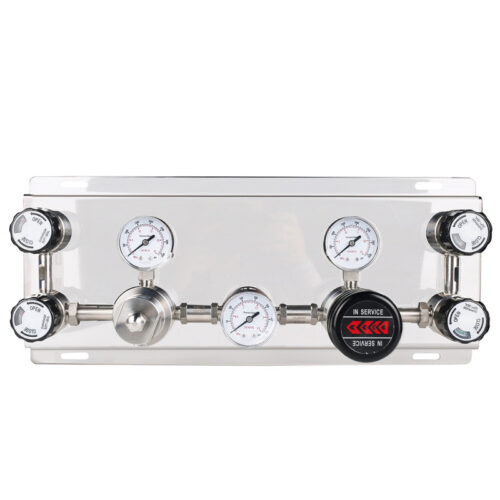
Semi Automatic And Automatic Switching Speicialty Gas Changeover Manifold Panel With Semiconductor Valve Manifold Box Gas Pressure Regulators
-
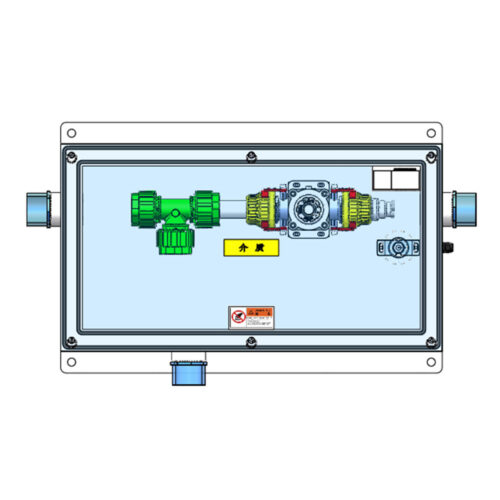
T-BOX JW-TB-C Special Gas Delivery System Gas Valve Manifold Boxes
-
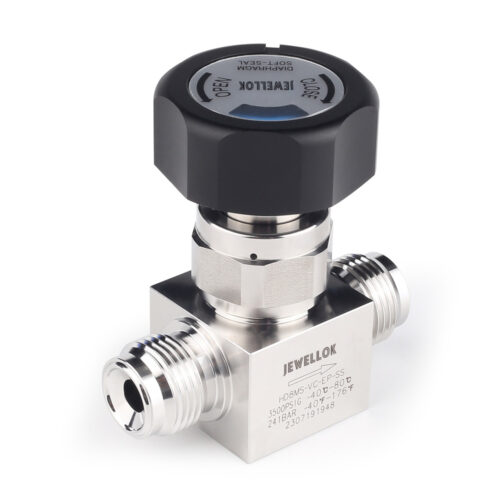
Stainless Steel Ultra High Purity (UHP) High Pressure Manual Diaphragm Valve