
Valves Manufacturer Tel: +86 13380377051
How to Choose the Right Chemical Delivery Module for Your Process
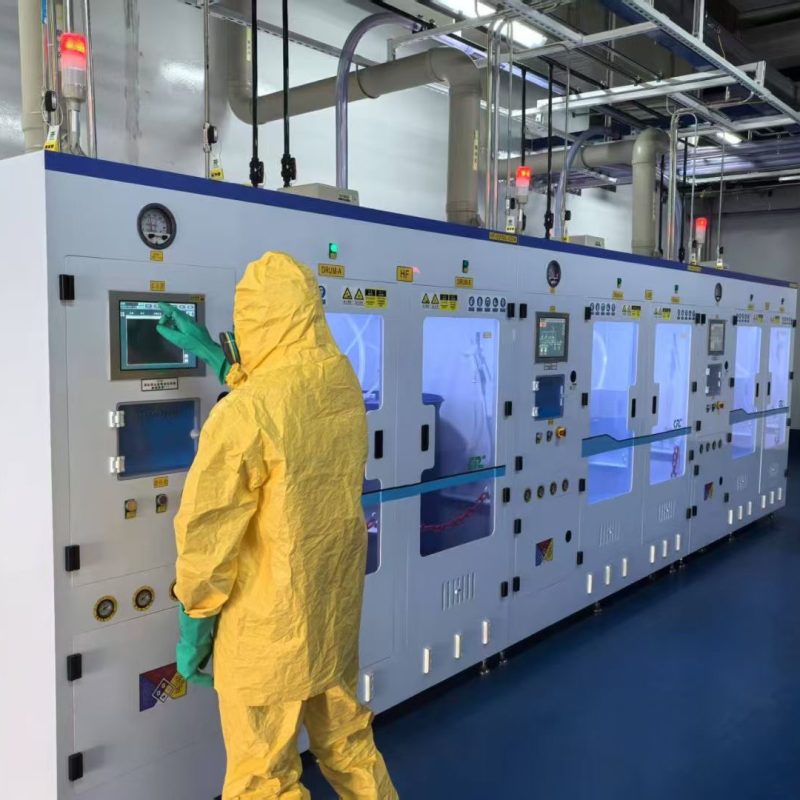
In semiconductor manufacturing, photovoltaics, pharmaceuticals, specialty chemicals, and advanced industrial production, chemical delivery systems play a critical role in maintaining process stability, safety, and product quality. Selecting the right chemical delivery module is not simply a matter of choosing a pump or storage cabinet. It requires a comprehensive evaluation of process chemistry, material compatibility, flow control accuracy, contamination requirements, automation level, and operational safety.
A properly selected chemical delivery module can improve process efficiency, reduce downtime, minimize chemical waste, and ensure long-term operational reliability. Conversely, an improperly configured system may lead to contamination, equipment failure, unstable process conditions, and increased operating costs.
This article explains the key factors to consider when choosing the right chemical delivery module for your application.
Understanding the Role of a Chemical Delivery Module
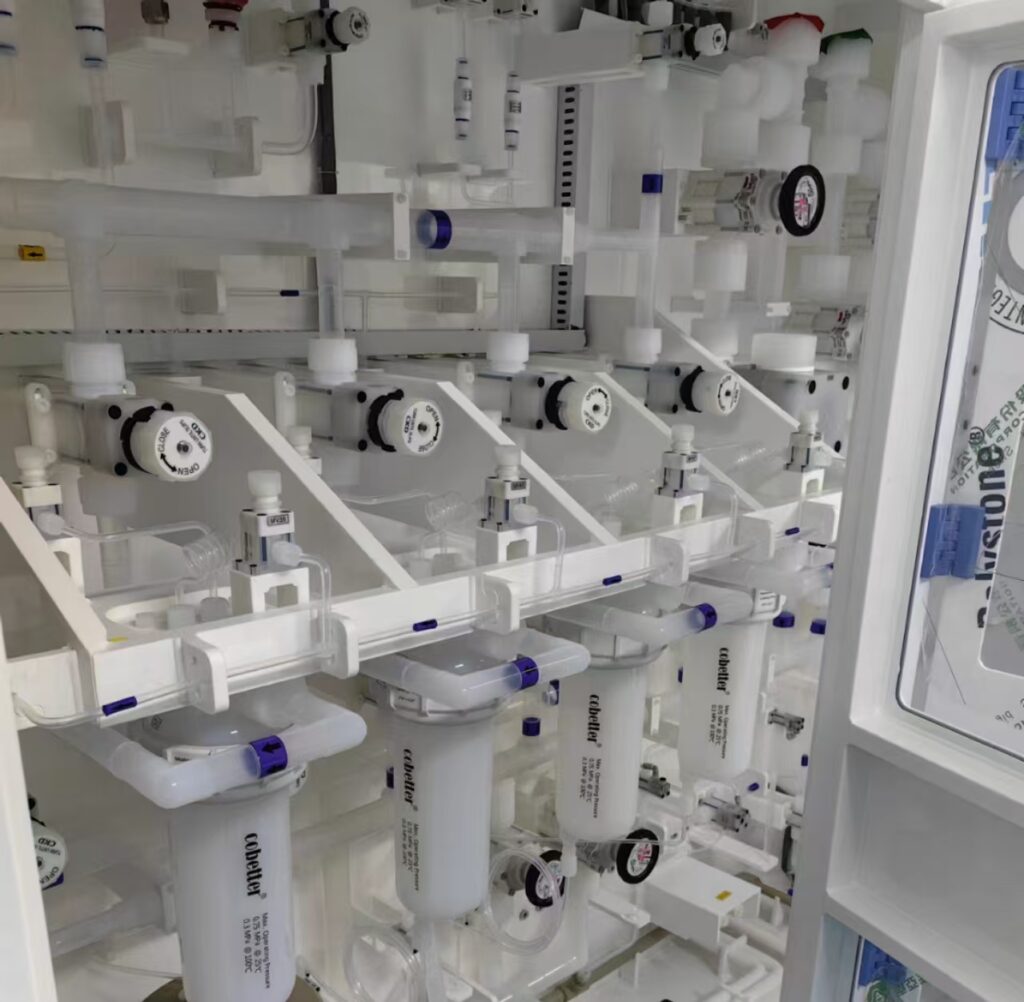
A chemical delivery module is a specialized system designed to store, transfer, regulate, filter, and distribute chemicals from supply containers to process equipment. These systems are widely used in industries where precise chemical management is essential.
Depending on the application, a chemical delivery module may include:
- Chemical storage vessels
- Pumps and pressure control units
- Filtration systems
- Flow meters and sensors
- Valves and manifolds
- Leak detection components
- Automation controllers
- Safety interlock systems
The primary objective of a chemical delivery system is to deliver chemicals consistently, safely, and accurately under controlled operating conditions.
Because process requirements differ significantly between industries and production lines, selecting the correct module demands a tailored engineering approach.
Define Your Process Chemistry Requirements First
The first step in selecting a chemical delivery module is understanding your chemical characteristics and process conditions.
Different chemicals possess unique physical and chemical properties that directly influence system design.
Key considerations include:
Chemical Type
Identify the specific chemistry being used:
- Acids
- Alkalis
- Solvents
- Oxidizers
- Slurries
- Ultra-high purity chemicals
- Corrosive liquids
- Flammable substances
For example, hydrofluoric acid, sulfuric acid, nitric acid, and hydrogen peroxide each present different compatibility and handling challenges.
Chemical Concentration
Concentration affects corrosion resistance, material selection, pump design, and sealing requirements.
Highly concentrated acids often require advanced fluoropolymer materials, while diluted chemicals may permit alternative construction options.
Temperature Conditions
Chemical temperature significantly impacts system performance.
Some processes require ambient delivery conditions, while others involve heated or temperature-controlled chemicals. Elevated temperatures can accelerate corrosion and alter viscosity, requiring specially engineered components.
Viscosity and Flow Behavior
Low-viscosity chemicals behave differently from viscous fluids or abrasive slurries.
Viscosity influences:
- Pump selection
- Flow stability
- Pressure requirements
- Tubing sizing
- Filtration strategy
Understanding these properties at the beginning of the selection process helps avoid costly redesigns later.
Material Compatibility: A Critical Selection Factor
Material compatibility is one of the most important aspects of chemical delivery module design.
Incorrect material selection can result in:
- Chemical degradation
- Leaks
- Particle generation
- Corrosion damage
- Product contamination
- Premature equipment failure
Common wetted materials include:
PVDF (Polyvinylidene Fluoride)
PVDF offers excellent chemical resistance and is widely used for aggressive acids and semiconductor chemical handling applications.
Advantages include:
- Strong corrosion resistance
- High purity performance
- Good mechanical durability
- Excellent thermal stability
PFA (Perfluoroalkoxy Alkane)
PFA is frequently selected for ultra-high purity applications.
Its benefits include:
- Extremely low contamination potential
- Superior chemical inertness
- High temperature resistance
- Excellent surface cleanliness
PFA components are commonly used in semiconductor wet processing and advanced electronics manufacturing.
PTFE (Polytetrafluoroethylene)
PTFE provides broad-spectrum chemical compatibility and excellent corrosion resistance.
It is often used for:
- Valve diaphragms
- Seals
- Pump internals
- Tubing systems
Stainless Steel
While stainless steel is widely used in industrial fluid systems, it may not be suitable for highly corrosive chemical environments unless specifically engineered.
Careful evaluation is necessary before selecting metallic components.
Choosing chemically compatible materials extends equipment lifespan and protects process integrity.
Determine Your Required Flow Rate and Pressure Range
Chemical delivery performance depends heavily on flow and pressure control accuracy.
When evaluating a delivery module, define your operational parameters clearly.
Questions to consider include:
- What is the required flow rate?
- Does the process demand continuous or intermittent flow?
- What operating pressure is needed?
- Are pressure fluctuations acceptable?
- How precise must dosing control be?
High-precision manufacturing processes often require exceptionally tight flow regulation.
For example, semiconductor applications may demand highly stable chemical supply conditions to maintain wafer uniformity and process repeatability.
Pump Selection Matters
Pump technology should align with your process requirements.
Common pump options include:
Diaphragm Pumps
Suitable for many corrosive chemical applications.
Advantages:
- Leak-resistant operation
- Good chemical compatibility
- Reliable pressure control
Bellows Pumps
Widely used in high-purity industries.
Benefits include:
- Low particle generation
- Excellent contamination control
- High chemical compatibility
Magnetic Drive Pumps
Useful for applications requiring seal-less operation and reduced leakage risk.
Selecting the proper pump architecture directly influences system reliability and chemical transfer accuracy.
Consider Purity and Contamination Control Requirements
In industries such as semiconductor fabrication, contamination control is non-negotiable.
Even trace amounts of particles, metal ions, or organic contaminants can negatively affect production yields.
If your process requires ultra-clean chemical handling, evaluate the following:
Filtration Strategy
Chemical filtration helps remove:
- Particles
- Micro-contaminants
- Process residues
Filter selection should consider:
- Micron rating
- Flow compatibility
- Chemical resistance
- Service life
Dead Leg Minimization
Dead legs are stagnant fluid zones within piping systems.
Poor system design can create particle buildup, contamination risks, and inconsistent chemical delivery.
Optimized flow path engineering reduces stagnation and improves cleanliness.
Surface Finish Quality
High-purity systems often require smooth internal surfaces to minimize particle generation and chemical retention.
Proper surface engineering improves cleanability and process consistency.
Purity requirements should always influence material selection, component layout, and overall module architecture.
Evaluate Automation and Control Integration
Modern manufacturing increasingly relies on intelligent automation.
A chemical delivery module should integrate seamlessly with your plant control environment.
Automation capabilities may include:
- PLC integration
- Human-machine interface (HMI)
- Remote monitoring
- Data logging
- Alarm management
- Automatic refill control
- Flow and pressure feedback loops
Advanced automation offers several advantages:
Improved Process Stability
Automated monitoring maintains operating conditions within predefined tolerances.
This reduces variability and enhances product consistency.
Reduced Operator Intervention
Automation decreases manual handling requirements and lowers human error risk.
Enhanced Traceability
Data recording supports:
- Regulatory compliance
- Quality assurance
- Preventive maintenance
- Production analysis
When selecting a chemical delivery module, ensure its control architecture supports your factory communication protocols and future expansion plans.
Safety Should Never Be an Afterthought
Chemical handling systems must prioritize operational safety.
Failure to address safety considerations can lead to severe consequences, including chemical exposure, environmental release, equipment damage, and production shutdowns.
Important safety features include:
Leak Detection Systems
Leak monitoring helps identify abnormal chemical release conditions quickly.
Common technologies include:
- Conductivity sensors
- Chemical detection probes
- Drip tray monitoring
- Pressure anomaly detection
Secondary Containment
Containment structures minimize chemical spread during equipment failure or accidental leakage.
Emergency Shutoff Functions
Automatic emergency isolation mechanisms improve incident response capability.
Ventilation and Exhaust Integration
Certain chemicals generate hazardous vapors requiring controlled exhaust management.
Proper ventilation design protects personnel and equipment.
Compliance with applicable safety standards and local regulations is essential during system selection and implementation.
Scalability and Future Production Planning
Many facilities focus only on current production requirements when purchasing equipment.
However, future scalability should also influence your decision.
Consider questions such as:
- Will production capacity increase?
- Are additional process tools planned?
- Could chemical consumption rise significantly?
- Will new chemical formulations be introduced?
A modular chemical delivery platform can provide greater operational flexibility.
Scalable system design may reduce future upgrade costs and simplify expansion projects.
Investing in adaptable infrastructure often delivers long-term economic benefits.
Maintenance and Serviceability Considerations
Maintenance requirements directly affect system uptime and operating costs.
A chemical delivery module should be engineered for efficient serviceability.
Key evaluation factors include:
Ease of Component Replacement
Routine maintenance tasks should be straightforward.
Components such as:
- Filters
- Valves
- Pumps
- Sensors
should be accessible without extensive system disassembly.
Preventive Maintenance Support
Predictive maintenance capabilities improve reliability.
Monitoring tools can help identify:
- Pump wear
- Filter loading
- Pressure abnormalities
- Flow degradation
Spare Parts Availability
Fast access to replacement components reduces downtime risk.
Supplier support capabilities should be reviewed carefully before purchase.
Selecting a maintainable system helps maximize equipment availability and lifecycle performance.
Supplier Engineering Expertise Matters
The quality of the supplier can be as important as the equipment itself.
An experienced chemical delivery module manufacturer provides value beyond hardware delivery.
Look for suppliers that offer:
- Process engineering consultation
- Custom system design
- Material compatibility analysis
- Factory acceptance testing
- Installation support
- Commissioning assistance
- After-sales technical service
Strong engineering collaboration often leads to better system optimization and fewer implementation challenges.
Requesting application-specific case studies or technical references can provide useful insights during supplier evaluation.
Final Thoughts
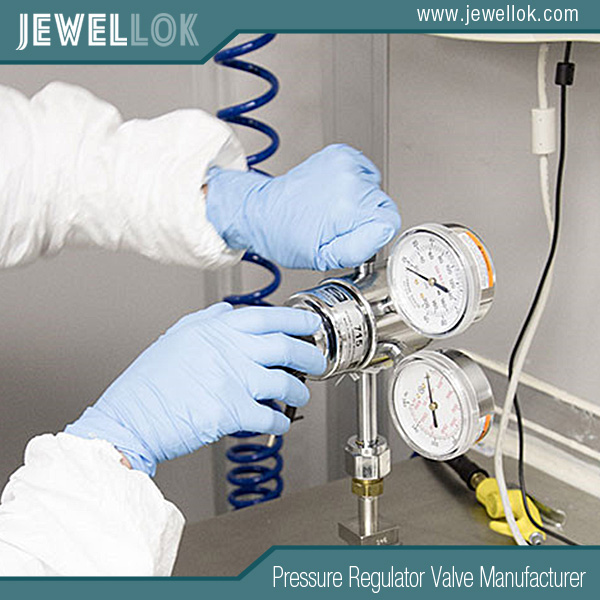
Choosing the right chemical delivery module for your process is a strategic decision that directly impacts production performance, operational safety, contamination control, and long-term cost efficiency.
There is no universal solution suitable for every application.
Successful selection requires careful analysis of:
- Chemical properties
- Material compatibility
- Flow and pressure requirements
- Purity standards
- Automation needs
- Safety considerations
- Maintenance expectations
- Future scalability
By approaching the selection process systematically and collaborating with experienced engineering partners, manufacturers can build reliable chemical delivery infrastructure that supports stable operations and sustainable growth.
In today’s increasingly demanding industrial environment, a well-designed chemical delivery module is not simply a supporting utility system—it is a critical foundation for process excellence.
For more about how to choose the right chemical delivery module for your process, you can pay a visit to Jewellok at https://www.jewellok.com/product-category/chemical-delivery-system/ for more info.
-
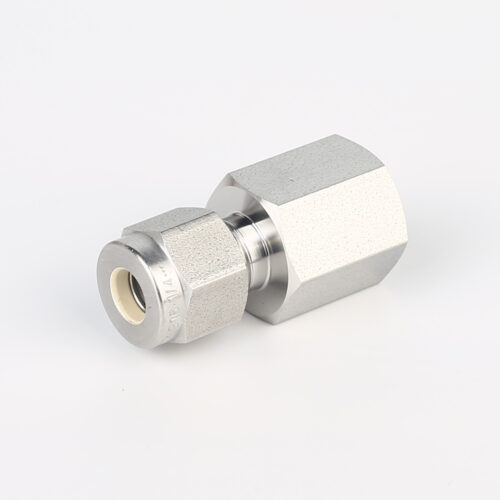
766L High Purity Female Connector UHP Fitting Female Connector
-
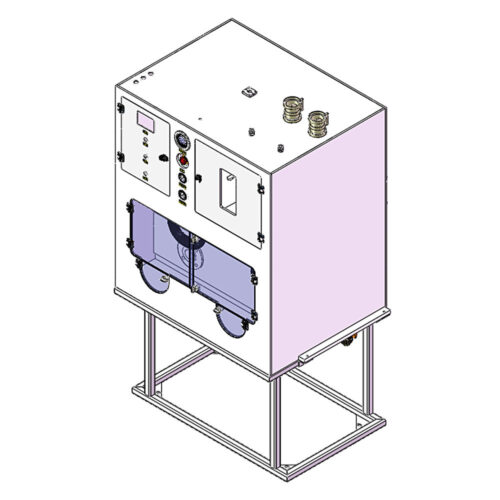
Clean Connection Cabinet JW-300-CCB Valve Manifold Box And Control Valve Box
-
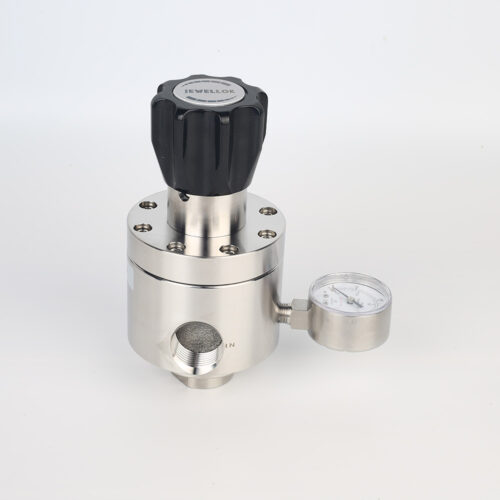
Low Pressure High Flow Line Pressure Regulators And Control Valves JSR-4L Series For Laboratory Pressure Control
-

UHP Liquid Chemical Delivery System (CDS) Implementation for High-Volume Photovoltaic and Renewable Energy Component Production Lines
-
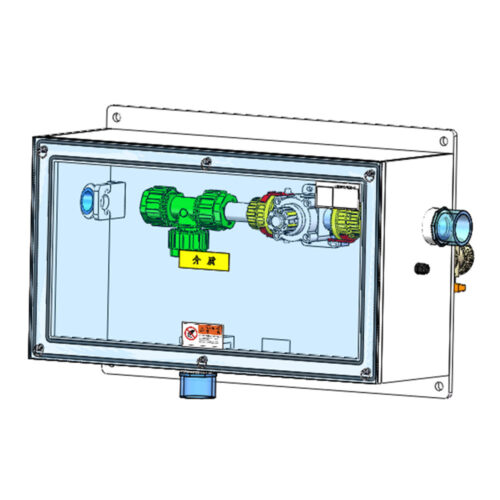
FT-BOX JW-FTB-C Valve Manifold Panels And Boxes With High Purity Configurable Systems
-
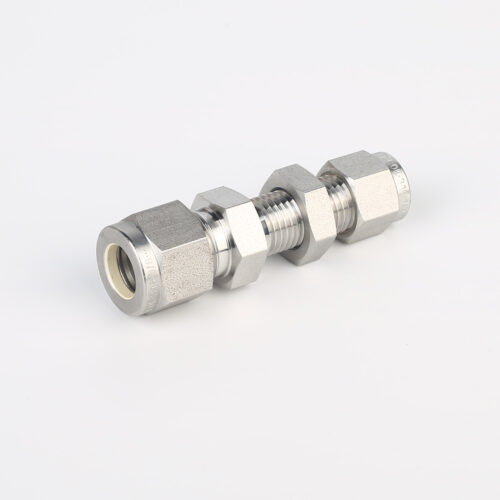
775L Bulkhead Reducing Union | Stainless Steel High Purity Double Ferrule Bulkhead Reducing Unions
-
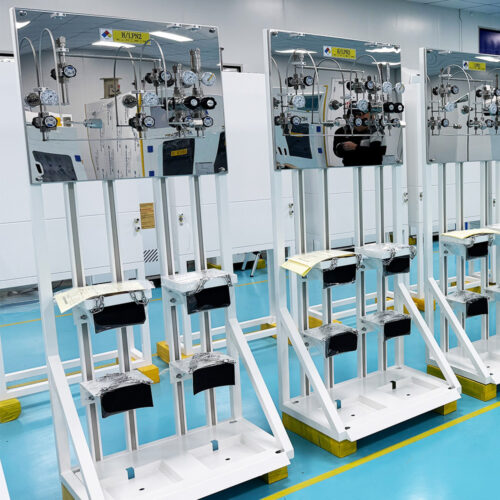
Semi-Automatic VMB Gas Cabinet With Semiconductor Valve Manifold Box Diaphragm Valves And Gas Pressure Regulators
-
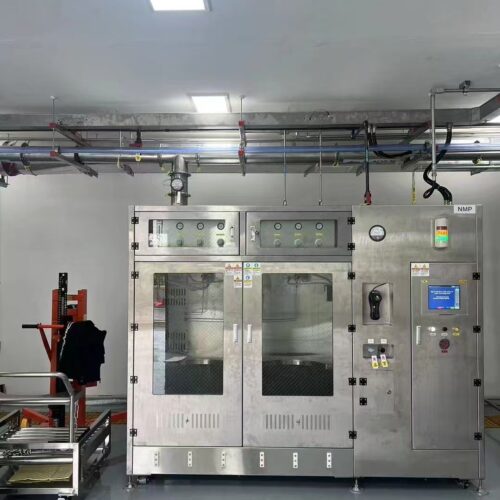
316L Electropolished Chemical Delivery System (CDS) for Contamination-Free Liquid Handling in EV Battery Manufacturing Plants