
Valves Manufacturer Tel: +86 13380377051
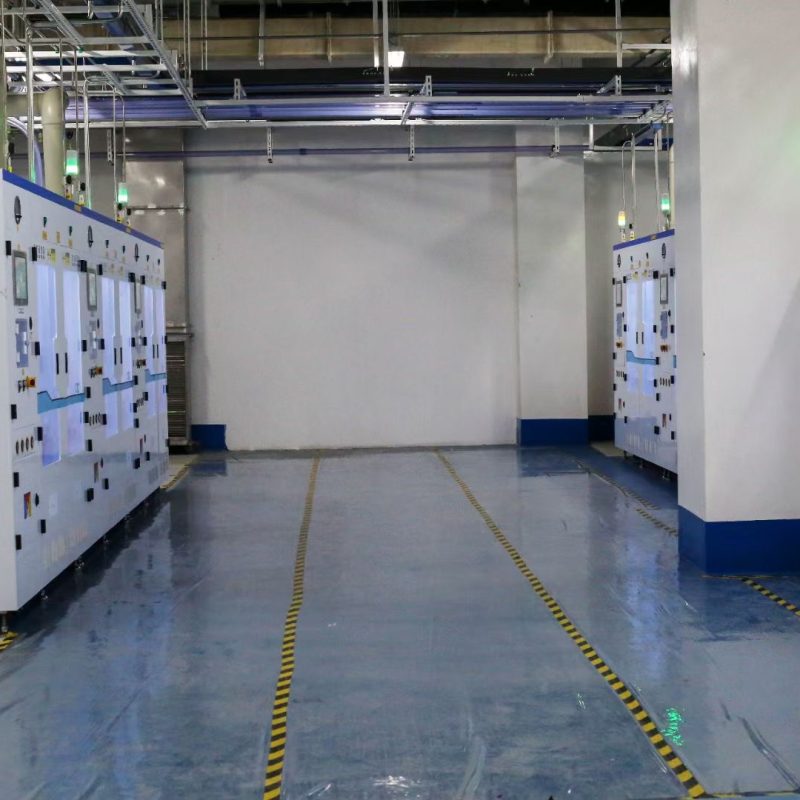
Comparative Efficiency of Single-Stage vs. Multi-Stage Scrubbing Technologies in Treating Complex Waste Gases (Cl₂, NH₃, Silane, VOCs)
The treatment of industrial exhaust gases has become increasingly challenging due to the simultaneous release of chemically disparate pollutants. In sectors such as semiconductor manufacturing, specialty chemical production, and waste incineration, off-gases often contain a mixture of acid gases (Cl₂), alkaline gases (NH₃), pyrophoric compounds (silane), and volatile organic compounds (VOCs). Traditional single-stage wet scrubbers often struggle to achieve regulatory compliance when faced with such complex matrices. This article examines the physicochemical limitations of single-stage systems and demonstrates how multi-stage scrubbing technologies—utilizing sequential chemical reactions, physical absorption, and oxidation—achieve superior removal efficiencies (often >99.9% vs. 70–95%) by optimizing the chemical environment for each pollutant class independently.
1. Introduction
Wet scrubbing remains the most prevalent technology for controlling air pollution in high-tech manufacturing and chemical processing. The principle is simple: contaminants are transferred from the gas phase to the liquid phase via absorption, often enhanced by chemical reaction. However, the “simple” design of a single-stage scrubber becomes a liability when the gas stream contains species with conflicting chemical requirements.
Consider a typical exhaust stream from a CVD (Chemical Vapor Deposition) or etching process in semiconductor fabrication. It may contain:
-
Chlorine (Cl₂): An acidic oxidizing gas.
-
Ammonia (NH₃): A basic reducing gas.
-
Silane (SiH₄): A pyrophoric, moisture-reactive gas.
-
VOCs: Organic solvents (e.g., isopropyl alcohol, acetone) requiring oxidation or biological treatment.
If these gases are mixed upstream of a scrubber, they can react prematurely, forming hazardous solid particulate (e.g., ammonium chloride, NH₄Cl) that clogs ducts and reduces efficiency. Furthermore, a single-stage scrubber cannot maintain a pH that is simultaneously optimal for absorbing acidic chlorine and basic ammonia. This article quantifies the efficiency discrepancies between single-stage and multi-stage configurations when handling such complex loads.
2. The Limitations of Single-Stage Scrubbing
2.1 Chemical Incompatibility
In a single-stage scrubber, the scrubbing liquid has a fixed pH and oxidation-reduction potential (ORP). To absorb Cl₂ effectively, the liquid must maintain a high pH (alkaline) and a high ORP to facilitate hydrolysis and conversion to hypochlorite and chloride ions. Conversely, to absorb NH₃, the liquid must be acidic to convert ammonia into non-volatile ammonium ions (NH₄⁺).
If a single-stage system uses a neutral pH (7.0) as a compromise:
-
Cl₂ Removal: Drops significantly. At pH < 8, chlorine hydrolysis is incomplete, leading to re-entrainment of Cl₂ gas. Typical efficiency falls from >99% (at pH 10) to <80%.
-
NH₃ Removal: Similarly, at pH > 6, ammonia remains as dissolved NH₃ gas, which has a high vapor pressure and strips back out of the solution. Efficiency drops from >98% (at pH 2-4) to 60-85%.
2.2 Handling Pyrophoric Gases (Silane)
Silane (SiH₄) is highly reactive with oxygen and moisture. In a single-stage scrubber, if silane comes into contact with an oxidizing solution (used to treat Cl₂) or if it mixes with residual oxidants in the sump, it combusts immediately. This combustion often occurs inside the scrubber packing or ductwork, leading to:
-
Silica (SiO₂) fouling: The byproduct is solid silicon dioxide, which blinds packing media.
-
Thermal stress: Localized combustion can damage FRP (Fiberglass Reinforced Plastic) vessels.
2.3 VOC Mass Transfer Limitations
VOCs, particularly hydrophobic compounds like benzene or chlorinated solvents, rely on physical absorption. Single-stage scrubbers typically use water or a single caustic solution. Without a specialized organic phase or advanced oxidation, the Henry’s Law constant for many VOCs favors the gas phase. Consequently, single-stage water scrubbing rarely achieves >50-70% removal for VOCs unless extremely high liquid-to-gas ratios are employed, which increases operational costs.
2.4 Particulate and Salt Accumulation
The reaction of Cl₂ with NaOH produces NaCl (salt). The reaction of NH₃ with H₂SO₄ produces (NH₄)₂SO₄. In a single-stage system, these salts accumulate in a single sump. High total dissolved solids (TDS) reduce the solubility of incoming gases (the “salting-out” effect) and accelerate scaling on packing and nozzles, gradually degrading removal efficiency over time.
3. Multi-Stage Scrubbing: Architecture and Advantages
Multi-stage scrubbers decouple the treatment process into discrete sections, typically arranged vertically in a single tower or horizontally in series. Each stage is optimized for a specific pollutant class, often utilizing dedicated sumps, recirculation pumps, and chemical feed systems.
3.1 Stage 1: Acidic Quench and NH₃ Capture
The first stage is typically maintained at a low pH (2.0–4.0) using sulfuric acid (H₂SO₄) or hydrochloric acid (HCl). Its primary functions are:
-
Neutralization of Alkalinity: Rapid absorption of NH₃ via the reaction:
2NH3+H2SO4→(NH4)2SO4. -
Hydrolysis of Pyrophorics: By maintaining a slightly acidic, non-oxidizing environment, silane is hydrolyzed safely to hydrated silica (SiO₂·xH₂O) without violent combustion, provided oxygen is excluded.
-
Thermal Quenching: Inlet gases often exceed 150°C. This stage cools the gas to saturation (approx. 60–70°C), preventing thermal degradation of subsequent chemical stages.
Efficiency: NH₃ removal in this stage typically exceeds 99.5%, reducing the concentration entering downstream stages to sub-ppm levels.
3.2 Stage 2: Alkaline Oxidation for Cl₂ and Acid Gases
After the gas has been stripped of ammonia, it enters a second stage maintained at a high pH (9.5–11.0) using NaOH, often with a controlled hypochlorite (NaOCl) concentration to maintain ORP.
-
Chlorine Absorption: Cl₂ hydrolyzes in alkaline conditions:
Cl2+2NaOH→NaCl+NaOCl+H2O. -
Removal of other Acid Gases: HCl, HF, and SO₂ are also efficiently removed in this alkaline environment.
Efficiency: Cl₂ removal efficiency in this stage is >99.9%, achieving outlet concentrations below detectable limits. Because the NH₃ was removed in Stage 1, there is no risk of ammonium chloride (NH₄Cl) aerosol formation, which is a common cause of visible stack plumes (opacity) in single-stage systems.
3.3 Stage 3: VOC Polishing (Absorption or Oxidation)
The final stage addresses VOCs and residual trace contaminants. Depending on the nature of the VOCs (hydrophilic vs. hydrophobic), this stage may employ different technologies:
-
Dual-Solvent Absorption: Using a packed bed with a recirculating organic solvent or surfactant-enhanced water to absorb hydrophobic VOCs. This achieves 90-98% removal for compounds like benzene, toluene, and xylene.
-
Advanced Oxidation: For non-absorbable or refractory VOCs, this stage may integrate UV/H₂O₂ or ozone injection to oxidize VOCs into CO₂ and H₂O.
-
Adsorption Polishing: In critical applications, a final dry carbon bed (or zeolite rotor) follows the wet scrubbing to capture any trace VOCs, ensuring total VOC removal >98%.
4. Comparative Efficiency Analysis
To illustrate the performance disparity, consider a theoretical complex waste gas stream with the following composition:
-
Cl₂: 200 ppm
-
NH₃: 250 ppm
-
Silane: 50 ppm
-
IPA (Isopropyl Alcohol): 500 ppm as carbon (C)
| Pollutant | Single-Stage (pH 7.5, Water/Caustic) | Multi-Stage (Acid/Alkaline/VOC Polishing) |
|---|---|---|
| NH₃ | 70–85% (Outlet: 40–75 ppm) Limited by pH < 6 required for full ionization. |
>99.9% (Outlet: <0.5 ppm) Dedicated acidic stage ensures full conversion to (NH₄)₂SO₄. |
| Cl₂ | 80–90% (Outlet: 20–40 ppm) Competing NH₃ neutralizes alkalinity; risk of Cl₂ breakthrough. |
>99.9% (Outlet: <0.1 ppm) Alkaline stage operates without acid interference; controlled ORP. |
| Silane | <50% (Visible combustion, SiO₂ fouling) Reacts unpredictably in mixed sump; rapid media blinding. |
>99.9% (Outlet: <1 ppm) Controlled hydrolysis in acidic stage; particulate captured before downstream stages. |
| VOCs (IPA) | <30% (Outlet: >350 ppm C) High water solubility of IPA requires high liquid-to-gas ratio; no specialized stage. |
90–95% (Outlet: 25–50 ppm C) Dedicated packed bed with optimized residence time and/or chemical oxidation. |
| Opacity / Aerosols | High risk Formation of NH₄Cl submicron aerosols due to mixing of NH₃ and HCl/Cl₂. |
Negligible Aerosol precursors are removed in sequential stages. |
Quantitative Summary:
For the complex mixture described, a single-stage scrubber typically achieves a total destruction/removal efficiency (DRE) of 70–85% for the target compounds, often failing to meet stringent EPA or local air permit limits (which often require 95-99% removal). A well-designed multi-stage system achieves a DRE of 99.5% to 99.99% for inorganic gases and >90% for VOCs.
5. Operational and Economic Considerations
While multi-stage scrubbers involve higher capital expenditure (CAPEX)—typically 30–50% more than a single-stage unit due to additional pumps, instrumentation, and taller vessels—the operational expenditure (OPEX) and total cost of ownership often favor multi-stage systems in complex applications.
5.1 Chemical Consumption
It is a common misconception that multi-stage systems use more chemicals. In reality, single-stage systems often waste chemicals due to neutralization reactions. If Cl₂ and NH₃ enter a single sump simultaneously, they react to form NH₄Cl. The scrubber’s caustic feed must constantly neutralize the HCl formed by Cl₂ hydrolysis, while the acid feed neutralizes the NH₃. This results in the formation of a mixed salt (NaCl + NH₄Cl) with no commercial value, representing wasted reagents.
In multi-stage systems, the first stage produces high-purity ammonium sulfate (a fertilizer precursor), and the second stage produces sodium hypochlorite or salt brine. These can often be reclaimed or disposed of more economically than mixed waste.
5.2 Maintenance Downtime
Single-stage systems handling silane and NH₄Cl suffer from rapid fouling. Packing media may need replacement every 6–12 months due to silica and salt scaling. Multi-stage systems isolate the particulate-generating reactions (silane hydrolysis) to the first stage, which can be designed with open spray nozzles (low fouling) or easily accessible packing. Downstream stages remain clean, extending the mean time between maintenance (MTBM) from months to years.
5.3 Safety
The treatment of pyrophoric gases (silane) in a single-stage alkaline scrubber poses a significant explosion risk. If silane contacts a hypochlorite solution (NaOCl) used for Cl₂ control, an exothermic reaction can generate hydrogen and heat, leading to combustion. Multi-stage systems segregate these incompatible chemistries, ensuring that pyrophoric hydrolysis occurs in a non-oxidizing, acidic environment physically separated from the oxidizing alkaline stage.
6. Case Study: Semiconductor Fab Upgrade
A semiconductor fabrication facility in Taiwan experienced persistent opacity issues (visible white plume) and exceedances of NH₃ limits (permit limit: 5 ppm, actual: 35 ppm) using a single-stage caustic scrubber for their diffusion and etch exhaust. The gas matrix included Cl₂, NH₃, SiH₄, and trace VOCs.
Issue Diagnosis: The single-stage scrubber (pH controlled at 8.5) was creating ammonium chloride aerosols. The high pH was insufficient to capture NH₃, while the low pH relative to Cl₂ demand caused chlorine slip.
Solution: The facility retrofitted the system to a three-stage scrubber:
-
Stage 1: Acidic (pH 3) packed bed for NH₃ and silane hydrolysis.
-
Stage 2: Alkaline (pH 10) packed bed with ORP control for Cl₂ and acid gases.
-
Stage 3: Water/ surfactant packed bed for IPA and other VOCs.
Result:
-
NH₃ Outlet: Reduced from 35 ppm to <0.5 ppm.
-
Cl₂ Outlet: Reduced from 12 ppm to <0.1 ppm.
-
Opacity: White plume eliminated.
-
Media Lifetime: Packing replacement interval extended from 8 months to >3 years.
7. Conclusion
The treatment of complex waste gases containing conflicting chemical species—such as Cl₂, NH₃, silane, and VOCs—presents a fundamental challenge to the conventional single-stage wet scrubbing paradigm. The inherent chemical incompatibility of these pollutants ensures that a single, homogeneous scrubbing liquid cannot achieve high removal efficiencies for all constituents simultaneously. The attempt to do so often results in increased chemical waste, operational instability, safety hazards from pyrophoric reactions, and non-compliance with emission standards.
Multi-stage scrubbing technology offers a robust solution by segregating the treatment process into chemically optimized zones. By sequentially removing ammonia in an acidic stage, halogens in an alkaline stage, and VOCs in a final polishing stage, these systems achieve removal efficiencies exceeding 99.9% for inorganic toxins and >90% for organic compounds. While the initial investment is higher, the superior reliability, lower chemical wastage, reduced maintenance downtime, and assured regulatory compliance make multi-stage systems the preferred and often necessary technology for treating complex industrial exhaust streams. As environmental regulations tighten globally and industrial processes become more chemically complex, the adoption of multi-stage scrubbing architectures is expected to become the standard of care in high-tech manufacturing and chemical processing industries.
For more about the comparative efficiency of single-stage vs. multi-stage scrubbing technologies in treating complex waste gases (Cl₂, NH₃, Silane, VOCs), you can pay a visit to Jewellok at https://www.jewellok.com/product-category/chemical-delivery-system/ for more info.
-
High Purity Chemical Dispense System & Packing System For Semiconductors JW-200L-CDM & JW-1000L-CDM
-
High Purity High Pressure Stainless Steel Needle Valve Natural Gas Flow Control Valve JNV Series
-
774L Stainless Steel UHP Fittings Butt Weld Bulkhead Union For High Flow Special Gas Fluid
-

Liquid Chemical Delivery Module And Chemical Delivery System Semiconductor Chemical Automatic Liquid Supply Equipment
-
Semi Automatic Gas Cabinet Gas Panels High Purity Gas Delivery Systems JW-200-GC
-
Semi Automatic And Automatic Switching Speicialty Gas Changeover Manifold Panel With Semiconductor Valve Manifold Box Gas Pressure Regulators
-
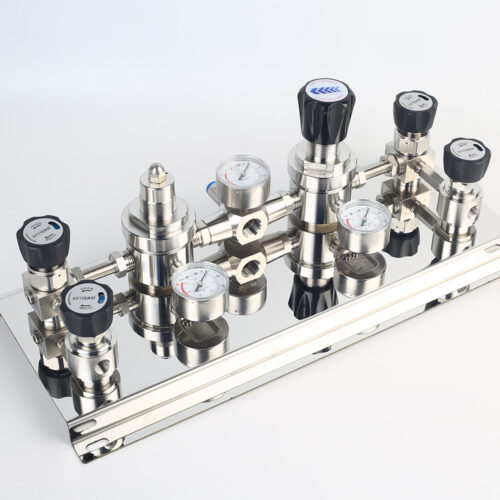
Stainless Steel Single Stage Semiconductor Grade Pressure Control Module Pressure Control Panels JSP-6A Series
-

Liquid Chemical Delivery Module (CDM) Maintenance: Optimizing UHP Diaphragm Valves for Maximum System Process Uptime