




















Fabricant de vannes Tél : +86 13380377051
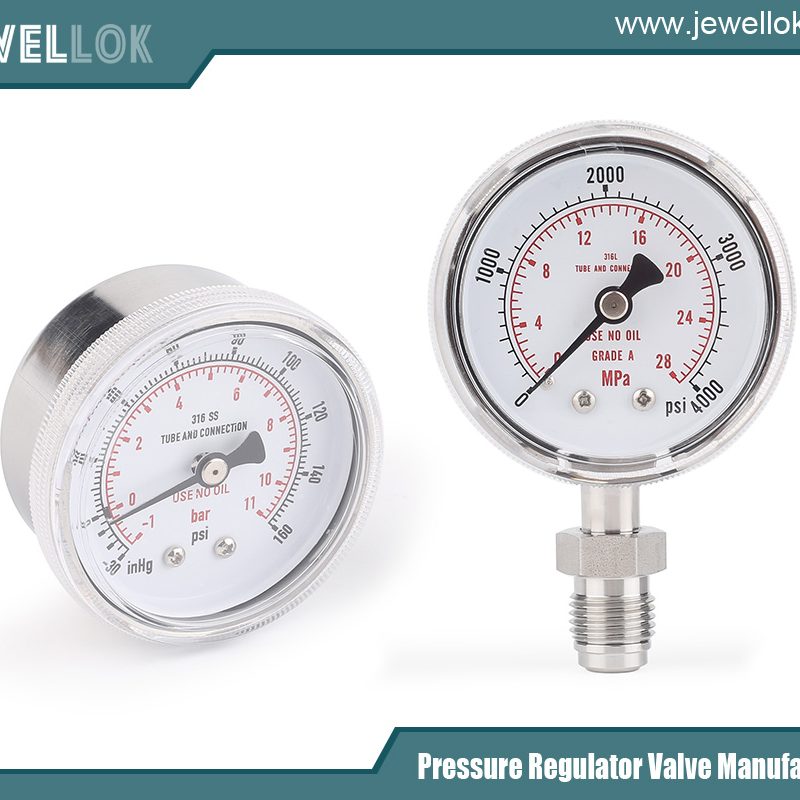
Le rôle crucial des vannes UHP en argon dans la fabrication de semi-conducteurs et les systèmes de chromatographie en phase gazeuse
In the realms of argon high-purity gas valve delivery for semiconductor manufacturing and analytical instrumentation, the integrity of the entire system is defined by its weakest point. For argon (Ar)—an inert carrier and purge gas par excellence—maintaining ultra-high purity (UHP) from cylinder or source to point-of-use is non-negotiable. This article delves into the specialized world of UHP valves designed for argon service, exploring their design philosophy, critical materials of construction, performance benchmarks, and the pivotal role they play in ensuring contamination-free processes in both semiconductor fabs and gas chromatography (GC) systems. We examine the unique requirements of each application, the consequences of valve failure, and the selection criteria essential for engineers and technicians.
The Imperative of Purity
Modern technology and precision science are built on the foundation of extreme control. In semiconductor fabrication, trace contaminants at the parts-per-billion (ppb) or even parts-per-trillion (ppt) level can introduce defects, alter electrical properties, and catastrophically reduce chip yields. Similarly, in gas chromatography—a workhorse of analytical chemistry—the fidelity of results hinges on the inertness and purity of the carrier gas. Any introduction of oxygen, moisture, or hydrocarbons can cause baseline drift, ghost peaks, column degradation, and erroneous quantification.
Argon, with its high density and excellent inertness, is a preferred gas for sputtering processes, plasma etching, and as a blanket atmosphere in semiconductor tools. In GC, it serves as a common carrier gas for specific detector types. However, the beneficent properties of argon are meaningless if compromised by the very hardware tasked with its control. The UHP valve is therefore not a simple on/off device; it is a precision-engineered component designed to be the guardian of gas integrity at the most critical junctures: source isolation, manifold distribution, and tool connection.
Argon in Application: Semiconductor vs. GC Requirements
While both fields demand high purity, their operational profiles impose different stresses on valve design.
- Semiconductor Fabrication: Here, argon is part of a bulk gas delivery system, often at high pressures (from 2000+ psi at the source to regulated lines at 50-100 psi). Valves are integrated into gas panels, purification systems, and tool hook-ups. They may see frequent cycling in maintenance or semi-continuous flow. The environment is a cleanroom, but the focus is on eliminating outgassing (the release of volatile contaminants from valve materials) and minimizing dead volume where gas can stagnate and become a contamination source. Particulate generation from valve actuation is also a critical concern.
- Gas Chromatography: In GC systems, argon flows at lower pressures and lower, consistent rates. The primary concern is often leak-tightness to prevent air ingress (which introduces oxygen and moisture) and the absolute inertness of the wetted surfaces to prevent adsorption/desorption of analytes. Valves here are typically smaller, part of the GC’s internal gas plumbing or automated sample introduction systems (like valve-based injectors). The risk of cross-contamination between sample streams is a key driver for designs with minimal internal volumes.
Anatomy of an Argon UHP Valve: Design and Materials
A UHP valve is a symphony of materials science and precision machining. Key features distinguish it from standard industrial valves.
- Body and Wetted Materials:
- Stainless Steel 316L-VIM/VAR: The standard. 316L offers good corrosion resistance. The VIM/VAR (Vacuum Induction Melting / Vacuum Arc Remelting) process reduces inclusions and impurities, creating a more homogenous, cleanable, and outgassing-resistant material.
- Alloy 400 (Monel), Alloy C-276 (Hastelloy): Used for enhanced corrosion resistance in specific environments, though less common for pure argon.
- Electropolished Interior: A critical surface finish. Electropolishing removes the micro-imperfections of machining, creating a smooth, passive surface that minimizes particulate adhesion, reduces surface area for adsorption, and enhances cleanability.
- Seal Technology – The Heart of Integrity:
This is the most critical differentiator. Elastomeric seals (like Buna-N, Viton) are generally unsuitable for UHP argon due to permeation and outgassing.
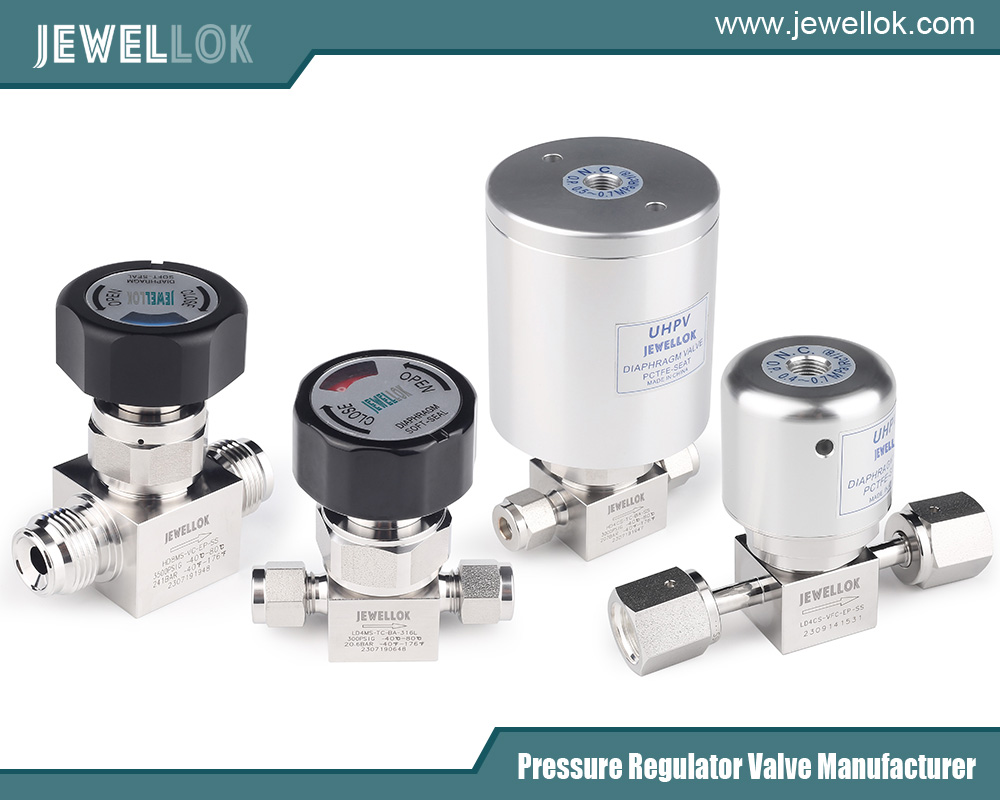
- Metal Diaphragm Seals: The gold standard. A flexible metal disc (often 316L) isolates the actuator from the gas stream. It provides a hermetic seal with zero leakage to atmosphere, virtually no dead volume, and no permeable organics. They are used in Diaphragm Valves and Bellows Valves.
- Bellows Seals: A welded or formed metal bellows provides the sealing and actuation motion, offering similar benefits to a diaphragm with potentially longer cycle life for reciprocating stems.
- Metal-Seated Ball Valves: For on/off service, a ball valve with soft-metal seats (e.g., nickel) or specialized polymers like PTFE/PEEK, designed for minimal outgassing, can be used. They must be verified for UHP service (low leak rate, cleanable design).
- Actuation and Connection:
- Actuation: Manual, pneumatic, or pneumatic-hydraulic. Actuators must be designed to prevent lubricant ingress into the gas stream. Packed stem designs are avoided in favor of the hermetically sealed diaphragm or bellows.
- Connections: VCJ®/VCO® (Metal Gasket Face Seal Fittings) and Weld-Lok® types are universal. They use metal gaskets (soft copper or nickel) crushed between knife-edges to create a permanent, leak-tight, dead-volume-free seal. Traditional threaded (NPT) connections are prohibited due to potential leak paths and contaminant trapping.
- Performance Specifications:
- Leak Rate: Measured by Helium Mass Spectrometry. UHP valves must achieve an external leak rate of < 1 x 10⁻⁹ atm·cc/sec He to prevent atmosphere ingress. Seal-to-seat leak rates (through the closed valve) are equally stringent.
- Outgassing: Valves are baked and purged under vacuum to meet specifications for total hydrocarbon (THC), moisture, and oxygen contribution.
- Particle Generation: Certified for specific particle counts (e.g., >0.1 µm, >0.5 µm) per cycle or cubic foot of gas passed.
- Pressure Rating: Typically from high vacuum (10⁻⁸ Torr) to 6000 psi or more, depending on design.
- End Finish: Defined by Surface Roughness Average (Ra), often < 20 µin (microinches), with electropolishing achieving an Ra < 10 µin.
Consequences of Valve Failure or Improper Selection
The cost of valve compromise far exceeds the component’s price.
- In Semiconductor Fabs:
- Oxidation: Moisture/oxygen ingress can oxidize delicate wafer surfaces (e.g., silicon, copper interconnects).
- Particulate Defects: Valve-generated particles land on wafers, causing short circuits or open circuits.
- Carbon Contamination: Hydrocarbon outgassing can create “haze” or carbon films, altering etching rates and film properties.
- Process Drift: Subtle contamination leads to inconsistent plasma characteristics in etching/sputtering tools, requiring re-qualification and causing yield loss.
- In Gas Chromatography:
- Baseline Issues: Oxygen degrades capillary columns, especially polar ones, leading to rising baselines and increased noise. Moisture causes similar problems.
- Ghost Peaks: Outgassed contaminants from valve seals or adsorbed analytes from previous runs elute as spurious peaks, ruining chromatograms and quantitation.
- Detector Damage & Noise: Oxygen can damage sensitive detectors (e.g., some GC/MS ion sources). Contaminants increase background signal.
Selection and Implementation Guidelines
Selecting the right argon UHP valve involves a systematic approach:
- Define the Purity Standard: Match the valve’s certified outgassing and leak rate specs to your process requirement (e.g., SEMI C3.51 for 99.9999% purity gas).
- Application-Specific Design: Choose a diaphragm or bellows valve for critical, high-cycling points near the tool. A high-quality metal-seated ball valve may suffice for a main supply line isolator.
- Material Compatibility: Ensure 316L EP is sufficient, or upgrade to specialty alloys if other corrosive process gases are in the same manifold.
- Connection Strategy: Standardize on VCJ/VCO for demountable connections. Use orbital welding for permanent runs wherever possible.
- Cleaning and Packaging: Valves must be supplied certified clean (e.g., to SEMI C0 or similar standards), double-bagged in a cleanroom environment, and purged with inert gas.
- Handling and Installation: Use proper tools (torque wrenches for face-seal fittings). Install in a clean environment. Always perform initial pressurization and leak-down checks with an appropriate leak detector.
- Maintenance: Have a certified procedure for periodic re-validation of leak rates, especially for valves that cycle frequently.
Future Trends and Conclusion
The evolution of argon UHP valves follows the relentless drive of the industries they serve. Trends include:
- Miniaturization: Smaller, integrated valve assemblies for next-generation compact GCs and semiconductor tool gas sticks.
- Smart Valves: Incorporating sensors for in-situ leak detection, cycle counting, and predictive maintenance.
- Advanced Materials: Exploration of novel coatings and bulk materials (e.g., advanced ceramics) for even lower particulation and outgassing.
- Standardization & Connectivity: Push towards more standardized footprints and digital interfaces (e.g., IO-Link) for easier integration into Industry 4.0 fab and lab environments.
Conclusion
Le argon UHP valve is a masterpiece of focused engineering, a humble component tasked with a monumental responsibility. In the intricate dance of atoms on a silicon wafer or the precise elution of molecules in a chromatographic column, it stands as a silent sentinel. Its value is measured not in its function alone, but in its absolute fidelity to the principle of purity. For system designers, process engineers, and lab managers, a deep understanding of these components is not merely technical trivia—it is foundational knowledge for ensuring reliability, yield, and the integrity of results. By specifying, installing, and maintaining the correct argon UHP valve, one safeguards the very heart of precision-based technology and science.
For more about the critical role of argon UHP valves in semiconductor fabrication and gas chromatography systems, you can pay a visit to Jewellok at https://www.jewellok.com/ Pour plus d'informations.
-
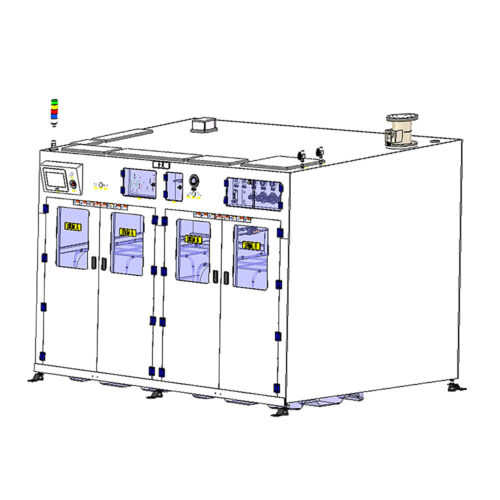
Armoire de traitement des gaz de queue de l'épurateur, armoire de traitement des gaz d'échappement, système d'épuration des gaz de ventilation, filtre thermique, chambre de combustion, système d'épuration/de réduction des gaz
-
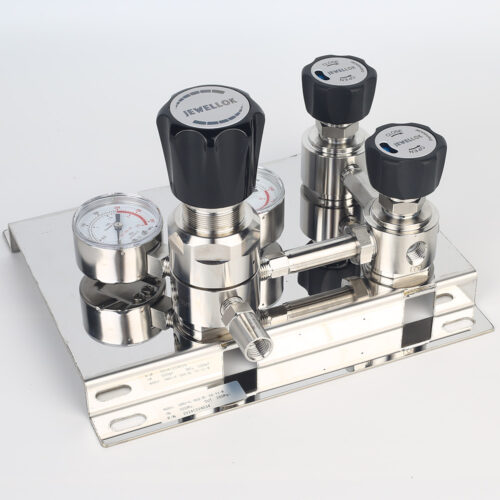
Panneaux de contrôle de pression à régulateur monophasé en acier inoxydable 316L, série JSP-1E, pour le contrôle des fluides semi-conducteurs
-
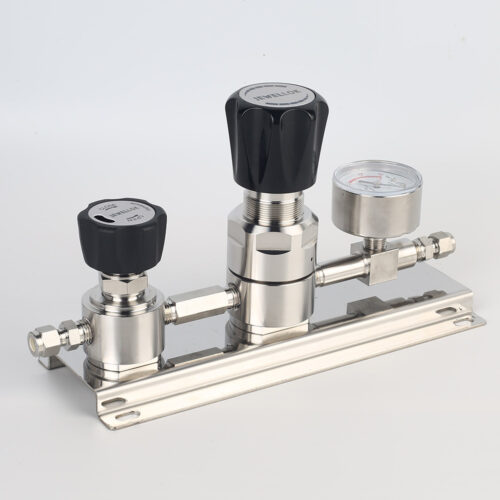
Régulateurs et vannes de contrôle de pression à haut débit et haute pureté pour tubes à gaz, série JSR-2TG
-
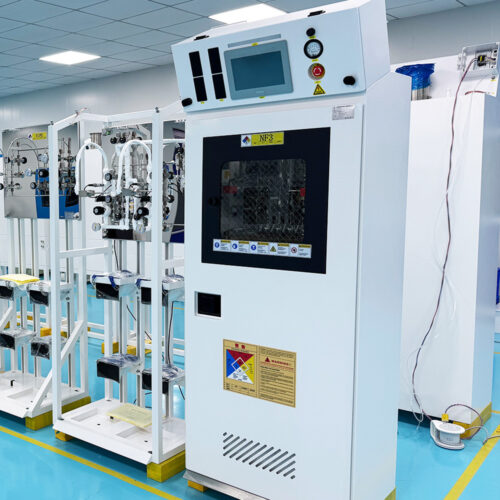
Armoire à gaz semi-automatique, panneaux de gaz, systèmes de distribution de gaz haute pureté JW-200-GC
-
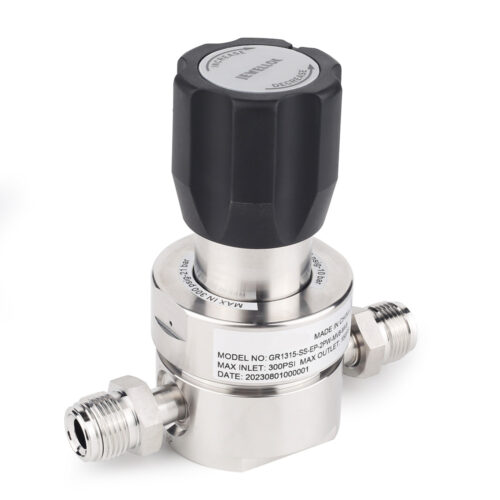
Régulateur monobloc ultra haute pureté série JR1300, régulateur de débit élevé pour fluides intermédiaires ultra haute pureté
-
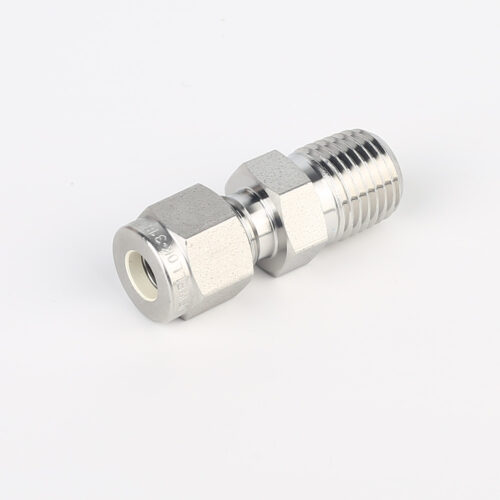
Raccord mâle à souder bout à bout pour tube en acier inoxydable 768L | Raccords Clean Weld et raccords de haute pureté
-
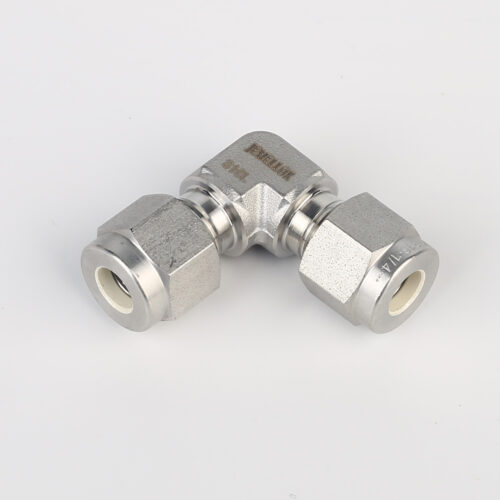
Raccord coudé d'union réduit en acier inoxydable 765L, raccord de haute pureté, raccordement de tube d'extension de tube
-
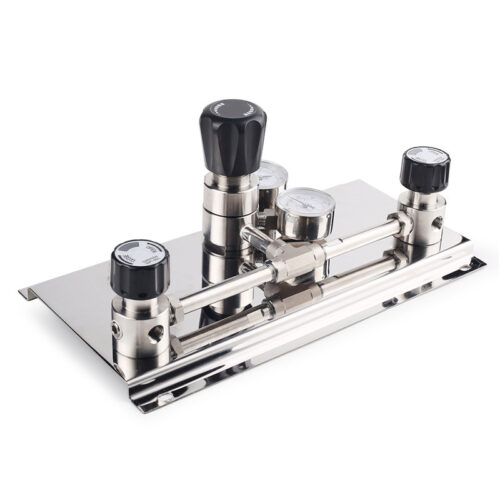
Système de collecteur de commutation semi-automatique en acier inoxydable haute pureté, panneau de commande haute pression d'azote avec boîtier de collecteur à vannes à semi-conducteurs et vannes à membrane