
Valves Manufacturer Tel: +86 13380377051
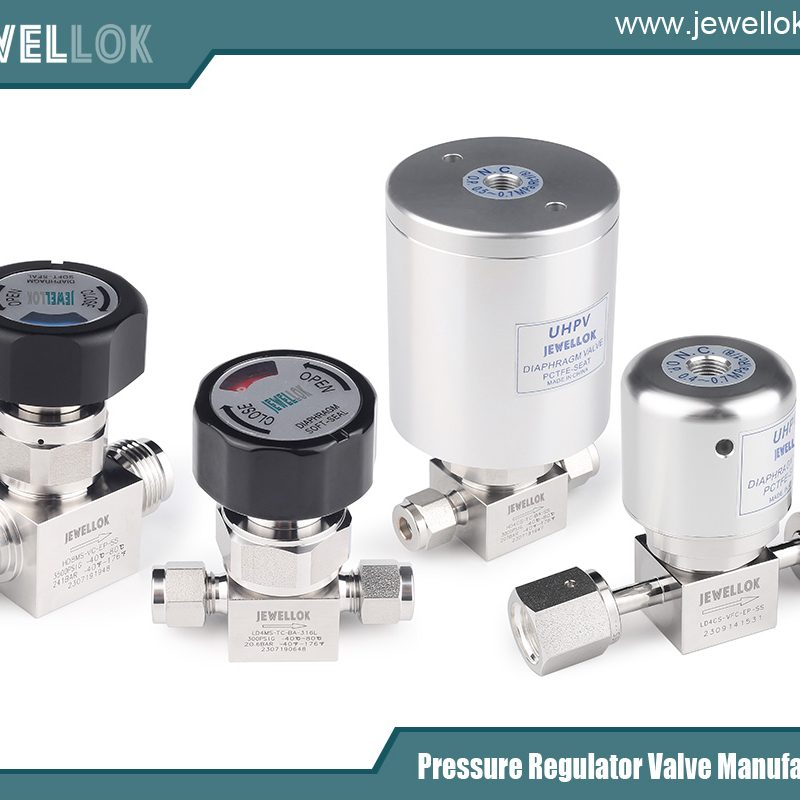
How Do Industrial Diaphragm Valve Manufacturers Balance the Valve’s Flow Capacity (Cv Value) with Its Sealing Performance?
Industrial diaphragm valves are essential components in sectors like chemical processing, pharmaceuticals, water treatment, and mining, where they manage corrosive, abrasive, or high-purity fluids. These valves use a flexible diaphragm to isolate the process media from the valve’s mechanical parts, providing reliable sealing while controlling flow. The flow capacity, quantified by the Cv value (the flow coefficient representing gallons per minute of water at 60°F passing through the valve with a 1 psi pressure drop), must be balanced with sealing performance to ensure efficiency, safety, and longevity.
Manufacturers face a inherent trade-off: maximizing Cv for high throughput can compromise the valve’s ability to achieve bubble-tight shutoff, especially under varying pressures, temperatures, or media conditions. Conversely, designs prioritizing sealing may restrict flow, leading to higher pressure drops and reduced system efficiency. This balance is achieved through careful material selection, geometric optimizations, and innovative features that enhance both metrics without significant compromises.
This article examines how manufacturers address this challenge, drawing on industry standards like ASME BPE and MSS SP-88. It explores key design elements, such as diaphragm shapes and valve body flow paths, that simultaneously improve Cv and sealing. By analyzing weir-type and straight-through configurations, along with advanced materials and innovations from leading manufacturers like Saunders (Crane), GEMÜ, ITT Pure-Flo, and Dia-Flo, we highlight practical strategies for optimizing valve performance in demanding applications.
Understanding Industrial Diaphragm Valves and Their Core Components
Diaphragm valves operate by flexing a diaphragm against a seat or weir to regulate or stop flow. Unlike globe or ball valves, they have no stem packing, eliminating potential leak paths and making them ideal for sanitary or hazardous environments. The diaphragm acts as both the sealing element and the flow control mechanism, pressed by a compressor attached to a stem or actuator.
There are two primary designs: weir-type and straight-through (full-bore). Weir-type valves feature a raised weir in the body against which the diaphragm seals, offering precise throttling and excellent shutoff but with some flow restriction. Straight-through valves provide an unobstructed path, maximizing Cv for slurries or high-viscosity media, though they may sacrifice some sealing precision in vacuum or low-pressure scenarios.
Manufacturers balance these by selecting materials like EPDM, Viton, or PTFE for diaphragms, which offer chemical resistance and durability. For instance, PTFE diaphragms with elastomer backings reduce cold flow (permanent deformation) while maintaining flexibility for sealing. Valve bodies, made from 316L stainless steel, cast iron, or lined with PFA/ETFE, enhance corrosion resistance without impeding flow. Actuators—manual, pneumatic, or electric—further fine-tune control, with features like travel stops preventing over-compression that could damage sealing while preserving Cv. Flow Capacity in Diaphragm Valves:
The Role of Cv
The Cv value is a critical metric for assessing a valve’s flow efficiency. In diaphragm valves, Cv is typically lower than in gate or ball valves due to the diaphragm’s interaction with the flow path, but optimizations can elevate it significantly. For example, a 2-inch weir-type valve might have a Cv of 150 when unlined, dropping to 9 at 10% open for precise control, while a straight-through equivalent reaches Cv 275 at full open, ideal for minimal pressure drop in slurry applications.
Manufacturers enhance Cv by streamlining the valve body to reduce turbulence and dead legs (stagnant areas). In high-purity designs, like ITT’s Pure-Flo, forged bodies with electropolished surfaces (Ra 0.25-0.8 μm) minimize friction, boosting Cv by 10-20% compared to cast alternatives. Lining materials, such as ETFE or PFA, provide smooth interiors that maintain high Cv while resisting abrasion.
However, high Cv can challenge system stability if not balanced. Overestimating Cv leads to undersized valves and excessive pressure drops, while underestimating causes oversizing and inefficiencies. Sizing tools consider factors like fluid velocity (8-10 fps for slurries, 15-20 fps for clean fluids) and pressure ratings (up to 150-200 psi). In GEMÜ valves, lower inherent Cv is offset by designs suited for viscous media, where the diaphragm’s isolation prevents contamination without sacrificing necessary flow.
Actuator integration also plays a role; pneumatic models with positioners allow variable Cv through stroke adjustment, enabling dynamic flow control without permanent restrictions.
Sealing Performance: Ensuring Leak-Tight Integrity
Sealing in diaphragm valves is achieved by the diaphragm’s compression against the seat, providing hermetic isolation. This design eliminates external leaks, crucial for handling toxic or sterile fluids, with performance often exceeding 1×10⁻⁶ atm-cc/sec in-leakage for elastomers.
Key to sealing is material resilience. PTFE diaphragms offer superior chemical resistance but can suffer cold flow; backing with EPDM or Viton cushions distributes stress, extending life to thousands of cycles. In Saunders valves, dual sealing ribs on PTFE diaphragms reduce closure torque while ensuring 100% leak-tightness per MSS SP-88, even with particulates.
Weir-type designs excel in sealing due to the weir’s support, enabling vacuum service down to 0.1 micron, whereas straight-through rely on diaphragm resilience alone, limiting them to positive pressures. Innovations like ITT’s EnviZion thermal compensation system maintain constant sealing force during temperature cycles (up to 300°F), preventing degradation without retorquing.
Testing includes hydrostatic shell tests (e.g., 240 psi for small sizes) and seat leak tests. Linings like butyl or neoprene enhance sealing in abrasive environments by absorbing impacts, while weep holes detect failures early.
Balancing Cv and Sealing: Manufacturer Strategies
Balancing Cv and sealing requires a holistic approach, as enhancing one can detract from the other. Manufacturers use iterative design, simulation, and material science to optimize. For instance, weir-type valves prioritize sealing with controlled Cv for throttling (e.g., Cv reductions of 11-25% in block configurations), while straight-through maximize Cv (up to 10,300 for DN350) for high-flow applications, trading off vacuum capability.
Material selection is pivotal: Reinforced diaphragms (woven fabric in EPDM) withstand high pressures (up to 16 bar) without compromising flexibility for sealing or restricting flow. In GEMÜ designs, isolation for corrosive fluids maintains sealing without inflating Cv beyond safe limits.
Actuators aid balance; fail-safe pneumatic units with positioners adjust stroke for variable Cv, ensuring sealing at closure. Dual-range weir valves, like Dia-Flo’s, use two compressors: inner for low Cv precision sealing, outer for high Cv flow, handling up to 100 psi.
Trade-offs are mitigated by application-specific choices. In pharmaceuticals, low Cv is acceptable for superior sealing (e.g., ASME BPE compliance with L/D=2:1 dead legs). For mining slurries, high Cv straight-through designs incorporate resilient diaphragms (e.g., Ultimate XA) for sealing despite solids up to 30%.
Cost-performance equilibrium is key; over-engineering for max Cv increases material costs, while poor sealing raises maintenance. Manufacturers like ITT use modular designs for quick maintenance, preserving both metrics over time.
Specific Structural Designs for Simultaneous Improvements
Certain designs effectively boost both Cv and sealing:
- Diaphragm Shape and Materials: Contoured, molded-closed diaphragms (e.g., Dia-Flo’s 2-piece PTFE with EPDM backing) conform tightly for sealing while minimizing resistance in open positions, increasing Cv by reducing turbulence. Inverted during installation, they avoid delamination. Saunders’ dual-ribbed PTFE shapes distribute force, lowering torque (enhancing usability) and improving cycle life, thus maintaining high Cv without seal wear. ITT’s TMZ diaphragms with enhanced backing optimize wear resistance, supporting Cv up to 46 in 2-inch valves while ensuring thermal-stable sealing. Floating tube nuts evenly load the diaphragm, preventing point stresses that could reduce Cv or cause leaks.
- Valve Body Flow Path: Streamlined, cavity-free paths in weir-type (e.g., Saunders A Type) reduce hold-up and turbulence, boosting Cv (e.g., DN50 Cv 80) while facilitating cleaning for better sealing. Straight-through KB Type’s full-bore design achieves Cv 588 for DN100, with energizing ribs on diaphragms ensuring seal despite unobstructed flow. Pure-Flo’s forged bodies with 30° drain angles minimize dead legs, enhancing drainability (sealing integrity) and flow efficiency. Dia-Flo’s contoured weir minimizes pockets, supporting vacuum sealing and Cv values like 310 in dual-range setups.
- Innovations: EnviZion’s thermal compensation applies constant 360° force, preventing seal gaps during cycles and maintaining Cv in high-temp applications. Tool-less mount-and-turn reduces downtime, preserving performance. Line-Lok linings prevent flexing over weirs, combining abrasion resistance (high Cv) with leak-proof sealing. GEMÜ’s isolation design for viscous fluids balances low Cv with contamination-free sealing. These features, compliant with FDA/USDA, enable simultaneous gains: e.g., 10-25% Cv improvement via smooth linings without sealing loss.
Practical Examples and Case Studies
In chlor-alkali plants, Saunders weir-type valves with PTFE diaphragms balance Cv 1980 (DN250) for acid flow with leak-tight sealing against corrosives. Pharmaceutical SIP processes use ITT EnviZion valves, where thermal compensation maintains sealing during 150°C cycles, supporting Cv 46 for efficient media transfer without contamination. Mining slurries employ Dia-Flo straightway designs, achieving Cv 209 (2-inch lined) with resilient butyl diaphragms for sealing amid 30% solids. GEMÜ valves in food processing handle viscous fluids with low Cv but superior sealing, reducing downtime. These cases demonstrate how tailored designs optimize both metrics.
Conclusion
Industrial diaphragm valve manufacturers balance Cv and sealing through strategic designs that address trade-offs via materials, geometry, and innovations. Weir-type prioritize sealing with controlled Cv, while straight-through maximize flow; hybrids like dual-range offer versatility. Structural enhancements—contoured diaphragms, streamlined flow paths, and thermal compensation—improve both simultaneously, as seen in products from Saunders, GEMÜ, ITT, and Dia-Flo.
Future advancements may incorporate smart sensors for real-time monitoring, further refining this balance. Engineers should select based on media, pressure, and application, using Cv calculations and standards to ensure optimal performance. Ultimately, these valves enhance system reliability, reducing costs and environmental impact in critical industries.
For more about how do industrial diaphragm valve manufacturers balance the valve’s flow capacity (Cv Value) with its sealing performance, you can pay a visit to Jewellok at https://www.jewellok.com/ for more info.
-
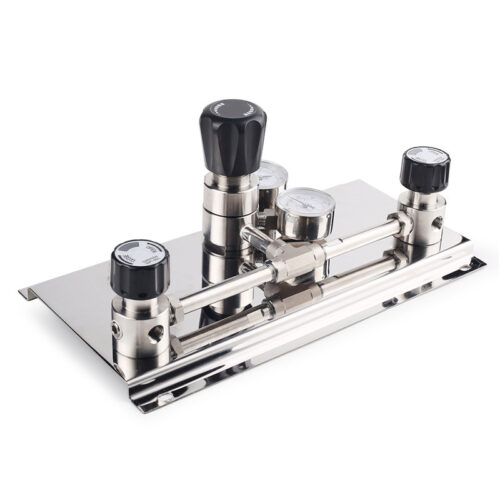
Hydrogen Manifold Argon Gas Manifold System Oxygen Manifold Propane Gas Manifold With Valves In Gas Manifold Changeover System
-
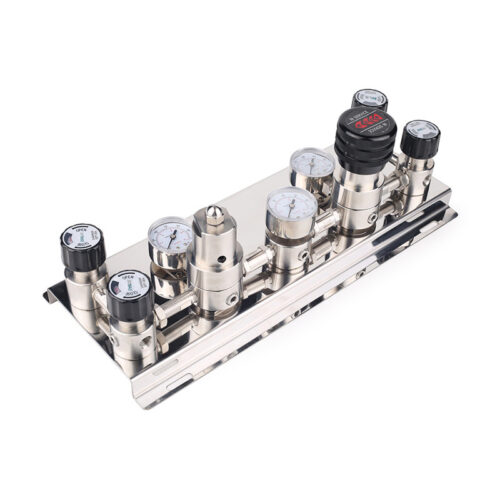
Stainless Steel High Pressure Specialty Gas Changeover Manifold For High Purity Oxygen Nitrogen Argon Helium Hydrogen Co2
-
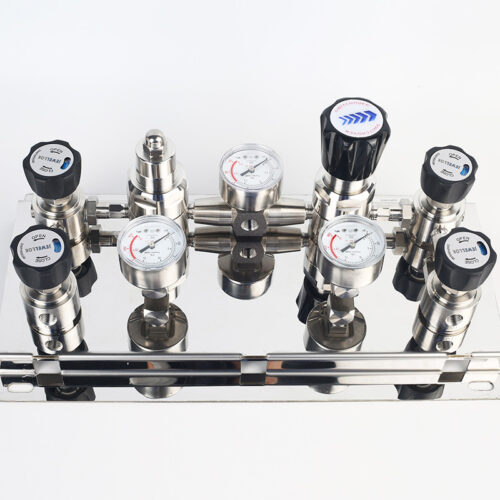
Semi Automatic Gas Changeover Manifold System Manual Changeover Manifold Panel Single Stage Automatic Switchover Board
-
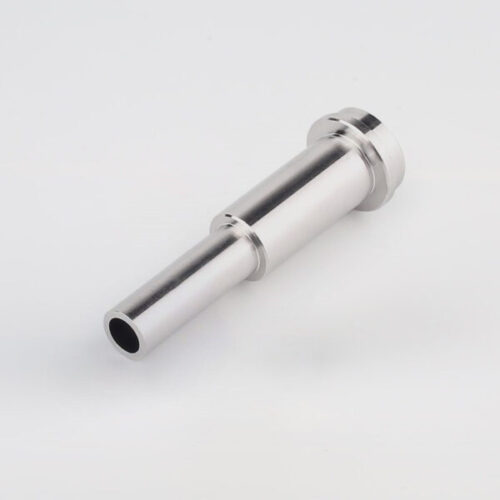
Long Gland LG Series For Ultra High Purity Gas And Chemical Delivery Systems
-
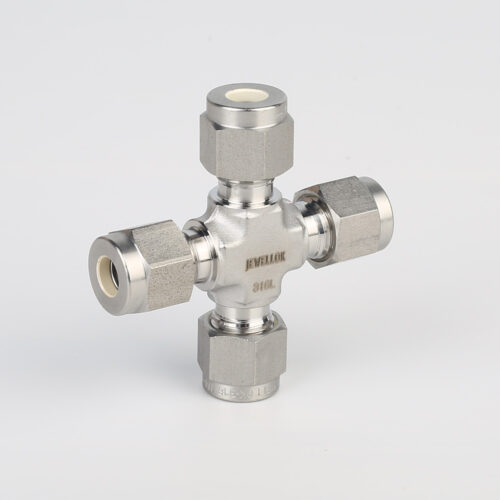
7102L Stainless Steel 316L SS Union Cross Ultra High Purity Long Arm Union Elbow Tee Cross Butt Weld Fittings
-
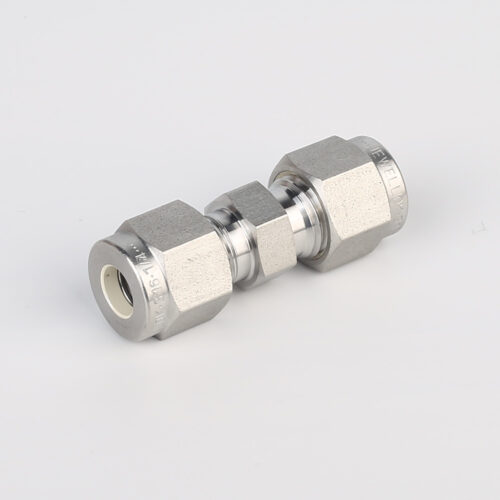
762L Stainless Steel High Purity Union High-Purity Gas System Fittings
-
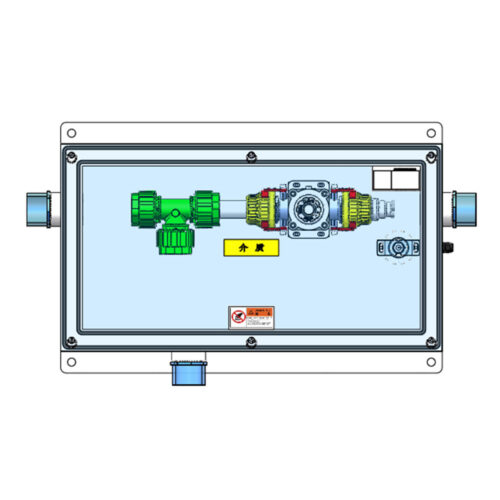
T-BOX JW-TB-C Special Gas Delivery System Gas Valve Manifold Boxes
-
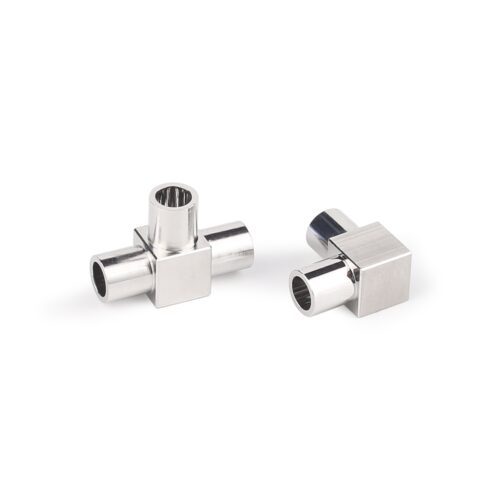
Stainless Steel Mini Elbow Mini Tee Mini Cross Mini Tribow Ultrahigh Purity Mini Butt Weld Fittings