




















Produttore di valvole Tel: +86 13380377051
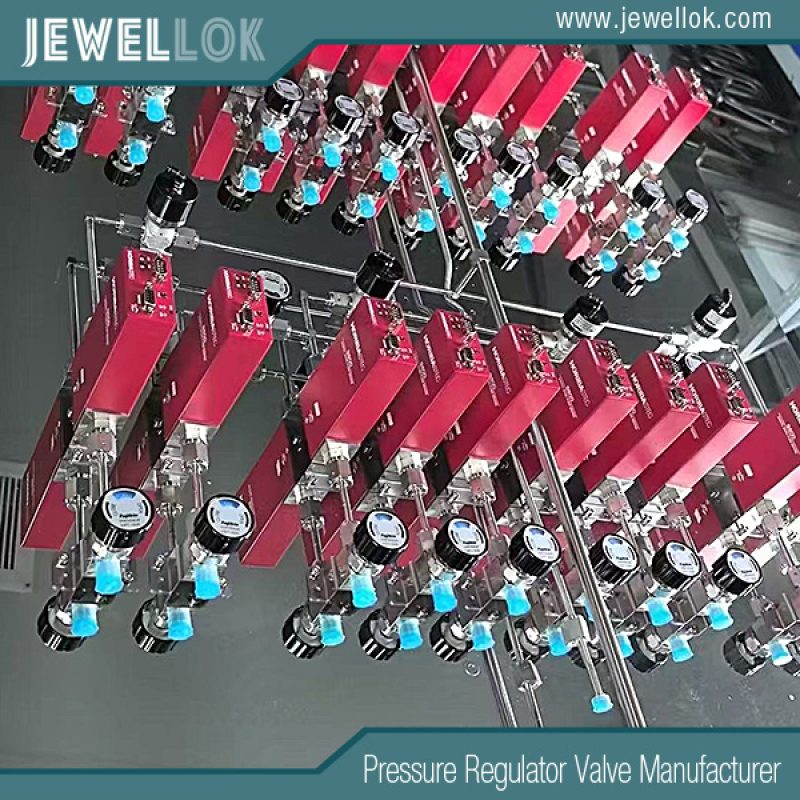
Valvola a sfera pneumatica
In the intricate landscape of industrial fluid control, pneumatic actuated ball valves emerge as vital components that ensure seamless operation across a multitude of applications. These valves marry the sturdy design of ball valves with the dynamic capabilities of pneumatic actuators, delivering a solution that is both reliable and efficient. Whether it’s managing the flow of crude oil in the energy sector or maintaining sterile conditions in pharmaceutical production, pneumatic actuated ball valves are indispensable. This 2000-word article explores the world of pneumatic actuated ball valve manufacturers, delving into their technology, applications, selection criteria, and the leading players in the industry.
Pneumatic actuated ball valves stand out due to their ability to combine simplicity with sophistication. The ball valve’s straightforward mechanism provides robust flow control, while the pneumatic actuator adds automation and precision, surpassing the capabilities of manual valves. This guide will cover how these valves work, their types, advantages and disadvantages, key applications, and tips for installation and maintenance. We’ll also spotlight prominent manufacturers and peek into future trends shaping this field.
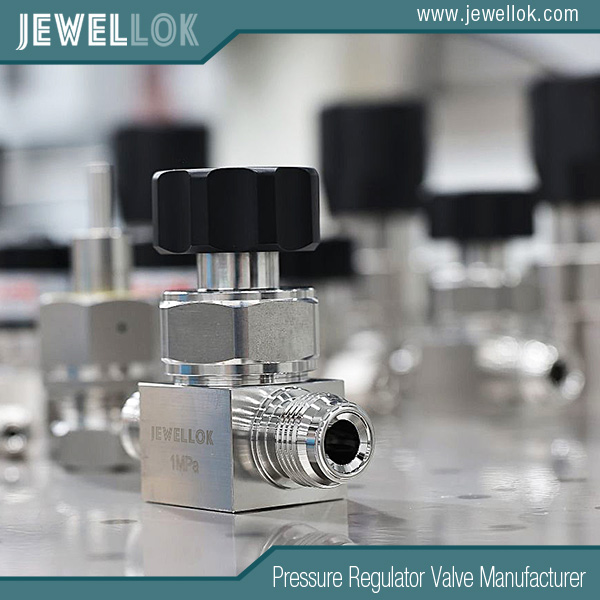
How Pneumatic Actuated Ball Valves Work
At the core of a pneumatic actuated ball valve is a spherical ball with a central port or hole. When rotated 90 degrees, this port aligns with the pipeline, allowing fluid to flow freely. Rotating it back positions the port perpendicular to the flow, halting it entirely. The pneumatic actuator drives this rotation by converting compressed air into mechanical motion.
The actuator typically contains a piston or diaphragm. Compressed air enters a chamber, pushing the piston or diaphragm, which then transfers torque to the valve stem via gears or linkages, rotating the ball. This system enables rapid operation—often in mere seconds—making it ideal for time-sensitive processes like emergency shutdowns.
There are two main actuator types:
- Double-Acting Actuators: Utilize air pressure to both open and close the valve, offering precise control for frequent or modulated operations.
- Spring-Return Actuators: Use air to open the valve and a spring to close it when air pressure drops, providing a fail-safe mechanism for critical applications.
This synergy between the ball valve and actuator ensures durability and responsiveness, even in challenging environments where electrical power is impractical.
Types and Variations
Pneumatic actuated ball valves come in various configurations to suit diverse needs. Understanding these options is crucial for selecting the right valve.
Actuator Types
- Double-Acting: Require air for both movements, ideal for high-torque or frequent-use scenarios. They’re compact but need a constant air supply.
- Spring-Return: Use air to open and a spring to close, ensuring safety during air loss. They’re larger and costlier but essential for fail-safe operations.
Ball Valve Designs
- Floating Ball Valves: The ball floats between seats, pressed against the downstream seat by fluid pressure for sealing. Best for lower-pressure applications due to their simplicity.
- Trunnion-Mounted Ball Valves: The ball is fixed by trunnions, supporting higher pressures and larger sizes, making them suitable for heavy-duty use.
Port Configurations
- Two-Way: One inlet and one outlet for basic on/off control.
- Three-Way: Three ports for diverting or mixing fluids, offering versatile flow management.
- Four-Way: Rare, used for complex multi-path applications.
These variations allow customization to meet specific operational demands, from simple shut-off to intricate flow control.
Advantages and Disadvantages
Pneumatic actuated ball valves offer distinct benefits but also come with limitations.
Advantages
- Rapid Operation: Open or close in seconds, critical for emergencies or fast processes.
- Reliability: Fewer moving parts reduce wear and failure risk, enhancing longevity.
- Versatility: Handle diverse fluids—gases, liquids, slurries—across wide temperature and pressure ranges.
- Automation: Easily integrated into control systems for remote operation.
- Safety: Air-powered, reducing electrical hazards in volatile settings.
Disadvantages
- Air Dependency: Require a consistent compressed air source, a challenge in remote areas.
- Cost: Higher initial investment due to actuators and air systems.
- Size: Spring-return actuators can be bulky, complicating tight-space installations.
- Air Quality: Contaminants in air (e.g., moisture) can impair performance, necessitating maintenance.
These factors guide decision-making, balancing benefits against operational constraints.
Applications Across Industries
The adaptability of pneumatic actuated ball valves makes them vital in numerous sectors:
- Oil and Gas: Manage high-pressure flows of oil, gas, and refined products in exploration, transport, and refining.
- Chemical Processing: Control corrosive or hazardous substances with leak-proof sealing.
- Water Treatment: Regulate water and sludge in treatment facilities for consistent processing.
- Pharmaceuticals: Ensure sterile fluid handling in drug production.
- Food and Beverage: Handle viscous fluids like syrups in hygienic conditions.
- Power Generation: Control steam and cooling fluids in power plants.
- Mining: Manage abrasive slurries under tough conditions.
This broad applicability underscores their role in industrial efficiency and safety.
Selection Criteria
Choosing the right valve involves evaluating several factors:
- Pressure and Temperature: Must match operating conditions, including potential extremes.
- Fluid Compatibility: Materials (e.g., stainless steel) must resist corrosion or meet sanitary standards.
- Actuator Sizing: Must deliver adequate torque for all valve states (break, run, seat).
- Control Needs: On/off vs. modulating control affects actuator choice.
- Fail-Safe: Spring-return for safety-critical applications.
- Environment: Ambient conditions (e.g., humidity, explosiveness) impact design.
- Standards: Compliance with API, ANSI, or industry-specific certifications.
A thorough assessment ensures optimal performance and durability.
Leading Pneumatic Actuated Ball Valve Manufacturers
Several manufacturers dominate this market, each offering unique strengths:
- Emerson: Through Fisher and Keystone brands, Emerson provides innovative, reliable valves for diverse industries, known for advanced automation solutions.
- Flowserve: Worcester and Argus brands deliver durable valves for chemical and power applications, emphasizing performance under pressure.
- Cameron: Grove and WKM valves cater to oil and gas, excelling in high-pressure, harsh environments.
- Velan: High-performance valves for critical uses like nuclear power, meeting rigorous safety standards.
- Bray International: Cost-effective yet quality valves and actuators for broad applications.
- Habonim: Compact, lightweight designs ideal for space-limited setups.
Selecting a manufacturer involves assessing product quality, support, and reputation.
Installation and Maintenance Tips
Proper handling extends valve life and performance.
Installation
- Orientation: Follow manufacturer guidelines, especially for actuator positioning.
- Alignment: Ensure valve and actuator alignment to prevent stress.
- Support: Secure piping to avoid strain or vibration.
- Air Supply: Use clean, dry air with appropriate filters.
Maintenance
- Inspections: Check for leaks or irregular operation regularly.
- Lubrication: Apply as recommended for actuators.
- Seals: Replace worn seals with OEM parts.
- Calibration: Adjust modulating actuators for accuracy.
- Records: Track maintenance for predictive planning.
These practices minimize downtime and maximize efficiency.
Future Trends
The field is evolving with technological advancements:
- Smart Actuators: Sensors and connectivity enable real-time monitoring and predictive maintenance.
- Advanced Materials: New alloys and polymers enhance resistance and lifespan.
- Energy Efficiency: Actuators designed to use less air, cutting costs.
- Miniaturization: Smaller actuators for tight spaces without sacrificing power.
- IoT Integration: Connected valves improve process control and data insights.
These innovations promise smarter, more efficient valves.
Conclusione
Pneumatic actuated ball valves are pivotal in industrial fluid management, blending speed, reliability, and versatility. Their applications span critical sectors, supported by a robust design and automation capabilities. By understanding their operation, types, and selection factors, and choosing from reputable manufacturers like Emerson or Flowserve, industries can optimize their processes. With proper installation and maintenance, these valves deliver long-term value. As smart technologies and new materials emerge, pneumatic actuated ball valves will continue to evolve, reinforcing their essential role in industrial innovation.
For more about the best pneumatic actuated ball valve, you can pay a visit to Jewellok at https://www.jewellok.com/ per maggiori informazioni.
-
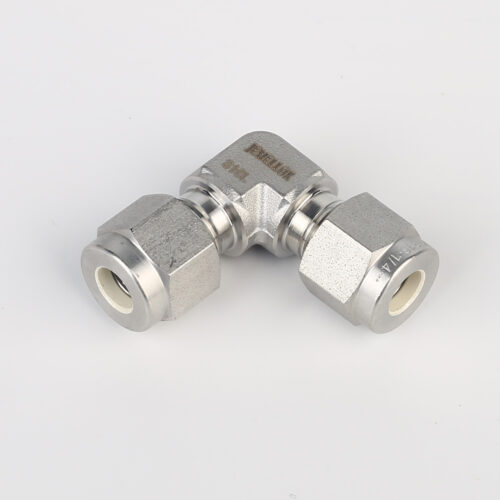
Raccordo a gomito di riduzione in acciaio inox 765L ad alta purezza per tubi, prolunga per collegamento tubi.
-
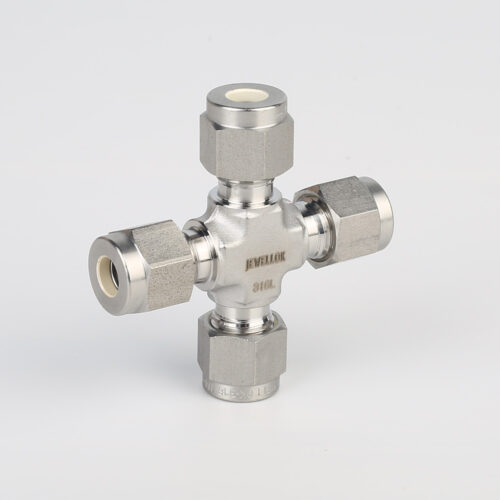
Raccordi a T, gomito, raccordo a croce, raccordo a T
-
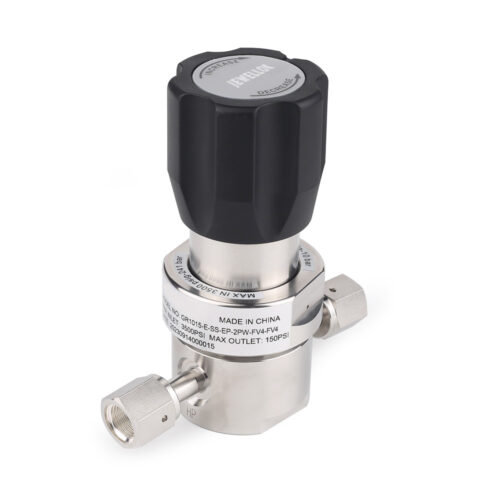
Regolatore di pressione monostadio UHP ad altissima purezza serie JR1000 e flusso da basso a intermedio
-
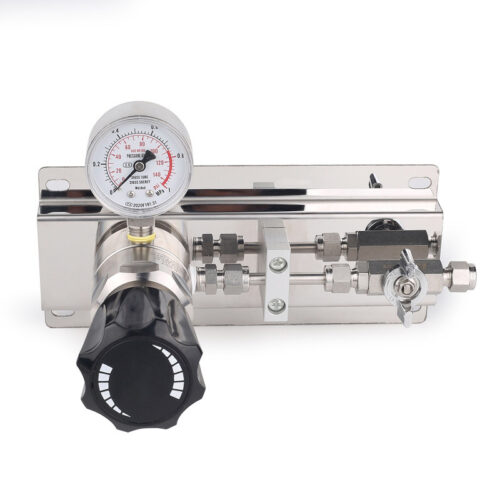
Pannello regolatore semiautomatico per collettore di commutazione bombole di gas ad alta purezza 3000 psig, pannello di controllo gas in acciaio inox 1/8 NPT con manometro
-
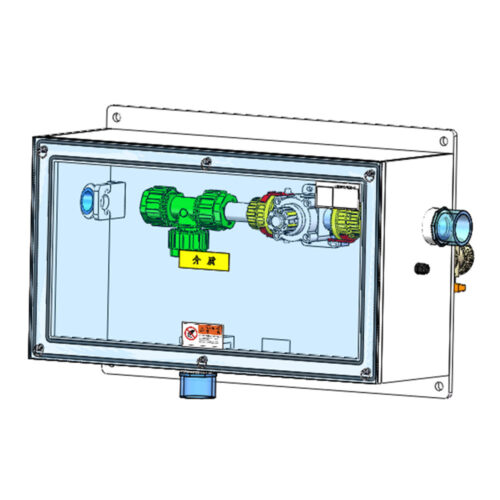
Armadio di trattamento dei gas di scarico Scrubber Trattamento dei gas di scarico Scrubber a umido Trattamento dei gas di scarico Torre di spruzzatura
-

Gestione di sostanze chimiche pericolose con un sistema personalizzato di erogazione di liquidi chimici sfusi (BCDS) negli impianti farmaceutici
-
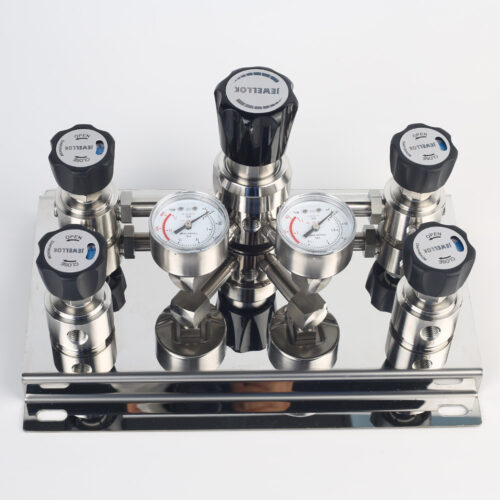
Pannelli di controllo della pressione a stadio singolo per montaggio a parete e in armadio, serie JSP-2E, per gas ad alta purezza.
-
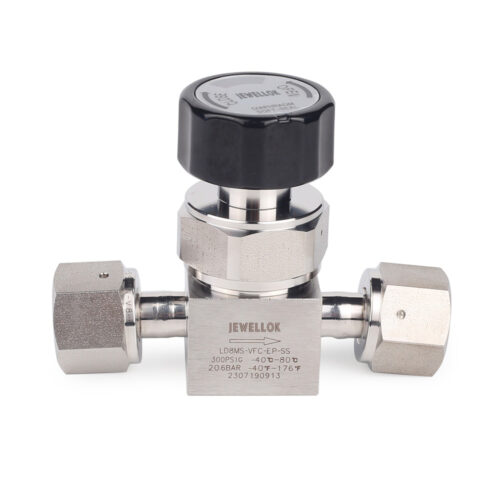
Opzioni di valvole a membrana ad altissima purezza in acciaio inossidabile 316L Vim Var per sistemi di distribuzione di gas per semiconduttori