




















バルブメーカー TEL: +86 13380377051
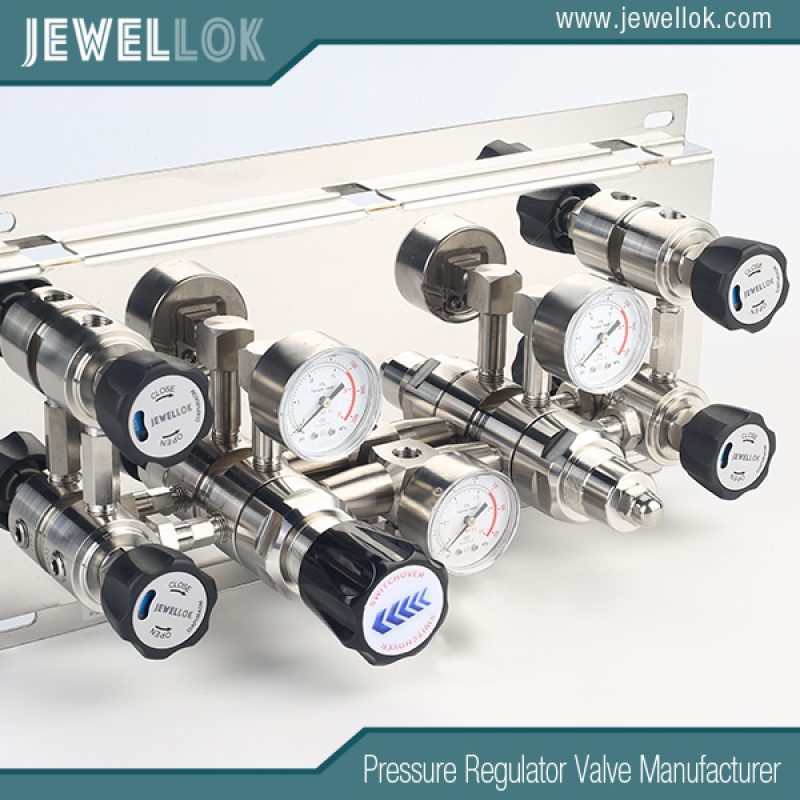
真鍮製圧力調整器:圧力制御システムにおける重要コンポーネント
Pressure regulation is a cornerstone of safe and efficient operations across countless industries, from gas distribution to water management and industrial manufacturing. At the heart of many pressure control systems lies the 真鍮製圧力調整器, a device celebrated for its durability, versatility, and affordability. Made from brass—an alloy of copper and zinc—these regulators combine corrosion resistance, machinability, and thermal conductivity, making them a go-to choice for managing fluid pressure in diverse applications.This article provides an in-depth exploration of brass pressure regulators, detailing their functionality, types, uses, benefits, upkeep, and more. Whether you’re an engineer designing a system or a technician maintaining one, this guide will equip you with the knowledge to understand and utilize brass pressure regulators effectively.
- What is a Brass Pressure Regulator?
A brass pressure regulator is a specialized valve designed to maintain a consistent downstream pressure, regardless of variations in upstream pressure or flow demand. It works by automatically adjusting the flow of a fluid—be it gas or liquid—to reduce high inlet pressure to a stable, lower outlet pressure. This ensures that downstream systems operate safely and efficiently within their intended pressure ranges.Brass is a favored material for these regulators due to its unique properties:
- Corrosion Resistance: Brass withstands rust and degradation, making it suitable for use with water, air, and many gases.
- Machinability: Its ease of shaping allows for the creation of precise, reliable components.
- Thermal Conductivity: Brass dissipates heat effectively, which is advantageous in high-temperature environments.
- Cost-Effectiveness: Compared to materials like stainless steel, brass offers robust performance at a lower cost.
These attributes position brass pressure regulators as a practical and reliable solution across multiple industries.
- Types of Brass Pressure Regulators
Brass pressure regulators are available in various designs, tailored to specific pressure control needs. The two main types are single-stage and two-stage regulators.
- 単段式レギュレータ
Single-stage regulators reduce pressure in a single step using a diaphragm or piston to respond to changes in outlet pressure. They are straightforward, compact, and ideal for systems with stable inlet pressure where high precision isn’t critical.
- Advantages: Simple design, affordable, easy to maintain.
- Disadvantages: Less effective at maintaining consistent pressure if inlet conditions fluctuate significantly.
- 2段階レギュレータ
Two-stage regulators operate in two phases for enhanced precision. The first stage lowers the inlet pressure to an intermediate level, while the second stage refines it to the desired outlet pressure. This design excels in applications requiring stable pressure despite variable supply conditions.
- Advantages: Superior accuracy, stable performance, ideal for sensitive applications.
- Disadvantages: More complex, costlier, and bulkier than single-stage models.
- How Brass Pressure Regulators Work
The operation of a brass pressure regulator hinges on a delicate balance of mechanical forces to control fluid flow and stabilize outlet pressure.
- Working Principle
A typical brass pressure regulator includes the following components:
- Diaphragm or Piston: Detects changes in outlet pressure.
- Spring: Provides a counterforce to the diaphragm or piston.
- Valve Seat and Plug: Regulate the fluid flow through the regulator.
Here’s how it works:
- The outlet pressure exerts force on the diaphragm or piston.
- The spring pushes back against this force, based on the desired pressure setting.
- If the outlet pressure drops below the set point, the spring moves the diaphragm or piston to open the valve, allowing more fluid to flow and raise the pressure.
- If the outlet pressure exceeds the set point, the diaphragm or piston compresses the spring, closing the valve to reduce flow and lower the pressure.
This self-regulating mechanism ensures a steady outlet pressure, compensating for changes in inlet pressure or downstream demand.
4.Applications of Brass Pressure Regulators
Brass pressure regulators are remarkably versatile, serving a wide range of industries and systems. Some key applications include:
- Gas Distribution: Managing pressure for natural gas, propane, or other gases in homes, businesses, and industrial facilities.
- Water Systems: Regulating water pressure in plumbing, irrigation, and treatment plants.
- HVAC Systems: Controlling refrigerant and fluid pressures in heating, ventilation, and air conditioning setups.
- Industrial Processes: Maintaining consistent pressure for pneumatic tools, welding, and chemical processing.
Real-World Examples
- Residential Gas Supply: In homes, brass regulators reduce high-pressure gas from utility lines to safe levels for appliances like ovens and heaters.
- Irrigation Systems: In agriculture, they ensure uniform water pressure for efficient sprinkler operation, promoting even crop growth.
5.Advantages and Disadvantages
Brass pressure regulators offer distinct benefits, but they also have limitations that users must weigh.
5.1 Advantages
- Durability: Brass’s resistance to corrosion ensures long-term reliability, even in challenging environments.
- Cost-Effectiveness: It provides a strong performance-to-price ratio compared to pricier alternatives like stainless steel.
- Versatility: Compatible with a broad spectrum of fluids, including water, air, and non-corrosive gases.
- Ease of Maintenance: Brass components are straightforward to clean and repair, minimizing downtime.
5.2 Disadvantages
- Limited Chemical Compatibility: Brass may corrode when exposed to highly aggressive chemicals, where stainless steel or plastic might be better suited.
- Temperature Sensitivity: While brass handles moderate heat well, it may falter in extreme high- or low-temperature conditions.
- Weight: Brass is heavier than some materials, which could be a drawback in portable or lightweight systems.
6.Maintenance and Troubleshooting
Proper maintenance is vital to keep brass pressure regulators performing optimally over time. Routine care can extend their lifespan and prevent system failures.
6.1 Maintenance Tasks
- Inspection: Regularly examine the regulator for wear, corrosion, or damage to the diaphragm, seals, and valve parts.
- Cleaning: Clear out debris or buildup that might impair function, using appropriate cleaning agents for brass.
- Pressure Calibration: Periodically test the outlet pressure and adjust the spring tension to maintain accuracy.
6.2 Common Problems and Solutions
- Pressure Creep: A gradual rise in outlet pressure may signal a worn valve seat or debris interference. Solution: Clean or replace the valve seat.
- Leakage: Leaks often stem from damaged seals or poor assembly. Solution: Check and replace seals, ensuring correct installation.
- Inconsistent Pressure: Fluctuations could indicate a faulty diaphragm or improper spring tension. Solution: Replace the diaphragm or recalibrate the spring.
- How to Select the Right 真鍮製圧力調整器
Choosing the best brass pressure regulator requires careful consideration of your system’s needs. Key factors include:
- Pressure Range: Ensure the regulator can manage the maximum inlet pressure and deliver the required outlet pressure.
- Flow Rate: Pick a model that supports the necessary flow without excessive pressure loss.
- Fluid Type: Verify brass compatibility with the fluid, accounting for corrosiveness and temperature.
- Accuracy Needs: Opt for a two-stage regulator if precise control is essential.
- Environmental Conditions: Assess operating factors like temperature, humidity, and chemical exposure.
Additional considerations include size, weight, and integration with existing equipment. Consulting manufacturer specifications can help refine your choice.
- Standards and Regulations
Brass pressure regulators must meet industry standards to guarantee safety and performance. Relevant guidelines include:
- ANSI/ASME Standards: Govern pressure regulators in gas and fluid systems in the U.S.
- ISO Standards: Provide international benchmarks for pressure control devices.
- CGA Standards: Set by the Compressed Gas Association for regulators handling compressed gases.
Compliance with these standards ensures reliability and safety in demanding applications.
- 結論
Brass pressure regulators are indispensable tools for maintaining safe and efficient pressure levels across a multitude of systems. Their blend of durability, affordability, and adaptability makes them a staple in industries ranging from residential utilities to advanced manufacturing. By grasping their mechanics, benefits, and care requirements, users can harness these regulators to enhance system performance and longevity.With this knowledge, you’re well-equipped to select, install, and maintain brass pressure regulators that meet your specific needs, ensuring operational success and safety.
For more about the brass pressure regulator: a key component in pressure control systems, you can pay a visit to Jewellok at https://www.jewellok.com/ 詳細については、こちらをご覧ください。.
-
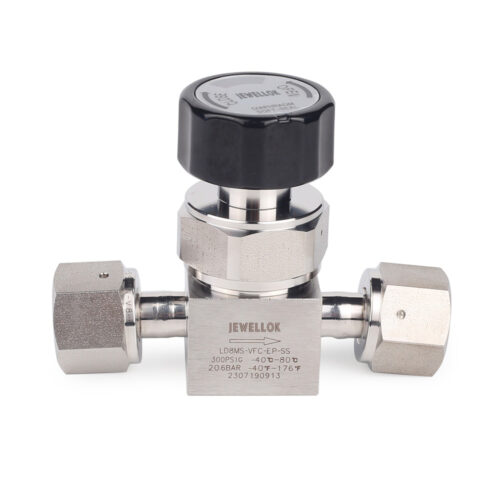
半導体ガス供給システム向け316L Vim Varステンレス鋼超高純度ダイヤフラムバルブオプション
-
316Lステンレス鋼管突合せ溶接減径継手ユニオンレデューサーRWシリーズ超高純度プロセス
-
腐食性特殊ガス供給用316L Vim Varステンレス鋼製超高純度ガス減圧弁
-
統合ガス供給システム用超高純度ステンレス鋼製圧縮ガス切替マニホールドパネルシステム
-
高純度および工業用ガススティックアセンブリ精密圧力制御ガスシステム JSR-1ETG-BVシリーズ
-
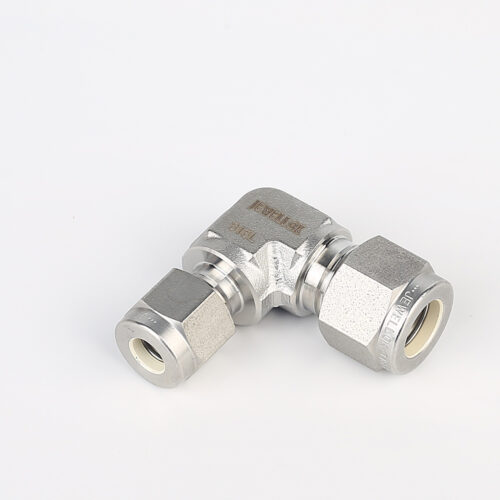
765LR 異径ティー | ステンレス鋼316高純度突合せ溶接継手、溶接パイプ継手用金属フェースシール異径ティー
-
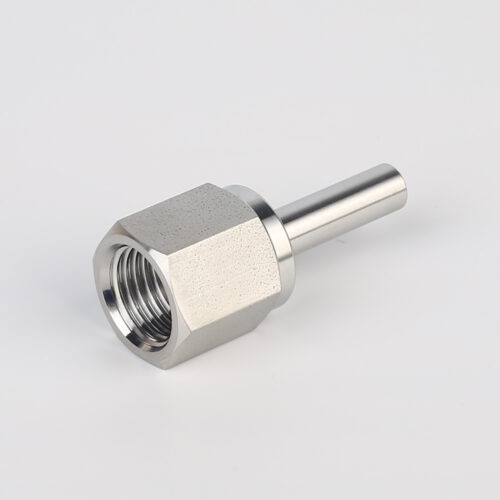
739LF 高純度メスアダプターチューブ-パイプ継手およびコネクタ
-

液体薬品供給モジュール(CDM)のメンテナンス:システム稼働時間の最大化のための超高圧ダイヤフラムバルブの最適化