




















バルブメーカー TEL: +86 13380377051
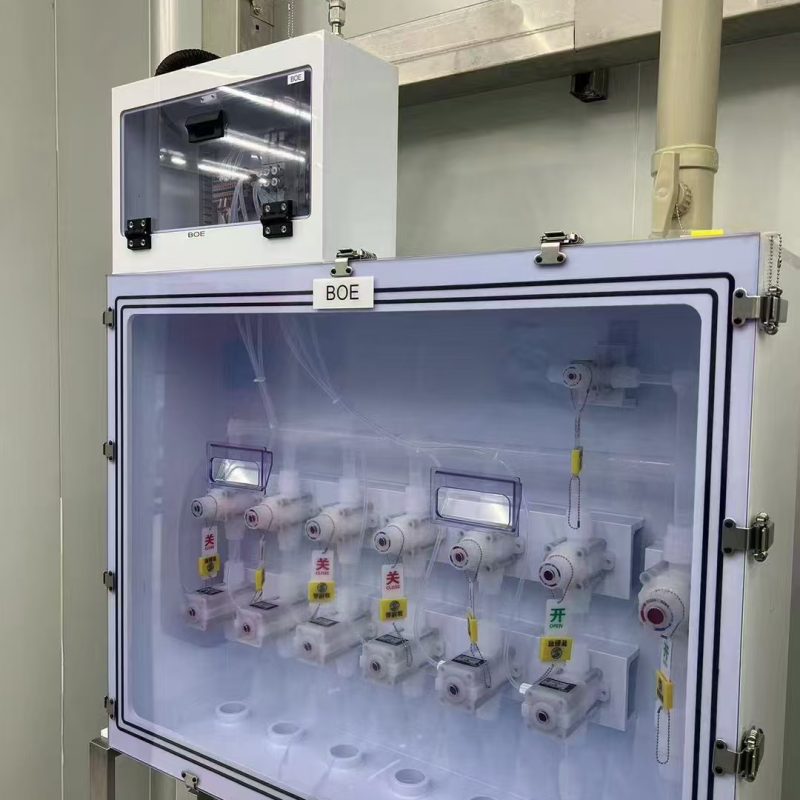
チップ製造における酸および溶媒ハンドリング用ケミカル供給モジュール
The semiconductor industry relies on extreme precision, ultra-clean environments, and highly controlled chemical processes to produce integrated circuits with nanometer-scale features. Among the critical subsystems supporting semiconductor fabrication, the Chemical Delivery Module (CDM) plays a vital role in ensuring the safe, accurate, and contamination-free transport of acids and solvents used throughout wafer processing. As chip manufacturing continues to evolve toward smaller nodes and higher complexity, the performance requirements for chemical delivery systems have become increasingly stringent. This article explores the design principles, key components, operational challenges, and technological advancements associated with chemical delivery modules for acid and solvent handling in chip manufacturing.
1. Role of Chemical Delivery in Semiconductor Fabrication
In semiconductor fabrication facilities (fabs), a wide range of chemicals—including strong acids (such as sulfuric acid, hydrofluoric acid, and nitric acid) and organic solvents (such as isopropyl alcohol, acetone, and photoresist developers)—are used for cleaning, etching, stripping, and surface preparation processes. These chemicals must be delivered to process tools with:
- High purity (often at parts-per-billion levels)
- Precise flow rates and pressures
- 粒子発生を最小限に抑える
- Zero cross-contamination
の Chemical Delivery Module acts as the interface between bulk chemical storage and point-of-use (POU) equipment, ensuring that chemicals are conditioned, filtered, and delivered in a controlled manner.
2. Core Functions of a Chemical Delivery Module
A well-designed CDM performs several critical functions:
2.1 Chemical Storage and Conditioning
Chemicals are typically stored in bulk containers such as drums, totes, or high-purity tanks. The CDM includes storage integration with features such as:
- Level sensors for real-time monitoring
- Temperature control systems to maintain chemical stability
- Inert gas blanketing (e.g., nitrogen) to prevent oxidation or contamination
2.2 Filtration and Purification
Even high-grade chemicals may contain trace particles or impurities. CDMs incorporate multi-stage filtration systems:
- Pre-filters for removing large particulates
- Final filters (e.g., 0.05 µm or finer) for ultra-clean delivery
- Optional degassing units to eliminate dissolved gases
2.3 Flow and Pressure Control
Precise delivery is achieved using:
- Mass flow controllers (MFCs) or flow meters
- Pressure regulators and back-pressure valves
- Pulsation dampeners for stable flow
2.4 Distribution to Process Tools
The CDM routes chemicals through high-purity tubing (often PFA or PTFE) to multiple tools. It must maintain consistent pressure and avoid dead legs or stagnant zones that could lead to contamination.
3. Key Components and Materials
The performance of a CDM depends heavily on the selection of materials and components compatible with aggressive chemicals.
3.1 Valves
Ultra-high purity (UHP) diaphragm valves are widely used due to their:
- Minimal internal volume
- Smooth wetted surfaces
- 低粒子発生
Materials include PTFE, PFA, and high-purity stainless steel (e.g., 316L with electropolishing).
3.2 Pumps
Chemical delivery systems use specialized pumps such as:
- Air-operated diaphragm (AODD) pumps for corrosive fluids
- Magnetic drive centrifugal pumps for leak-free operation
- Peristaltic pumps for precise, low-shear delivery
3.3 Tubing and Fittings
Fluoropolymer tubing (PFA, PTFE) is preferred due to its:
- Chemical resistance
- 滑らかな内面
- Low extractables
Connections often use flare or compression fittings designed for high purity.
3.4 Sensors and Instrumentation
Advanced monitoring includes:
- Flow sensors (ultrasonic or Coriolis)
- Pressure transducers
- Leak detection systems
- Chemical concentration analyzers
4. Design Considerations for Acid and Solvent Handling
Handling acids and solvents introduces unique engineering challenges that must be addressed in CDM design.
4.1 Corrosion Resistance
Strong acids such as HF can aggressively attack many materials. Therefore:
- Metal exposure is minimized or eliminated in critical flow paths
- Fluoropolymers are extensively used
- Welded systems are preferred over threaded joints to reduce leak risks
4.2 Safety and Containment
Given the hazardous nature of these chemicals, safety is paramount:
- Double containment piping systems
- Leak detection sensors with automatic shutoff
- Ventilation and exhaust integration
- Emergency drain and neutralization systems
4.3 Cross-Contamination Prevention
Even trace contamination can ruin semiconductor wafers:
- Dedicated lines for each chemical
- Automated flushing and purging systems
- Dead-leg-free design (no stagnant zones)
4.4 Static Charge and Solvent Handling
Organic solvents can generate static electricity:
- Grounding and bonding of components
- Use of anti-static materials
- Controlled flow velocities
5. Automation and Control Systems
Modern CDMs are highly automated and integrated with fab-wide control systems.
5.1 PLC and SCADA Integration
Programmable Logic Controllers (PLCs) manage:
- Valve actuation sequences
- Pump operation
- Alarm handling
Supervisory Control and Data Acquisition (SCADA) systems provide:
- Real-time monitoring
- Data logging for traceability
- Remote control and diagnostics
5.2 Recipe-Based Chemical Delivery
Advanced systems allow programmable recipes for:
- Flow rates
- Delivery timing
- Chemical blending (if required)
This ensures repeatability and process consistency.
5.3 Predictive Maintenance
Using sensor data and analytics, CDMs can predict:
- Filter clogging
- Pump wear
- Valve degradation
This reduces downtime and improves reliability.
6. Cleanliness and Contamination Control
Maintaining ultra-clean conditions is one of the most critical requirements.
6.1 Surface Finish and Passivation
Metal components are electropolished to reduce roughness and particle generation. Passivation processes enhance corrosion resistance.
6.2 Particle Control
Design strategies include:
- Laminar flow paths
- Minimal turbulence
- High-quality filtration
6.3 Chemical Compatibility
Materials are carefully selected to avoid leaching, swelling, or degradation that could introduce contaminants.
7. Environmental and Regulatory Considerations
Semiconductor fabs must comply with strict environmental and safety regulations.
7.1 Waste Management
Used acids and solvents must be:
- Collected and segregated
- Neutralized or treated
- Disposed of according to environmental regulations
7.2 Emissions Control
Volatile organic compounds (VOCs) from solvents require:
- Exhaust systems
- Scrubbers or abatement units
7.3 Compliance Standards
CDMs must meet industry standards such as:
- SEMI standards (e.g., SEMI S2 for safety)
- ISO cleanroom requirements
- Local environmental regulations
8. Emerging Trends and Innovations
As semiconductor technology advances, CDMs are evolving to meet new demands.
8.1 Miniaturization and Modular Design
Compact, skid-mounted modules allow:
- Faster installation
- Easier scalability
- Reduced footprint in fabs
8.2 Smart Sensors and IoT Integration
Next-generation CDMs incorporate:
- Wireless sensors
- Cloud-based monitoring
- AI-driven optimization
8.3 Advanced Materials
New materials such as:
- High-performance fluoropolymers
- Ceramic coatings
- Composite materials
offer improved durability and purity.
8.4 Chemical Recycling Systems
To reduce costs and environmental impact:
- On-site chemical purification and reuse systems are being integrated
- Closed-loop delivery systems minimize waste
9. Challenges and Future Outlook
Despite significant advancements, several challenges remain:
- Increasing purity requirements for advanced nodes (e.g., 3 nm and below)
- Handling new, more reactive or specialized chemicals
- Balancing cost, safety, and performance
Looking ahead, chemical delivery modules will become more intelligent, autonomous, and integrated with overall fab digital ecosystems. The adoption of Industry 4.0 principles will further enhance efficiency, reliability, and sustainability.
結論
の Chemical Delivery Module is a cornerstone of semiconductor manufacturing, enabling the precise and contamination-free handling of acids and solvents essential to wafer processing. Its design requires a careful balance of chemical compatibility, mechanical reliability, and advanced control systems. As the semiconductor industry continues to push technological boundaries, CDMs must evolve to meet ever-increasing demands for purity, safety, and efficiency. Through innovations in materials, automation, and system integration, chemical delivery modules will remain a critical enabler of next-generation chip manufacturing.
For more about the chemical delivery module for acid and solvent handling in chip manufacturing, you can pay a visit to Jewellok at https://www.jewellok.com/product-category/chemical-delivery-system/ 詳細については、こちらをご覧ください。.
-
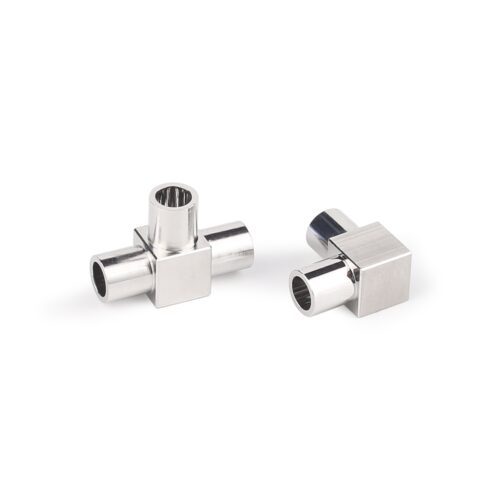
ステンレス鋼製ミニエルボ、ミニT字継手、ミニクロス継手、ミニトライボウ継手、超高純度ミニ突合せ溶接継手
-
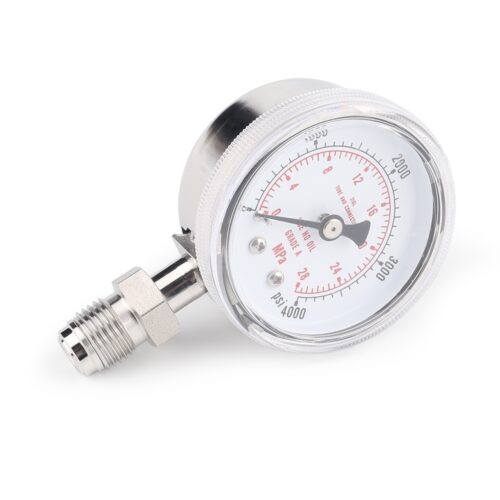
半導体ガス用超高純度酸素圧力計 JGシリーズ圧力計器(半導体製造用)
-
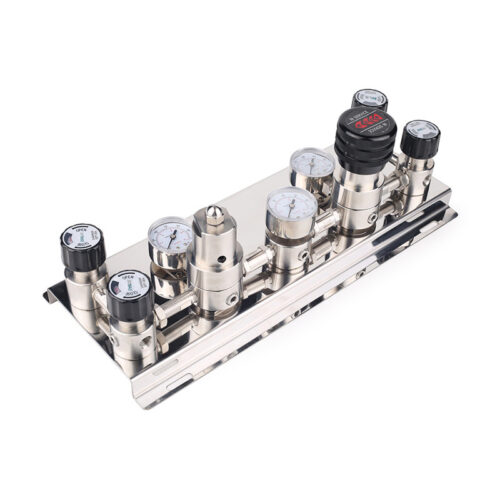
自動ガス切り替えシステム 自動切り替えマニホールド 自動ガスボンベ切り替え
-
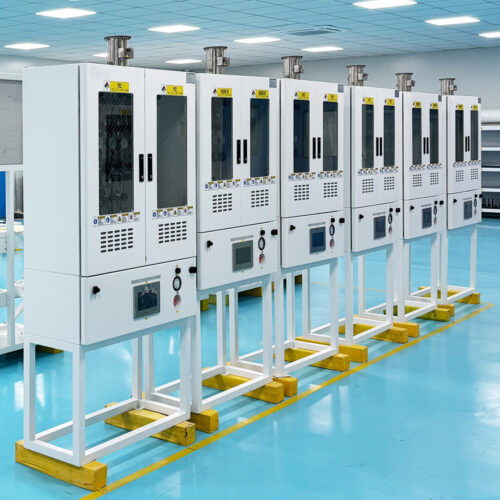
VMBバルブマニホールドボックスおよびパネルガスキャビネット、BSGSガスキャビネット、TMAガスキャビネット、スクラバー排ガス処理キャビネット
-
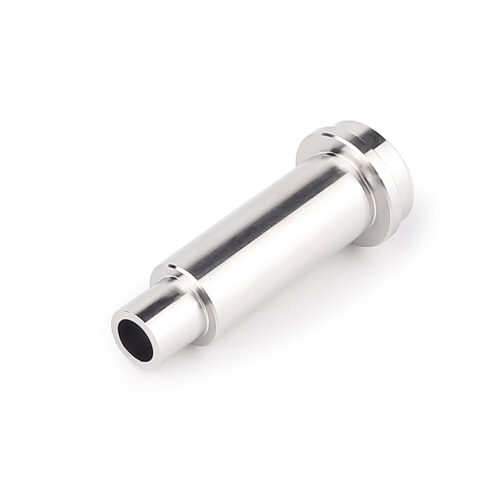
UHP Metal Gasket Face Seal Fittings Vacuum Coupling Metal Face Seal Join Long Gland And Short Gland
-
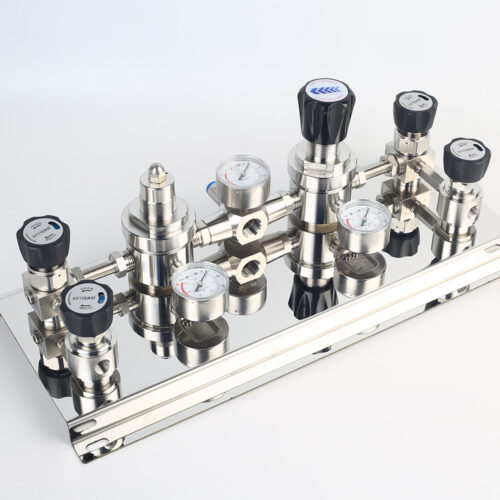
ステンレス鋼製単段半導体グレード圧力制御モジュール圧力制御パネル JSP-6Aシリーズ
-
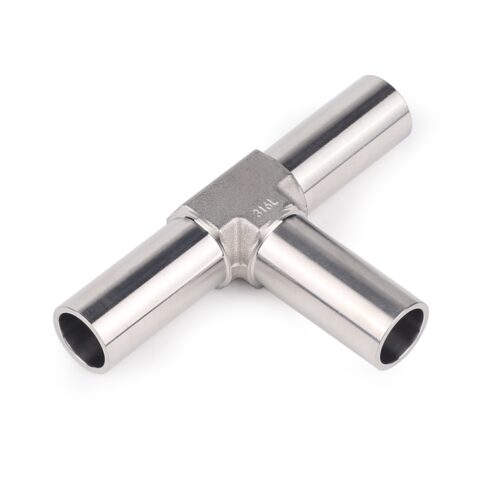
ステンレス鋼製超クリーン溶接継手 TWシリーズ、TRWシリーズ、CWシリーズ
-
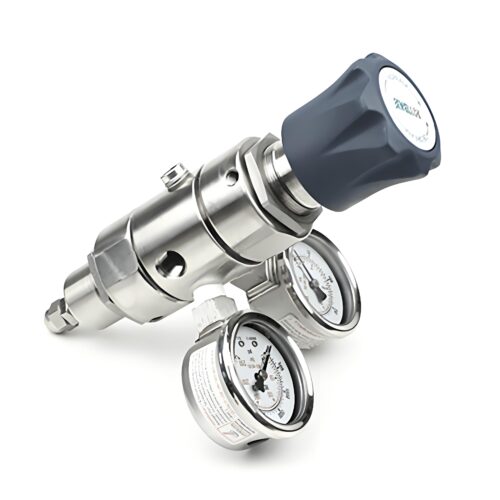
DPR1 超高純度2段式減圧レギュレータ 半導体グレードレギュレータ