




















バルブメーカー TEL: +86 13380377051
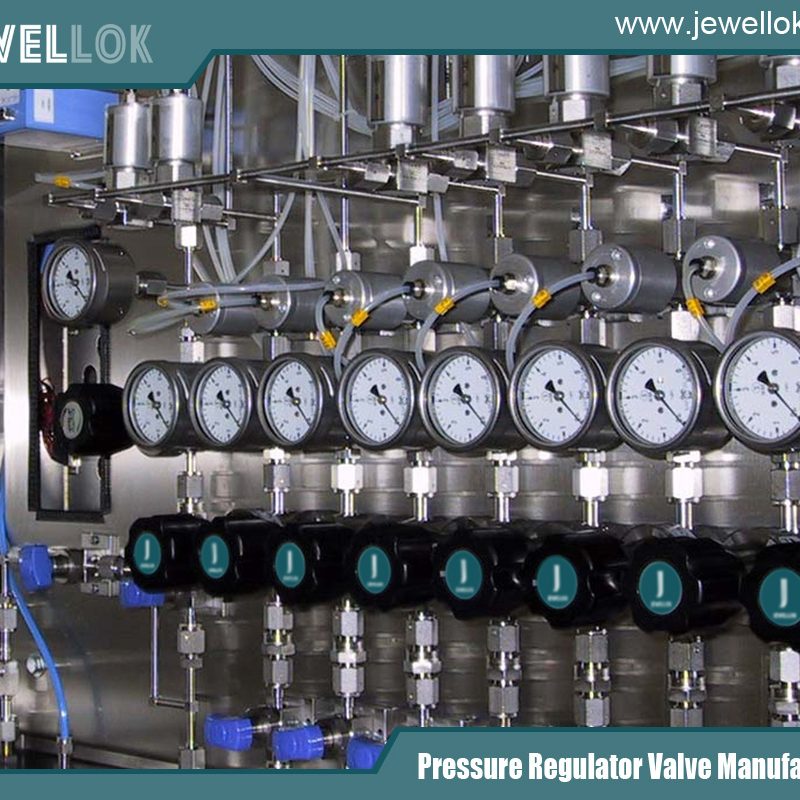
プロパンガス切り替えマニホールドはどのように機能するのですか?
In an era where reliable energy sources are essential for homes, recreational vehicles (RVs), and industrial applications, propane gas stands out for its versatility and efficiency. One critical component that ensures uninterrupted propane supply is the changeover manifold, a device designed to seamlessly switch between multiple propane cylinders or tanks. This system is particularly valuable in scenarios where running out of gas could disrupt heating, cooking, or other essential functions. Imagine being in a remote RV campsite or a rural home during winter; a sudden loss of propane could lead to discomfort or even safety hazards. The propane gas changeover manifold addresses this by automatically or semi-automatically transitioning from an empty cylinder to a full reserve one, maintaining a continuous flow of gas.
Propane, also known as liquefied petroleum gas (LPG), is stored under pressure in cylinders and delivered as vapor to appliances. The changeover manifold regulates this delivery, preventing interruptions that could occur with single-cylinder setups. These systems have evolved from simple manual valves to sophisticated automatic regulators, incorporating safety features like overpressure protection and visual indicators. According to industry standards, such manifolds are crucial for multi-cylinder installations, ensuring compliance with safety codes like NFPA 58 for LP-Gas storage and handling.
This article delves into the workings of a propane gas changeover manifold, exploring its components, operational mechanism, types, installation, maintenance, and safety considerations. By understanding how these systems function, users can better appreciate their role in efficient propane management and make informed decisions for their setups. Whether you’re a homeowner relying on propane for heating or an RV enthusiast, grasping this technology enhances reliability and peace of mind.
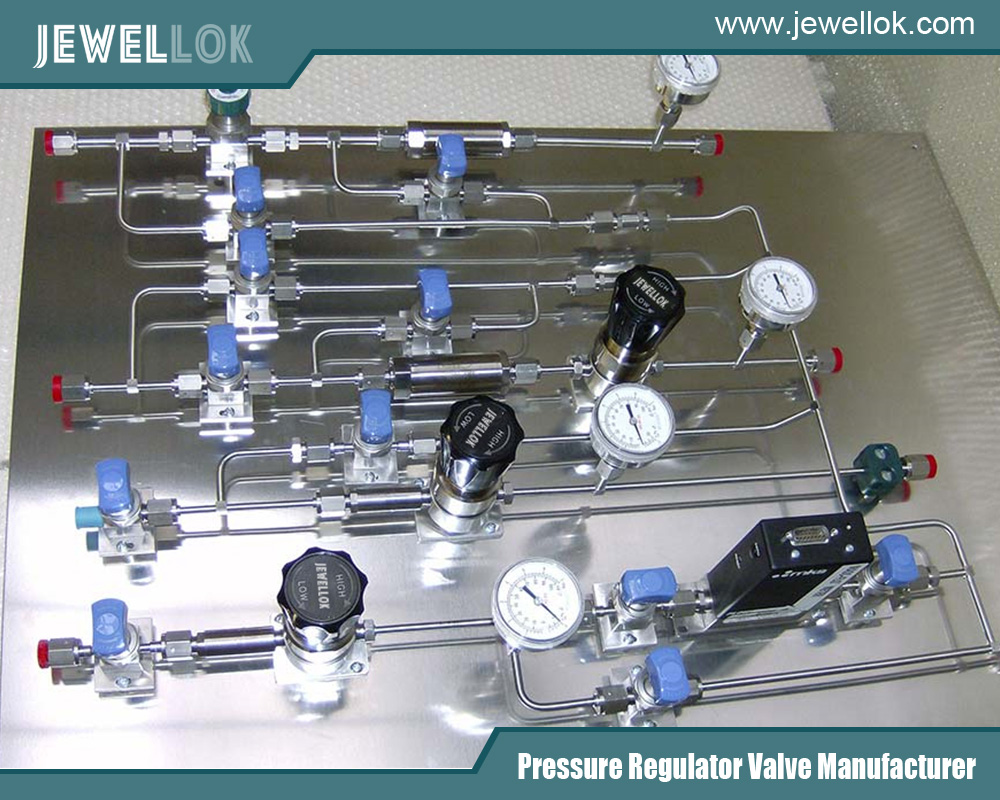
What is a Propane Gas Changeover Manifold?
A propane gas changeover manifold is a specialized assembly that connects multiple propane cylinders to a single gas line, allowing for automatic or manual switching between sources to ensure continuous supply. Essentially, it acts as a regulator and switch in one, monitoring pressure levels and redirecting flow when necessary. In residential settings, it might connect two 100-pound cylinders for home heating, while in RVs, it’s often integrated with smaller portable tanks.
There are several types of changeover manifolds: manual, semi-automatic, and fully automatic. Manual versions require users to physically switch valves when a cylinder empties, which can lead to brief interruptions if not monitored closely. Semi-automatic manifolds, common in propane applications, switch automatically but require manual reset after depletion. Fully automatic systems, often used in specialty or industrial gases but adaptable to propane, handle switching without user intervention beyond cylinder replacement.
In propane contexts, the term “manifold” often encompasses the regulator, valves, and connecting pigtails. For instance, in RV systems, it’s referred to as an automatic changeover regulator, featuring a selector lever and sight glass indicator. These devices operate at standard propane pressures, typically delivering 11 inches of water column (about 0.4 psi) to appliances, while handling inlet pressures up to 250 psig from cylinders.
The primary benefit is uninterrupted service: when one cylinder’s pressure drops below a threshold (often around 5 psi), the manifold redirects to the reserve. This is especially useful in off-grid living or during high-demand periods. Additionally, manifolds can support multi-cylinder banks via headers, allowing for larger capacities in commercial setups. Understanding the type suited to your needs—based on cylinder count, application, and automation level—is key to effective propane management.
Components of a Propane Gas Changeover Manifold
A typical propane changeover manifold comprises several integral parts that work together to regulate and switch gas flow. At its core is the regulator body, which houses the pressure-sensing and switching mechanisms. This body includes inlet ports (often 1/4-inch or 1/2-inch NPT) for connecting to propane cylinders via flexible pigtails—braided hoses with fittings that prevent leaks and allow easy disconnection.
Key internal components include the diaphragm, which responds to pressure changes; main springs that maintain set pressures; an orifice for controlling flow; and a lever or knob for manual selection of the primary cylinder. The diaphragm is crucial, as it flexes based on incoming pressure, triggering the switch when the service cylinder depletes.
Visual indicators are a hallmark feature: most models have a sight glass or window that changes color—green or clear when the primary cylinder is active, turning red when switched to reserve. This alerts users to replace the empty cylinder. Some advanced models include gauges showing pressure levels in red/silver zones for precise monitoring.
Safety elements are embedded, such as overpressure shut-off (OPSO) valves in some models, which halt flow if pressure exceeds safe limits (e.g., due to regulator failure). Relief devices vent excess pressure, while vents and screens prevent blockages from debris or insects. Dust caps protect ports during non-use.
For multi-cylinder setups, headers connect banks of cylinders, with the manifold managing primary and reserve sides. Mounting brackets secure the unit to walls or frames, ensuring stability. Pigtails often include check valves to prevent backflow. Overall, these components ensure durability, with many manifolds rated for 5-year lifespans and compliant with standards like British and European norms. Proper assembly by certified technicians is vital to integrate these parts seamlessly.
How It Works: The Operational Mechanism
The magic of a propane gas changeover manifold lies in its ability to detect pressure drops and switch sources automatically, ensuring no downtime. Let’s break it down step by step.
First, the manifold is connected to two or more cylinders, with both valves open. The user selects the primary (service) cylinder via a lever or knob, pointing it toward one side. Gas flows from the service cylinder through the inlet, regulated to the outlet pressure (typically 11 inches water column for appliances). The reserve cylinder remains pressurized but isolated by the manifold’s internal valve.
Inside, the diaphragm and springs monitor vapor pressure. As the service cylinder depletes, its pressure falls. When it drops below a preset threshold—often 5 psi for propane systems—the diaphragm shifts, opening the path to the reserve cylinder. This switch happens seamlessly, without interrupting flow to appliances.
Simultaneously, the indicator changes: the window turns red, signaling the need for cylinder replacement. The user then closes the empty cylinder’s valve, disconnects it (ensuring no gas escape), replaces it with a full one, reconnects, and opens the valve. Finally, the lever is switched to designate the new full cylinder as reserve, and the indicator resets to green or clear.
In semi-automatic models, this manual reset is required, while fully automatic versions might handle more cylinders with electronic sensors. For OPSO-equipped manifolds, an additional layer monitors for overpressure; if detected (e.g., above 125-300% of setpoint), it shuts off flow to prevent hazards. Pressure dynamics are key: cylinders start at around 100-200 psi depending on temperature, dropping as gas is used. The manifold’s first-stage reduction (in two-stage systems) lowers this to intermediate levels (e.g., 15-45 psig), then to low pressure for delivery. This two-stage approach minimizes freezing and ensures consistent output.
In RV applications, the process is similar, with the sight glass providing quick visual cues—green for active, red for switched. Troubleshooting involves checking connections if switching fails, often due to closed valves or leaks.
Overall, the mechanism relies on mechanical pressure sensing, avoiding electronics for reliability in harsh environments. This design has proven effective, with minimal failure rates when maintained properly.
Installation Guide
Installing a propane gas changeover manifold requires precision and adherence to safety standards to prevent leaks or malfunctions. Always consult a Gas Safe or certified LP-Gas technician, as improper setup can lead to explosions or fires.
Start by selecting a location: Mount the manifold above cylinder valve level (at least 18 inches above ground) to avoid condensate buildup, protected from weather, traffic, and downspouts. Use the provided wall bracket and screws for secure attachment.
Connect pigtails to cylinder valves, applying pipe compound to male threads. Ensure clean outlets by briefly opening valves to clear debris. Attach pigtails to manifold inlets, verifying flow direction (inlets marked).
For multi-cylinder banks, install headers first, connecting cylinders in parallel. Connect the outlet to the gas line leading to appliances, ensuring overpressure protection downstream if needed.
During startup, slowly open both cylinder valves. Gas will flow from both initially, but the supply regulator sets higher pressure (e.g., 45 psig), while reserve is lower (30 psig). Check indicator: it should show active status. Test for leaks using soapy water on connections.
Adjust pressures if necessary by installing a gauge and tweaking screws, but this is typically factory-set. Relight pilots and verify appliance function. Document the installation for compliance.
Common pitfalls include obstructed vents or incorrect mounting, which can cause pressure buildup. Professional installation ensures longevity and safety.
Maintenance and Troubleshooting
Regular maintenance extends the life of your propane changeover manifold and prevents issues. Set a schedule: for non-corrosive propane systems, perform leak and function tests monthly for the first two years, then bi-monthly.
Function test: Adjust the knob clockwise (no flow) to increase pressure, counterclockwise (in use) to decrease, verifying response. Leak test: Check seals with soapy water or detectors for bubbles indicating escapes.
Inspect vents and screens for blockages from insects or ice; clean as needed. Examine for corrosion, especially on pigtails and body; replace if evident or after 15 years.
During shutdowns, purge with inert gas like nitrogen to remove contaminants. For mildly corrosive environments, test twice monthly initially.
Troubleshooting: If no switch occurs, check closed valves or low reserve pressure. Red indicator without depletion? Possible leak—shut off and inspect. Frozen regulator? Indicates high demand; add vaporization aids.
Replace parts only with OEM equivalents, isolating pressure first. Annual professional inspections are recommended.
Safety Considerations
Safety is paramount with propane systems. Always smell for gas leaks (rotten egg odor), and evacuate if detected. Ensure vents are clear to avoid pressure buildup leading to explosions. Use OPSO models for added protection against overpressure. Never bypass indicators or modify components. Comply with codes and have emergency shut-off plans.
アプリケーション
Propane changeover manifolds are used in RVs for seamless tank switching during travel, homes for backup heating, and industries for process gases. They scale from two-cylinder residential to large manifold banks.
結論
の propane gas changeover manifold is a ingenious device that ensures reliable gas supply through pressure-sensitive switching. By understanding its components, operation, and care, users can harness its benefits safely. As propane remains a key energy source, these systems will continue evolving for efficiency and automation.
For more about how does a propane gas changeover manifold Work, you can pay a visit to Jewellok at https://www.jewellok.com/ 詳細については、こちらをご覧ください。.
-
統合ガスシステム(IGS)モジュール式統合ガスシステム(TMS)半導体および研究室向け統合ガス供給システム
-
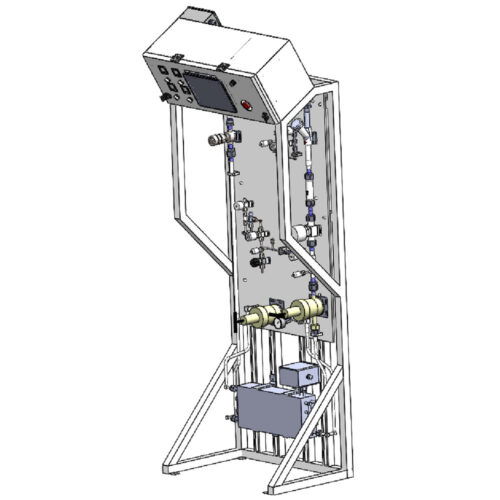
半導体用高純度高圧特殊ガスボンベ、ガスシリンダー保管キャビネット、ガス圧力調整キャビネット
-
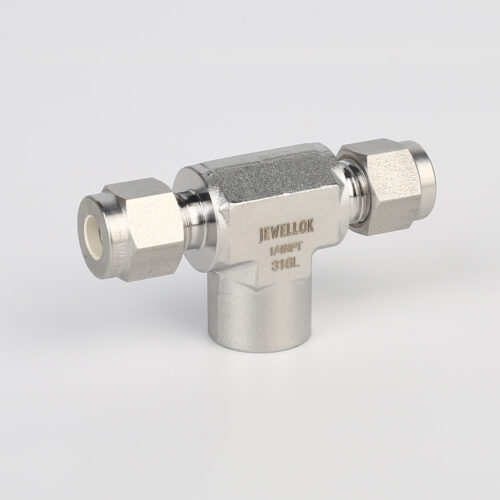
772 LF メス分岐T字継手 | ステンレス鋼管継手 メス分岐T字継手 1/2インチ管外径 x 1/2インチ管外径 x 3/8インチメスNPT
-
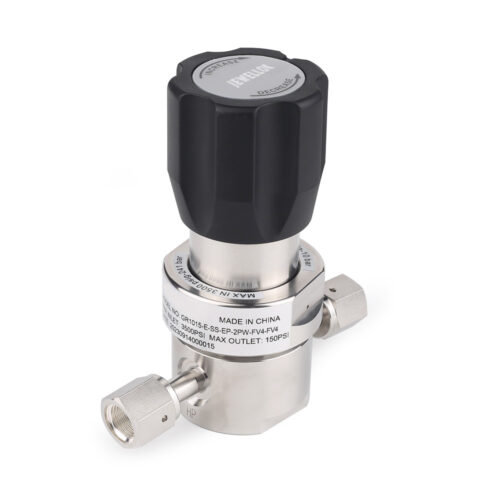
特殊ガスバルブ、超高純度ガスバルブ、超高純度ガスボンベバルブ、UHPボンベバルブ、超高純度ガスレギュレーター
-
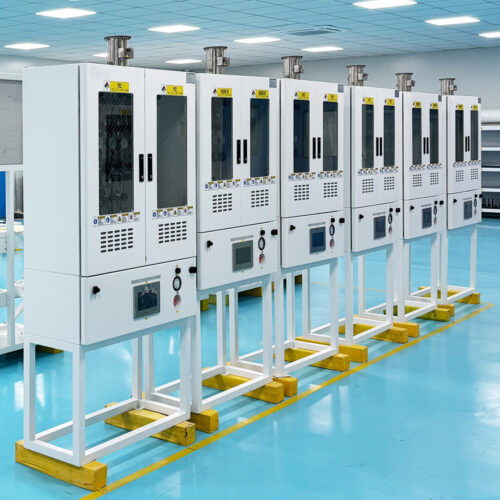
Ultra High Purity Gas Delivery Systems And Liquid Chemical Delivery Systems JW-300-LDS
-
高精度超高純度ガス供給および高純度ガス供給システム向け全自動ガスキャビネット JW-300-GC
-
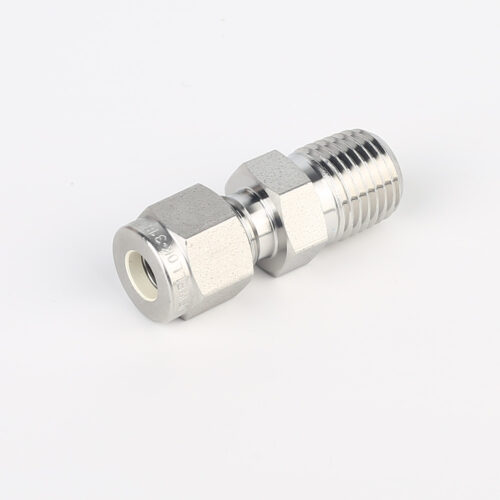
768Lステンレス鋼製オス型チューブ突合せ溶接コネクタ|クリーン溶接継手および超高純度継手
-
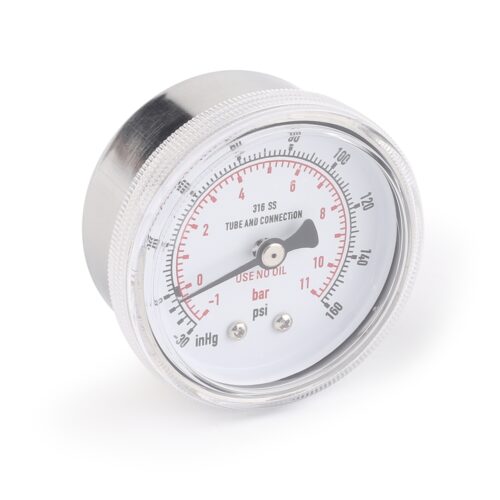
超高純度圧力計(実験室および半導体向け)JRシリーズ