




















バルブメーカー TEL: +86 13380377051
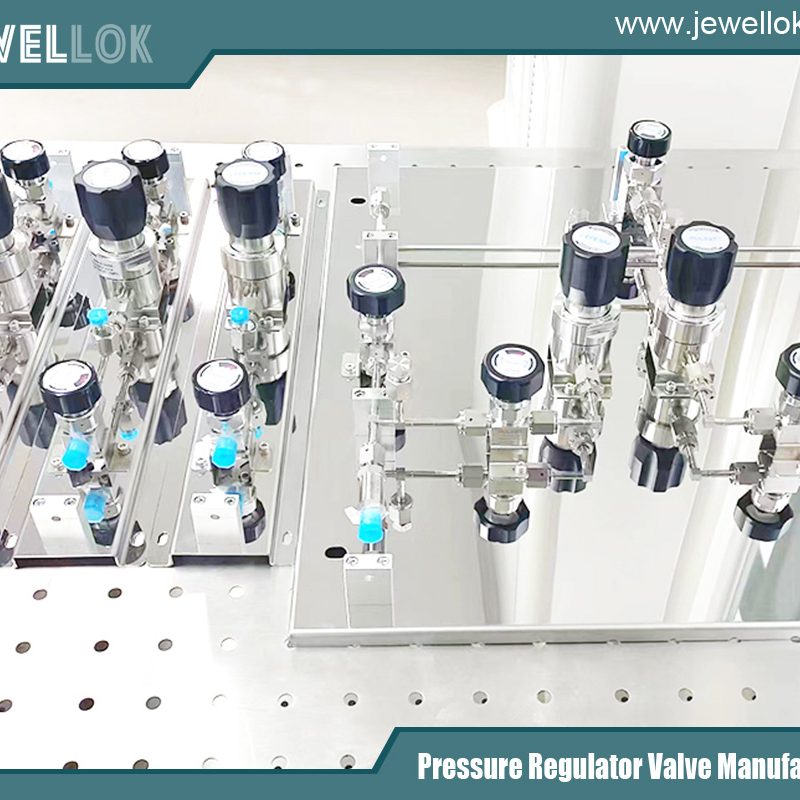
半導体産業における大容量・高圧酸素レギュレーターの用途
導入
The semiconductor industry stands as a cornerstone of modern technology, powering everything from smartphones to advanced medical devices. At the heart of this industry lies a sophisticated manufacturing process that demands precision, purity, and control over every variable. One such critical component in this ecosystem is the high-pressure oxygen regulator—a device that ensures the safe and precise delivery of oxygen under high-pressure conditions. While oxygen is often associated with medical or combustion applications, its role in semiconductor fabrication is equally vital, supporting processes like oxidation, deposition, and etching. This article delves into the multifaceted uses of high-pressure oxygen regulators in the semiconductor industry, exploring their technical specifications, applications, challenges, and emerging trends.
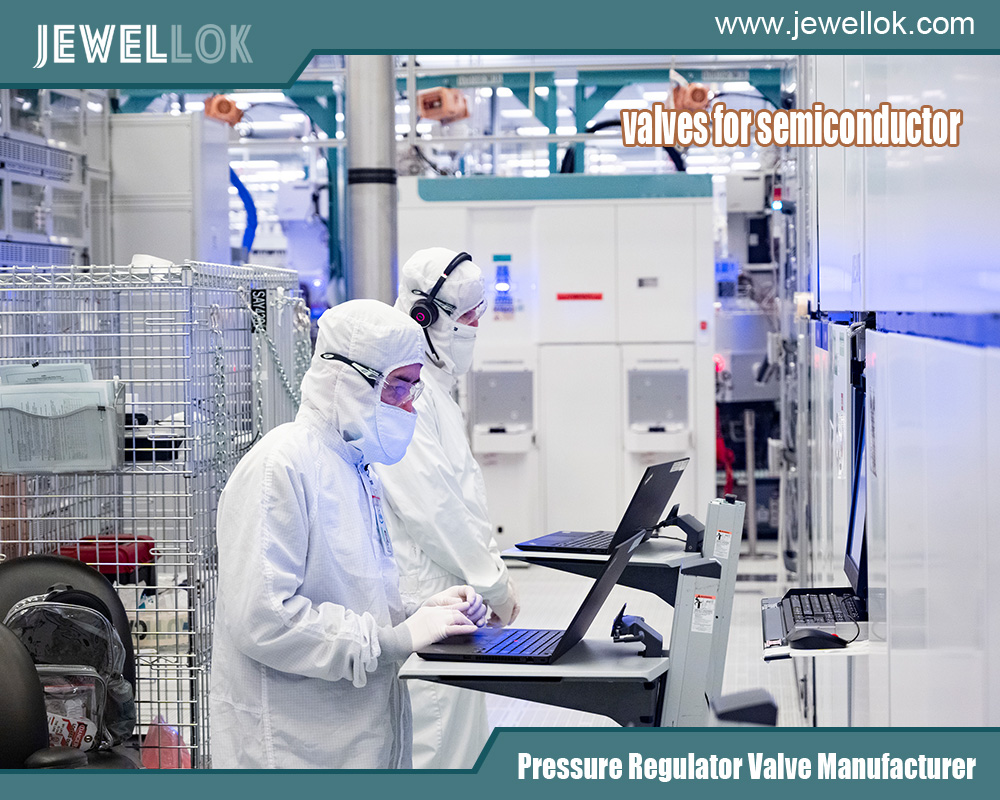
Understanding High-Pressure Oxygen Regulators
A high-pressure oxygen regulator is a device designed to reduce and control the pressure of oxygen gas from a high-pressure source, such as a cylinder or bulk storage system, to a usable level for specific applications. Typically constructed from materials like stainless steel or brass to withstand oxygen’s reactive nature, these regulators feature components such as diaphragms, valves, and pressure gauges to maintain consistent output pressure. In the semiconductor industry, where processes often require ultra-high purity (UHP) gases, regulators must also prevent contamination, making their design and maintenance a critical focus.
Oxygen, as a highly reactive gas, plays a dual role in semiconductor manufacturing: it is both an enabler of essential chemical reactions and a potential hazard if not managed properly. High-pressure oxygen regulators bridge this gap by delivering oxygen at controlled pressures—often ranging from 50 to 3000 psi—while ensuring safety and precision. Their importance lies not only in their functionality but also in their ability to integrate into the complex gas delivery systems that define modern semiconductor fabrication plants, or “fabs.”
Key Applications in Semiconductor Manufacturing
The semiconductor manufacturing process involves creating intricate layers of materials on silicon wafers to form transistors, circuits, and other components. High-pressure oxygen regulators support several critical steps in this process:
Thermal Oxidation
One of the foundational processes in semiconductor fabrication is thermal oxidation, where silicon wafers are exposed to oxygen at high temperatures (typically 800–1200°C) to grow a thin layer of silicon dioxide (SiO₂). This oxide layer serves as an insulator or a mask for subsequent patterning steps. High-pressure oxygen regulators ensure a steady and controlled supply of oxygen into the oxidation furnace, maintaining the precise conditions needed for uniform oxide growth. Any fluctuation in pressure or purity could lead to defects, compromising the wafer’s performance.
Chemical Vapor Deposition (CVD)
In CVD processes, oxygen is often used as a reactant gas to deposit thin films, such as silicon dioxide or metal oxides, onto wafers. For example, in plasma-enhanced CVD (PECVD), oxygen reacts with precursor gases like silane (SiH₄) to form insulating layers. High-pressure oxygen regulators are essential here to deliver oxygen at the required pressure into the vacuum chamber, ensuring consistent film thickness and quality. The ability to handle high-pressure inputs while maintaining low-pressure outputs is a testament to the regulator’s precision engineering.
Etching Processes
Oxygen is also a key player in plasma etching, where it is used to remove organic residues or to strip photoresist layers from wafers. In reactive ion etching (RIE), oxygen plasma is generated under controlled conditions, requiring a reliable oxygen supply. High-pressure regulators facilitate this by providing a stable gas flow, which is critical for achieving the fine feature sizes demanded by modern microchips (e.g., 3nm or 5nm nodes).
Purge and Cleaning Operations
Beyond direct fabrication, oxygen is used in purging and cleaning systems within fabs to remove contaminants from gas lines or chambers. High-pressure oxygen regulators ensure that these operations occur efficiently, maintaining the ultra-clean environment necessary for semiconductor production. Even trace impurities can lead to catastrophic defects, making the regulator’s role in contamination control indispensable.
Technical Specifications and Design Considerations
High-pressure oxygen regulators used in the semiconductor industry are not off-the-shelf products; they are engineered to meet stringent requirements. Key specifications include:
Pressure Range: Capable of handling inlet pressures up to 3000 psi while delivering outlet pressures as low as 1–100 psi, depending on the process.
Material Compatibility: Components must resist oxygen-induced corrosion and ignition, often using alloys like Monel or Inconel for critical parts.
Purity Standards: UHP regulators are designed to maintain gas purity levels exceeding 99.9999%, with particle filters and polished surfaces to minimize contamination.
Flow Control: Precision flow rates (e.g., 0.1–50 SLPM, standard liters per minute) are achieved through advanced valve designs.
The design also accounts for oxygen’s reactivity. Unlike inert gases like nitrogen, oxygen can ignite in the presence of hydrocarbons or particulate matter under high pressure. To mitigate this, regulators incorporate safety features such as pressure relief valves, non-sparking materials, and rigorous cleaning protocols (e.g., oxygen-compatible lubricants or no lubricants at all).
Safety Challenges and Mitigation
The use of high-pressure oxygen in semiconductor fabs introduces unique safety challenges. Oxygen’s oxidizing properties mean that any leak or mishandling could lead to fires or explosions, especially in environments rich with flammable materials like hydrogen or silane. High-pressure oxygen regulators address these risks through:
Redundant Safety Systems: Dual-stage regulators reduce pressure in steps, minimizing the risk of downstream over-pressurization.
Leak Detection: Integrated sensors monitor for gas leaks, triggering automatic shutoffs if anomalies are detected.
Maintenance Protocols: Regular inspection and cleaning are mandatory to prevent buildup of contaminants that could ignite under pressure.
Human factors also play a role. Operators must be trained to handle oxygen systems, adhering to standards like those from the Compressed Gas Association (CGA) or SEMI (Semiconductor Equipment and Materials International). A single oversight—such as using an incompatible fitting—could compromise the entire system.
Integration into Gas Delivery Systems
In a semiconductor fab, high-pressure oxygen regulators are part of a broader gas delivery infrastructure. Oxygen is typically stored in high-pressure cylinders or bulk tanks, from which it flows through manifolds, regulators, and purifiers before reaching process tools. The regulator acts as the gatekeeper, ensuring that downstream equipment receives oxygen at the exact pressure and flow rate required. This integration demands compatibility with automated control systems, often linked to fab-wide software that monitors gas usage in real time.
For example, in a 300mm wafer fab, dozens of process tools might rely on a centralized gas delivery system. High-pressure oxygen regulators must synchronize with mass flow controllers (MFCs) and pressure transducers to maintain stability across this network, adapting to fluctuating demands without interruption.
Economic and Operational Impact
The cost of high-pressure oxygen regulators reflects their specialized nature. A single UHP regulator can range from $500 to $5000, depending on its features and materials. While this is a small fraction of a fab’s multibillion-dollar budget, the operational impact is significant. A failed regulator could halt production, costing millions in downtime and scrapped wafers. Conversely, reliable regulators enhance yield and throughput, directly contributing to profitability.
From an environmental perspective, efficient regulators minimize oxygen waste, aligning with sustainability goals in an industry increasingly scrutinized for its resource use. Advances in regulator design, such as improved flow efficiency, also reduce the energy required to compress and deliver oxygen, lowering the fab’s carbon footprint.
Future Trends and Innovations
As the semiconductor industry pushes toward smaller nodes (e.g., 2nm and beyond) and novel materials (e.g., high-k dielectrics), the role of high-pressure oxygen regulators will evolve. Emerging trends include:
Smart Regulators: Integration of IoT sensors for real-time diagnostics, predicting maintenance needs before failures occur.
Miniaturization: Compact regulators designed for point-of-use applications, reducing gas line complexity in next-generation tools.
Alternative Oxidants: While oxygen remains dominant, research into ozone or atomic oxygen may shift regulator requirements, demanding adaptability to new pressure and purity profiles.
Moreover, the rise of extreme ultraviolet (EUV) lithography and 3D NAND architectures will increase demand for precise gas control, reinforcing the regulator’s importance. Collaborative efforts between equipment manufacturers and gas suppliers are likely to yield regulators tailored to these cutting-edge processes.
結論
High-pressure oxygen regulators may seem like a niche component, but their impact on the semiconductor industry is profound. From enabling the growth of insulating layers to ensuring the safety of complex gas systems, these devices underpin the production of the chips that define our digital age. As technology advances, so too will the demands on these regulators, requiring ongoing innovation in design, materials, and integration. In an industry where precision is non-negotiable, the humble oxygen regulator stands as a silent enabler of progress, proving that even the smallest tools can have outsized importance.
For more about the uses of high volume high pressure oxygen regulators in the semiconductor industry, you can pay a visit to Jewellok at https://www.jewellok.com/product/oxygen-pressure-gauge-for-semiconductor-gases-jg-series-pressure-instruments-for-semiconductor-manufacturing/ 詳細については、こちらをご覧ください。.
-
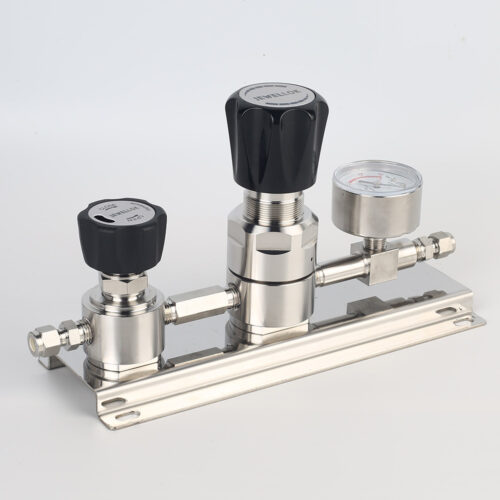
高純度・高流量圧力制御レギュレータ&バルブ ガススティックアセンブリ JSR-2TGシリーズ
-
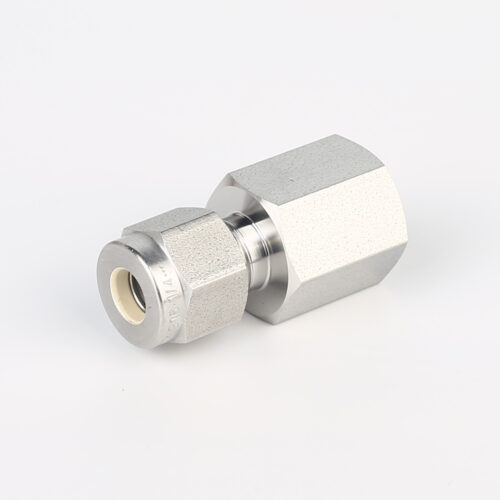
766L高純度メスコネクタUHP継手メスコネクタ
-
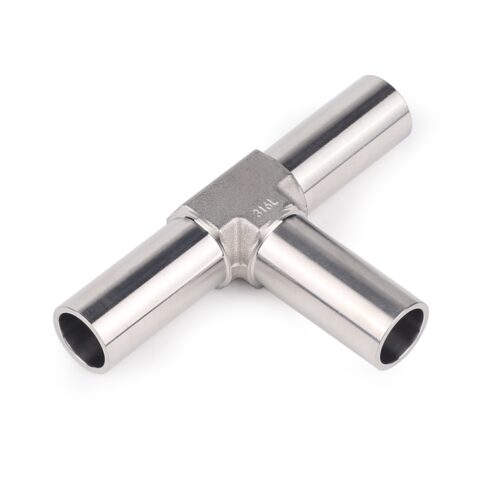
ステンレス鋼製超クリーン溶接継手 TWシリーズ、TRWシリーズ、CWシリーズ
-
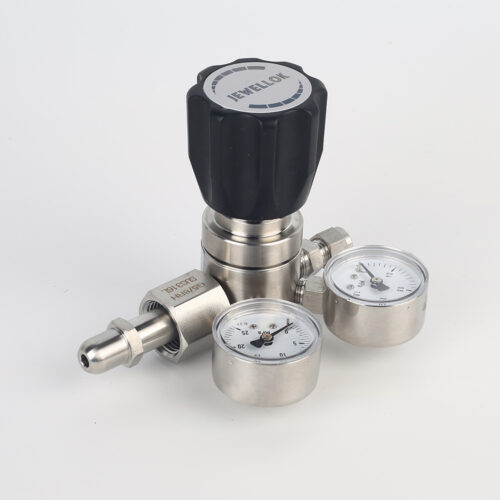
高純度高圧ガスボンベ用圧力調整器 減圧弁 JSR-1Eシリーズ
-
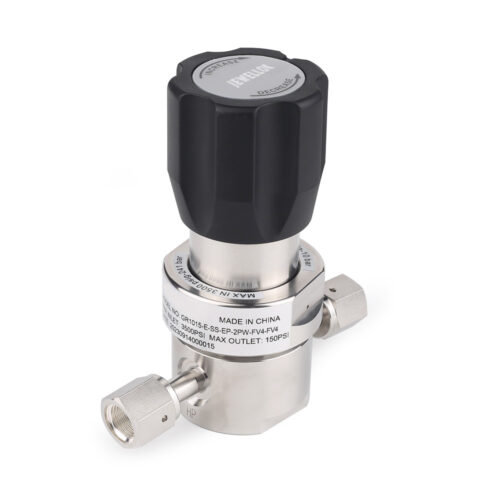
半導体製造および先進的な太陽光発電向けガス配管ライン向けに、中国から直接調達した最高級超高純度ガスバルブソリューション
-
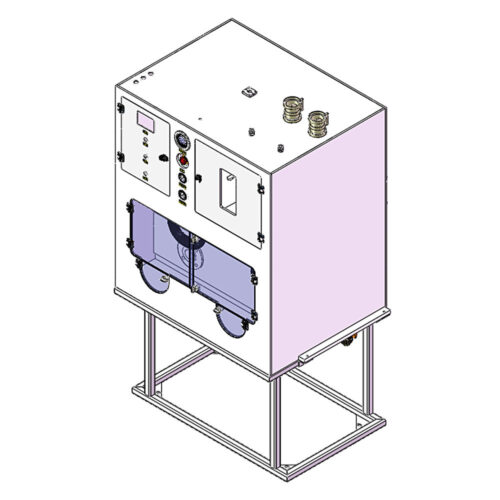
クリーンコネクションキャビネット JW-300-CCB バルブマニホールドボックスおよびコントロールバルブボックス
-
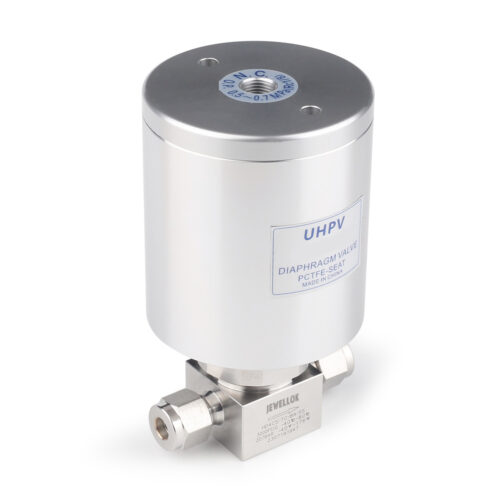
高圧・高温対応の超高純度ステンレス鋼製空気圧ダイヤフラムバルブ
-
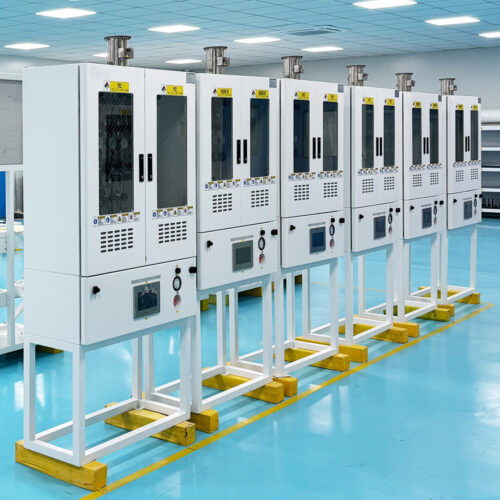
超高純度薬品供給モジュール(CDM)とバルブマニホールドボックスの統合により半導体歩留まりが向上