
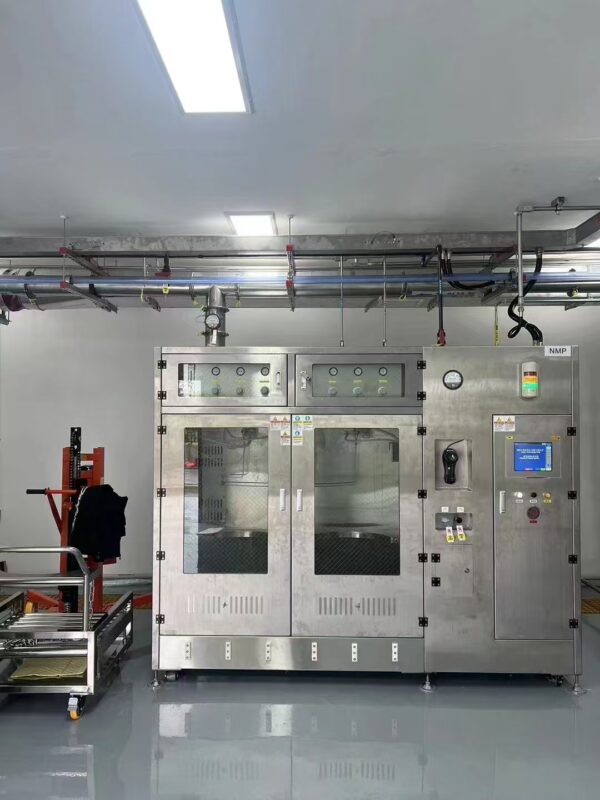
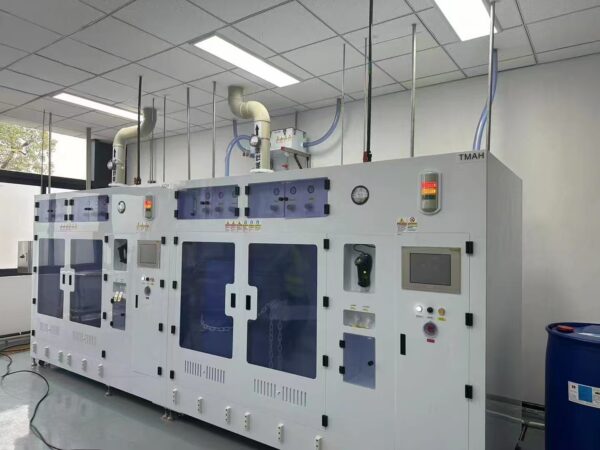
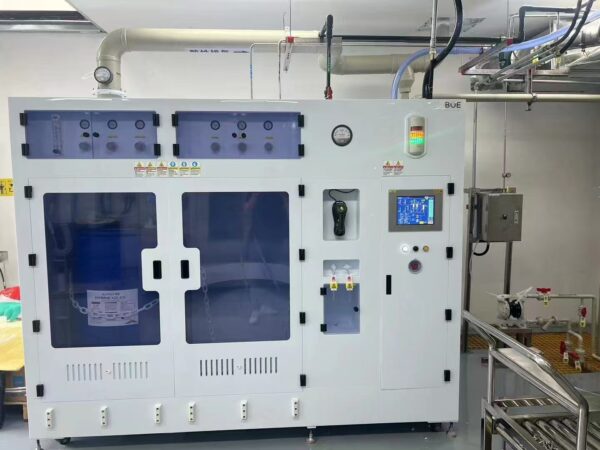

316L Electropolished Chemical Delivery System (CDS) for Contamination-Free Liquid Handling in EV Battery Manufacturing Plants
316L Electropolished Chemical Delivery System (CDS) for Contamination-Free Liquid Handling in EV Battery Manufacturing Plants
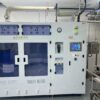
In the rapidly expanding EV battery manufacturing sector, the integrity of electrolyte filling and chemical dosing is paramount. A 316L Electropolished Chemical Delivery System (CDS) serves as the high-purity backbone of these facilities, ensuring that process fluids remain entirely free from metallic ions and microscopic contaminants that could compromise battery safety or cycle life.
The “316L” refers to a low-carbon marine-grade stainless steel, but the true performance comes from Electropolishing (EP). This electrochemical process removes surface “peaks” to create a mirror-like 5Ra finish. This ultra-smooth internal surface is critical because it eliminates microscopic hiding places for particles and prevents “ion leaching” into sensitive battery chemicals.
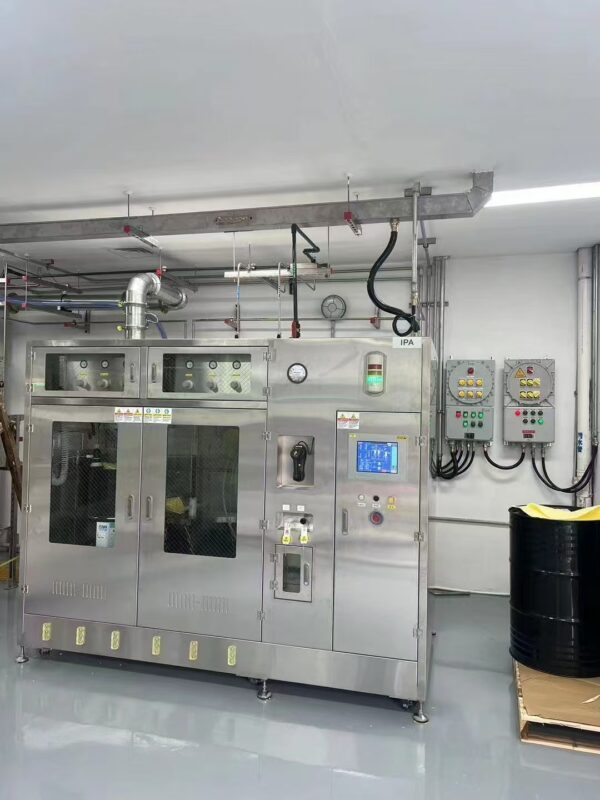
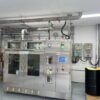
Engineered by specialists like Jewellok, these systems integrate PLC-controlled automation to manage bulk fluid transport with total precision. To handle volatile organic solvents safely, the CDS includes Nitrogen (N2) blanketing and secondary containment with automated leak detection. By combining advanced metallurgy with smart monitoring, the 316L Electropolished CDS provides a “zero-contamination” environment. This ensures that every battery cell produced meets the rigorous energy density and safety standards required for the next generation of electric vehicles.
Technical Data
| Model | JW-200L-CDM,JW-1000L-CDM |
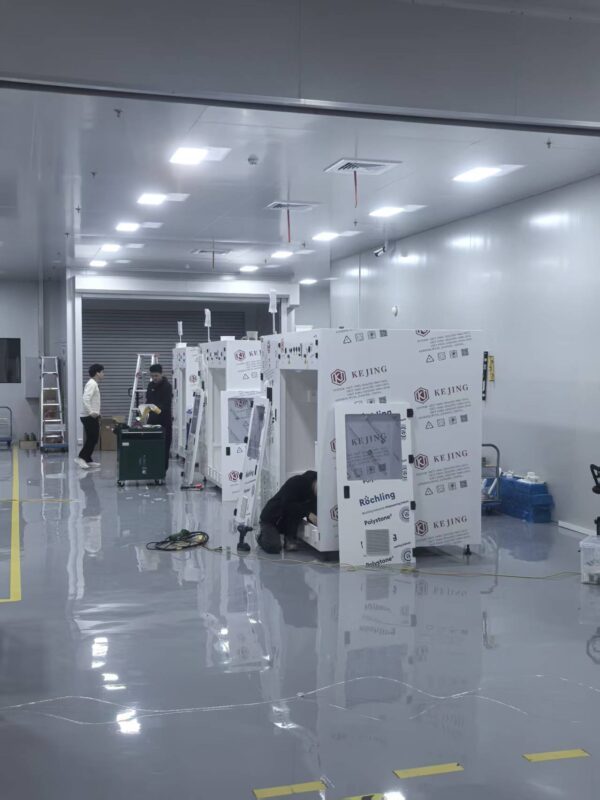
| Special gas cabinet size | W2200*D1500*H2000(double drums)/W2990*D2100*H2000(double drums) |
| Control cabinet power supply | 220VAC, 50HZ, 0.5~3KW, leakage protection |
| Purge | PN2,SS316 1/2″SWG |
| Ultra-pure water | UPW, JIS 16A bonding |
| Compressed air | CDA,SS316 1/2″SWG |
| Waste outlet | Drain,PP DN20 Fusion Socket/Drain,PP DN25 Fusion Socket |
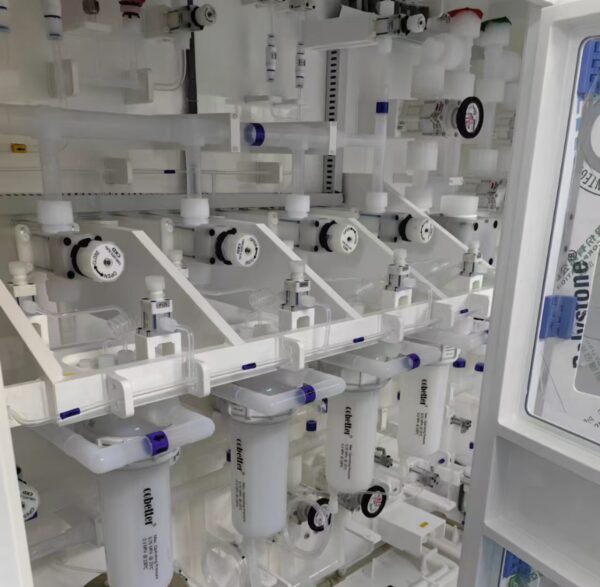
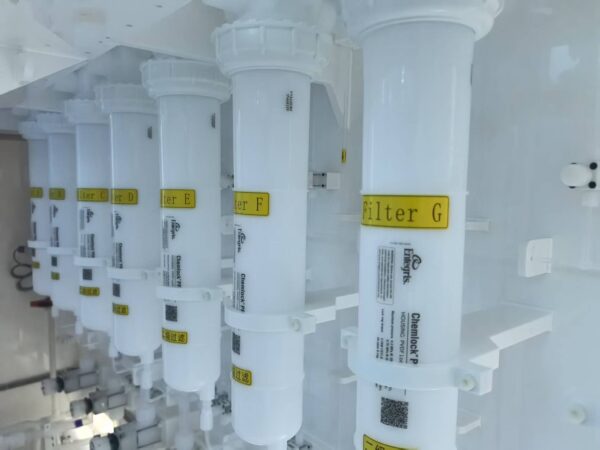
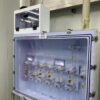
| Standard equipment | PP shell + transparent PVC observation window + PFA internal pipe valve, nitrogen purging, sampling, fully automatic acid supply, automatic switching of left and right barrels. The pump body has two uses and one backup. It can automatically switch the liquid supply operation according to the liquid level in the barrel. The touch screen can display the working status of each valve and the liquid supply status of the pipeline. Automatically cut off the fluid supply, early warning and alarm of the operating status of each part of the system, self-check and confirmation of multiple safety, simple system, and supports multiple languages, supports multiple signal inputs, code scanner, high-efficiency filter, door sensor Optional |
*Emergency manual operation panel
*High efficiency filter
*Door sensor
Speciality Chemicals Handled
HF- Hydrofluoric acid
HCL- Hydrochloric acid
H2O2- Hydrogen Peroxide
KOH- Potassium Hydroxide
HNO3- Nitric acid
NH4OH- Ammonium Hydroxide
H2SO4- Sulfuric acid
CDM and CDS Application:
Semiconductor
Photovoltaic
Solar energy
Liquid crystal panel
Optical fiber
Other production fields
Function Of CDM and CDS:
Chemical filtration
Chemical sampling
Chemical circulation
Chemical delivering
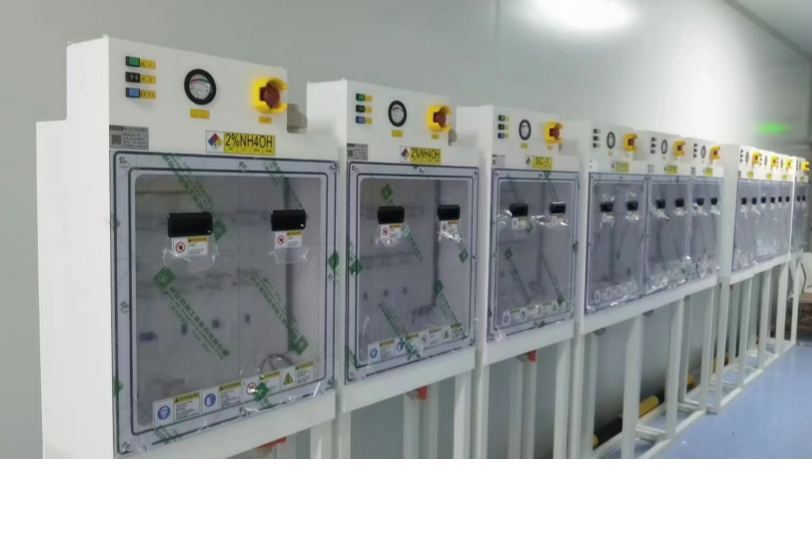
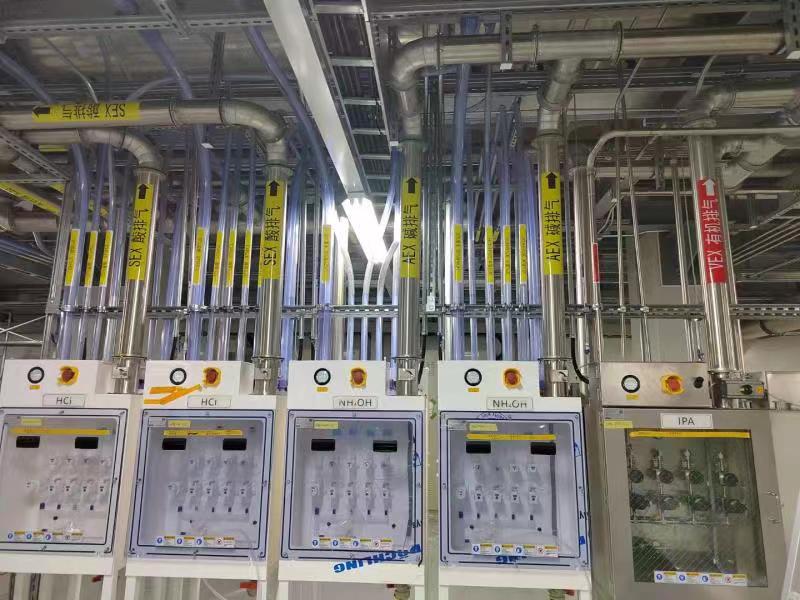
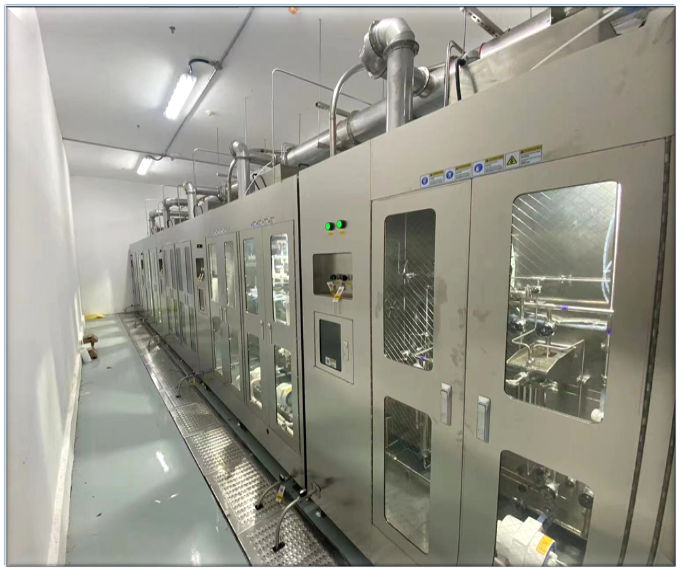
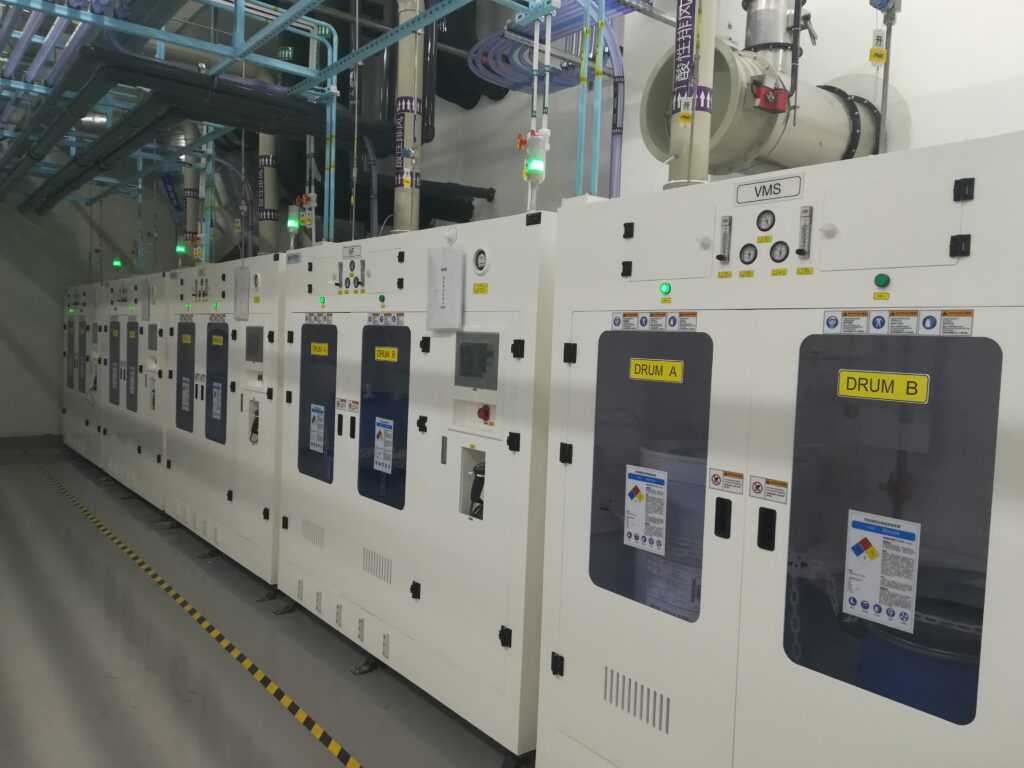
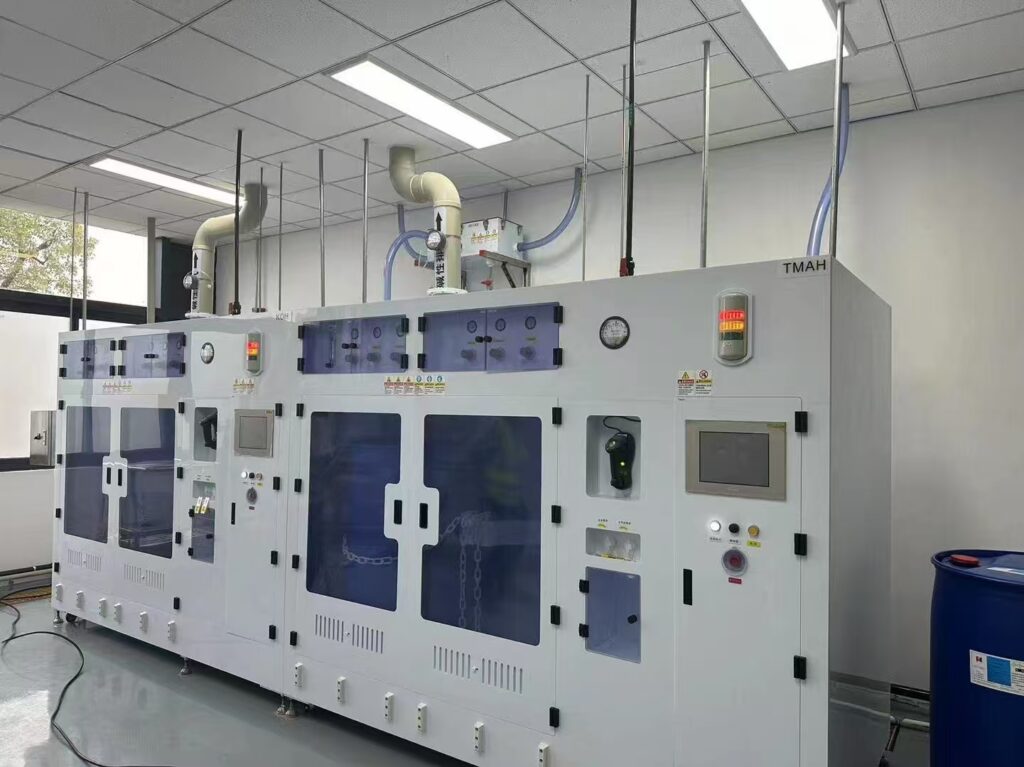
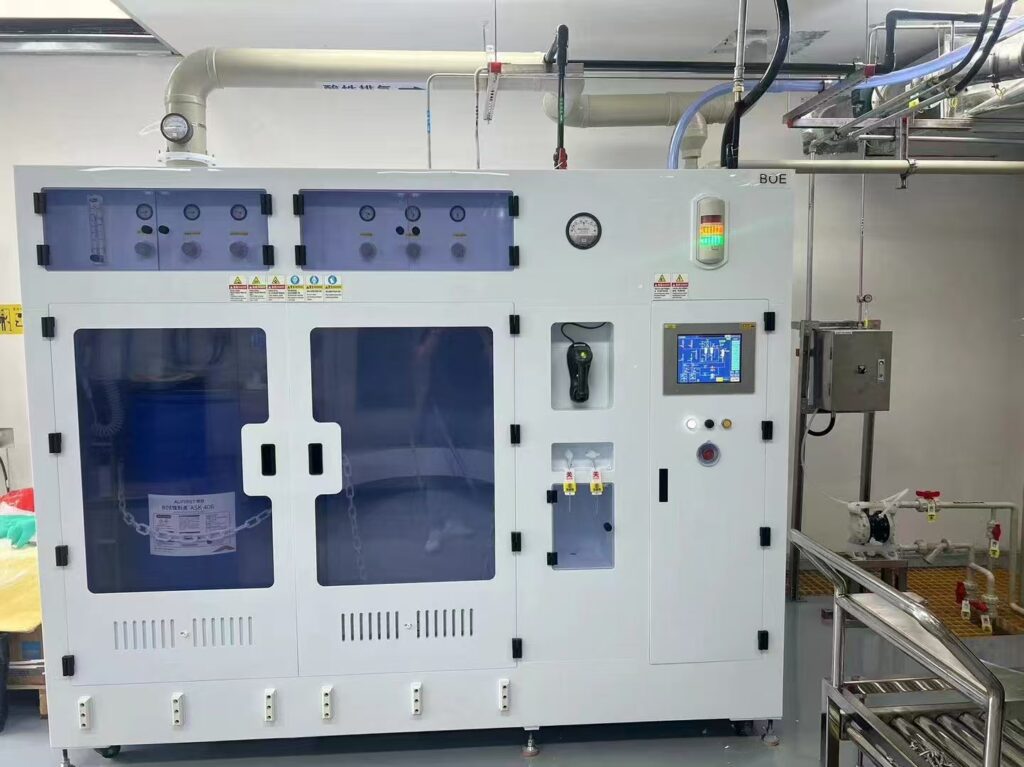
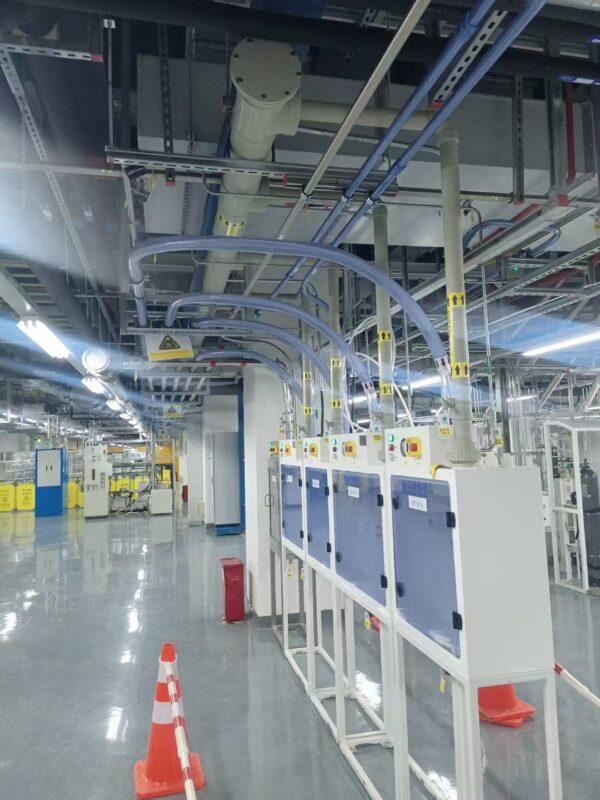
The CDS manages the automated transport of bulk chemicals from storage to the facility. Operators must monitor the non-contact level sensors via the HMI panel to track real-time consumption. The system utilizes automated changeover protocols; when a supply barrel is empty, the system will switch sources to maintain a bubble-free flow. Ensure all 316L electropolished piping connections are inspected during scheduled maintenance to prevent particle contamination.
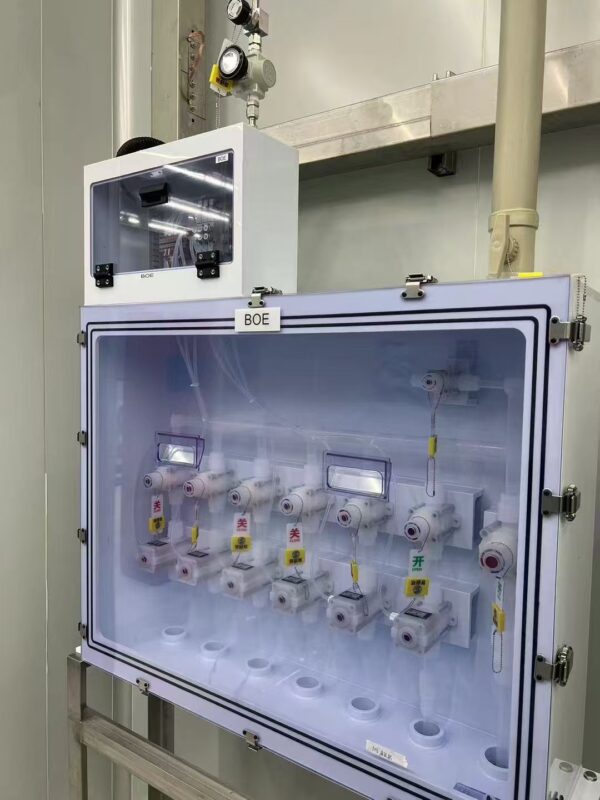
The CDM handles precise blending and dilution at the point-of-use. Users must select the pre-programmed recipe control to automate the mixing of chemicals with DI water. Use the Valve Manifold Box (VMB) to isolate specific branch lines when servicing individual tools without halting the entire facility supply.
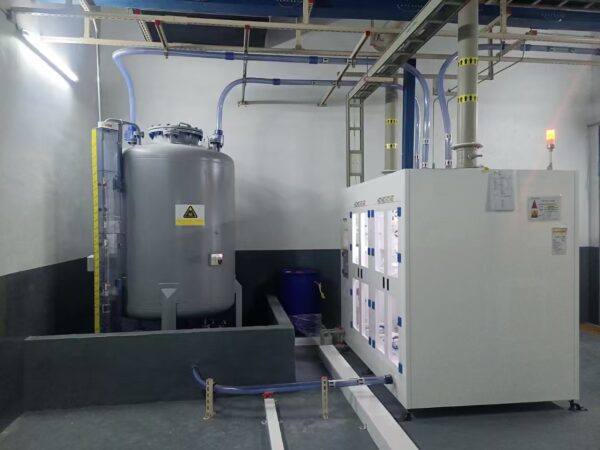
All units feature automatic leak detection and secondary containment. If an alarm sounds, the system will automatically trigger a safety shut-off. For organic solvents, ensure nitrogen blanketing is active to prevent oxidation and fire hazards.
Related products
-
Liquid Chemical Valve Manifold Box Chemical Dispensing Units, Semi & Fully Automatic Chemical Filling Equipment
-
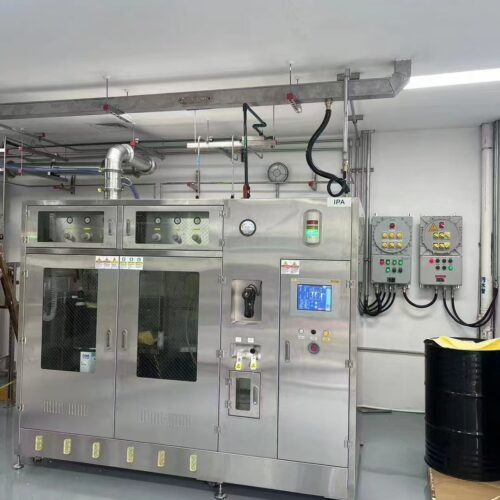
Precision Liquid Chemical Delivery Module (CDM) with PLC Control for Parts-Per-Trillion Purity in Solar Cell Production
-

Ultra High Purity Liquid Chemical Delivery System And Bulk Chemical Delivery Handling System For Semiconductor Cleanrooms
-

Organic Chemical Automatic Liquid Supply System Chemical Delivery And Waste Collection Systems CDS And CDM