




















Fabricante de Válvulas Tel: +86 13380377051

Tudo o que você precisa saber sobre o sistema de reguladores de pressão do coletor de gás para obter o máximo desempenho.
In the intricate world of gas distribution, whether in laboratories, industrial facilities, or medical environments, maintaining precise control over gas pressure is crucial for safety, efficiency, and optimal performance. Gas manifold pressure regulator systems serve as the linchpin in these setups, ensuring a consistent supply of gas at the desired pressure while mitigating risks associated with high-pressure cylinders. These systems integrate manifolds – which connect multiple gas sources – with pressure regulators that reduce and stabilize the outlet pressure, preventing fluctuations that could compromise operations or lead to hazards. At their core, gas manifold pressure regulators are designed to handle gases like nitrogen, oxygen, argon, and specialty mixtures, transforming potentially volatile high-pressure inputs into manageable flows. For peak performance, these systems must deliver unwavering reliability, especially in high-demand scenarios where even minor pressure variations can skew experimental results, damage equipment, or endanger personnel. According to industry experts, proper regulation can enhance system efficiency by up to 30%, reducing energy waste and extending equipment lifespan. As we navigate 2025, advancements in smart monitoring and durable materials have elevated these systems, making them indispensable for modern applications.
This comprehensive guide explores everything from the fundamentals of how these systems operate to selecting the best options for your needs. We’ll cover types, key features, installation tips, maintenance best practices, and real-world benefits, drawing on the latest insights from manufacturers and regulatory standards. Whether you’re outfitting a research lab or optimizing an industrial process, understanding these systems will empower you to achieve peak performance while prioritizing safety and cost-effectiveness. The evolution of gas manifold pressure regulators reflects the growing demands of industries like pharmaceuticals, semiconductors, and energy production. With global regulations tightening – such as those from OSHA and NFPA – investing in high-quality systems isn’t just advisable; it’s essential. By the end of this article, you’ll be equipped to make informed decisions that boost productivity and minimize downtime.
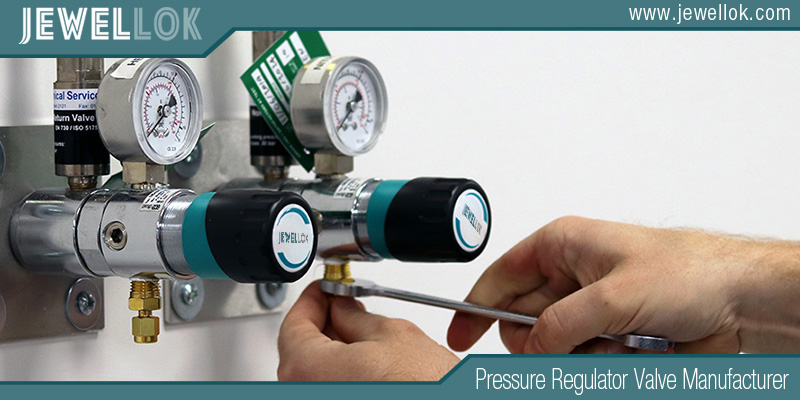
Understanding Gas Manifold Pressure Regulators
A gas manifold pressure regulator system combines a manifold, which distributes gas from multiple cylinders or sources, with one or more pressure regulators that control the output pressure. The manifold acts as a centralized hub, allowing seamless switching between gas supplies to ensure uninterrupted flow, while the regulator reduces the high inlet pressure (often 150-3000 psi) to a lower, usable outlet pressure (typically 0-500 psi). How do they work? Pressure regulators operate on a simple yet ingenious principle: a spring-loaded diaphragm or piston senses the outlet pressure and adjusts a valve to maintain equilibrium. When demand increases, the valve opens wider to allow more gas; conversely, it restricts flow during low demand. In manifold setups, regulators are often integrated at the manifold outlet or on individual lines, providing precise control. For instance, in a two-stage regulator – common in manifolds – the first stage reduces pressure significantly, and the second fine-tunes it for stability, minimizing droop (pressure drop under load).
Components include inlet/outlet ports, gauges for monitoring, relief valves for overpressure protection, and filters to prevent contaminants. In automated systems, sensors and electronic controls add layers of intelligence, enabling remote adjustments and alerts. These systems are vital in scenarios where gas purity and consistency are paramount, such as gas chromatography or welding, where inconsistent pressure could lead to inaccurate readings or weak joints. Understanding the interplay between manifold and regulator is key: the manifold handles supply continuity, while the regulator ensures performance. For peak operation, systems must account for gas type – corrosive gases require stainless steel components, while inert gases might use brass. Misunderstanding this can result in leaks or inefficiencies, underscoring the need for tailored solutions.
Types of Gas Manifold Pressure Regulator Systems
Gas manifold systems vary by design, application, and automation level, each optimized for specific performance needs.
- Manual Manifolds: Simple and cost-effective, these require manual switching between cylinders. Paired with single-stage regulators, they’re suitable for low-volume labs but prone to human error, limiting peak performance in high-demand settings.
- Semi-Automatic Changeover Manifolds: These detect low pressure and switch to a reserve supply, often using differential pressure mechanisms. Integrated with two-stage regulators, they offer better stability for industrial uses like manufacturing, where consistent flow is critical.
- Fully Automatic Manifolds: Ideal for peak performance, these use electronic controls and sensors for seamless switchovers and real-time monitoring. Common in hospitals and large labs, they incorporate high-flow regulators to handle varying loads without pressure drops.
- Cylinder-by-Cylinder Manifolds: For smaller setups, these connect individual cylinders with dedicated regulators, ensuring isolation and safety in toxic gas handling.
- Liquid-by-Liquid or Bulk Systems: Used in high-volume industries, these manifolds draw from liquid tanks, with vaporizers and regulators maintaining gaseous phase at optimal pressures.
In laboratories, stainless steel manifolds with high-purity regulators dominate for their corrosion resistance and precision.
Industrial applications might favor aluminum for lightweight needs. Choosing the type depends on factors like gas volume, purity requirements, and budget – automatic systems excel in performance but at higher costs.
| Type | Best For | Key Advantage | Potential Drawback |
| Manual | Small labs | Low cost | Manual intervention |
| Semi-Automatic | Medium industry | Reliable switchover | Requires reset |
| Fully Automatic | Hospitals/Large labs | Uninterrupted flow | Higher complexity |
| Cylinder-by-Cylinder | Gases tóxicos | Isolation safety | Limited scalability |
| Bulk/Liquid | High-volume | Efficiency | Installation complexity |
This table highlights selections for peak performance.
Key Features for Peak Performance
To achieve optimal results, focus on features that enhance reliability, safety, and efficiency. Precision control is paramount: Look for regulators with low droop and high turndown ratios, ensuring stable pressure across flow rates. Materials like 316 stainless steel resist corrosion, vital for aggressive gases. Safety features include relief valves, burst discs, and leak detection. Smart systems with IoT integration provide predictive maintenance alerts. Flow capacity should match demand – high-flow models like those from CONCOA handle up to 5000 SCFH. For purity, electropolished internals minimize contamination in lab settings. Compliance with standards like NFPA 99 or ISO 13485 ensures performance under scrutiny. Energy efficiency features, such as pilot-operated designs, reduce gas wastage. Modular scalability allows future expansions without overhauls.
Top Gas Manifold Pressure Regulators Systems in 2025
Based on 2025 reviews, here are leading systems:
- Swagelok Industrial Pressure Regulators: Versatile for labs and industry, with consistent performance and stainless steel construction. Pros: Low droop, high purity; Cons: Premium pricing. Ideal for analytical systems.
- Emerson Fisher/Tartarini Regulators: Pilot-operated for high accuracy in manifolds. Suited for natural gas, with smart monitoring. Pros: Durable, compliant; Cons: Best for larger setups.
- CONCOA 6700 Series Manifold Regulator: High-flow for manifolds, with steady control. Excellent for specialty gases. Pros: Reliable in high-pressure; Cons: Specialized.
- Cash Valve Pressure Regulating Valves: For steam/gas, with back pressure options. Pros: Versatile applications; Cons: Maintenance intensive.
- BelGAS High/Low Pressure Regulators: Top for natural gas manifolds, energy-efficient. Pros: Cost-effective; Cons: Limited to non-corrosive gases.
Comparisons favor Swagelok for labs, Emerson for industry.
Installation and Maintenance for Optimal Operation
Installation begins with site assessment: Mount in ventilated areas, connect via compatible fittings, and test for leaks using manometers. Follow CGA guidelines for cylinder connections. Maintenance involves monthly gauge checks, annual calibrations, and filter replacements. Use tools like pressure testers for manifold integrity. Best practices: Train staff, integrate with SCADA for monitoring.
Benefits and Applications in Laboratories and Industry
Benefits include reduced downtime, enhanced safety, and cost savings – up to 20% on gas usage. In labs, they ensure precise flows for experiments; in industry, they optimize processes like welding. Case study: A semiconductor plant using Swagelok regulators cut failures by 40%. Another in medical gas delivery prevented interruptions via automatic manifolds.
Tips for Peak Performance Optimization
Select based on gas type and flow needs. Monitor via apps, upgrade to smart regulators, and conduct regular audits. Pair with quality cylinders for synergy.
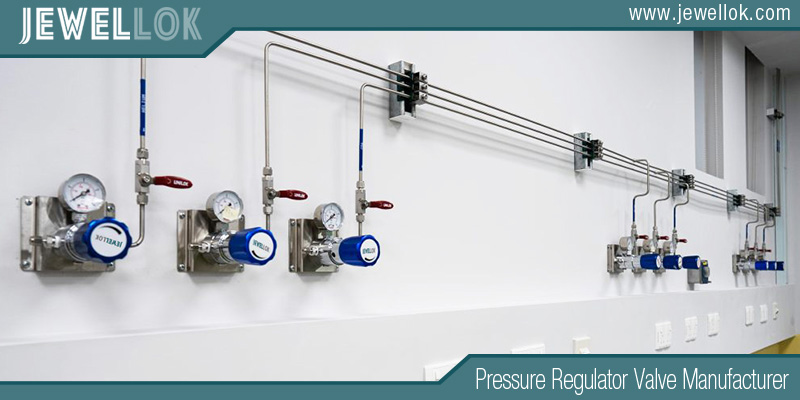
Conclusão
Gas manifold pressure regulator systems are vital for achieving peak performance across sectors. By understanding types, features, and best practices, you can select systems like those from Swagelok or CONCOA to elevate your operations. Prioritize safety and efficiency for long-term success.
For more about everything you need to know about gas manifold pressure regulators system for peak performance, you can pay a visit to Jewellok at https://www.jewellok.com/ Para mais informações.
-
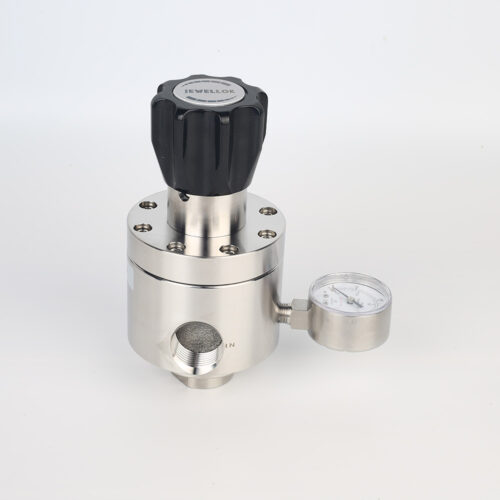
Reguladores de pressão de linha de baixa pressão e alta vazão e válvulas de controle da série JSR-4L para controle de pressão em laboratório.
-
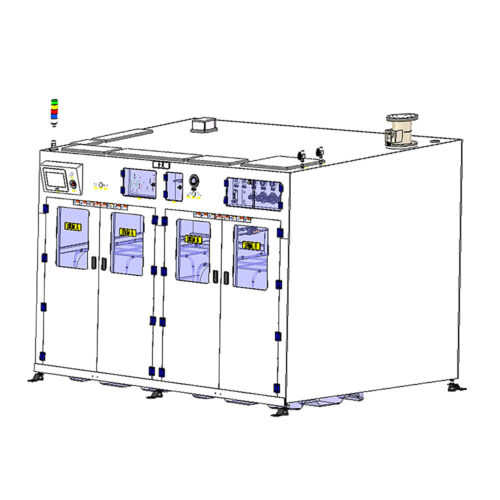
Sistema de lavagem de gases com câmara de combustão, sistema de tratamento de gases residuais com câmara de combustão, sistema de lavagem/redução de gases com filtro térmico.
-
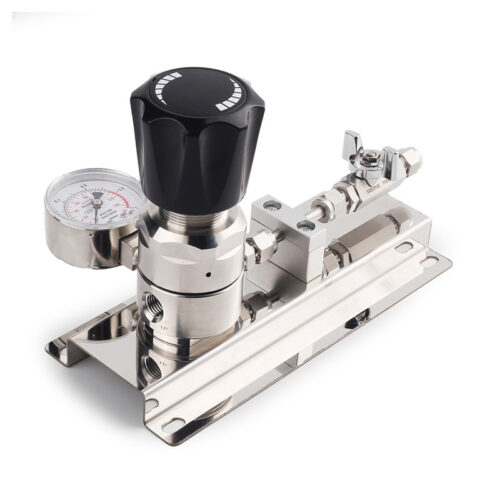
Adquira equipamentos de válvulas de gás de ultra alta pureza com certificação para salas limpas, projetados para linhas solares avançadas.
-
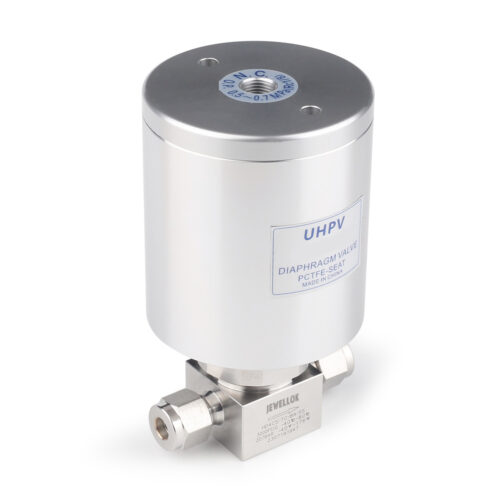
Válvula de diafragma pneumática de alta pressão e alta pureza para semicondutores em aço inoxidável 316L, para gases especiais de laboratório.
-
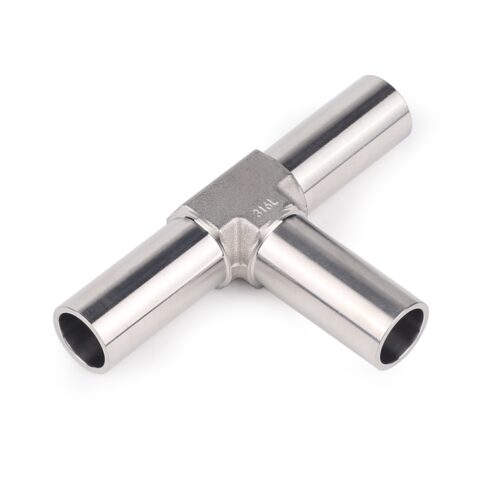
Conexões de solda ultralimpas em aço inoxidável - Séries TW, TRW e CW
-
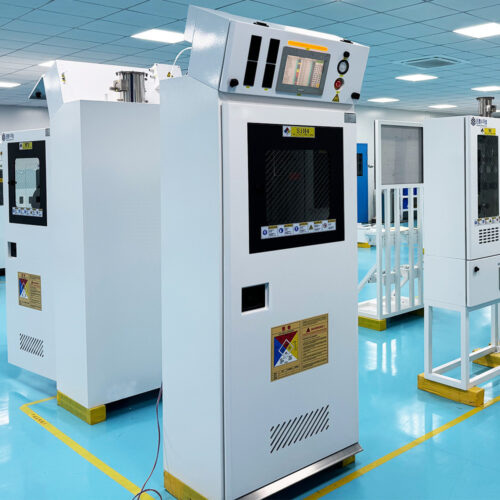
Gabinete de Gás de Trimetilalumínio de Ultra Alta Pureza (TMA) Gabinete de Fornecimento de Líquido Usado para Sistema de Fornecimento de Gás Especial em Semicondutores
-
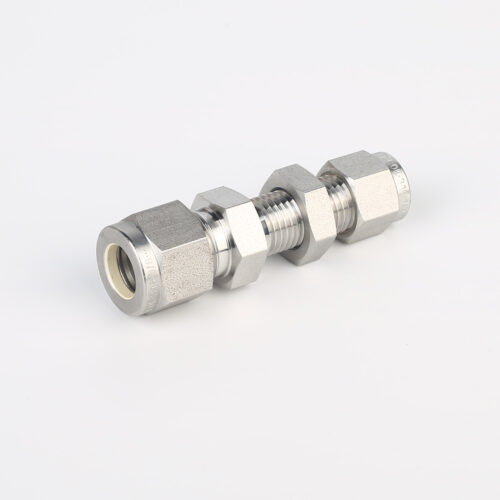
União de redução para antepara 775L | Uniões de redução para antepara com dupla virola em aço inoxidável de alta pureza
-
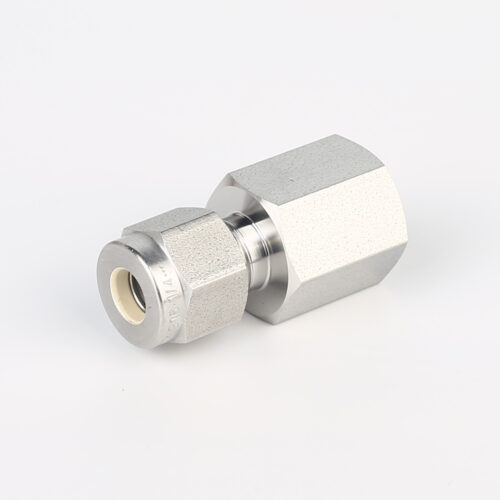
Conector fêmea de alta pureza 766L, conexão UHP fêmea