




















Fabricante de Válvulas Tel: +86 13380377051
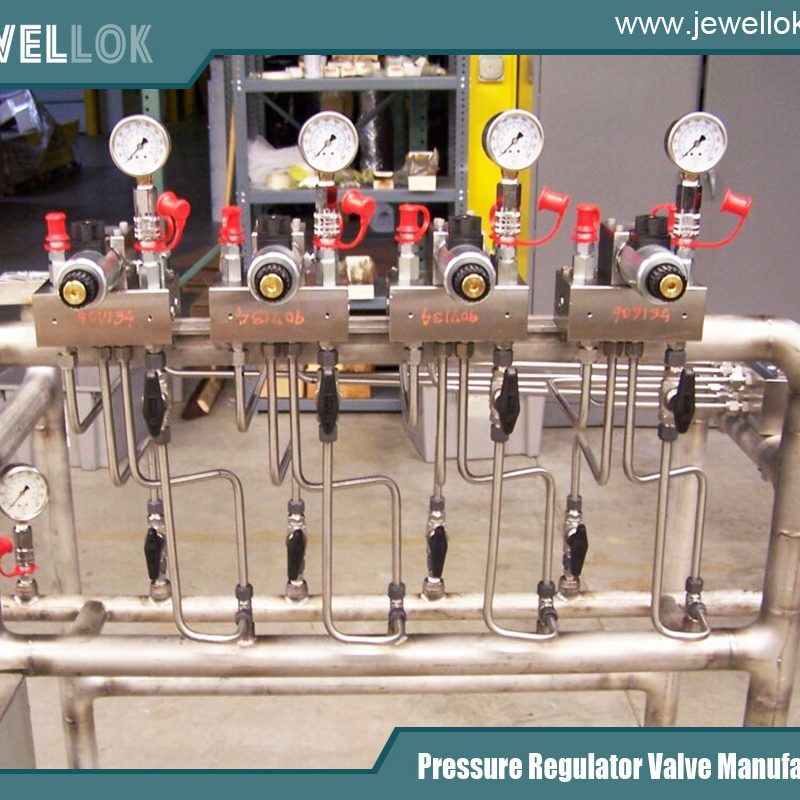
Why Are Automatic Gas Changeover Manifold Systems Critical for Key Operations?
In modern high-tech manufacturing environments—especially in semiconductor fabrication, specialty chemicals, pharmaceuticals, laboratories, and advanced materials processing—gas supply stability is not just a utility concern. It is a core determinant of process quality, safety, and operational continuity. Among the most critical infrastructure components ensuring uninterrupted gas delivery is the automatic gas changeover system (also known as an automatic gas changeover manifold system).
This article explains in detail why automatic gas changeover manifold systems are essential for critical operations, how they work, and what technical advantages they bring to high-purity and high-risk industrial environments.
1. The Role of Gas Supply in Critical Industrial Processes
Many industrial processes rely heavily on continuous and precisely controlled gas delivery. Examples include:
- Semiconductor wafer etching and deposition (CVD, ALD, PECVD)
- Specialty gas blending for calibration and research
- Pharmaceutical inerting and reaction control
- Laser cutting, welding, and heat treatment processes
- Analytical laboratories requiring carrier gases (He, N₂, Ar, H₂)
In these applications, even a momentary interruption in gas supply can lead to:
- Product defects or wafer loss
- Process instability and contamination
- Equipment shutdown or safety interlocks triggering
- Costly production downtime
- Batch rejection in regulated industries
Because of this, ensuring continuous gas availability is not optional—it is a fundamental requirement.
2. What Is an Automatic Gas Changeover Manifold System?
Um automatic gas changeover manifold system is an engineered control solution that ensures uninterrupted gas supply by automatically switching from a primary gas source to a backup source when the primary source is depleted or drops below a preset pressure threshold.
Typically, the system consists of:
- Primary gas supply manifold (cylinders or bulk source)
- Secondary (backup) gas supply manifold
- Pressure regulators (high purity or UHP grade)
- Check valves to prevent backflow
- Pressure sensors or transducers
- Automatic control logic (mechanical or electronic)
- Changeover valve assembly
The system continuously monitors the pressure of the active supply line. When the pressure drops below a defined setpoint, the system seamlessly transitions to the backup supply without interrupting downstream flow.
3. Why Manual Gas Switching Is No Longer Sufficient
In traditional setups, operators manually switch gas cylinders when one runs out. While this may work in low-risk environments, it is increasingly unacceptable in critical operations due to several limitations:
3.1 Human Error Risk
Manual switching depends entirely on operator attention and timing. Mistakes such as delayed replacement or incorrect valve operation can lead to:
- Sudden gas loss
- Air ingress into the system
- Contamination of high-purity lines
3.2 Unpredictable Downtime
Operators may not always be present when a cylinder depletes. This results in unexpected interruptions, especially during night shifts or unattended operations.
3.3 Safety Hazards
Handling high-pressure or toxic gases manually increases the risk of:
- Gas leaks
- Improper sealing
- Exposure to hazardous substances
3.4 Inefficiency in High-Volume Systems
In production environments with multiple gas lines, manual management becomes operationally inefficient and error-prone.
4. How Automatic Gas Changeover Systems Work
The working principle is based on pressure differential detection and automated valve control.
Step 1: Normal Operation
The primary gas source supplies the process line through a regulator, maintaining stable pressure.
Step 2: Pressure Monitoring
Sensors continuously measure the outlet pressure of the primary supply. As gas is consumed, pressure gradually decreases.
Step 3: Threshold Detection
When the pressure reaches a pre-set threshold (for example, 2–5 bar depending on application), the control system triggers a changeover signal.
Step 4: Automatic Switching
The system opens the backup supply line while isolating the depleted source. Modern systems ensure:
- Zero pressure drop during switching
- No reverse flow contamination
- Stable downstream delivery
Step 5: Alert and Reset
Some systems include alarms or digital outputs to notify operators that the primary source needs replacement.
5. Key Technical Advantages in Critical Applications
5.1 Continuous Gas Supply Without Interruption
The most important benefit is zero downtime gas delivery. In semiconductor and precision manufacturing, even a few seconds of interruption can cause:
- Process drift
- Plasma instability
- Chamber contamination
Automatic switching eliminates this risk entirely.
5.2 Improved Process Stability and Yield
Stable gas flow ensures:
- Consistent reaction rates
- Uniform thin-film deposition
- Accurate chemical ratios
- Repeatable batch results
This directly improves yield and reduces scrap rates in high-value manufacturing.
5.3 Enhanced Safety Performance
In environments dealing with flammable, toxic, or corrosive gases (such as H₂, NH₃, Cl₂, or SiH₄), automation reduces:
- Operator exposure
- Manual handling risks
- Incorrect valve operation
Many systems are designed with fail-safe logic to ensure safe isolation of depleted cylinders.
5.4 Reduced Labor and Operational Cost
Automated systems reduce the need for constant operator monitoring. This leads to:
- Lower manpower requirements
- Fewer emergency interventions
- Improved maintenance scheduling
Over time, the system pays for itself through efficiency gains.
5.5 High Purity Integrity Protection
In ultra-high purity (UHP) applications, contamination is a major concern. Automatic changeover systems are designed with:
- Metal-to-metal seals
- Electropolished stainless steel components
- Low dead-volume design
- High-integrity check valves
These features prevent back diffusion of air or contaminants into the gas line.
6. Applications Across Industries
6.1 Semiconductor Manufacturing
Used in gas delivery for:
- ALD (Atomic Layer Deposition)
- CVD (Chemical Vapor Deposition)
- Etching and plasma processes
Gas continuity is critical to avoid wafer defects and chamber contamination.
6.2 Pharmaceutical and Biotech Industry
Ensures stable supply of:
- Nitrogen for inerting
- Oxygen and CO₂ for bioreactors
- Calibration gases for analytical equipment
Batch consistency depends heavily on gas stability.
6.3 Analytical Laboratories
GC (Gas Chromatography), mass spectrometry, and calibration systems require uninterrupted carrier gases to maintain measurement accuracy.
6.4 Industrial Manufacturing
Processes such as welding, heat treatment, and laser cutting rely on stable shielding or fuel gases to maintain product quality.
7. Design Considerations for High-Performance Systems
When selecting or designing an automatic gas changeover manifold system, several engineering factors must be considered:
7.1 Material Compatibility
- Stainless steel 316L for corrosive or high-purity gases
- Special alloys for reactive gas environments
7.2 Pressure Range and Accuracy
- Precision regulators for stable downstream control
- Accurate threshold detection for smooth switching
7.3 Flow Capacity
- Must match peak process demand
- Avoid pressure drop during high consumption periods
7.4 Safety Certifications
- Compliance with SEMI standards (for semiconductor use)
- Pressure equipment directives and local safety codes
7.5 Integration Capability
Modern systems often integrate with:
- Facility monitoring systems (BMS)
- PLC automation systems
- Remote alarm and telemetry platforms
8. Future Trends in Gas Switching Technology
As industrial systems become more automated and data-driven, gas changeover manifold systems are evolving in several directions:
8.1 Smart Monitoring and IoT Integration
Real-time monitoring of:
- Cylinder levels
- Pressure trends
- Consumption rates
8.2 Predictive Maintenance
AI-driven systems can predict when gas supplies will deplete, enabling proactive logistics planning.
8.3 Fully Integrated Gas Cabinets
Modern gas cabinets combine:
- Automatic switching
- Detecção de vazamentos
- Purge systems
- Fire suppression
into a single intelligent unit.
9. Conclusion
Automatic gas changeover manifold systems are no longer optional infrastructure—they are a critical safeguard for modern industrial operations. In environments where process stability, safety, and purity are non-negotiable, these systems ensure uninterrupted gas delivery and eliminate the risks associated with manual intervention.
From semiconductor fabs to pharmaceutical production lines, the ability to maintain continuous, clean, and stable gas flow directly impacts product quality, operational efficiency, and safety compliance.
As industries continue to move toward higher automation and tighter process control, automatic gas changeover systems will remain a foundational technology supporting the next generation of precision manufacturing.
For more about why are automatic gas changeover manifold systems critical for key operations, you can pay a visit to Jewellok at https://www.jewellok.com/product-category/chemical-delivery-system/ Para mais informações.
-
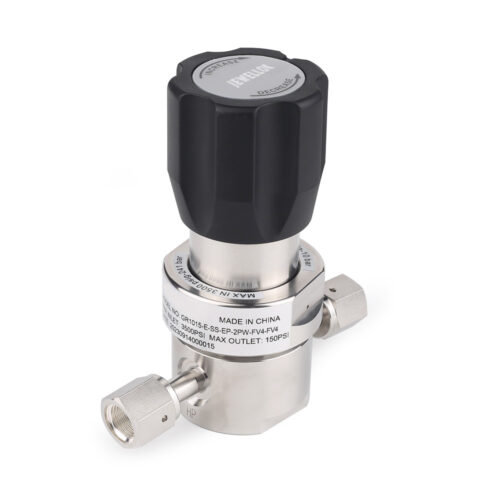
Válvula redutora de pressão de gás de ultra alta pureza em aço inoxidável 316L Vim Var para distribuição de gases especiais corrosivos.
-
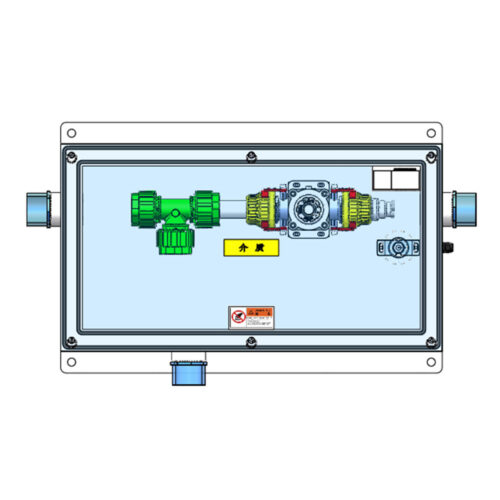
Caixas de distribuição de gás especial T-BOX JW-TB-C
-
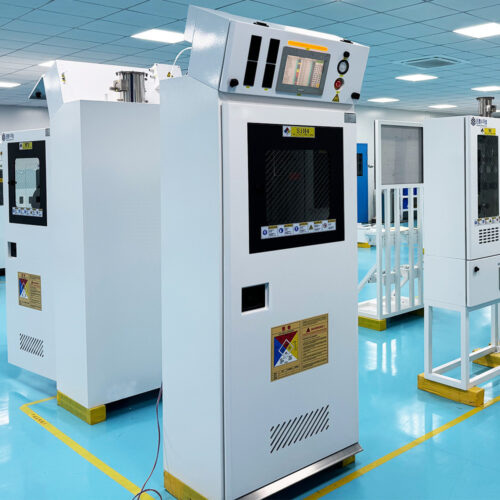
Gabinete de Gás de Trimetilalumínio de Ultra Alta Pureza (TMA) Gabinete de Fornecimento de Líquido Usado para Sistema de Fornecimento de Gás Especial em Semicondutores
-
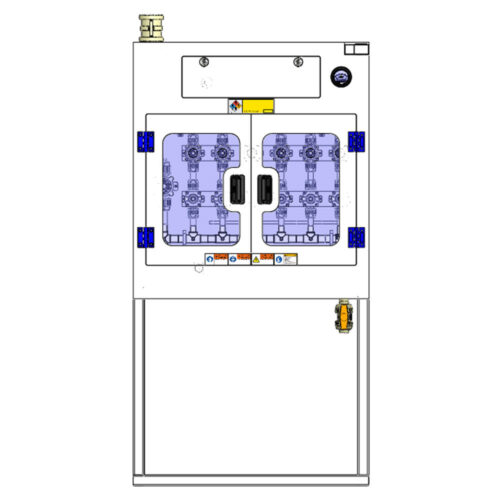
Sistemas Configuráveis de Alta Pureza Caixa de Manifold de Válvulas VMB JW-200-VMB-C & JW-100-VMB-C
-
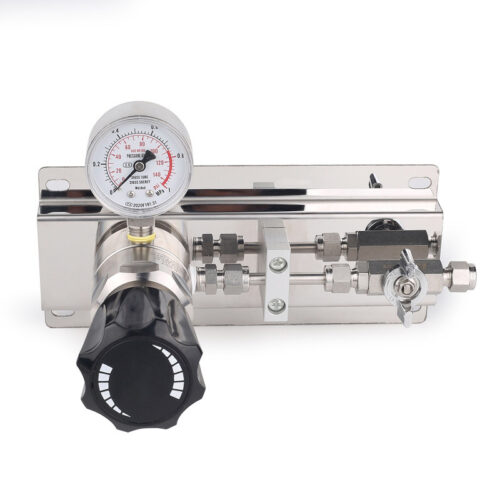
Painel regulador de manifold semiautomático para cilindro de gás de alta pureza, 3000 psig, em aço inoxidável, com manômetro e conexão de 1/8 NPT.
-
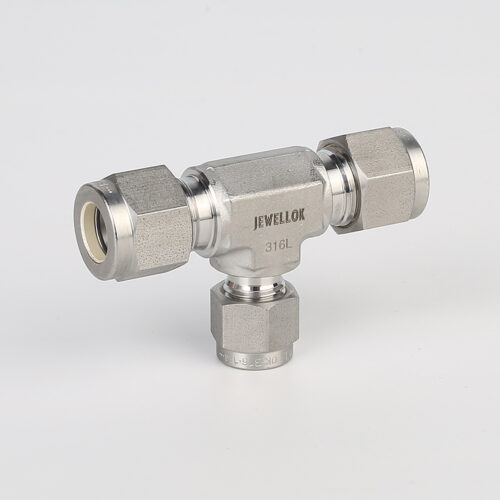
Tê de redução em aço inoxidável 316 764LR UHP para soldagem automática de topo
-
Gabinete de Gás Totalmente Automatizado para Fornecimento Preciso de Gás UHP e Sistemas de Fornecimento de Gás de Alta Pureza JW-300-GC
-
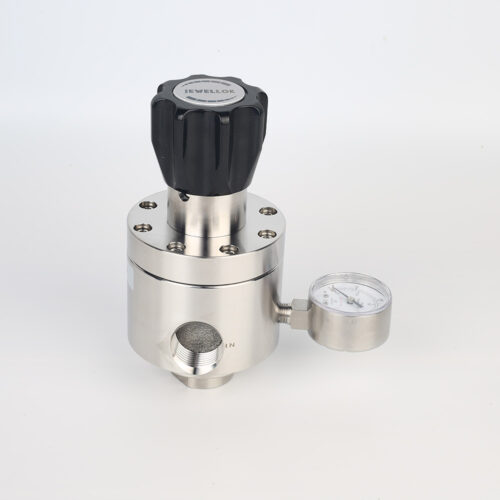
Reguladores de pressão de linha de baixa pressão e alta vazão e válvulas de controle da série JSR-4L para controle de pressão em laboratório.