




















ผู้ผลิตวาล์ว โทร: +86 13380377051
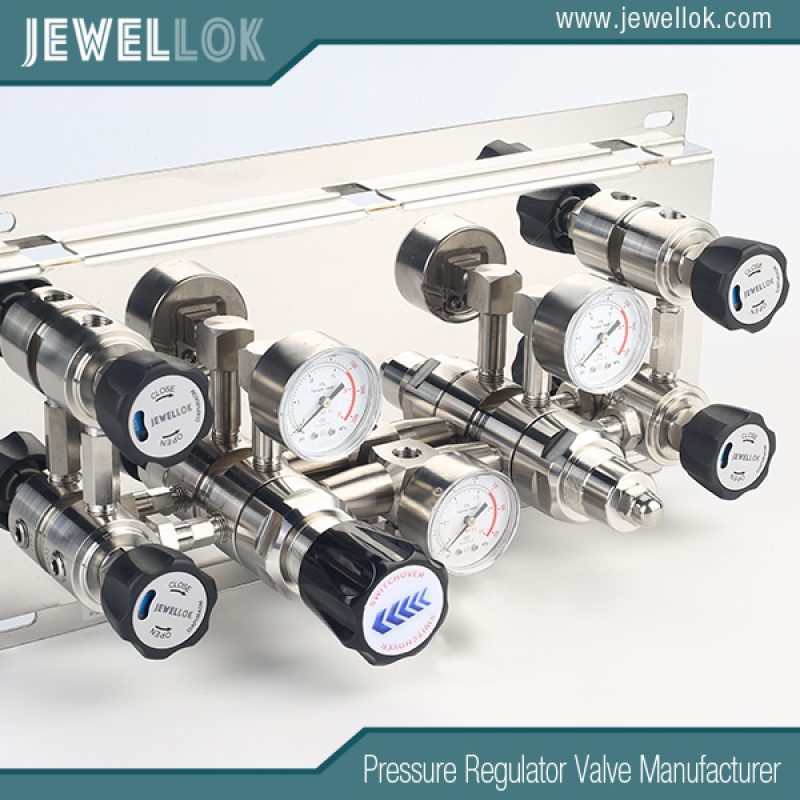
พารามิเตอร์ทางเทคนิคหลักใดบ้างที่ใช้ในการพิจารณาว่าตัวควบคุมแรงดันก๊าซไนโตรเจนแรงดันสูงนั้น "ดีที่สุด" หรือไม่?
ตัวควบคุมแรงดันก๊าซไนโตรเจนแรงดันสูง are essential components in various industrial, laboratory, and scientific applications. These devices reduce the high pressure from nitrogen cylinders—often exceeding 2000 psig (pounds per square inch gauge)—to a safer, more usable level for processes like welding, food packaging, semiconductor manufacturing, and tank blanketing. Nitrogen, being an inert gas, is widely used to prevent oxidation, contamination, or explosions in sensitive environments. But what makes one regulator “the best” among the myriad options available from manufacturers like Swagelok, Matheson, or Emerson?
The determination of superiority isn’t subjective; it’s rooted in core technical parameters that ensure reliability, safety, precision, and longevity. These parameters include pressure handling capabilities, flow efficiency, material quality, stability under varying conditions, leak prevention, and compliance with standards. A top-tier regulator excels in balancing these factors while meeting specific application needs, such as high-purity requirements in labs or rugged durability in industrial settings. For instance, in high-pressure scenarios, regulators must handle inlet pressures up to 10,000 psig without compromising output stability.
This article explores these parameters in depth, drawing from industry standards and expert guidelines to help engineers, technicians, and procurement specialists evaluate regulators effectively. By understanding these metrics, users can avoid common pitfalls like pressure fluctuations, leaks, or material degradation, ultimately selecting a device that optimizes performance and minimizes downtime. We’ll break down each parameter, explain its significance, and provide typical benchmarks for what constitutes “best-in-class” performance.
Inlet and Outlet Pressure Ranges
One of the most fundamental parameters is the regulator’s pressure range, encompassing both inlet (supply) and outlet (delivery) capabilities. The inlet pressure rating indicates the high pressure nitrogen gas regulator can safely withstand from the nitrogen source, typically a cylinder at 2000–4000 psig, but up to 10,000 psig in specialized high-pressure models. A best-in-class regulator should handle at least 3000 psig inlet without deformation or failure, with premium models like those from Matheson reaching 7500–10,000 psig for extreme applications such as system charging or purging.
Outlet pressure adjustability is equally critical, as it determines the usable pressure for downstream equipment. High-quality regulators offer precise manual or automatic adjustment, often from 0–600 psig, with finer increments for low-pressure needs (e.g., 0.5″ wc to 6 psig in tank blanketing). The “best” regulators provide wide ranges without sacrificing accuracy, such as Swagelok’s HF series with outlets up to 150 psig from 3000 psig inlets. Why does this matter? Mismatched ranges can lead to over-pressurization risks or insufficient flow, compromising safety and efficiency. Look for regulators with burst pressure ratings exceeding inlet maxima by a factor of 4–5 for added security.
In practice, evaluate pressure ranges against your application’s demands. For HVAC purging, a 0–600 PSI outlet suffices, but semiconductor processes may require sub-atmospheric precision. Top regulators incorporate balanced designs to maintain settings despite inlet variations, ensuring consistent performance.
Flow Capacity and Rate
Flow capacity measures how much nitrogen the regulator can deliver without significant pressure drop, quantified by the Cv (flow coefficient) value or maximum flow rate in standard cubic feet per minute (scfm). A superior regulator boasts a high Cv—e.g., 10.0 or higher for 1-inch models—allowing flows up to 250 scfm or more in high-demand scenarios like manufacturing lines. For nitrogen, which has a specific gravity of 0.97, sizing must account for simultaneous demands like pump-out and thermal cooling in tanks.
The “best” regulators minimize droop—the outlet pressure decrease as flow increases—through innovative designs like gas-actuated mechanisms or larger orifices. Excessive droop (e.g., >10% drop) indicates poor quality, leading to inconsistent process control. Premium models exhibit flat flow curves, maintaining stability even at peak rates. Additionally, consider restricted nozzles for flow limitation to match relief valve capacities.
High flow is vital for applications like welding or blanketing, where interruptions can halt operations. Evaluate using manufacturer flow charts: a regulator with Cv=43.6 at full open for nitrogen at 180 psig inlet exemplifies top performance. Ultimately, the best choice balances high capacity with low droop for efficient, reliable delivery.
Material Construction and Compatibility
Material selection directly impacts durability, purity, and compatibility with nitrogen. Brass is common for general-purpose regulators due to its cost-effectiveness and corrosion resistance, but for high-pressure nitrogen, 316L stainless steel (often VIM-VAR processed) is superior, resisting leaks, freeze-up, and chemical reactions. Barstock construction trumps forged bodies by offering smoother surfaces and lower contaminant adsorption, crucial for high-purity applications.
Why prioritize this? Incompatible materials lead to failures, contamination (e.g., dropping gas purity from 99.999% to 99.9%), or safety hazards. The best regulators feature all-welded designs to eliminate seals, enhancing longevity in harsh conditions. Weight and size also factor in: aluminum for lightweight portable units, stainless for robust industrial use.
|
Material Type
|
Pros
|
Cons
|
เหมาะสำหรับ
|
|---|---|---|---|
|
ทองเหลือง
|
Economical, good for inert gases
|
Porous if forged, less pure
|
อุตสาหกรรมทั่วไป
|
|
สแตนเลสสตีล 316L
|
Corrosion-resistant, high purity
|
Higher cost
|
Labs, semiconductors
|
|
ฮาสเทลลอย
|
Excellent for reactive gases
|
Expensive
|
สภาพแวดล้อมที่กัดกร่อน
|
Pressure Control Accuracy and Stability
Accuracy is gauged by how well the regulator maintains set outlet pressure amid flow or inlet changes, with key metrics like droop, creep (outlet rise with decaying inlet), lockup (pressure rise at zero flow), and hysteresis (pressure variance in flow direction). Best regulators exhibit minimal droop (<5%) and lockup (<0.1″ wc), using diaphragm sensing for precision or pistons for ruggedness.
Dual-stage designs excel in stability, isolating outlet from inlet fluctuations—ideal for depleting cylinders where single-stage units cause creep. Three-stage models handle ultra-high inlets (3000 psig) to low outlets (0-30 psig) with exceptional constancy.
In nitrogen applications, instability can ruin processes like GC analysis. Top performers use tied diaphragms or balanced pilots for deadband as low as 0.75″ wc. Always review pressure-flow curves: flat lines indicate superior accuracy.
ความสมบูรณ์ของการรั่วไหล
Leak tightness prevents gas loss, contamination, or hazards, measured by helium leak rates. Laboratory-grade regulators achieve 1 x 10^-8 mbar L/s, vastly better than industrial 1 x 10^-3 mbar L/s. This curbs inward air infiltration via venturi effects, preserving nitrogen purity.
Operating Temperature Range
Regulators must operate across expected temperatures, typically -20°F to +300°F (-29°C to +149°C), with extremes affecting seals and flow. Best models use elastomers like NBR or FKM for broad ranges, avoiding freeze-up in cold nitrogen flows.
Material expansion/contraction can alter spring rates; stainless diaphragms mitigate this. For cryogenic apps, specialized designs prevent icing.
Connection Types and Standards
Compatibility starts with connections: CGA580 for standard nitrogen, 677 for high-pressure variants. Best regulators offer NPT, flanged (ANSI/PN), or VCJ fittings for leak-free integration.
Standards like ISO for pressures up to 10 MPa ensure reliability. Modular surface-mounts simplify installation.
Regulator Design: Single vs. Multi-Stage
Single-stage suits constant inlets; multi-stage (dual/three) provides superior stability for varying conditions. Best for nitrogen: dual-stage to counter cylinder depletion. Pilot-operated designs offer precise low-pressure control.
Durability and Maintenance
Durability stems from robust materials and designs resisting corrosion and vibration. Ease of maintenance—modular parts, purge features—marks the best, reducing downtime.
Certifications and Compliance
Top regulators comply with CGA, ISO, NACE, WRAS, or EC1935 for safety and purity. Helium-tested for leaks, they meet industry benchmarks.
บทสรุป
Determining the “best” high-pressure nitrogen gas regulator hinges on excelling in these parameters, tailored to your needs. Prioritize based on application: purity for labs, flow for industry. By evaluating specs like pressure ranges, materials, and stability, you ensure optimal performance. Consult manufacturers for custom fits, and remember: the best regulator isn’t the cheapest—it’s the one that delivers reliability and safety over time.
For more about what are the core technical parameters for determining whether a high pressure nitrogen gas regulator is “the Best”?, you can pay a visit to Jewellok at https://www.jewellok.com/ สำหรับข้อมูลเพิ่มเติม.
-
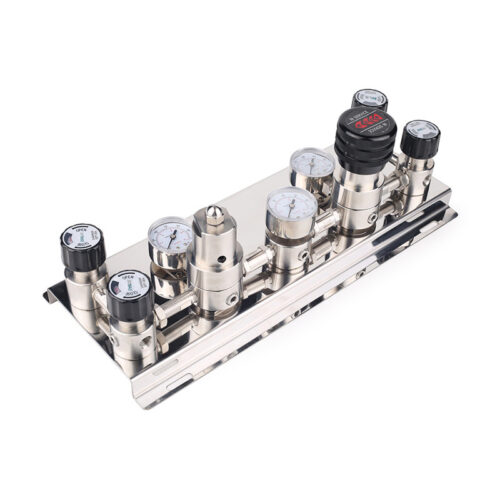
ระบบสลับแก๊สอัตโนมัติ ท่อร่วมสลับแก๊สอัตโนมัติ ระบบสลับถังแก๊สอัตโนมัติ
-
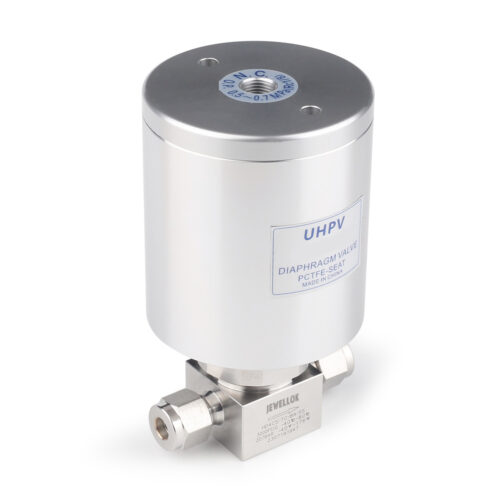
วาล์วไดอะแฟรมสเตนเลสความบริสุทธิ์สูงพิเศษแบบนิวแมติกทนความร้อนและแรงดันสูง
-
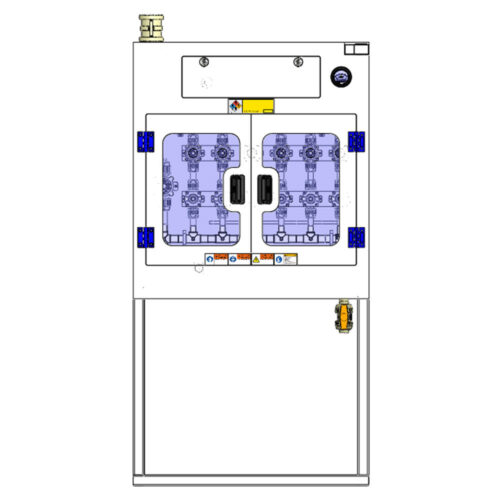
กล่องวาล์ว VMB สำหรับระบบความบริสุทธิ์สูงที่ปรับแต่งได้ รุ่น JW-200-VMB-C และ JW-100-VMB-C
-
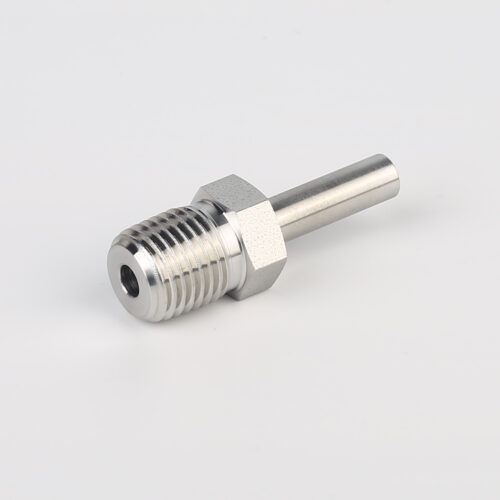
739 อะแดปเตอร์ตัวผู้ LMR ความบริสุทธิ์สูง สำหรับท่อต่อและข้อต่อ
-
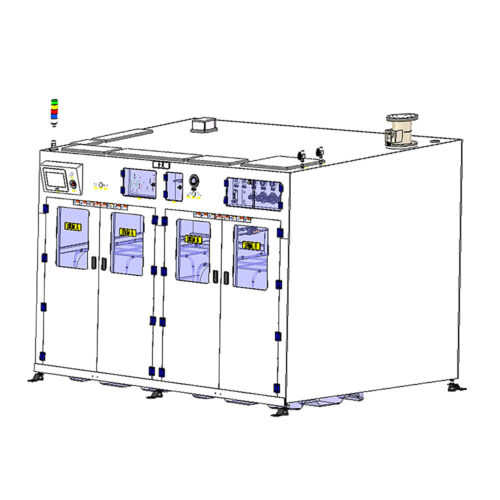
ตู้ดักก๊าซ ตู้บำบัดก๊าซท้ายระบบดักก๊าซ ระบบดักก๊าซระบายอากาศ กล่องเผาไหม้พร้อมตัวกรองความร้อน ระบบดักก๊าซ/ลดมลพิษ
-
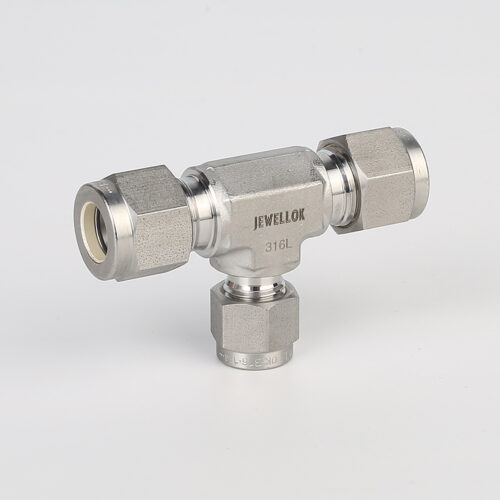
ข้อต่อสามทางลดขนาดสแตนเลส 764LR 316 UHP ข้อต่อสามทางลดขนาดแบบเชื่อมชนอัตโนมัติ
-
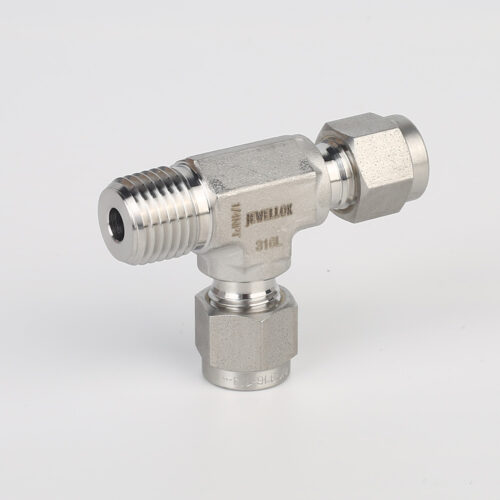
ข้อต่อสามทางตัวผู้ 771L | สแตนเลสคุณภาพสูง ความบริสุทธิ์สูง ข้อต่อสามทางแยกท่อ
-
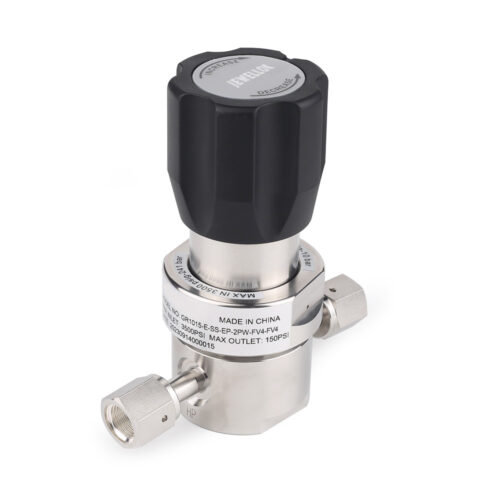
ตัวควบคุมแรงดันลดระดับแบบขั้นตอนเดียว UHP ซีรีส์ JR1000 สำหรับความบริสุทธิ์สูงพิเศษ และอัตราการไหลต่ำถึงปานกลาง