
Valves Manufacturer Tel: +86 13380377051
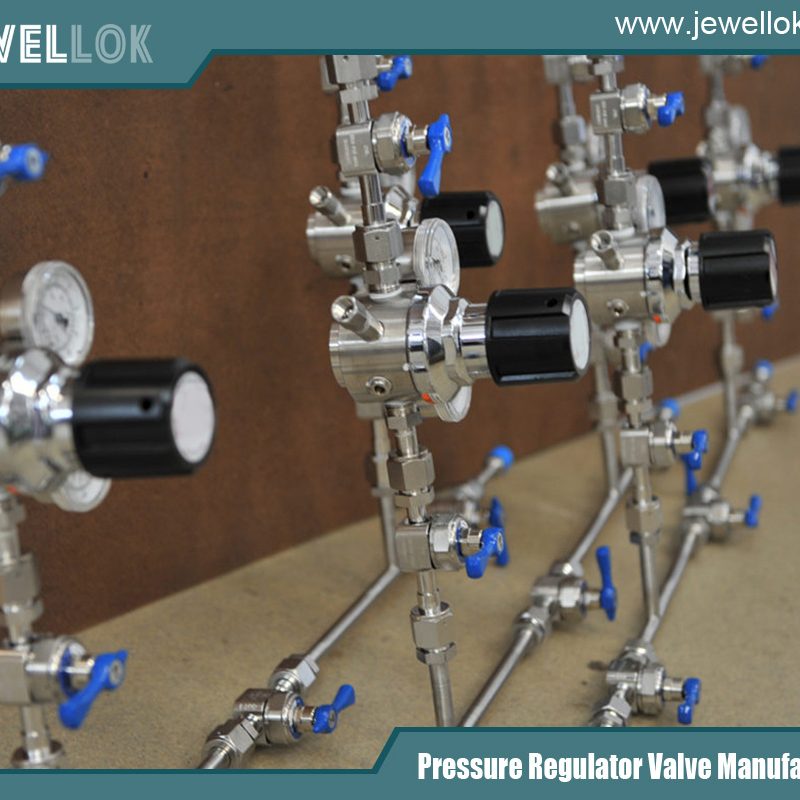
Troubleshooting Common Failures in TMA Gas Changeover Manifolds
Thermo-Mechanical Analysis (TMA) is a critical technique for characterizing the dimensional changes of materials under controlled temperature and stress. A key component ensuring the accuracy and versatility of TMA measurements is the gas changeover manifold. This system precisely controls the purge and reactive gas environment surrounding the sample. Failures within this manifold can lead to inaccurate data, sample oxidation/degradation, baseline drift, and even instrument damage. This article provides a comprehensive guide to identifying, diagnosing, and resolving the most common failures in TMA gas changeover manifolds, encompassing pneumatic, electronic, and contamination-related issues.

- The Role of the Gas Manifold in TMA
In TMA gas changeover manifold, a sample is subjected to a controlled temperature program while a probe measures its expansion, contraction, or softening. The atmosphere surrounding the sample is not merely inert; it is a critical experimental variable. Common gases include:
- Inert Purge Gases (N₂, Ar): To prevent oxidation and establish a stable thermal baseline.
- Reactive Gases (Air, O₂): To study oxidation kinetics or specific atmospheric effects.
- Specialty Gases (Forming Gas, Dry Air): For specialized experiments.
The gas changeover manifold is the traffic control system for these gases. Typically comprising solenoid valves, pressure regulators, flow meters (or mass flow controllers – MFCs), filters, tubing, and electronic controls, its core functions are:
- Gas Selection: Changeover cleanly and rapidly between different gas sources.
- Pressure & Flow Regulation: Delivering a stable, consistent, and specified flow rate to the furnace/measurement chamber.
- System Protection: Preventing backflow, pressure surges, and ensuring safe venting.
A malfunction in any part of this subsystem compromises the entire experiment. The following sections detail common failure modes, their symptoms, and systematic troubleshooting approaches.
- Common Failure Modes and Systematic Diagnosis
A structured diagnostic approach is essential. Begin with the simplest, most probable causes before proceeding to complex component replacements.
2.1. Symptom: No Gas Flow or Insufficient Flow
- Possible Causes & Troubleshooting:
- Gas Supply: Verify the primary gas cylinder/line is not empty. Check that cylinder valves and main supply valves are fully open.
- Pressure Regulator: Inspect the inlet and outlet pressure gauges on the regulator. If the outlet pressure is zero or far below the set point (typically 1-3 bar / 15-45 psi for most lab instruments), the regulator may be faulty or clogged. Try adjusting the regulator knob. Listen for audible gas flow.
- Blocked Filters: Particulate filters are installed to protect valves and MFCs. Over time, they can become clogged, especially if gas purity is low or tubing was not clean. Locate the filter housing (usually near the manifold inlet). A significant pressure drop across the filter (inlet pressure much higher than outlet pressure) indicates a clog. Replace the filter element according to the manufacturer’s schedule.
- Faulty Solenoid Valve: A solenoid valve may fail to open due to:
- Electrical Failure: Use a multimeter to check for proper voltage (e.g., 12 or 24 VDC) at the valve coil terminals when the instrument software commands it “ON.” No voltage indicates a problem with the control board or wiring. Correct voltage but no actuation (no audible click) points to a burned-out coil.
- Mechanical/Jamming Failure: Contamination (dust, moisture) can jam the valve plunger. Tapping the valve gently while activating it can sometimes free it, but disassembly and cleaning or replacement is often required.
- Leak in the System: A major leak upstream can prevent sufficient pressure from reaching the furnace. See section 2.3 for leak detection.
- Faulty Mass Flow Controller (MFC): If equipped, an MFC can fail. The instrument may display a flow error. Diagnostic steps often require specialized calibration equipment. Check for loose electrical connections first.
2.2. Symptom: Inability to Switch Gases or Cross-Contamination
- Possible Causes & Troubleshooting:
- Sticking or Leaking Solenoid Valve: This is the most common cause. A valve intended to be closed may leak internally, allowing a small flow of another gas to “bleed” into the active line. Conversely, a valve may stick shut and not open when commanded.
- Diagnosis: Isolate the suspect valve. With only one gas commanded on, use a secondary method (e.g., a bubble flow meter at the furnace outlet or a dedicated gas analyzer) to check for the presence of other gases. Changeover valves should produce an immediate and clean change in the output.
- Faulty Valve Sequencing Logic: Modern TMA systems use software-controlled sequencing to ensure smooth gas transitions. Corrupted software settings or a faulty digital I/O board can send incorrect signals. Verify the instrument configuration software.
- Check Valve Failure: Some manifolds incorporate check valves to prevent back-mixing. A failed check valve (stuck open or leaking) will cause gas mixing. These are often in-line and can be tested by applying gentle pressure/flow from the outlet side; flow should be blocked.
- Sticking or Leaking Solenoid Valve: This is the most common cause. A valve intended to be closed may leak internally, allowing a small flow of another gas to “bleed” into the active line. Conversely, a valve may stick shut and not open when commanded.
2.3. Symptom: Gas Leaks
Leaks are a pervasive issue, leading to oxygen contamination, wasted gas, unstable baselines, and potential safety hazards.
- Troubleshooting and Detection:
- Soap Solution Method: The classic and effective approach. Apply a 50/50 mixture of soapy water or a commercial leak detection fluid to every fitting, connection, valve seal, and tubing joint in the gas path while the system is pressurized. WARNING: Do not use this method in areas with electrical connections unless power is off and areas are carefully dried afterward.
- Electronic Leak Detector: For sensitive detection, especially for inert gases like He or Ar.
- Pressure Decay Test: Isolate sections of the manifold. Pressurize a section and shut off the supply. Monitor the pressure gauge for a drop over 15-30 minutes. A falling pressure indicates a leak.
- Common Leak Points:
- Compression Fittings (Swagelok-type): Overtightening can damage ferrules, undertightening leaves gaps. Re-make the connection following proper procedure (finger-tight plus 1.25-1.5 turns with a wrench).
- Quick-Connects: Seals wear out over time. Replace the O-rings or the entire quick-connect.
- Valve Stem Seals: The shaft seal on manual valves or solenoid valves can degrade.
- Tubing: Cracks or pinholes, especially in plastic tubing like PVC or Tygon.
2.4. Symptom: Unstable Baseline, Drift, or Noisy Signal
While often attributed to the transducer or furnace, the gas manifold can be the root cause.
- Possible Causes & Troubleshooting:
- Unstable or Pulsating Flow: A failing regulator can cause outlet pressure to oscillate. A nearly empty gas cylinder can also cause pressure drops. Verify stable regulator output.
- Contaminated Gas or Manifold: Moisture or hydrocarbons in the gas stream can deposit on the sample or probe, causing erratic signals. This contamination can originate from:
- Impure Gas Source: Use high-purity grade gases (e.g., 99.999%).
- Dirty/Compromised Gas Lines: New tubing should be properly cleaned. Old tubing can outgas or develop internal biofilm.
- Carryover from Previous Experiments: Volatile byproducts from one sample can condense in cold parts of the gas path and be re-released during a subsequent experiment. Ensure adequate purging between runs.
- Insufficient Purge Flow/Time: If the baseline stabilizes after a very long time, the standard purge time or flow rate may be insufficient to fully exchange the atmosphere in the furnace chamber. Increase purge parameters in the method.
2.5. Symptom: Electrical Failures and Control Issues
- Possible Causes & Troubleshooting:
- Blown Fuse: Locate the main and auxiliary fuses on the instrument’s power distribution board. Check and replace if necessary (with identical rating).
- Faulty Relay or Driver Circuit: The main control board uses solid-state relays or driver chips to power solenoid valves. A failed relay will show correct control signal input but no voltage output to the valve.
- Loose or Corrupted Connectors: Vibration or thermal cycling can loosen ribbon cables or multi-pin connectors linking the main board to the manifold. Power down and reseat all relevant connectors.
- Software/Communication Error: Reboot the instrument controller. Reload or verify the instrument configuration file.
- Preventive Maintenance Schedule
Proactive maintenance drastically reduces unplanned downtime.
- Daily/Weekly: Visual inspection for obvious leaks, kinked tubing, and verification of gas cylinder pressure.
- Monthly: Check and record regulator output pressures. Listen for abnormal valve sounds.
- Quarterly: Perform a thorough leak check on the entire gas path. Inspect filters.
- Annually/Bi-Annually: Replace all particulate filters. Consider replacing polymer tubing (if used). Have MFCs calibrated by a qualified technician. Schedule professional instrument service.
- Safety Considerations
- Always refer to the instrument’s Factory Manual for specific safety instructions and approved procedures.
- Ventilation: Ensure the lab is well-ventilated, especially when using inert gases which can displace oxygen, or toxic/reactive gases.
- Depressurize: Before performing any maintenance on the gas manifold, shut off the gas supply at the source and vent the pressure from the system using the instrument’s vent or by carefully loosening a downstream connection in a safe direction.
- Use Correct Parts: Only use replacement parts (filters, ferrules, seals, valves) specified or approved by the instrument manufacturer to ensure compatibility and safety.
- Conclusion
The gas changeover manifold is a vital yet often overlooked subsystem in TMA. Its reliable operation is fundamental to data integrity. Failures typically manifest as flow problems, atmospheric contamination, or signal instability. A methodical troubleshooting approach—starting from the gas source, through regulators and filters, to valves, and finally the furnace—is most effective. Regular preventive maintenance, including leak checks and filter replacements, is the most cost-effective strategy to ensure consistent, high-quality TMA measurements and extend the operational life of the instrument. When in doubt, especially for complex electrical or MFC issues, consult with the instrument manufacturer’s technical support team.
For more about troubleshooting common failures in TMA gas changeover manifolds, you can pay a visit to Jewellok at https://www.jewellok.com/ for more info.
-
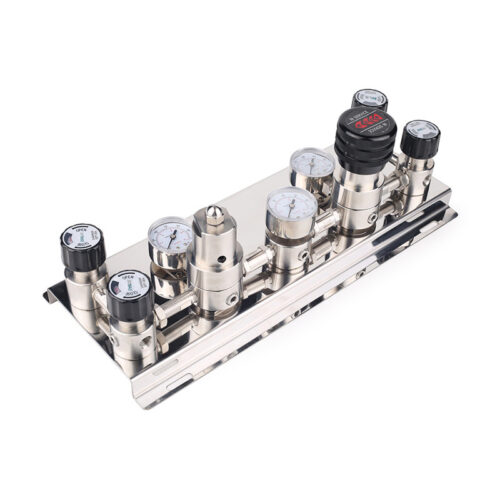
Automatic Gas Switchover System Automatic Switchover Manifold Automatic Gas Cylinder Switchover
-
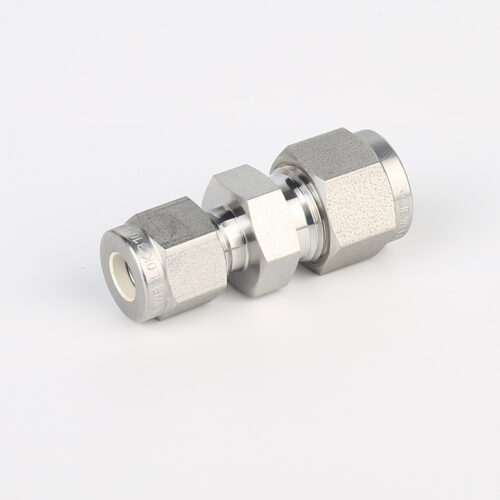
763L Stainless Steel High Purity Pressure Reducing Union Fittings And Tubing Pressure Reducing Valve Adjustment
-
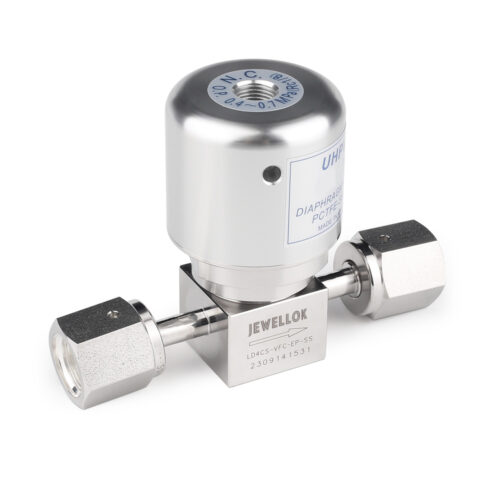
Stainless Steel Low Pressure Seal Pneumatic Diaphragm Control Valve For For HP & UHP Gases
-
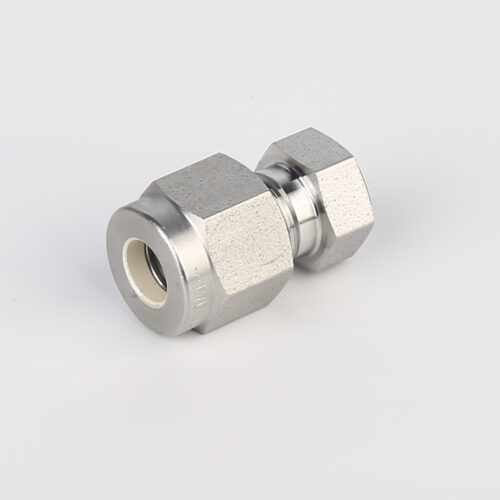
7108L Cylinder Cap Connectors For Ultra High Purity Gases
-
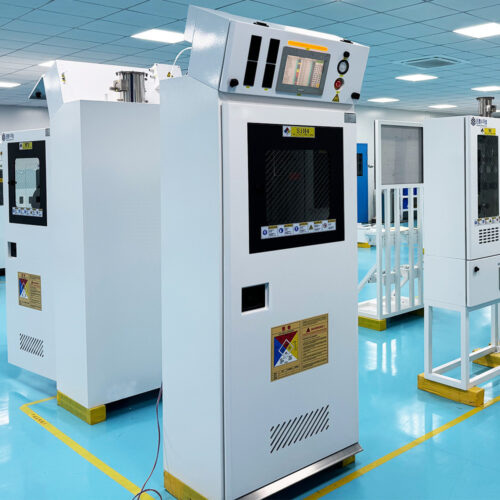
BSGS Large Flow Specialty Gas Supply Cabinet 3 Cylinder Gas Storage Cabinet Fully Automated PLC Control Bulk Specialty Gas Systems (BSGS) Gas Cabinets
-
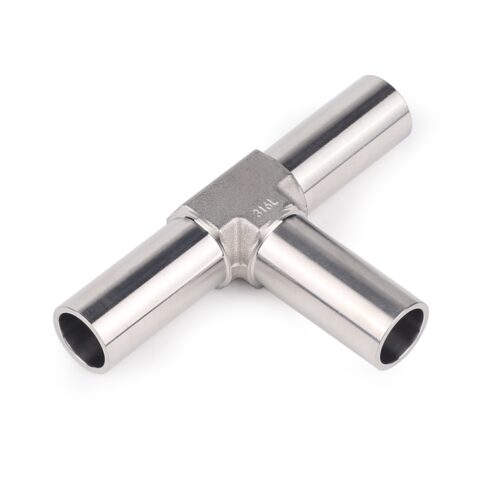
Stainless Steel Ultra Clean Welding Joint Fittings TW Series TRW Series & CW Series
-
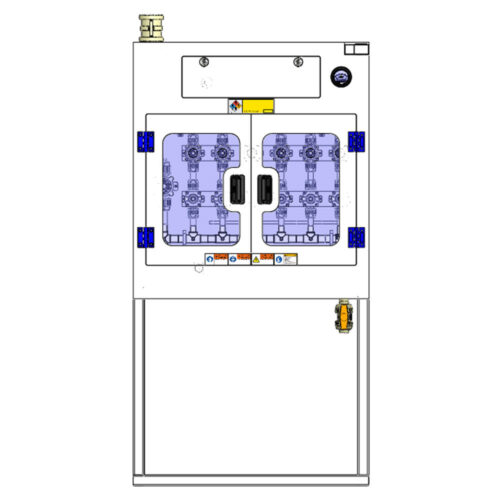
High Purity Configurable Systems VMB Valve Manifold Box JW-200-VMB-C & JW-100-VMB-C
-
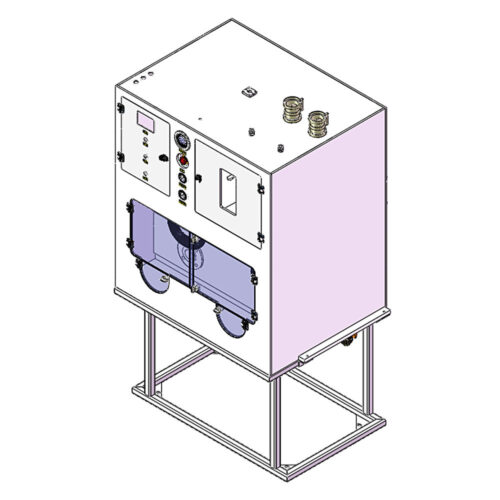
Clean Connection Cabinet JW-300-CCB Valve Manifold Box And Control Valve Box