
Valves Manufacturer Tel: +86 13380377051
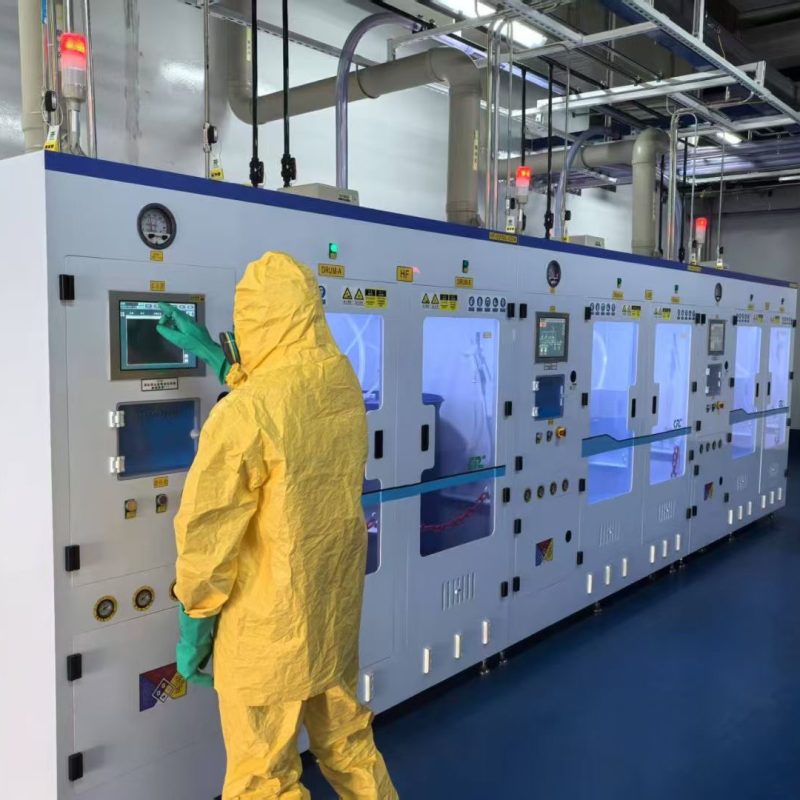
What Is an Exhaust Gas Scrubber? Working Principles and Industrial Applications Explained
In the ongoing global effort to reduce atmospheric pollution, few sectors have faced as much regulatory pressure as the maritime and heavy industrial industries. For decades, the combustion of heavy fuel oils in ship engines and power plants has released millions of tons of sulfur oxides (SOx) and particulate matter into the atmosphere, contributing to acid rain and respiratory illnesses. While the push for cleaner fuels like Liquefied Natural Gas (LNG) is gaining momentum, a significant portion of the global fleet and industrial infrastructure still relies on conventional fuels.
This is where the Exhaust Gas Scrubber comes into play. Often simply called a “scrubber,” this technology acts as a chemical processing plant for smoke, allowing vessels and facilities to burn cheaper, high-sulfur fuel while meeting strict emission regulations. This article provides a deep dive into what an exhaust gas scrubber is, the scientific principles behind its operation, the different types available, and its critical role in modern industry.
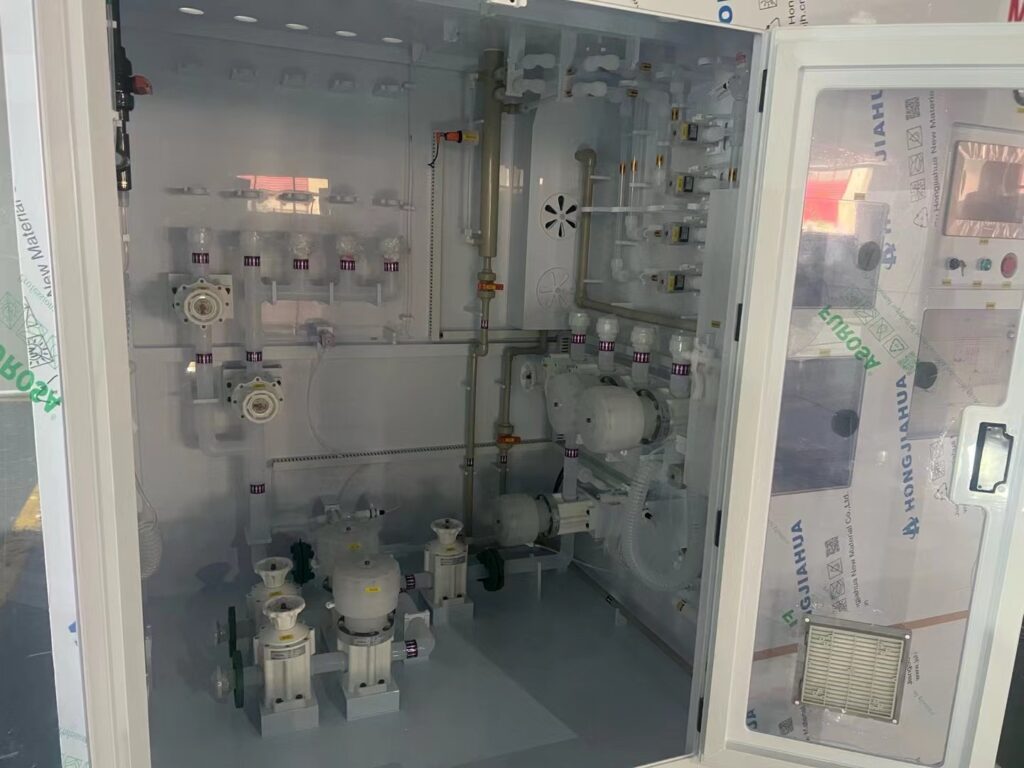
What is an Exhaust Gas Scrubber?
An exhaust gas scrubber is an air pollution control device that removes harmful components from industrial exhaust streams. In the context of maritime and power generation, it is specifically designed to remove sulfur oxides (SOx) and particulate matter from the exhaust gases of internal combustion engines and boilers.
The principle is elegantly simple: dirty exhaust gas is brought into intimate contact with a cleaning medium, usually water (seawater or freshwater) mixed with a chemical reagent, which absorbs the pollutants. The cleaned gas is then released into the atmosphere, while the byproducts are treated or discharged according to environmental regulations. By installing a scrubber, a ship operator can continue using high-sulfur fuel oil (HSFO) and still comply with the sulfur caps mandated by the International Maritime Organization (IMO) and other local regulatory bodies.
The Regulatory Driving Force: Why Scrubbers Are Necessary
To understand the scrubber’s importance, one must first understand the regulations that spawned its widespread adoption. The IMO, through the MARPOL Annex VI regulations, has progressively lowered the allowable sulfur content in marine fuels.
-
Global Sulfur Cap: As of January 1, 2020, the global sulfur limit was slashed from 3.5% to just 0.5% .
-
Emission Control Areas (ECAs): In designated ECAs (such as the Baltic Sea, North Sea, and US Coast), the limit is even stricter at 0.1% .
Shipowners were faced with a stark choice:
-
Switch to compliant fuels: Use expensive Marine Gas Oil (MGO) or Very Low Sulfur Fuel Oil (VLSFO), which increases operational costs significantly.
-
Adopt alternative fuels: Invest in LNG-powered vessels, which requires massive capital expenditure and new infrastructure.
-
Install an Exhaust Gas Scrubber: Continue using cheap, high-sulfur fuel and “clean” the exhaust on board.
For many, the third option—installing a scrubber—presents the most economically viable solution, allowing them to capitalize on the price differential between high-sulfur and low-sulfur fuels.
Working Principles: How Does a Scrubber Work?
While there are several variations, the core working principle of a scrubber relies on a chemical reaction known as neutralization. Sulfur oxides (specifically SO₂) are acidic. When they come into contact with an alkaline (basic) substance, they are neutralized into harmless salts.
In a typical wet scrubber, the process follows these steps:
-
Exhaust Intake: Hot exhaust gas from the engine or boiler enters the scrubber unit.
-
Contact with Scrubbing Liquid: The gas passes through a specially designed chamber where it is sprayed with a vast quantity of scrubbing water. To maximize contact, the chamber may contain “packing material” (randomly shaped objects or structured grids) that increases the surface area.
-
Absorption and Reaction: The SOx in the exhaust dissolves into the water droplets. In seawater, which naturally contains alkaline elements like calcium carbonate and magnesium salts, the SOx is immediately neutralized. In freshwater systems, an alkaline chemical—typically Caustic Soda (Sodium Hydroxide, NaOH) —is added to the water to facilitate the reaction.
-
Water Treatment: The now-acidic or sulfur-laden water (washwater) exits the scrubber. It is sent to a water treatment plant where suspended solids (soot and particulate matter) are removed via hydrocyclones and centrifuges. The cleaned water is then either treated to adjust its pH before discharge or stored for recirculation.
-
Exhaust Discharge: The cleaned, water-saturated exhaust gas is passed through a demister to remove water droplets and then released up the funnel stack.
Types of Exhaust Gas Scrubbers
Scrubbers are categorized based on two primary factors: the type of fluid used and whether that fluid is recycled.
1. Open Loop Scrubbers
Open loop systems use the surrounding natural water (seawater) as the scrubbing medium.
-
Operation: Seawater is pumped directly from the sea into the scrubber. Because seawater is naturally alkaline, it neutralizes the SOx without the need for added chemicals. The used, slightly acidified and heated water is then sent to a water treatment unit to remove particulates and soot before being discharged back into the sea.
-
Pros: Simple design and lower operational costs (no chemicals to buy).
-
Cons: Cannot be used in freshwater environments (rivers, lakes) or in ports/jurisdictions that prohibit washwater discharge due to concerns about turbidity, acidity, and heavy metal content. Many ECAs now restrict open loop scrubber discharge.
2. Closed Loop Scrubbers
Closed loop systems operate using a recirculating supply of freshwater.
-
Operation: Freshwater is held in a circulation tank and repeatedly sprayed into the scrubber. Because freshwater lacks natural alkalinity, caustic soda (NaOH) is continuously dosed into the water to maintain its pH and ensure SOx absorption. The washwater is collected, cooled, and treated in a process tank. Soot and sludge are extracted as waste, and the cleaned water is returned to the scrubbing process.
-
Pros: Provides total independence from the surrounding water quality, making it suitable for freshwater sailing and ports with strict discharge regulations.
-
Cons: Higher operational costs due to the continuous purchase and storage of caustic soda, and the production of a small amount of residual sludge that must be offloaded on shore.
3. Hybrid Scrubbers
As the name suggests, hybrid scrubbers can operate in both open and closed loop modes.
-
Operation: The system can switch modes based on the vessel’s location. At sea, it can operate in open loop to save on chemical costs. When entering a port or a restricted waterway, it switches to closed loop mode, storing the washwater in a holding tank for later discharge or treatment.
-
Pros: Maximum operational flexibility and future-proofing against changing regulations.
-
Cons: Higher initial capital cost and increased complexity due to additional tanks, piping, and control systems.
4. Dry Scrubbers
While less common in large marine applications due to space constraints, dry scrubbers are used in some industrial settings and smaller vessels.
-
Operation: Instead of water, dry scrubbers use a granular alkaline material (such as hydrated lime or sodium bicarbonate) which is injected into the exhaust stream or packed into a vessel. The SOx reacts with the granules to form a solid salt, which is then captured by a baghouse filter.
-
Pros: No wastewater discharge issues; produces a dry, solid byproduct.
-
Cons: The consumable media is expensive, the equipment is bulky, and the disposal of the reacted solids can be challenging.
Industrial Applications Beyond Shipping
While maritime shipping is the most visible user of scrubber technology, the underlying principle is applied across a wide spectrum of heavy industries.
1. Power Generation
Coal-fired power plants are major emitters of SOx. Large-scale wet scrubbers, often called Flue Gas Desulfurization (FGD) units, are installed in the smokestacks of these plants. They operate on the same principle as marine scrubbers, usually utilizing a limestone (calcium carbonate) slurry to remove sulfur dioxide, producing synthetic gypsum as a byproduct which can be used in the construction industry.
2. Chemical and Fertilizer Production
Facilities producing sulfuric acid, or those involved in metal smelting (which often releases sulfur-rich ores), utilize scrubbers to prevent toxic releases. In the fertilizer industry, scrubbers capture ammonia and other particulate emissions.
3. Waste Incineration
Municipal and hazardous waste incinerators burn materials that release a complex cocktail of pollutants, including acid gases (HCl, SOx) and dioxins. Sophisticated multi-stage scrubbers, often combining dry and wet technologies, are essential for ensuring that the air released from these facilities is safe.
Advantages and Challenges of Scrubber Technology
Advantages
-
Economic Flexibility: Allows operators to take advantage of the price spread between high-sulfur and low-sulfur fuels.
-
High Efficiency: Modern scrubbers can remove over 98% of SOx from exhaust streams.
-
Particulate Reduction: In addition to SOx, scrubbers are effective at capturing soot and heavy hydrocarbons, cleaning the visible “black smoke” from exhaust plumes.
-
Infrastructure Compatibility: It allows existing vessels and plants to remain compliant without the need for a complete fuel system overhaul or engine replacement.
Challenges and Criticisms
-
Environmental Trade-off: Critics argue that scrubbers simply move the pollution from the air to the sea (in open loop systems). Concerns exist about the long-term impact of acidic and heated washwater on marine ecosystems, as well as the discharge of heavy metals and polycyclic aromatic hydrocarbons (PAHs) leached from the soot.
-
Capital and Space Costs: Retrofitting a scrubber onto an existing ship is a major engineering challenge. It requires significant space (often losing cargo capacity), significant electrical power for pumps, and a large capital outlay.
-
Complexity and Maintenance: Scrubbers are complex chemical plants. They require diligent maintenance, corrosion monitoring, and skilled operators to manage the water treatment systems and sludge handling.
The Future of Scrubbers
The future of scrubber technology is currently at a crossroads. While the initial boom (2018-2020) was driven purely by economics, the industry is now moving toward “closed loop” and “hybrid” systems to comply with increasingly strict local washwater discharge regulations.
Furthermore, there is growing interest in using scrubbers not just for SOx, but also for capturing Carbon Dioxide (CO2) —a process known as Carbon Capture and Storage (CCS). While current scrubbers are not efficient at capturing CO2 due to its different chemical properties, the infrastructure of ducting, contact towers, and treatment plants paves the way for future onboard carbon capture systems.
Conclusion
The exhaust gas scrubber is a testament to the power of “end-of-pipe” solutions in an era of transition. While the ultimate goal is a zero-emission future powered by green fuels like hydrogen or ammonia, the scrubber provides a critical bridge. It allows the global economy to keep moving while significantly reducing the impact of acid rain and improving local air quality.
By forcing acidic smoke to pass through an alkaline shower, this technology ensures that massive container ships and industrial plants can operate within the bounds of environmental stewardship. As regulations tighten to encompass water quality and carbon output, the humble scrubber will continue to evolve, proving that sometimes, the best way to deal with pollution is to wash it away.
For more about what is an exhaust gas scrubber? Working principles and industrial applications explained, you can pay a visit to Jewellok at https://www.jewellok.com/ for more info.
-
739 High Purity LMR Male Adapter Tube To Pipe Fittings And Adapters
-
765L Stainless Steel Union Elbow Reducing High Purity Fitting Tubing Extension Tubing Connection
-
768L Stainless Steel Male Tube Butt Weld Connector | Clean Weld Fittings And Ultra-High Purity Fittings
-
Ultra High Purity Stainless Steel Compressed Gas Changeover Manifold Panel System For Integrated Gas Supply System
-
UHP Metal Gasket Face Seal Fittings Vacuum Coupling Metal Face Seal Join Long Gland And Short Gland
-
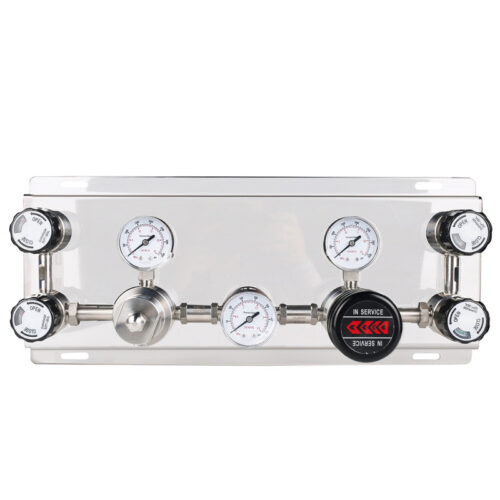
Semi Automatic And Automatic Switching Speicialty Gas Changeover Manifold Panel With Semiconductor Valve Manifold Box Gas Pressure Regulators
-
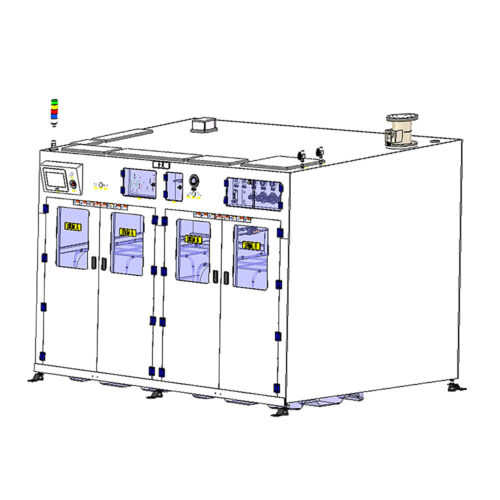
High Purity Chemical Dispense System & Packing System For Semiconductors JW-200L-CDM & JW-1000L-CDM
-
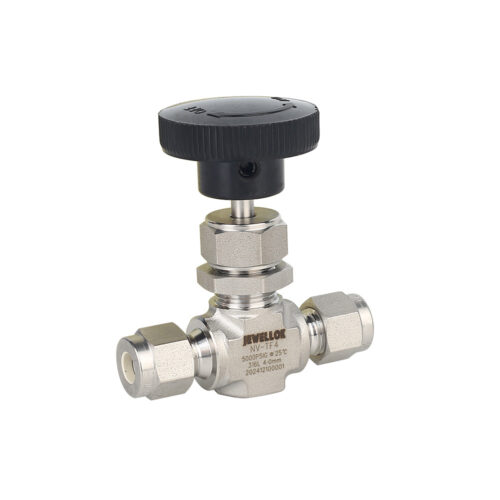
High Purity High Pressure Stainless Steel Needle Valve Natural Gas Flow Control Valve JNV Series