
Valves Manufacturer Tel: +86 13380377051
The Electroplating & Chemical Industry: How to Choose Strongly Corrosion-Resistant Scrubbers?
In the electroplating and specialty chemical manufacturing sectors, the generation of toxic waste gases is an inevitable byproduct of surface finishing processes. Among the most hazardous of these emissions are cyanide (HCN) and chromium (Cr(VI))-laden fumes. The simultaneous presence of these two contaminants presents a unique engineering challenge. Not only are they chemically distinct—requiring different abatement mechanisms—but they are also transported within highly corrosive carrier streams that can rapidly degrade conventional air pollution control equipment.
Selecting a wet scrubber for these applications is not merely a matter of regulatory compliance; it is a critical exercise in corrosion engineering. A failure in material selection can lead to catastrophic equipment failure, unplanned downtime, and the release of lethal gases. This article explores the technical nuances of handling cyanide and chromium-laden exhaust, the chemical reactions involved, and the critical criteria for selecting corrosion-resistant scrubber systems.
1. The Chemical Challenge: Cyanides vs. Chromium
Understanding the chemistry of the waste stream is the foundational step in scrubber selection. While both cyanide and chromium are often present in electroplating shops, their chemical behavior and required scrubbing mechanisms are polar opposites.
1.1 Cyanide (HCN) – The Acid-Sensitive Hazard
Cyanide in plating baths typically exists as a complex salt (e.g., sodium cyanide, NaCN). Under acidic conditions, cyanide salts hydrolyze to form hydrogen cyanide (HCN) gas—an extremely volatile, fast-acting poison with a lethal dose measured in milligrams.
-
The Risk: If a scrubber system handling cyanide is constructed of incompatible materials that corrode and leak, or if the scrubbing liquid chemistry is not carefully controlled, HCN gas can escape into the workplace.
-
Abatement Strategy: Cyanide is typically removed via alkaline scrubbing. The scrubbing liquid must maintain a high pH (usually >10.5) to keep the cyanide in its non-volatile, ionized salt form (CN⁻) in the liquid phase. Sodium hypochlorite (NaOCl) is often injected into the recirculation tank to chemically oxidize the cyanide to cyanate (CNO⁻), and subsequently to carbon dioxide and nitrogen.
1.2 Chromium (Cr(VI)) – The Oxidizing Aggressor
Chromium waste gas primarily consists of chromic acid mist (H₂CrO₄) generated from hard chrome plating and anodizing operations. Hexavalent chromium (Cr⁶⁺) is a potent carcinogen and a powerful oxidizing agent.
-
The Risk: Cr(VI) mists are corrosive not only to human tissue but to most common metals. They aggressively attack carbon steel, galvanized ductwork, and even standard stainless steel (304/316) through pitting corrosion and stress corrosion cracking.
-
Abatement Strategy: Chromium removal requires a reducing environment. The standard method is reduction scrubbing, typically using ferrous sulfate (FeSO₄) or sodium metabisulfite (Na₂S₂O₅). The scrubbing liquid reduces hexavalent chromium (Cr⁶⁺) to trivalent chromium (Cr³⁺), which is significantly less toxic and less soluble, allowing for precipitation and removal.
2. The Corrosion Mechanism in Hybrid Systems
The greatest challenge in the electroplating industry is that ductwork and scrubbers often serve multiple process tanks. A single scrubber might be handling exhaust from a cyanide copper tank, a nickel tank, and a hard chrome tank simultaneously.
If the ductwork or scrubber housing is metallic, the combination of acidic chromium mists and alkaline cyanide mists creates a cyclic corrosion environment. The metal undergoes alternating attacks: oxidation from Cr(VI) and galvanic corrosion from the electrolyte-rich alkaline solutions. Furthermore, the high relative humidity (often 100% saturation) inside a scrubber creates the ideal electrolyte layer necessary for rapid electrochemical corrosion.
Case in point: Stainless steel 316L (SS316L), often considered “stainless,” is generally unsuitable for continuous exposure to chloride-rich chromic acid mists. Within weeks, crevice corrosion and pitting can compromise the structural integrity of the vessel.
3. Material Selection: The Backbone of Durability
When selecting a scrubber for these aggressive environments, the housing material must be assumed to be a consumable—unless it is constructed from inert, high-end polymers or specialized alloys. Here is a hierarchy of materials commonly used:
3.1 Thermoplastics (PP, PVC, CPVC, PVDF)
Thermoplastics are the workhorses of the corrosion-resistant scrubber industry.
-
Polypropylene (PP) and PVC: Suitable for temperatures below 60°C (140°F). They offer excellent resistance to chromic acid and alkaline cyanide solutions. However, they are vulnerable to UV degradation (if outdoors) and have lower structural strength compared to metals.
-
Polyvinylidene Fluoride (PVDF): The gold standard for highly aggressive conditions. PVDF offers exceptional resistance to strong oxidizing agents like chromic acid and high temperatures (up to 140°C / 284°F). It is inert to the wide pH swings that occur during the scrubbing process. While more expensive than PP or PVC, PVDF significantly reduces long-term maintenance costs.
3.2 Fiber-Reinforced Plastic (FRP)
FRP is a composite material widely used for large industrial scrubbers. However, not all FRP is created equal.
-
Standard FRP (Isophthalic/Vinyl Ester): Standard isophthalic polyester resins are vulnerable to attack by strong oxidizing agents like chromic acid. For chromium service, the resin must be a high-grade vinyl ester (e.g., Derakane or equivalent).
-
The Corrosion Barrier: In FRP scrubbers, the “corrosion barrier” is a resin-rich inner layer (usually a C-glass veil) that provides the chemical resistance. If this barrier is compromised by thermal cycling or mechanical stress, the underlying structural glass fibers will wick up the corrosive liquid, leading to “osmotic blistering” and structural failure. For chrome and cyanide, a dual-laminate construction (thermoplastic lining bonded inside an FRP shell) is often specified to combine the chemical inertness of PVDF with the structural strength of FRP.
3.3 Metals (Limited Applications)
Metals are generally discouraged for the wetted parts of scrubbers handling mixed cyanide and chromium streams.
-
Hastelloy C-276: This nickel-molybdenum-chromium alloy is one of the few metals capable of withstanding the pitting and crevice corrosion caused by wet chromium fumes. However, its cost is prohibitive for large-scale scrubbers, and it is typically reserved for critical components like high-pressure nozzles or instrumentation probes.
-
Titanium: While excellent for wet chlorine and certain acids, titanium is not suitable for dry chlorine or fluoride environments, and it poses a fire risk if used in abrasive environments. It is generally not recommended for cyanide service due to potential stress corrosion cracking under specific pH conditions.
4. Scrubber Technology Selection: Packed Bed vs. Other Designs
The material of construction is only half the equation; the scrubber design must ensure the correct gas-liquid contact time and reaction chemistry.
4.1 Packed Bed Scrubbers
The most common technology for these applications is the vertical counter-current packed bed scrubber.
-
Packing Material: The packing (media) provides surface area for mass transfer. In cyanide/chromium service, the packing must also be corrosion-resistant. Polypropylene (PP) or PVDF saddle rings (e.g., Intalox or Pall rings) are standard. Metal packing is strictly prohibited because it will corrode rapidly, causing the bed to collapse and the pressure drop to skyrocket.
-
Dual Chemistry Systems: Because cyanide requires alkaline oxidation and chromium requires acidic reduction, running both through the same recirculation tank is chemically impossible; they would neutralize each other or create hazardous byproducts. Therefore, for facilities combining both exhausts, two-stage scrubbers are mandatory.
-
Stage 1 (Chromium Reduction): The gas first enters a section where the liquid recirculation is dosed with a reducing agent (sulfite/ferrous) and maintained at a lower pH (2.5–3.0) to reduce Cr⁶⁺ to Cr³⁺.
-
Stage 2 (Cyanide Oxidation): The gas then passes through a second packed section with a separate sump and recirculation pump. This liquid is maintained at a high pH (>10.5) with sodium hydroxide and dosed with sodium hypochlorite to oxidize cyanide.
-
Mist Eliminator: A high-efficiency mist eliminator (mesh pad or chevron) is critical at the top of the scrubber to capture any carryover of the aggressive chemical reagents, preventing stack corrosion and emission violations.
-
4.2 High-Energy Venturi Scrubbers
In some applications, particularly where chrome plating involves particulate matter (chrome droplets) rather than just soluble gases, a Venturi scrubber may be used. Venturi scrubbers use high-pressure drops to atomize liquid and capture sub-micron particles. However, for gas-phase cyanide and chromic acid mist, packed towers are generally preferred due to lower energy consumption and continuous liquid recirculation chemistry control.
5. Critical Ancillary Components
The scrubber vessel itself is the main component, but the auxiliary systems are often where corrosion manifests first.
-
Nozzles: Spray nozzles are the most vulnerable components. They experience high velocity and constant exposure to oxidizing chemicals. Stainless steel nozzles will fail. Nozzles must be made of PVDF, PTFE (Teflon), or silicon carbide. Silicon carbide is particularly preferred for chrome service due to its extreme hardness and resistance to erosion from precipitated salts.
-
Recirculation Pumps: Centrifugal pumps must be constructed of CPVC, PVDF, or polypropylene with mechanical seals made of PTFE and Ceramic or Silicon Carbide faces. Metal pumps, even 316SS, will exhibit pitting in the seal faces and volutes within months in chrome service.
-
Instrumentation: pH sensors and ORP (Oxidation-Reduction Potential) sensors are essential for controlling the chemical dosing. In chrome service, standard glass pH probes suffer from “poisoning” and fouling. Differential pH sensors or specialized antimony electrodes are often required to maintain reliable control.
-
Ductwork: The ductwork leading to the scrubber is often overlooked. If the scrubber is PVDF but the ducts are galvanized steel, the steel will corrode, leading to holes that allow fumes to escape into the plant. Ductwork should be PVC, PP, or stainless steel (only if the gas stream is consistently dry, which is rare) with welded seams rather than bolted connections to prevent leakage.
6. Operational Safety and Chemical Dosing
Selecting a corrosion-resistant scrubber is not a “set and forget” solution. The chemistry inside the sump must be tightly controlled to protect the equipment and ensure safety.
-
Cyanide Hazard: If the pH of the cyanide scrubbing section drops below 9.0 due to chemical feed failure, the scrubber sump itself becomes a generator of HCN gas, which will be exhausted out the stack or back into the workspace. The scrubber control system must include high-integrity pH interlocks that shut down the exhaust fan and alert operators if pH deviates from the setpoint.
-
Salt Buildup: The reaction products of cyanide destruction (sodium carbonate, sodium nitrate) and chrome reduction (chromium hydroxide sludge) increase the total dissolved solids (TDS) in the recirculation water. High TDS accelerates corrosion in metallic components and can clog nozzles and packing. A continuous bleed and sludge blowdown system must be integrated into the scrubber design to manage solids.
7. Conclusion: A Holistic Approach
The selection of electroplating scrubber and chemical industry exhaust scrubber requires a shift in perspective from viewing it as a simple “air washer” to treating it as a chemical process reactor.
For applications involving the dual hazards of cyanide and chromium, the optimal solution is typically a dual-stage, packed bed scrubber constructed entirely from PVDF or high-grade vinyl ester FRP, utilizing non-metallic packing and nozzles, and controlled by a robust PLC-based system with redundant pH/ORP monitoring.
The initial capital expenditure for high-end thermoplastic or composite materials is undeniably higher than for painted carbon steel or basic stainless steel. However, in the context of cyanide and chromium abatement, the cost of corrosion is measured not just in replacement parts, but in the currency of environmental liability, worker safety, and regulatory compliance.
By prioritizing chemical compatibility in materials, selecting appropriate reduction/oxidation staging, and ensuring rigorous control of scrubbing chemistry, plant managers can secure a scrubber system that offers not only compliance but decades of reliable, maintenance-free service in the harshest industrial environments.
For more about the electroplating & chemical industry: how to choose strongly corrosion-resistant scrubbers, you can pay a visit to Jewellok at https://www.jewellok.com/ for more info.
-

Automated Bulk Liquid Chemical Delivery System (BCDS) with PLC Controls for High-Volume Industrial Fluid Transport
-
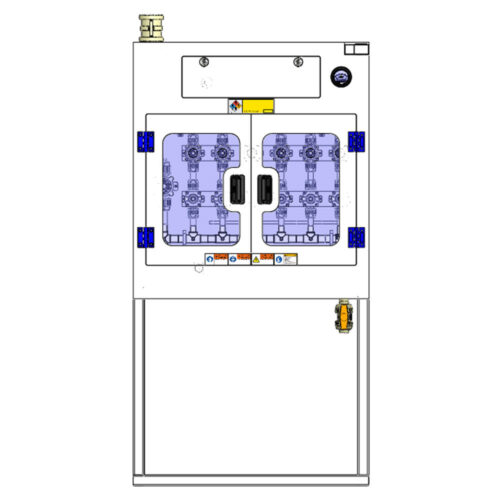
High Purity Configurable Systems VMB Valve Manifold Box JW-200-VMB-C & JW-100-VMB-C
-
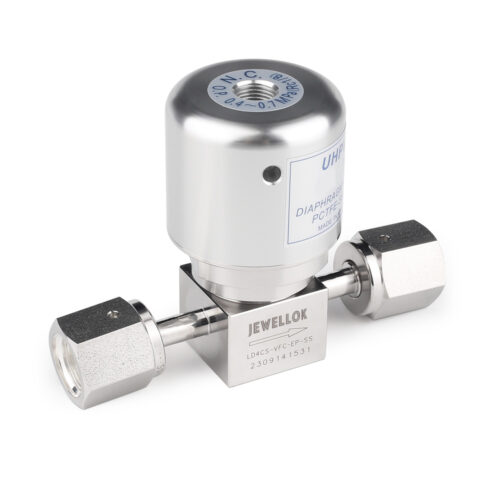
Stainless Steel Low Pressure Seal Pneumatic Diaphragm Control Valve For For HP & UHP Gases
-
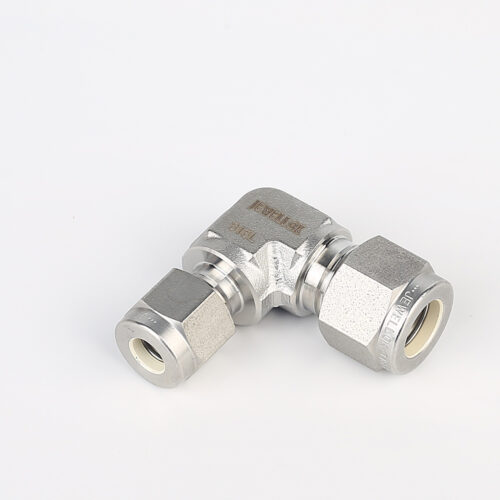
765LR Reducing Tee | Stainless Steel 316 High Purity Butt Weld Fittings Metal Face Seal For Welding Pipe Fitting Reducing Tee
-
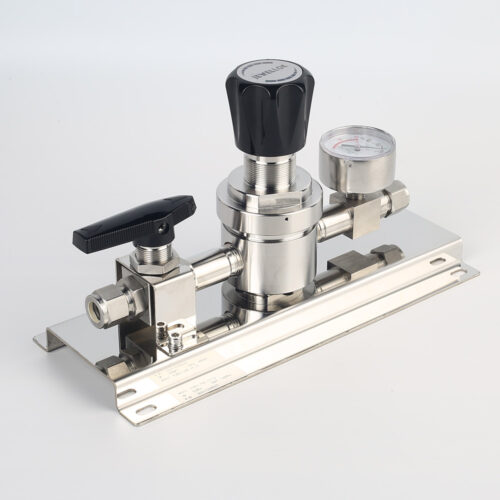
High Purity And Industria Gas Stick Assemblies Precise Pressure Control Gas Systems JSR-1ETG-BV Series
-

Semi Automatic Oxygen Nitrogen Helium Argon Gas Changeover Manifold Manual Gas Changeover Manifold Panel For Gas Cylinders
-
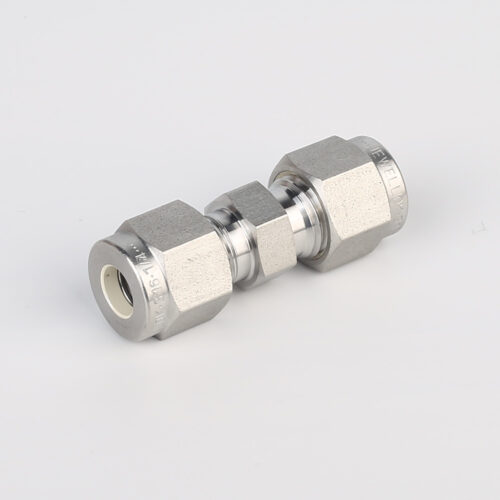
762L Stainless Steel High Purity Union High-Purity Gas System Fittings
-

Ultra-High Purity CDS and CDM Chemical Delivery and Dilution for Semiconductor Manufacturing