
Valves Manufacturer Tel: +86 13380377051
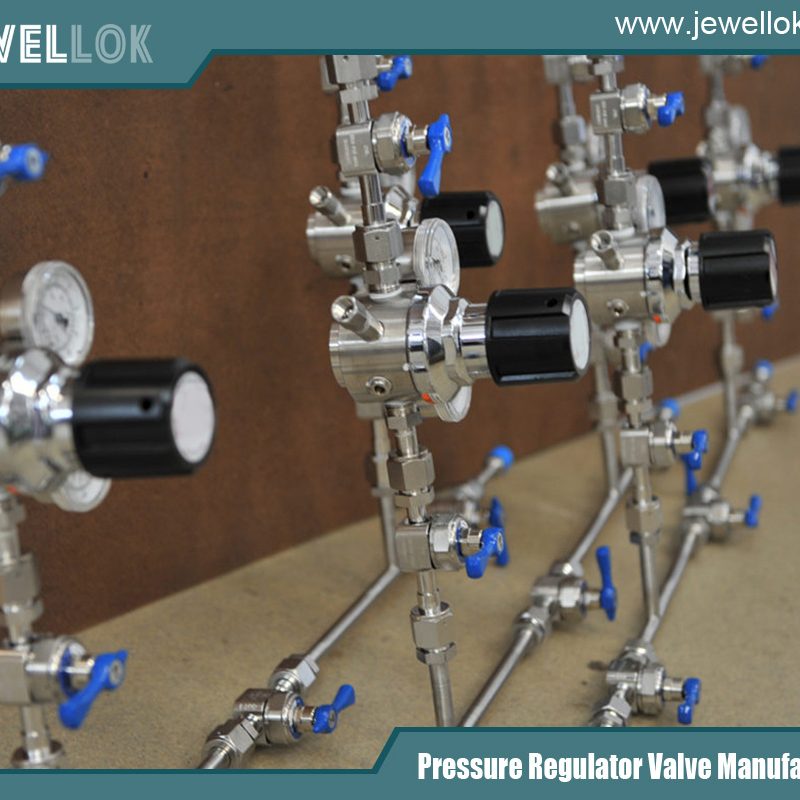
Flow Control and Pressure Regulation in Gas Changeover Systems
Gas changeover systems are critical components in industries where continuous, reliable gas supply is essential. Applications such as semiconductor manufacturing, laboratory research, medical gas delivery, and specialty chemical processing all depend on uninterrupted gas flow with stable pressure and high purity. In these environments, even minor fluctuations in flow rate or pressure can compromise product quality, process consistency, and safety. Therefore, effective flow control and pressure regulation are at the core of gas changeover system design and operation.
1. Overview of Gas Changeover Systems
A gas changeover system is designed to automatically switch between two or more gas sources—typically high-pressure cylinders, tube trailers, or bulk tanks—without interrupting the supply to downstream equipment. The system ensures continuous operation by transitioning from a depleted source to a standby source when the pressure in the primary supply drops below a predefined threshold.
These systems are commonly configured in manual, semi-automatic, or fully automatic modes. Automatic changeover systems are the most advanced, incorporating pressure sensors, regulators, and control logic to enable seamless switching without operator intervention. Regardless of the configuration, maintaining stable downstream pressure and consistent flow during the changeover process is the primary engineering challenge.
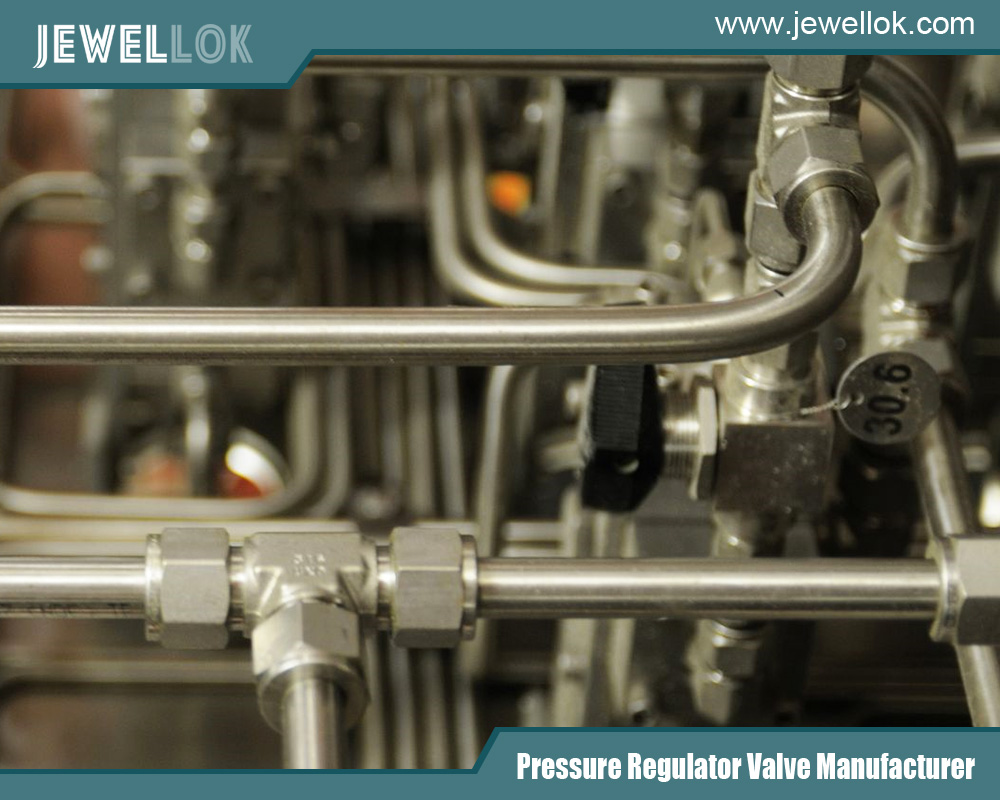
2. Importance of Flow Control
Flow control in gas systems refers to the precise management of the volumetric or mass flow rate delivered to the process. In high-tech industries, processes often require extremely tight flow tolerances. For example, in semiconductor fabrication, process gases must be delivered at stable flow rates to ensure uniform deposition or etching.
Inadequate flow control can lead to several issues:
- Process Instability: Fluctuating flow rates can disrupt reaction conditions.
- Product Defects: Inconsistent gas delivery may cause variations in product quality.
- Safety Risks: Excessive flow can lead to over-pressurization or hazardous gas release.
To address these challenges, gas changeover systems often incorporate components such as mass flow controllers (MFCs), needle valves, and orifice plates. These devices allow fine-tuning of flow rates and ensure that the system responds dynamically to changes in demand or supply pressure.
3. Principles of Pressure Regulation
Pressure regulation is the process of reducing and maintaining gas pressure from a high-pressure source to a lower, usable level required by the application. Gas cylinders can contain pressures exceeding 200 bar, while downstream equipment typically requires pressures in the range of a few bar or even lower.
A pressure regulator functions by balancing the force exerted by the gas pressure against a spring-loaded diaphragm or piston. As downstream pressure changes, the regulator adjusts the valve opening to maintain a constant outlet pressure.
Key considerations in pressure regulation include:
- Droop: The decrease in outlet pressure as flow demand increases.
- Lock-up Pressure: The pressure rise above the setpoint when flow demand stops.
- Response Time: The speed at which the regulator reacts to pressure changes.
High-performance gas changeover systems often use two-stage regulators to improve pressure stability. The first stage reduces the high cylinder pressure to an intermediate level, while the second stage fine-tunes the pressure to the desired setpoint.
4. Integration of Flow Control and Pressure Regulation
Effective gas changeover systems integrate flow control and pressure regulation to ensure seamless operation. During a changeover event, the system must maintain both constant flow and stable pressure, even as the supply source changes.
This integration involves:
- Pressure Sensors: Continuously monitoring inlet and outlet pressures.
- Control Valves: Adjusting flow paths during switching.
- Feedback Loops: Enabling real-time adjustments based on system conditions.
Advanced systems may include programmable logic controllers (PLCs) or distributed control systems (DCS) to coordinate these functions. By using closed-loop control, the system can automatically compensate for disturbances such as pressure drops or sudden increases in demand.
5. Changeover Process Dynamics
The changeover process introduces transient conditions that can affect system performance. When the primary gas source is depleted, its pressure drops, triggering the system to switch to the standby source. During this transition, there is a risk of pressure fluctuation or flow interruption.
To minimize these effects, engineers employ several strategies:
- Overlap Switching: Both sources briefly supply gas during the transition.
- Check Valves: Prevent backflow between sources.
- Buffer Volumes: Use accumulators to smooth pressure fluctuations.
Proper system design ensures that the downstream process remains unaffected by the changeover event.
6. Safety Considerations
Safety is a paramount concern in gas changeover systems, especially when handling toxic, flammable, or high-purity gases. Flow control and pressure regulation play a vital role in mitigating risks.
Key safety features include:
- Pressure Relief Devices: Protect against over-pressurization.
- Excess Flow Valves: Shut off gas supply in case of line rupture.
- Leak Detection Systems: Monitor for hazardous gas leaks.
Additionally, materials compatibility and cleanliness are critical, particularly in ultra-high purity (UHP) applications. Components must be made from materials that do not react with the gas or introduce contaminants.
7. Design Best Practices
Designing an efficient gas changeover system requires careful consideration of several factors:
- System Capacity: Must meet peak flow demands without excessive pressure drop.
- Redundancy: Ensures reliability in critical applications.
- Scalability: Allows future expansion of the system.
Engineers should also consider environmental conditions, such as temperature variations, which can affect gas pressure and flow characteristics. Computational modeling and simulation tools are often used to optimize system performance before implementation.
8. Emerging Technologies and Trends
Recent advancements in sensor technology, automation, and data analytics are transforming gas changeover systems. Smart regulators and digital flow controllers provide enhanced precision and remote monitoring capabilities.
The integration of Industrial Internet of Things (IIoT) technologies enables predictive maintenance and real-time performance optimization. By analyzing data from sensors and control systems, operators can identify potential issues before they lead to system failure.
9. Conclusion
Flow control and pressure regulation are fundamental to the reliable operation of gas changeover systems. By ensuring stable gas delivery during both normal operation and changeover events, these functions support process consistency, product quality, and safety.
As industries continue to demand higher performance and stricter standards, gas changeover systems will evolve with more advanced control strategies and intelligent technologies. Engineers and system designers must stay informed of these developments to build systems that meet the challenges of modern applications.
In summary, a well-designed gas changeover system integrates precise flow control, robust pressure regulation, and intelligent automation to deliver uninterrupted, stable, and safe gas supply across a wide range of critical industries.
For more about flow control and pressure regulation in gas changeover systems, you can pay a visit to Jewellok at https://www.jewellok.com/product-category/chemical-delivery-system/ for more info.
-

Ultra-High Purity CDS and CDM Chemical Delivery and Dilution for Semiconductor Manufacturing
-

Engineering Ultra-High Purity Fluid Control Liquid Chemical Delivery Module (CDM) And Chemical Delivery System (CDS) for Pharmaceutical Grade Applications
-
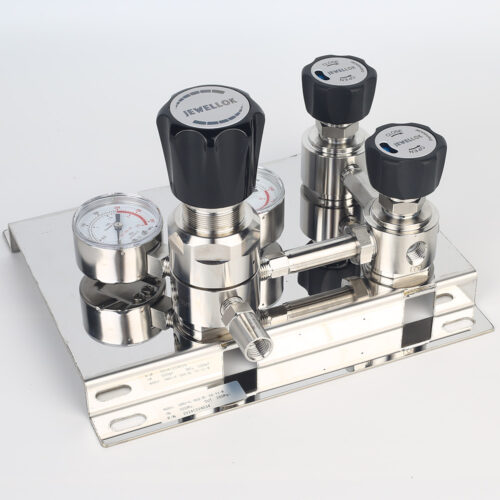
Stainless Steel 316L Single Stage Regulator Pressure Control Panels JSP-1E Series For Semiconductor Fluid Control
-
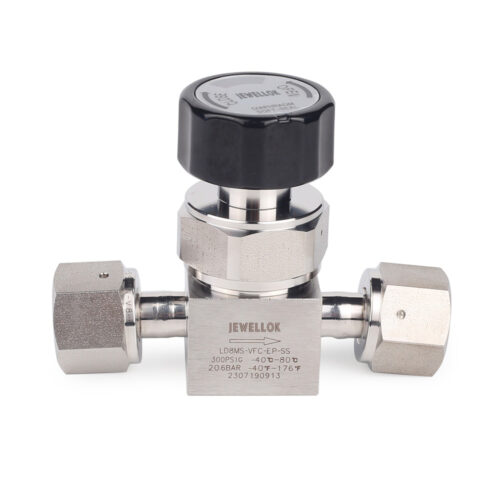
Flow Control Stainless Steel Low Pressure Manual Diaphragm Valve For High Purity And Ultra High Purity Gases
-
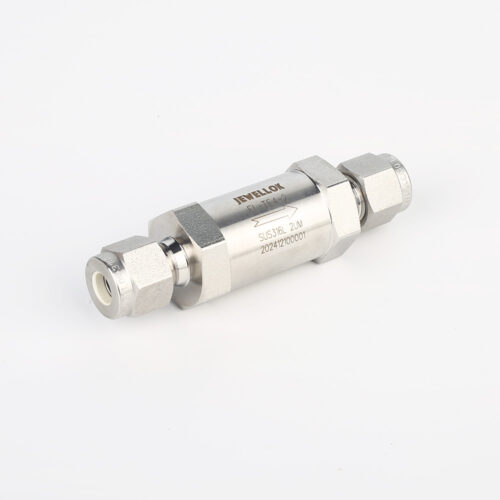
JF Series In-Line Gas Filters | High Purity High Precision High Flow Semiconductor Gas Filter Gas Filtration & Purification
-
Liquid Chemical Delivery Module And Chemical Delivery System Semiconductor Chemical Automatic Liquid Supply Equipment
-
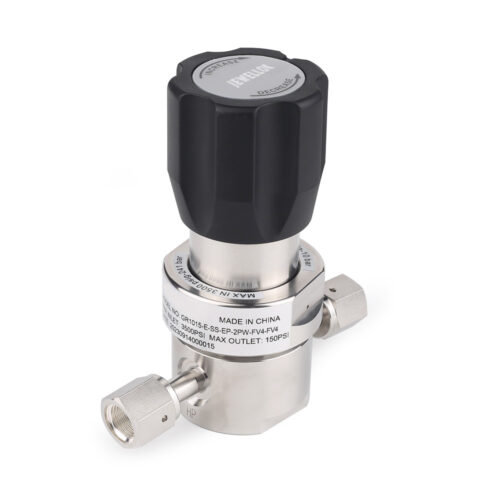
Specialty Gas Valves Ultra High Purity Gas Valves Ultra High Purity Gas Cylinder Valves UHP Cylinder Valve Ultra High Purity Gas Regulator
-
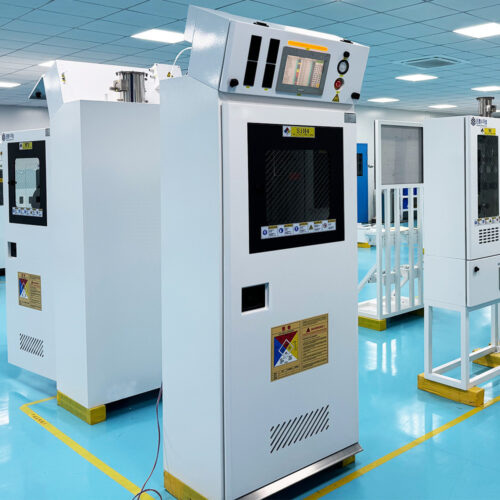
High Purity Bulk Specialty Gas Pressure Control And Filtration Bulk Gas Skid Systems JW-300-BSGS