
Valves Manufacturer Tel: +86 13380377051
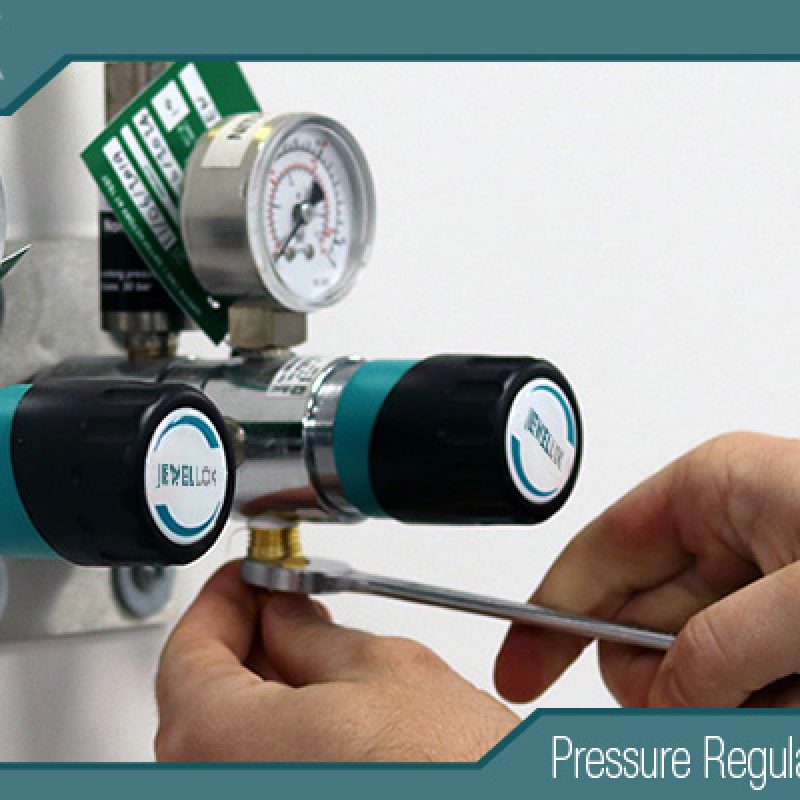
UHP Laboratory Gas Valves with Leak Tight and Corrosion Resistant Design
Introduction
Ultra-high purity (UHP) laboratory gas systems play a critical role in modern scientific research, semiconductor manufacturing, pharmaceutical development, biotechnology, and advanced analytical laboratories. In these environments, gas purity, system integrity, and operational safety directly influence process accuracy, product quality, and equipment reliability. Even microscopic contamination, leakage, or material corrosion can compromise sensitive experiments and lead to substantial operational losses.
Among all components within a gas delivery system, UHP laboratory gas valves are particularly important because they regulate gas flow, isolate process lines, and maintain system pressure while preventing contamination and leakage. A properly engineered UHP gas valve must provide exceptional leak tightness, corrosion resistance, pressure stability, and long-term durability under demanding operating conditions.
As laboratories increasingly utilize aggressive gases such as hydrogen chloride (HCl), ammonia (NH3), hydrogen sulfide (H2S), chlorine, and specialty semiconductor gases, the need for advanced valve designs has become more significant than ever. Modern UHP laboratory gas valves are specifically engineered to minimize dead volume, eliminate particle generation, resist chemical attack, and ensure reliable sealing performance over extended service cycles.
This article explores the design principles, material selection, sealing technologies, and performance advantages of leak-tight and corrosion-resistant UHP laboratory gas valves used in high-purity gas distribution systems.
Importance of UHP Gas Valves in Laboratory Applications
Laboratories handling high-purity or reactive gases require precise flow control and contamination-free gas delivery. Gas valves are essential components that determine the integrity and safety of the entire gas system.
Typical laboratory applications include:
- Analytical instrumentation
- Gas chromatography systems
- Semiconductor research
- Pharmaceutical laboratories
- Laser systems
- Calibration gas systems
- Chemical synthesis
- Cleanroom gas distribution
- Research and development facilities
In these applications, even extremely small leaks can introduce atmospheric contaminants such as moisture, oxygen, hydrocarbons, or particles into the gas stream. Such contamination may affect analytical accuracy, damage sensitive equipment, or alter experimental results.
Leak-tight UHP valves help maintain gas purity levels down to parts-per-billion (ppb) or even parts-per-trillion (ppt), ensuring stable and repeatable laboratory performance.
Key Design Requirements for UHP Laboratory Gas Valves
1. Exceptional Leak Tightness
Leak tightness is one of the most critical performance requirements for UHP gas valves. The valve must prevent both internal and external leakage under varying pressure and temperature conditions.
High-performance UHP valves commonly achieve leak rates as low as:
- 1 × 10⁻⁹ std cc/sec helium
- 1 × 10⁻¹⁰ std cc/sec helium
Such ultra-low leak rates are essential for:
- Toxic gas containment
- Hazardous gas safety
- Vacuum applications
- Ultra-pure gas delivery
- Semiconductor process stability
To achieve this level of sealing integrity, manufacturers utilize advanced sealing technologies including:
- Metal-to-metal diaphragm seals
- Welded diaphragm construction
- Bellows-sealed valve systems
- Precision-machined sealing surfaces
Helium mass spectrometer leak testing is typically performed on every valve assembly to verify leak-tight performance before shipment.
2. Corrosion Resistant Construction
Laboratory gas systems often handle highly corrosive gases that can degrade conventional valve materials. Corrosion may lead to:
- Gas contamination
- Structural failure
- Leakage
- Reduced valve lifespan
- Increased maintenance costs
Therefore, corrosion-resistant materials are essential for long-term reliability.
Common corrosive gases include:
- Hydrogen chloride (HCl)
- Sulfur dioxide (SO2)
- Hydrogen fluoride (HF)
- Chlorine (Cl2)
- Ammonia (NH3)
- Nitric oxide (NO)
- Hydrogen sulfide (H2S)
To resist chemical attack, UHP valves are commonly manufactured using high-grade stainless steel alloys such as:
- 316L stainless steel
- VIM-VAR stainless steel
- Hastelloy
- Monel
- Inconel
Electropolished internal surfaces further improve corrosion resistance while reducing particle entrapment and surface roughness.
3. Minimal Dead Volume Design
Dead volume refers to trapped gas pockets inside the valve body where gas may stagnate. Excessive dead volume can create several problems:
- Gas contamination
- Moisture accumulation
- Particle generation
- Purge inefficiency
- Cross-contamination between gases
Modern UHP laboratory gas valves utilize streamlined internal flow paths and compact diaphragm structures to minimize dead space.
Benefits of low dead volume design include:
- Faster purge cycles
- Improved gas purity
- Reduced gas consumption
- Better process repeatability
- Lower contamination risk
This feature is particularly important in semiconductor and analytical applications where rapid gas switching and ultra-clean conditions are required.
Diaphragm Valve Technology in UHP Applications
Why Diaphragm Valves Are Preferred
Diaphragm valves are widely regarded as the preferred solution for UHP laboratory gas systems because they provide:
- Excellent leak integrity
- Low particle generation
- Minimal dead volume
- Superior corrosion resistance
- Long cycle life
Unlike traditional packed valves, diaphragm valves isolate the process gas from the actuator mechanism using a thin metal diaphragm.
This design eliminates:
- Stem leakage
- Lubricant contamination
- Dynamic sealing wear
- Atmospheric ingress
As a result, diaphragm valves are ideal for high-purity and hazardous gas handling applications.
Welded Diaphragm Design
One of the most advanced sealing technologies used in UHP gas valves is the welded diaphragm design.
In this configuration:
- The diaphragm is laser welded to the valve body
- No elastomeric dynamic seals contact the process gas
- External leakage paths are minimized
Advantages include:
- Extremely low leak rates
- Enhanced pressure resistance
- Improved fatigue life
- Better purity retention
- Compatibility with aggressive gases
Welded diaphragm valves are commonly used in:
- Semiconductor gas cabinets
- Specialty gas panels
- Analytical laboratories
- High-purity process systems
Material Selection for Corrosion Resistance
316L Stainless Steel
316L stainless steel is the most commonly used material for UHP gas valves because of its excellent combination of:
- Corrosion resistance
- Mechanical strength
- Weldability
- Surface finish quality
Low carbon content minimizes carbide precipitation and improves resistance to intergranular corrosion.
High-quality UHP valves often use:
- Vacuum induction melted (VIM)
- Vacuum arc remelted (VAR)
stainless steel for enhanced material purity and structural consistency.
Electropolishing Technology
Electropolishing is a critical surface treatment process for UHP gas system components.
During electropolishing:
- Microscopic surface irregularities are removed
- Surface roughness is reduced
- Contaminants are eliminated
- Corrosion resistance improves
Typical UHP surface finishes include:
- Ra ≤ 10 μin
- Ra ≤ 5 μin
A smoother internal surface reduces particle generation and prevents moisture adsorption, helping maintain ultra-high gas purity.
Specialized Alloys for Aggressive Gases
For extremely corrosive applications, advanced alloys may be required.
Hastelloy
Hastelloy offers exceptional resistance to:
- Chlorides
- Acids
- Oxidizing chemicals
- High-temperature corrosion
Monel
Monel is highly resistant to:
- Hydrofluoric acid
- Seawater corrosion
- Alkaline environments
Inconel
Inconel provides:
- High-temperature stability
- Oxidation resistance
- Excellent mechanical strength
These specialty materials are often used in semiconductor precursor delivery systems and corrosive chemical laboratories.
Leak Testing and Quality Assurance
Helium Leak Testing
Helium leak testing is the industry standard method for verifying valve integrity.
Helium is used because:
- It has very small molecules
- It is inert
- It can penetrate microscopic leaks
- It is easily detectable
Every UHP valve may undergo:
- External leak testing
- Internal seat leak testing
- Pressure testing
- Functional cycle testing
This ensures consistent reliability before installation.
Cleanroom Manufacturing
UHP laboratory gas valves are typically manufactured and assembled in cleanroom environments to minimize contamination.
Cleanroom production helps prevent:
- Particle contamination
- Hydrocarbon residue
- Moisture exposure
- Surface impurities
Additional cleaning procedures may include:
- Ultrasonic cleaning
- DI water rinsing
- Nitrogen drying
- Vacuum packaging
Such manufacturing controls are essential for semiconductor-grade gas systems.
Safety Advantages of Leak-Tight UHP Valves
Handling toxic, flammable, or corrosive gases requires strict safety standards.
Leak-tight UHP valves help reduce risks associated with:
- Toxic gas exposure
- Fire hazards
- Explosive atmospheres
- Environmental emissions
- Equipment damage
Critical safety features may include:
- Burst-resistant diaphragms
- Positive shutoff design
- Pressure-rated construction
- Fire-safe materials
- High cycle durability
These safety characteristics are especially important in:
- Semiconductor fabs
- Chemical laboratories
- Pharmaceutical production
- Research facilities
Applications of UHP Corrosion-Resistant Gas Valves
Semiconductor Industry
Semiconductor manufacturing requires extremely pure gases for processes such as:
- Chemical vapor deposition (CVD)
- Etching
- Ion implantation
- Lithography
UHP diaphragm valves help maintain contamination-free gas delivery throughout the fabrication process.
Analytical Laboratories
In analytical instrumentation, gas purity directly affects measurement accuracy.
Applications include:
- Gas chromatography
- Mass spectrometry
- ICP-MS systems
- Calibration gas distribution
Leak-tight valves prevent baseline instability and measurement errors caused by contamination.
Pharmaceutical and Biotechnology Facilities
Pharmaceutical laboratories use high-purity gases for:
- Sterile processing
- Fermentation systems
- Drug development
- Analytical testing
Corrosion-resistant valves improve system reliability while ensuring compliance with strict quality standards.
Specialty Gas Delivery Systems
Specialty gas cabinets and gas panels require reliable UHP valves capable of handling hazardous gases safely.
These systems often include:
- Pressure regulators
- Gas purifiers
- Flow control devices
- Automatic shutoff systems
High-integrity valves are essential for maintaining operator safety and gas purity.
Future Trends in UHP Valve Technology
As laboratory and semiconductor processes become more advanced, UHP gas valve technology continues to evolve.
Emerging trends include:
Smart Valve Monitoring
Integrated sensors allow:
- Real-time leak detection
- Cycle monitoring
- Predictive maintenance
- Remote diagnostics
Enhanced Surface Coatings
Advanced coatings improve:
- Corrosion resistance
- Particle control
- Chemical compatibility
Miniaturized Valve Designs
Compact UHP valves support:
- Space-saving gas panels
- Modular laboratory systems
- Portable analytical equipment
Automation Integration
Modern valves increasingly support:
- Automated gas control
- Semiconductor tool integration
- Digital communication protocols
These innovations improve operational efficiency while reducing maintenance and contamination risks.
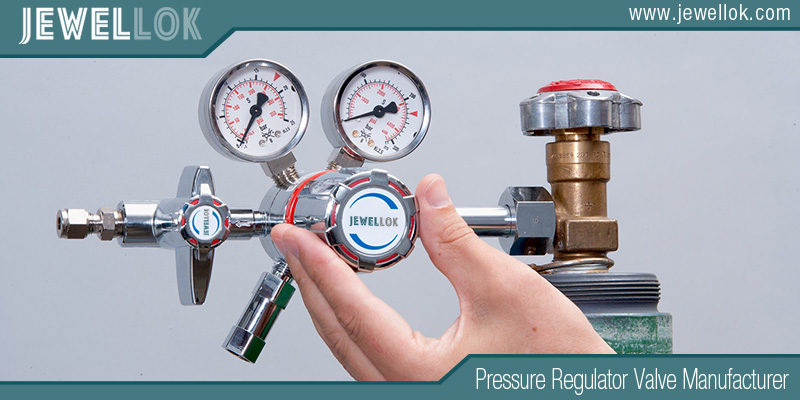
Conclusion
UHP laboratory gas valves with leak-tight and corrosion-resistant design are essential components in modern high-purity gas delivery systems. Their ability to maintain ultra-low leak rates, resist aggressive chemical environments, and minimize contamination makes them indispensable in semiconductor manufacturing, analytical laboratories, pharmaceutical facilities, and advanced research environments.
Through the use of welded diaphragm technology, corrosion-resistant alloys, electropolished surfaces, and precision manufacturing processes, modern UHP valves provide exceptional reliability, purity retention, and operational safety.
As industries continue demanding higher purity standards and more sophisticated gas handling systems, the importance of advanced UHP laboratory gas valve technology will only continue to grow. Investing in high-quality leak-tight and corrosion-resistant valves not only improves system performance but also enhances safety, reduces maintenance costs, and ensures long-term operational stability in critical laboratory applications.
For more about UHP laboratory gas valves with leak tight and corrosion resistant design, you can pay a visit to Jewellok at https://www.jewellok.com/product-category/chemical-delivery-system/ for more info.
-
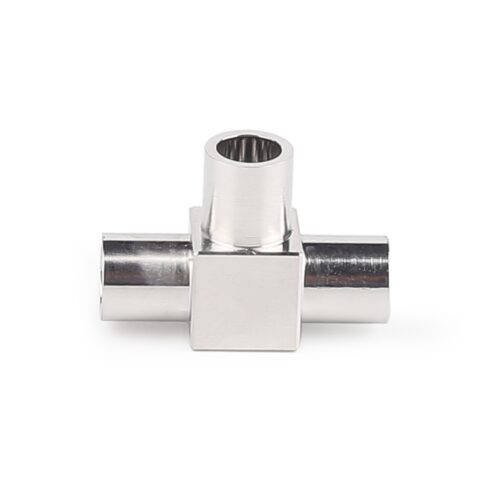
Stainless Steel Ultra High Purity Mini Butt Weld Mini Tee Reducer MTRW Series Fittings
-
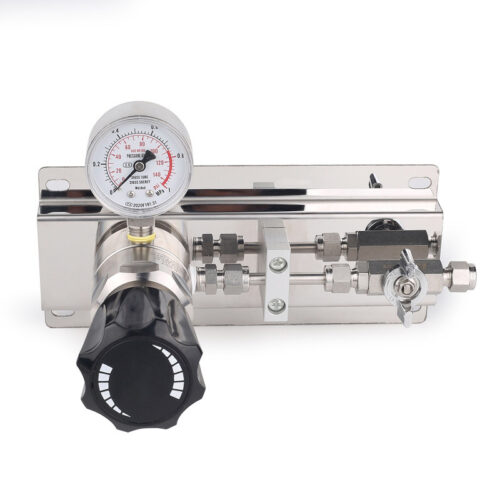
High Purity Gas Cylinder Semi Automatic Changeover Manifold Regulator Panel 3000psig Stainless Steel Gas Control Panel 1/8 Npt With Gauge
-
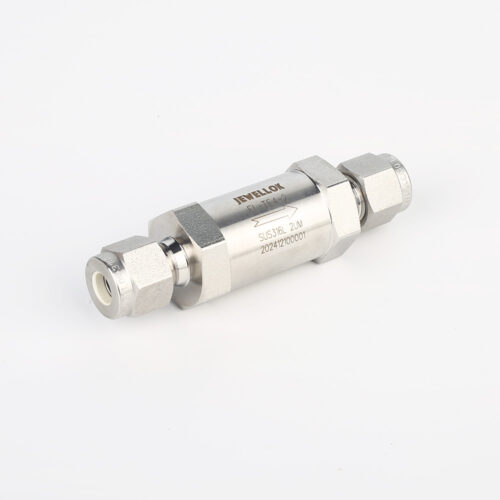
JF Series In-Line Gas Filters | High Purity High Precision High Flow Semiconductor Gas Filter Gas Filtration & Purification
-
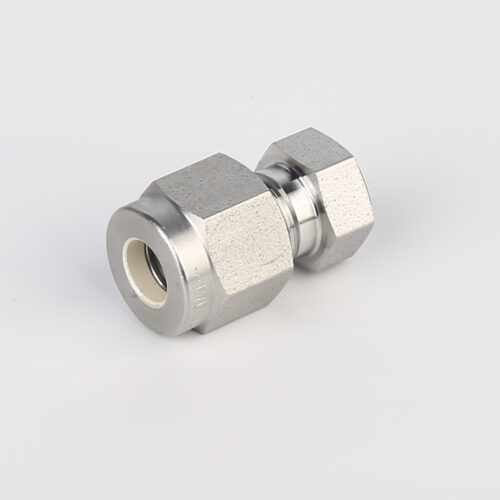
7108L Cylinder Cap Connectors For Ultra High Purity Gases
-
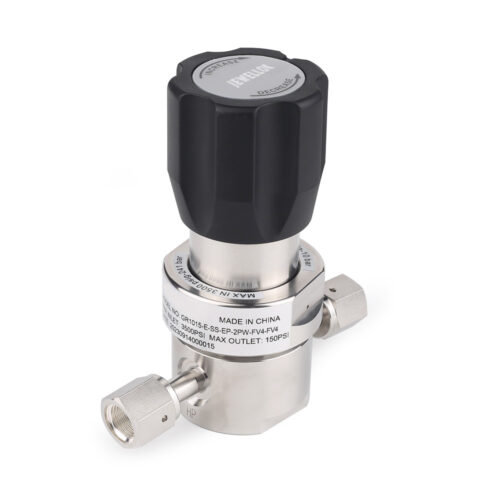
Premium Grade Ultra High Purity Gas Valve Solutions Sourced Directly from China for Critical Semiconductor and Advanced Photovoltaic Gas Distribution Lines
-
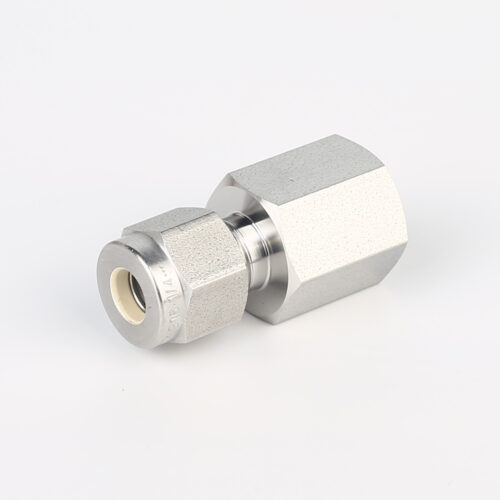
766L High Purity Female Connector UHP Fitting Female Connector
-

Liquid Chemical Valve Manifold Box Chemical Dispensing Units, Semi & Fully Automatic Chemical Filling Equipment
-
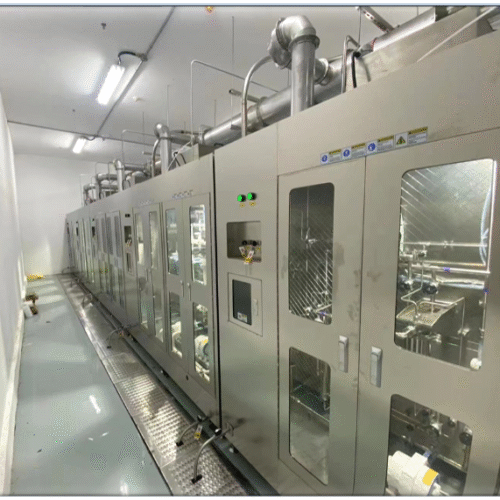
Ultra-High Purity Bulk Liquid Chemical Delivery System (BCDS) for Maintaining Parts-Per-Trillion Purity in Manufacturing