
Valves Manufacturer Tel: +86 13380377051
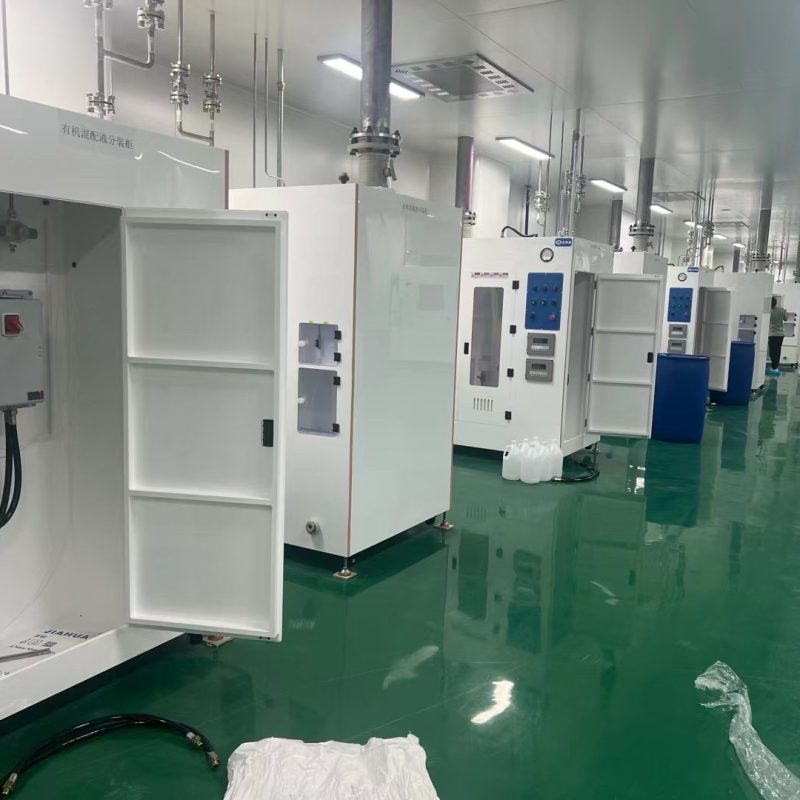
Efficient Gas Treatment Systems for VOC and Acid Gas Control
Industrial development across sectors such as semiconductor manufacturing, chemical processing, pharmaceuticals, and energy production has significantly increased the emission of volatile organic compounds (VOCs) and acid gases. These emissions pose serious environmental and health risks, contributing to air pollution, climate change, and occupational hazards. As environmental regulations become stricter worldwide, industries are under growing pressure to adopt efficient gas treatment systems that ensure compliance while maintaining operational efficiency. This article explores the principles, technologies, and optimization strategies for controlling VOCs and acid gases effectively.
1. Understanding VOCs and Acid Gases
Volatile organic compounds (VOCs) are organic chemicals that easily vaporize at room temperature. Common examples include benzene, toluene, xylene, and various solvents used in industrial processes. VOCs contribute to the formation of ground-level ozone and smog, and prolonged exposure can cause serious health issues.
Acid gases, on the other hand, include compounds such as hydrogen chloride (HCl), sulfur dioxide (SO₂), nitrogen oxides (NOₓ), and hydrogen fluoride (HF). These gases are typically generated during combustion processes, chemical reactions, or material handling operations. Acid gases are corrosive, toxic, and can lead to acid rain, damaging ecosystems and infrastructure.
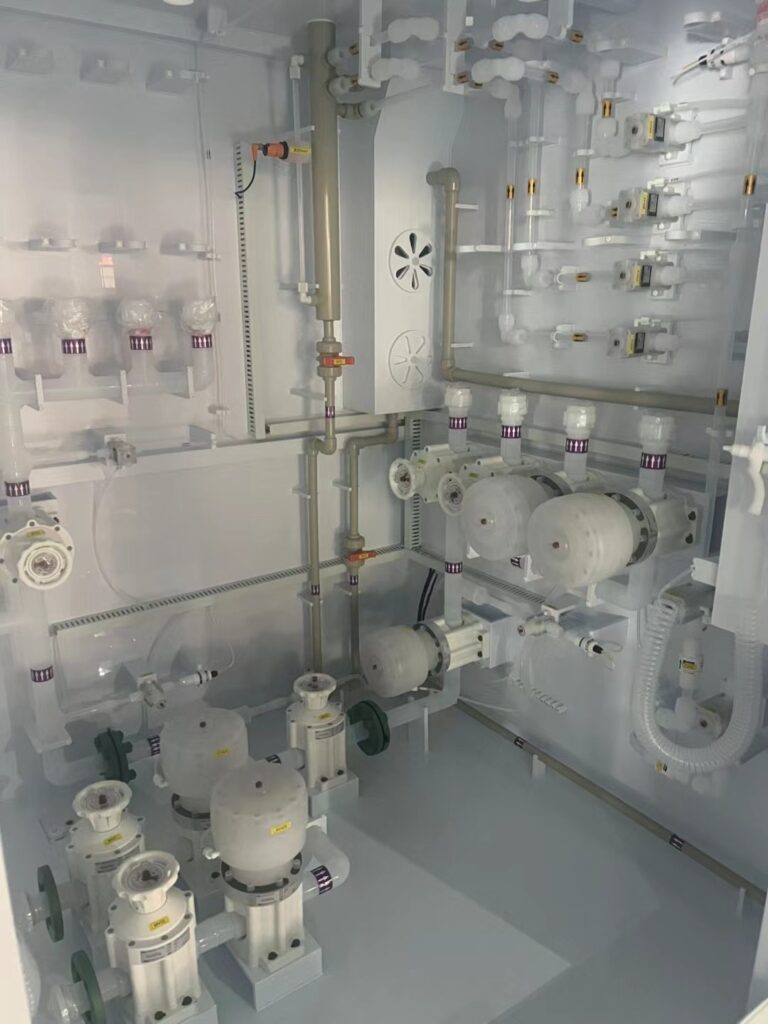
2. Key Challenges in Gas Treatment
Efficient treatment of VOCs and acid gases presents several technical challenges:
- Low concentration, high volume streams: Many industrial exhaust systems handle large airflow rates with relatively low pollutant concentrations, making treatment less energy-efficient.
- Variable composition: Gas streams often contain a mixture of compounds with fluctuating concentrations.
- Corrosive properties: Acid gases can degrade equipment over time, increasing maintenance requirements.
- Strict emission limits: Regulatory standards demand high removal efficiencies, often exceeding 95–99%.
Addressing these challenges requires selecting appropriate technologies and integrating them into a well-designed system.
3. Core Gas Treatment Technologies
3.1 Thermal Oxidation
Thermal oxidizers are widely used for VOC abatement. They operate by heating exhaust gases to high temperatures (typically 700–1,100°C), converting VOCs into carbon dioxide and water.
- Regenerative Thermal Oxidizers (RTOs): Use ceramic beds to recover heat, achieving thermal efficiencies above 95%.
- Recuperative Thermal Oxidizers: Utilize heat exchangers for energy recovery but are generally less efficient than RTOs.
Advantages:
- High destruction efficiency (up to 99%)
- Suitable for a wide range of VOCs
Limitations:
- High capital and operating costs
- Not ideal for acid gases without additional treatment
3.2 Catalytic Oxidation
Catalytic oxidizers operate at lower temperatures (250–400°C) by using catalysts such as platinum or palladium to accelerate oxidation reactions.
Advantages:
- Lower energy consumption compared to thermal oxidation
- Compact design
Limitations:
- Catalyst poisoning from contaminants (e.g., sulfur, halogens)
- Requires pre-treatment for particulate removal
3.3 Wet Scrubbing Systems
Wet scrubbers are highly effective for acid gas removal. They use liquid absorbents (typically water or alkaline solutions) to neutralize acidic components.
- Packed Bed Scrubbers: Provide large surface area for gas-liquid contact.
- Venturi Scrubbers: Suitable for removing both gases and particulates.
Advantages:
- Effective for HCl, SO₂, HF, and NH₃
- Simultaneous removal of particulates
Limitations:
- Generates wastewater requiring treatment
- Corrosion-resistant materials needed
3.4 Dry and Semi-Dry Scrubbing
Dry scrubbing involves injecting solid sorbents (e.g., lime or sodium bicarbonate) into the gas stream to react with acid gases.
Advantages:
- No liquid waste
- Lower maintenance compared to wet systems
Limitations:
- Lower removal efficiency than wet scrubbers
- Requires downstream particulate collection (e.g., bag filters)
3.5 Adsorption Systems
Activated carbon adsorption is commonly used for VOC removal, especially at low concentrations.
Advantages:
- High efficiency for trace VOCs
- Can recover valuable solvents
Limitations:
- Saturation requires regeneration or replacement
- Fire risk if not properly managed
3.6 Biofiltration
Biofilters use microorganisms to biologically degrade VOCs and certain acid gases.
Advantages:
- Environmentally friendly
- Low operating cost
Limitations:
- Limited to biodegradable compounds
- Requires controlled temperature and humidity
4. Integrated System Design
In many industrial applications, a single technology is insufficient to meet emission standards. Hybrid systems combining multiple treatment methods are often employed.
Example Configuration:
- Pre-treatment: Particulate removal via filters or cyclones
- Primary VOC control: Thermal or catalytic oxidizer
- Acid gas polishing: Wet scrubber or dry scrubber
- Final adsorption: Activated carbon for trace removal
This multi-stage approach ensures high overall efficiency while optimizing cost and performance.
5. Material Selection and Corrosion Control
Handling acid gases requires careful material selection to prevent corrosion and extend equipment lifespan. Common materials include:
- FRP (Fiberglass Reinforced Plastic): Excellent corrosion resistance for scrubbers
- Stainless Steel (316L): Suitable for moderate corrosive environments
- PTFE-lined components: Used in highly aggressive conditions
Regular inspection and maintenance are essential to prevent leaks and system failure.
6. Energy Efficiency Considerations
Energy consumption is a major factor in gas treatment system design. Strategies to improve efficiency include:
- Heat recovery systems: Especially in RTOs
- Variable frequency drives (VFDs): For fans and pumps
- Process optimization: Reducing unnecessary airflow
- Automation and monitoring: Real-time adjustments to operating conditions
Reducing energy use not only lowers operating costs but also minimizes the carbon footprint of the treatment system.
7. Monitoring and Control Systems
Advanced monitoring systems are critical for ensuring compliance and optimizing performance. Key components include:
- Continuous Emission Monitoring Systems (CEMS): Measure pollutant concentrations in real time
- Gas sensors: Detect specific VOCs or acid gases
- PLC/SCADA systems: Enable automated control and data logging
Data-driven optimization allows operators to identify inefficiencies and respond quickly to process changes.
8. Regulatory Compliance and Standards
Environmental regulations vary by region but generally require:
- High removal efficiencies (often >95%)
- Continuous monitoring and reporting
- Safe handling of by-products (e.g., wastewater, spent adsorbents)
Compliance with standards such as EPA regulations in the United States or EU Industrial Emissions Directive is essential for legal operation and corporate responsibility.
9. Emerging Trends and Innovations
The field of gas treatment is evolving rapidly, driven by technological advancements and stricter environmental policies.
- Plasma technology: Non-thermal plasma for VOC decomposition at low temperatures
- Advanced catalysts: Improved resistance to poisoning and longer lifespan
- Digital twins: Simulation models for system optimization
- Modular systems: Scalable solutions for flexible industrial needs
These innovations aim to enhance efficiency, reduce costs, and improve sustainability.
10. Conclusion
Efficient gas treatment systems for VOC and acid gas control are essential for modern industrial operations. By understanding the characteristics of pollutants and selecting appropriate technologies, industries can achieve high removal efficiencies while maintaining cost-effectiveness. Integrated system design, proper material selection, and advanced monitoring play crucial roles in ensuring long-term performance and regulatory compliance.
As environmental challenges continue to grow, investing in advanced gas treatment solutions is not just a regulatory requirement but also a strategic move toward sustainable and responsible industrial development.
For more about efficient gas treatment systems for VOC and acid gas control, you can pay a visit to Jewellok at https://www.jewellok.com/product-category/chemical-delivery-system/ for more info.
-
High Purity Configurable Systems VMB Valve Manifold Box JW-200-VMB-C & JW-100-VMB-C
-
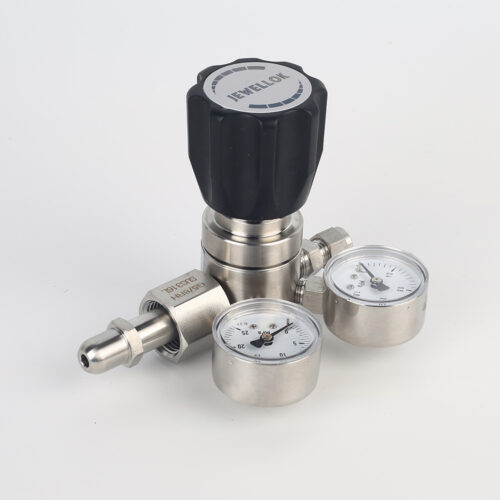
High Purity High Pressure Gas Cylinder Pressure Regulators Pressure Reducing Valve JSR-1E Series
-
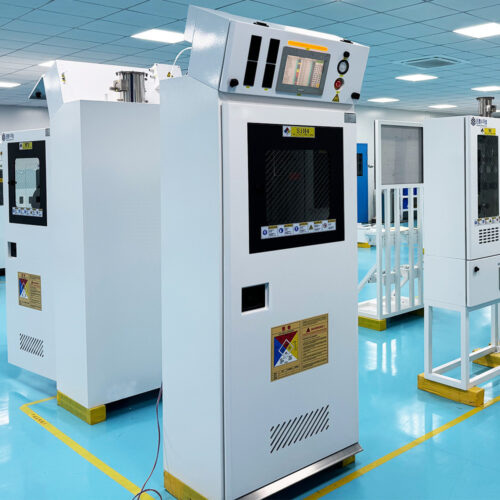
BSGS Large Flow Specialty Gas Supply Cabinet 3 Cylinder Gas Storage Cabinet Fully Automated PLC Control Bulk Specialty Gas Systems (BSGS) Gas Cabinets
-
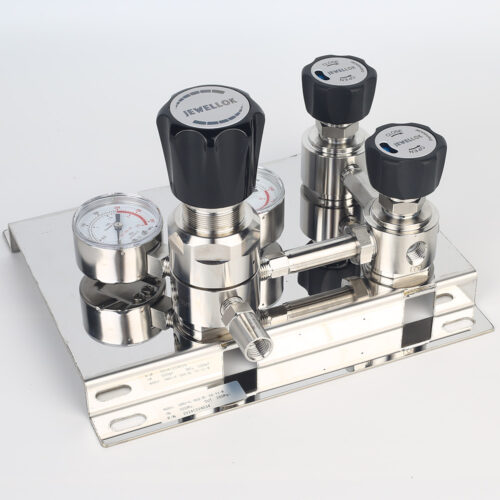
Stainless Steel 316L Single Stage Regulator Pressure Control Panels JSP-1E Series For Semiconductor Fluid Control
-
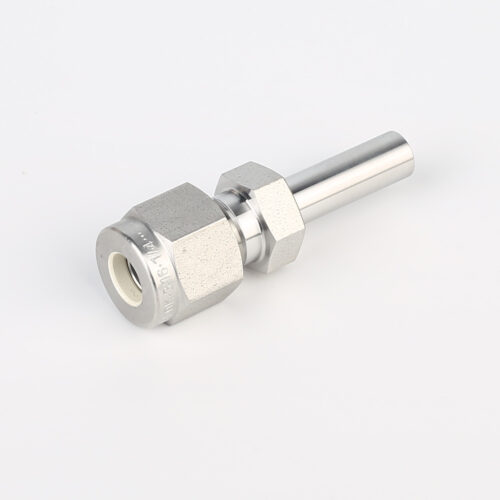
767LT Reducer Pressure Reducing Valve Adjustment High purity Pressure Reducing Union Fittings And Tubing
-
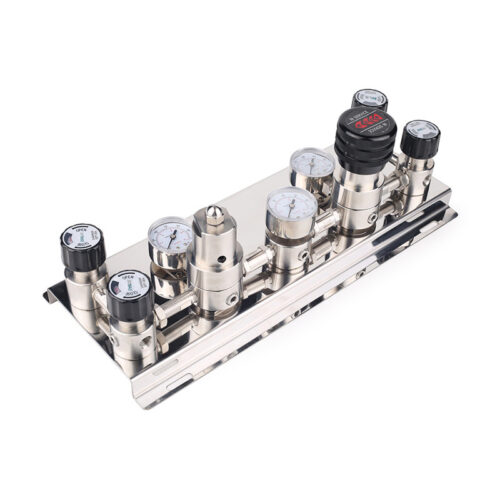
Automatic Gas Switchover System Automatic Switchover Manifold Automatic Gas Cylinder Switchover
-
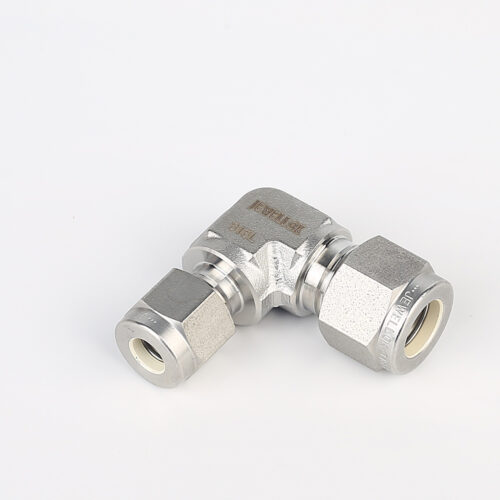
765LR Reducing Tee | Stainless Steel 316 High Purity Butt Weld Fittings Metal Face Seal For Welding Pipe Fitting Reducing Tee
-
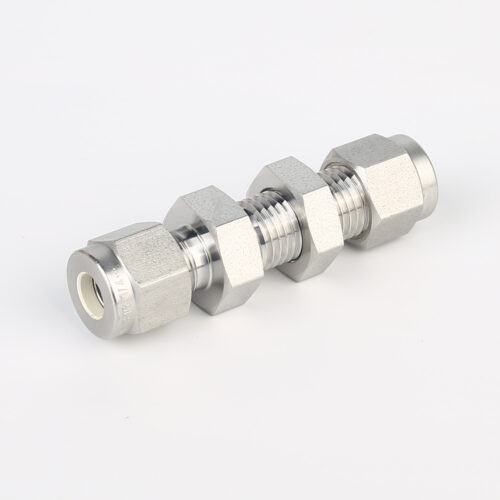
774L Stainless Steel UHP Fittings Butt Weld Bulkhead Union For High Flow Special Gas Fluid