
Valves Manufacturer Tel: +86 13380377051

Lab Exhaust Gas Scrubber System Manufacturer for Hazardous Exhaust Treatment
Laboratories, research centers, pharmaceutical facilities, universities, semiconductor laboratories, and industrial testing facilities often handle chemicals that generate hazardous gases, vapors, fumes, and volatile compounds. Without an effective exhaust treatment system, these pollutants can pose risks to laboratory personnel, damage ventilation equipment, and contribute to environmental emissions. A lab exhaust gas scrubber system is therefore an important component of modern laboratory safety and environmental protection.
As a professional lab exhaust gas scrubber system manufacturer, Jewellok provides engineered exhaust treatment solutions designed to remove or neutralize hazardous contaminants before laboratory exhaust is released into the atmosphere. Depending on the chemical characteristics and operating conditions, scrubber systems can be configured for acid gases, alkaline gases, water-soluble contaminants, toxic gases, particulate matter, and selected VOC-containing exhaust streams.
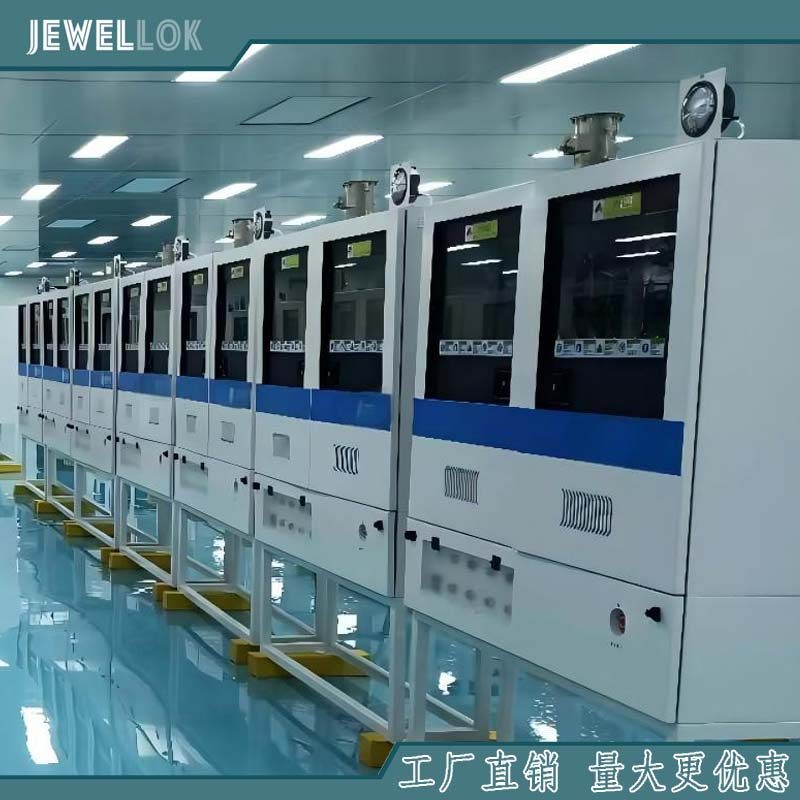
What Is a Lab Exhaust Gas Scrubber System?
A laboratory exhaust gas scrubber system is an air pollution control system that treats contaminated exhaust generated during laboratory processes. The system typically connects to laboratory ventilation equipment such as fume hoods, chemical workstations, process equipment, reactors, analytical instruments, and enclosed chemical handling systems.
Unlike ordinary ventilation, which primarily removes contaminated air from the working environment, a scrubber adds an additional treatment stage to reduce hazardous pollutants before discharge.
A typical system may include:
- Exhaust gas inlet ductwork
- Scrubber tower or treatment chamber
- Spray nozzles or packed-bed media
- Circulation pump
- Scrubbing liquid tank
- Demister
- pH monitoring system
- Liquid-level monitoring
- Pressure and flow monitoring
- Exhaust fan
- Control cabinet
- Chemical dosing system
- Drainage and wastewater management components
The exact configuration depends on the composition, concentration, temperature, humidity, flow rate, and chemical reactivity of the exhaust gas.
Why Laboratories Need Hazardous Exhaust Treatment
Laboratory exhaust can contain a wide variety of hazardous substances. Common contaminants include hydrochloric acid vapor, sulfuric acid mist, nitric acid vapor, ammonia, chlorine-containing compounds, solvent vapors, toxic reaction by-products, and fine particulate matter.
For example, laboratories conducting chemical synthesis may generate acid or alkaline fumes, while semiconductor and advanced-material laboratories can produce highly reactive process gases. Pharmaceutical and biotechnology laboratories may generate solvent vapors and chemical aerosols.
If these emissions are discharged without appropriate treatment, they may result in:
- Occupational exposure risks
- Corrosion of exhaust ducts and fans
- Environmental pollution
- Unpleasant odors
- Regulatory compliance problems
- Damage to downstream equipment
- Increased maintenance requirements
A properly designed scrubber system helps reduce these risks by treating the contaminated exhaust at the source or before atmospheric discharge.
Working Principle of a Laboratory Wet Scrubber
Wet scrubbing is one of the most widely used technologies for laboratory hazardous exhaust treatment.
In a typical packed-bed scrubber, contaminated gas enters the lower section of the scrubber tower and moves upward through a packing material. A liquid scrubbing solution is distributed from the top through spray nozzles. As the gas and liquid come into contact, soluble pollutants are absorbed into the liquid phase.
The packing increases the gas-liquid contact area, improving mass transfer efficiency.
For acid gases, an alkaline solution may be used to neutralize acidic contaminants. For alkaline gases such as ammonia, an acidic scrubbing solution may be appropriate. Water can be used for highly water-soluble contaminants when chemical neutralization is not necessary.
A simplified treatment process is:
Contaminated Exhaust → Gas-Liquid Contact → Absorption/Neutralization → Demisting → Treated Exhaust
The scrubber solution is continuously circulated, while pH, conductivity, liquid level, and other parameters can be monitored automatically.
Selecting the Right Scrubbing Technology
There is no single scrubber design suitable for every laboratory application. The treatment technology should be selected according to the chemical characteristics of the exhaust.
Acid Gas Scrubbing
Acid gases such as HCl, HF, HNO₃, and SO₂ may be treated using alkaline scrubbing solutions. The alkaline solution reacts with acidic compounds and converts them into less hazardous dissolved species.
For corrosive exhaust, materials such as PP, PVC, PVDF, or other chemically resistant materials may be considered depending on the process conditions.
Alkaline Gas Scrubbing
Alkaline contaminants such as ammonia can require acidic or otherwise chemically appropriate scrubbing solutions. Proper pH control is particularly important because the absorption performance can change significantly as the solution becomes saturated.
Soluble Gas Treatment
Some laboratory gases are highly soluble in water. In such applications, water-based scrubbing may provide effective absorption without requiring aggressive chemical additives.
However, actual treatment performance depends on gas concentration, temperature, residence time, mass-transfer characteristics, and system configuration.
VOC and Mixed Exhaust
Volatile organic compounds can be more difficult to treat using conventional water scrubbers because many VOCs have limited water solubility.
Depending on the VOC type and concentration, laboratories may require combinations of technologies such as activated carbon adsorption, condensation, thermal treatment, or specialized chemical absorption.
For mixed exhaust streams, a customized treatment strategy is generally more appropriate than selecting a standard scrubber based only on airflow.
Key Design Parameters for Lab Exhaust Scrubber Systems
A professional manufacturer should evaluate several parameters before designing a laboratory exhaust gas scrubber.
1. Exhaust Airflow
Airflow determines the required tower diameter, gas velocity, fan capacity, and pressure drop.
An undersized system may have insufficient gas-liquid contact time, while an oversized system can increase capital and operating costs.
2. Pollutant Concentration
The concentration of each contaminant directly influences the required treatment capacity. High-concentration hazardous exhaust may require multiple treatment stages or chemical dosing.
3. Chemical Properties
The manufacturer needs to understand:
- Molecular composition
- Solubility
- Reactivity
- Corrosiveness
- Flammability
- Toxicity
- Boiling point
- Temperature
- Potential chemical interactions
This information helps determine the appropriate treatment method and construction materials.
4. Operating Temperature
High-temperature exhaust can affect absorption efficiency and equipment materials. Cooling or temperature conditioning may therefore be required before the main scrubbing stage.
5. Required Removal Efficiency
Different applications require different pollutant removal targets. The system should be engineered according to the actual emission requirements rather than using a generic efficiency value.
6. Pressure Drop
Pressure drop affects exhaust fan selection and energy consumption. A properly designed scrubber balances treatment efficiency with acceptable system resistance.
Materials for Corrosive Laboratory Exhaust
Material selection is one of the most important aspects of laboratory scrubber design.
Laboratory exhaust can contain aggressive chemicals that rapidly attack conventional metals. Depending on the chemical environment, manufacturers may use polypropylene, PVC, CPVC, PVDF, PTFE, FRP, or specially coated components.
PP is commonly used in laboratory exhaust applications because of its combination of corrosion resistance, lightweight construction, and relatively simple fabrication.
For particularly aggressive chemical environments, PVDF or other high-performance fluoropolymer-compatible materials may be considered.
Material compatibility should always be evaluated against the actual chemical composition, concentration, temperature, and operating conditions.
Automated Monitoring and Control
Modern laboratory scrubbers increasingly incorporate intelligent control systems to improve safety and operational stability.
A PLC-based control system can monitor critical operating parameters such as:
- Scrubbing liquid pH
- Circulation pump status
- Liquid level
- Exhaust airflow
- Fan operation
- Differential pressure
- Chemical dosing
- Temperature
- Conductivity
If the pH moves outside the predefined operating range, the system can automatically activate chemical dosing equipment. If the liquid level becomes too low, the circulation pump can be protected through an interlock.
Alarm functions can notify operators of abnormal conditions such as pump failure, high differential pressure, insufficient airflow, low liquid level, or chemical dosing problems.
For facilities with strict process control requirements, data logging and remote monitoring can also be integrated into the overall facility management system.
Multi-Stage Scrubbing for Complex Exhaust
Some laboratories generate exhaust containing multiple pollutants with different physical and chemical properties. In these situations, a single treatment stage may not provide sufficient performance.
A multi-stage system may combine different technologies.
For example:
Acid Gas → Alkaline Wet Scrubber → Demister → Activated Carbon → Exhaust
Alternatively, a system may use separate scrubbers for incompatible chemical streams.
Separating incompatible exhaust streams is particularly important when mixing them could produce dangerous reactions, precipitation, heat generation, or secondary hazardous compounds.
A professional lab exhaust gas scrubber system manufacturer should therefore evaluate the entire exhaust process rather than simply selecting a tower based on airflow.
Applications of Laboratory Exhaust Scrubber Systems
Laboratory scrubbers are used across a wide range of industries and research environments.
Chemical Laboratories
Chemical synthesis, analytical chemistry, and materials research laboratories can generate acid fumes, solvent vapors, and reaction gases.
Pharmaceutical Laboratories
Pharmaceutical R&D and production environments may require treatment of solvent-containing exhaust, chemical reaction gases, and other process emissions.
Semiconductor Laboratories
Semiconductor research and manufacturing can involve corrosive and reactive process chemicals. Specialized exhaust treatment systems may be integrated with process tools, gas systems, and cleanroom infrastructure.
Universities and Research Institutes
Teaching and research laboratories often handle different chemicals in relatively small quantities but across numerous processes. Flexible exhaust treatment can help provide an additional level of environmental protection.
Industrial Testing Laboratories
Testing facilities may generate chemical vapors, combustion gases, or process-specific emissions that require controlled treatment before discharge.
Customized Lab Scrubber Solutions from Jewellok
As an experienced industrial gas and chemical process equipment supplier, Jewellok can provide customized laboratory exhaust gas treatment solutions based on specific process requirements.
Instead of applying a one-size-fits-all scrubber, the system can be engineered around factors including exhaust volume, chemical composition, pollutant concentration, required removal performance, installation space, material compatibility, and automation requirements.
A customized system may include the scrubber tower, circulation system, dosing equipment, demister, exhaust fan, PLC control cabinet, monitoring instruments, alarms, and related piping.
This integrated approach simplifies system management and allows the scrubber to be coordinated with laboratory ventilation and chemical handling equipment.
How to Choose a Lab Exhaust Gas Scrubber Manufacturer
When selecting a supplier, buyers should evaluate more than the initial equipment price.
A qualified manufacturer should be able to provide:
- Chemical compatibility analysis
- Exhaust process evaluation
- Scrubber sizing
- Material selection
- Gas-liquid contact design
- Pump and fan selection
- Control system integration
- Safety interlocks
- Installation guidance
- Commissioning support
- Maintenance recommendations
The supplier should also understand the difference between laboratory ventilation and actual hazardous exhaust treatment.
A high-quality scrubber is not simply a tower with a pump. It is an integrated treatment system designed around mass transfer, chemical reactions, fluid dynamics, corrosion resistance, safety, and long-term operation.
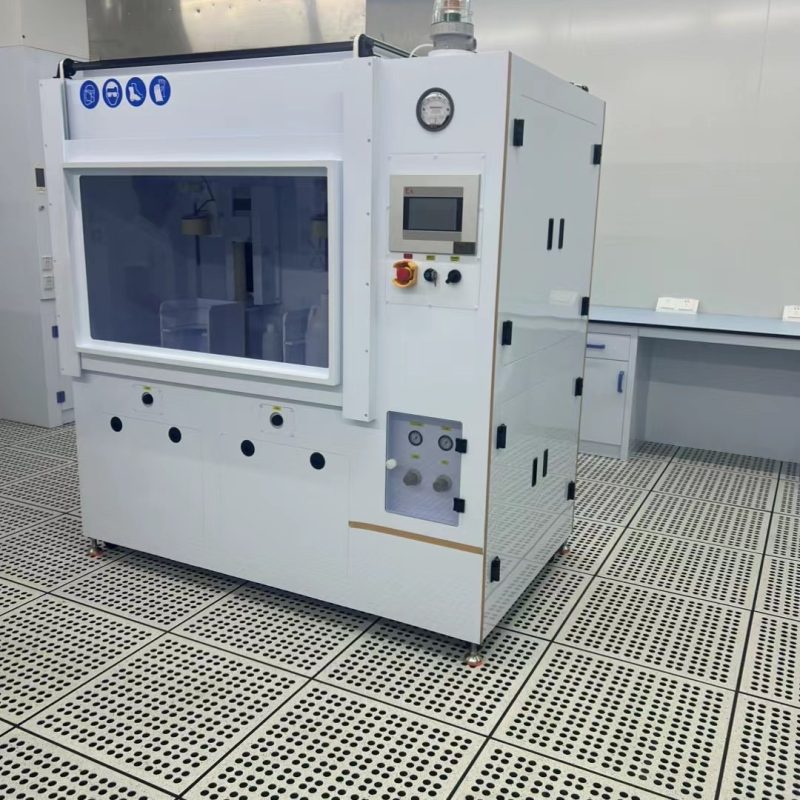
Conclusion
A reliable lab exhaust gas scrubber system plays an important role in protecting laboratory personnel, equipment, facilities, and the environment from hazardous exhaust emissions. By combining appropriate gas-liquid contact technology, chemical neutralization, corrosion-resistant materials, demisting, automated monitoring, and intelligent control, laboratories can achieve more stable and effective exhaust treatment.
For acid gases, alkaline gases, water-soluble contaminants, or complex mixed exhaust, the treatment system should be customized according to the actual process conditions. Working with an experienced lab exhaust gas scrubber system manufacturer helps ensure that the equipment is correctly sized, chemically compatible, operationally reliable, and suitable for long-term industrial use.
For laboratories, pharmaceutical facilities, semiconductor applications, and industrial research environments requiring customized hazardous exhaust treatment, Jewellok can develop engineered scrubber solutions designed around specific exhaust characteristics and facility requirements.
For more about lab exhaust gas scrubber system manufacturer for hazardous exhaust treatment, you can pay a visit to Jewellok at https://www.jewellok.com/ for more info.
-
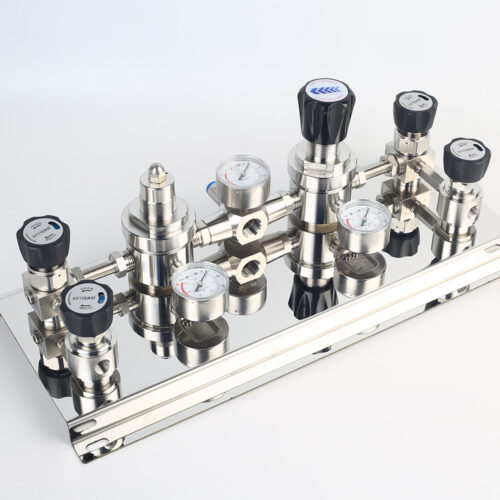
Stainless Steel Single Stage Semiconductor Grade Pressure Control Module Pressure Control Panels JSP-6A Series
-
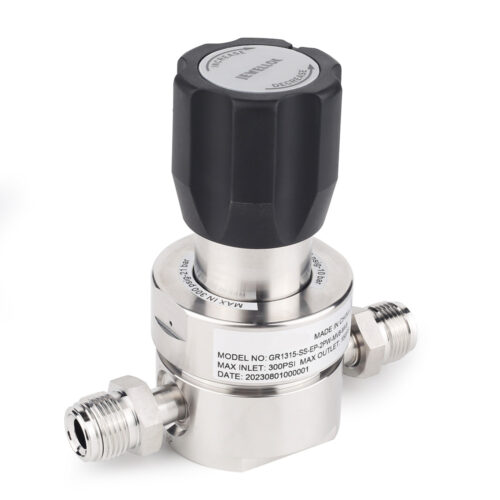
JR1300 Series Ultra High Purity Single Stage Regulator High Flow Line Regulator For Ultra High Purity Intermediate Flow
-
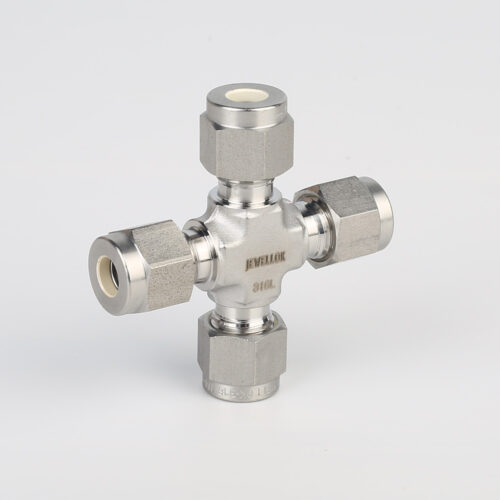
7102L Stainless Steel 316L SS Union Cross Ultra High Purity Long Arm Union Elbow Tee Cross Butt Weld Fittings
-
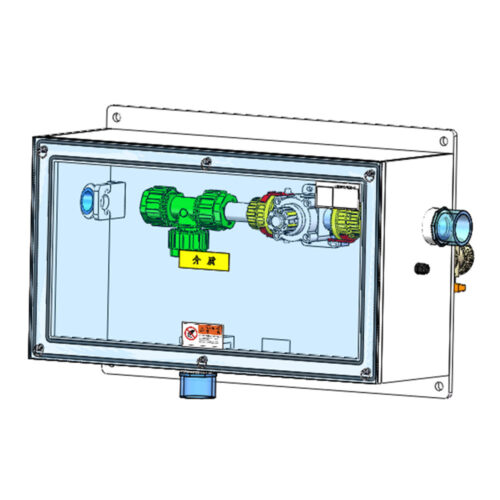
FT-BOX JW-FTB-C Valve Manifold Panels And Boxes With High Purity Configurable Systems
-
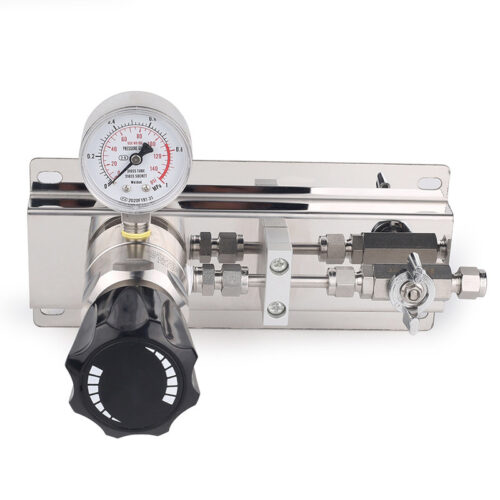
Medical Oxygen Single Stage Manual Gas Changeover Manifold Panel High-Purity Two-Stage Manual Gas Manifold Gas Pressure Control Panels
-
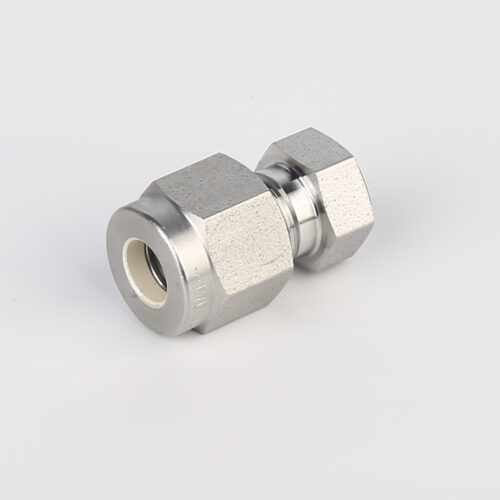
7108L Cylinder Cap Connectors For Ultra High Purity Gases
-
High Purity Gas Cylinder Semi Automatic Changeover Manifold Regulator Panel 3000psig Stainless Steel Gas Control Panel 1/8 Npt With Gauge
-
771L Male Run Tee | Stainless Steel High Quality High Purity Male Run Tee Branch Tee Pipe Fittings