
Valves Manufacturer Tel: +86 13380377051

A Complete Guide to the Design, Operation and Application of Silane Gas Abatement Scrubber
Silane gas (SiH₄) is widely used in semiconductor manufacturing, photovoltaic cell production, display manufacturing, thin-film deposition, and advanced materials processing. Although silane is an important process gas, it is also highly flammable and reactive. When released into an exhaust stream, it can present significant fire, explosion, environmental, and equipment risks. For this reason, an effective silane gas abatement scrubber is an essential part of the exhaust gas treatment system in facilities that use silane.
A properly designed silane abatement system does more than simply remove silane from an exhaust line. It must safely control a reactive gas, prevent uncontrolled ignition, protect downstream equipment, minimize hazardous emissions, and provide stable operation under changing process conditions. This guide explains the design principles, operating mechanisms, applications, major components, safety considerations, and maintenance requirements of silane gas abatement scrubbers.
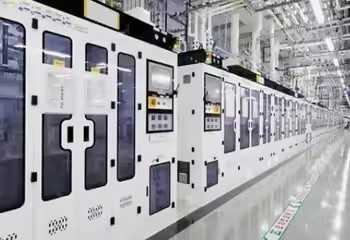
What Is a Silane Gas Abatement Scrubber?
A silane gas abatement scrubber is an industrial gas treatment system designed to reduce or eliminate silane and other process by-products from exhaust gases before they are discharged into the facility exhaust system or atmosphere.
Silane is a colorless gas with a distinctive odor and is extremely flammable. Its high reactivity means that conventional wet scrubbers alone may not always be suitable for treating concentrated silane streams. Depending on the process and gas concentration, silane abatement may involve controlled oxidation, combustion, dilution, adsorption, wet scrubbing, or a combination of these technologies.
In semiconductor and photovoltaic manufacturing, the abatement system is normally installed downstream of process equipment such as CVD, PECVD, and related deposition systems. Its purpose is to provide a controlled transition between the process exhaust and the facility exhaust system.
A complete system may include:
- Silane exhaust inlet
- Dilution and carrier-gas system
- Reaction or combustion chamber
- Cooling section
- Quench system
- Wet scrubber
- Demister
- Exhaust fan or pressure-control system
- Sensors and monitoring instruments
- PLC-based control system
- Emergency shutdown system
The exact configuration depends on gas composition, flow rate, silane concentration, process duty cycle, and the required emission-control performance.
Why Silane Abatement Is Critical
Silane requires special attention because of its combination of high flammability and chemical reactivity. A silane-containing exhaust stream can create hazards if the gas accumulates in piping, equipment, or poorly ventilated areas.
The primary objectives of silane abatement are therefore:
- Reduce hazardous silane concentration
- Control combustion and reaction safely
- Prevent uncontrolled ignition
- Protect exhaust ductwork and downstream equipment
- Reduce particulate and reaction by-products
- Maintain stable exhaust pressure
- Provide reliable process monitoring
- Meet applicable environmental and workplace requirements
The system should be engineered as part of the entire gas delivery and exhaust architecture rather than treated as an isolated piece of equipment.
Silane Gas Abatement Process
The treatment process varies according to the concentration and composition of the exhaust gas. A common approach for semiconductor and photovoltaic applications combines controlled oxidation with downstream wet treatment.
1. Exhaust Gas Collection
The process exhaust is first collected through dedicated exhaust piping. The exhaust system must maintain appropriate flow and pressure to prevent backflow or accumulation of reactive gas.
Proper exhaust-line design is particularly important because dead legs, low points, inappropriate materials, and insufficient flow can contribute to deposits or hazardous gas accumulation.
2. Dilution
Dilution can be used to reduce the concentration of silane and improve control of the reaction process.
Nitrogen or another compatible carrier gas may be introduced according to the system design. Dilution must be carefully controlled because excessive dilution increases gas volume and downstream treatment requirements, while insufficient dilution can increase safety risks.
3. Controlled Oxidation or Combustion
The silane-containing gas is introduced into a controlled reaction zone where silane is converted into less hazardous chemical products.
The reaction can be represented in simplified form as:
SiH₄ + 2O₂ → SiO₂ + 2H₂O
The actual reaction pathway can be more complicated because exhaust streams may contain other gases, including hydrogen, ammonia, hydrocarbons, dopant gases, fluorinated compounds, or other process by-products.
The reaction chamber must therefore provide controlled temperature, residence time, gas mixing, and oxygen availability.
4. Cooling and Quenching
Silane oxidation can generate significant heat. After the primary reaction, the gas may pass through a cooling or quench section.
Rapid cooling helps control gas temperature and can also assist in managing particulate formation. Water or another compatible cooling medium may be used depending on the system architecture.
5. Wet Scrubbing
After the primary abatement stage, a wet scrubber can remove soluble compounds and particulate matter from the exhaust stream.
A typical wet scrubber contains:
- Spray nozzles
- Scrubbing liquid
- Packing or contact surfaces
- Gas-liquid contact chamber
- Demister
- Drainage system
- Recirculation pump
The scrubbing liquid captures particulate and water-soluble contaminants before the treated gas proceeds to the exhaust stack.
Key Design Considerations
Designing a silane gas abatement scrubber requires more than selecting a standard scrubber body. Several engineering parameters must be evaluated.
Gas Flow Rate
The system must be sized according to the actual exhaust flow rate, including process gas, carrier gas, dilution gas, and air infiltration where applicable.
Oversizing increases capital and operating costs, while undersizing can cause excessive pressure drop and inadequate treatment.
Silane Concentration
Silane concentration is one of the most important design parameters. A system treating highly diluted process exhaust may have very different requirements from a system exposed to concentrated silane.
The design should consider both normal operating concentration and potential upset conditions.
Gas Composition
Silane rarely exists alone in real semiconductor exhaust applications. Other gases may influence combustion, corrosion, particulate generation, or scrubber performance.
The engineering team should evaluate the complete gas matrix rather than focusing only on SiH₄.
Temperature
Reaction temperature affects silane conversion efficiency and downstream equipment protection. Excessive temperature can damage components, accelerate corrosion, or increase particulate formation.
Temperature sensors should therefore be installed at appropriate locations, particularly around the reaction and cooling sections.
Residence Time
Adequate residence time is required to complete the intended reaction. The reaction chamber should provide sufficient volume and gas distribution to avoid untreated gas bypassing the reaction zone.
Pressure Drop
The abatement system adds resistance to the exhaust line. Excessive pressure drop can negatively affect the upstream process chamber.
The scrubber, ductwork, demister, and downstream equipment should therefore be evaluated as a complete pressure-control system.
Materials of Construction
Material selection is another important factor.
Depending on the process chemistry and operating conditions, common materials may include stainless steel, specialty alloys, PP, PVC, PVDF, PTFE, FRP, and other corrosion-resistant materials.
Hot reaction zones may require metallic construction or refractory materials, while downstream wet sections may use corrosion-resistant polymeric materials.
Material selection should consider:
- Temperature
- Chemical compatibility
- Corrosion resistance
- Mechanical strength
- Particle accumulation
- Cleaning requirements
- Expected service life
For high-purity semiconductor applications, contamination control should also be considered.
Automatic Control and Monitoring
Modern silane abatement scrubbers typically incorporate PLC-based automation to continuously monitor system performance.
Important parameters may include:
- Gas flow
- Pressure
- Differential pressure
- Temperature
- Water level
- Pump status
- Scrubbing-liquid circulation
- Exhaust fan status
- Flame or reaction status
- Gas detection
- Emergency shutdown status
An automated control system can continuously compare operating conditions with predefined limits.
If an abnormal condition is detected, the system may initiate alarms, increase dilution, shut down the process gas supply, or activate an emergency sequence according to the engineered safety philosophy.
Safety Features
Safety should be incorporated into the system from the beginning of the design process.
Important safety functions may include:
Gas Detection
Fixed gas detectors can monitor areas where silane leakage could occur. Alarm levels and shutdown logic should be established according to applicable safety requirements and facility risk assessments.
Emergency Shutdown
The system should have clearly defined emergency shutdown sequences. Depending on the process, these may isolate the gas source, stop selected equipment, increase dilution, or place the abatement system into a safe operating condition.
Flame and Ignition Monitoring
Where combustion is used, flame monitoring and ignition-control systems can help prevent unstable operation.
Pressure Protection
Pressure sensors, switches, relief devices, and appropriate interlocks help protect the system from abnormal pressure conditions.
Fail-Safe Design
Critical components should be designed so that foreseeable failures result in a controlled and safe state whenever practical.
Applications of Silane Gas Abatement Scrubbers
Silane abatement systems are used in several high-technology manufacturing sectors.
Semiconductor Manufacturing
Semiconductor fabs use silane for thin-film deposition and other processes. Silane may be combined with gases such as ammonia, hydrogen, nitrogen, and other specialty gases.
The abatement system must therefore handle complex process exhaust compositions while maintaining high equipment availability.
Photovoltaic Manufacturing
Silane is widely used in the production of silicon-based photovoltaic materials. PECVD systems can generate exhaust containing silane and other gases.
Large-scale photovoltaic production places particular emphasis on continuous operation, high throughput, low maintenance requirements, and reliable exhaust treatment.
Display Manufacturing
Thin-film deposition processes used in display manufacturing may also involve silane-containing gas mixtures.
Because display fabs can operate multiple deposition systems simultaneously, centralized or distributed abatement strategies may be considered.
Research and Development Facilities
Universities, laboratories, pilot production lines, and research facilities may use smaller quantities of silane. These applications still require appropriate gas detection, exhaust control, and abatement because the inherent hazards of silane remain significant.
Maintenance of Silane Abatement Systems
Regular maintenance is essential for maintaining treatment performance and system safety.
Common maintenance activities include:
- Inspecting reaction chambers
- Removing accumulated particulate
- Checking scrubber nozzles
- Inspecting demisters
- Checking pumps and seals
- Monitoring water quality
- Inspecting exhaust ductwork
- Calibrating sensors
- Testing alarms and interlocks
- Checking gas detectors
- Inspecting valves and actuators
- Verifying emergency shutdown functions
Particulate accumulation deserves particular attention because silicon-containing deposits can reduce flow area, increase pressure drop, and affect system performance.
A preventive maintenance schedule should be developed according to operating hours, process chemistry, contamination loading, and manufacturer recommendations.
How to Select a Silane Gas Abatement Scrubber
When selecting an abatement system, buyers should provide the equipment supplier with detailed process information.
Important specifications include:
- Silane concentration
- Maximum and normal gas flow
- Gas composition
- Process pressure
- Exhaust temperature
- Operating cycle
- Number of process tools
- Required treatment efficiency
- Available utilities
- Installation environment
- Exhaust pressure limitations
- Local environmental requirements
The supplier should then evaluate the appropriate combination of oxidation, combustion, dilution, cooling, and wet scrubbing technologies.
For semiconductor and photovoltaic facilities, the preferred solution is often a customized abatement system rather than a generic scrubber.
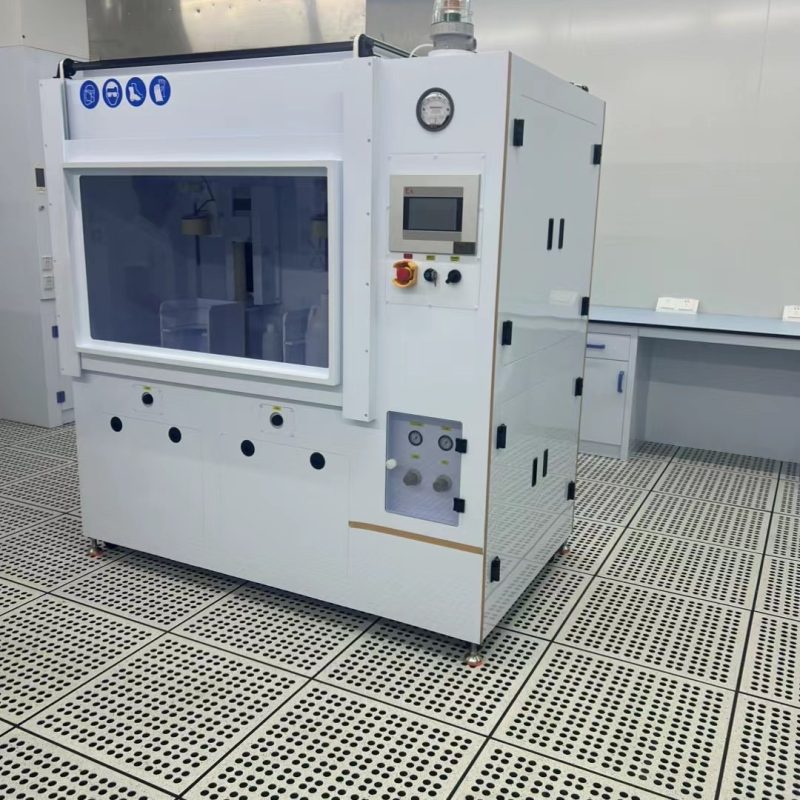
Conclusion
A silane gas abatement scrubber is a critical component of the exhaust treatment infrastructure for semiconductor, photovoltaic, display, and advanced-material manufacturing.
Effective silane abatement requires a coordinated approach that considers gas concentration, flow rate, chemical composition, temperature, reaction conditions, pressure drop, particulate formation, corrosion resistance, automation, and safety.
A well-designed system can safely convert reactive silane into manageable reaction products while reducing particulate and other contaminants through downstream treatment. The integration of controlled oxidation, cooling, wet scrubbing, monitoring, and automatic safety interlocks provides a practical framework for handling complex silane-containing exhaust streams.
For facilities planning a new silane process or upgrading an existing exhaust system, the abatement solution should be engineered around the actual process conditions rather than selected solely by equipment capacity. Detailed gas analysis, risk assessment, equipment sizing, material selection, control-system design, and preventive maintenance are all essential to achieving reliable long-term operation.
As semiconductor and photovoltaic manufacturing continues to expand, demand for reliable silane gas abatement systems, exhaust gas treatment equipment, and industrial scrubbers will continue to grow. Choosing an experienced abatement-system manufacturer capable of providing customized engineering, process integration, automation, and after-sales support can help manufacturers achieve safer operation, stable production, and effective exhaust management.
For more about a complete guide to the design, operation and application of silane gas abatement scrubber, you can pay a visit to Jewellok at https://www.jewellok.com/ for more info.
-
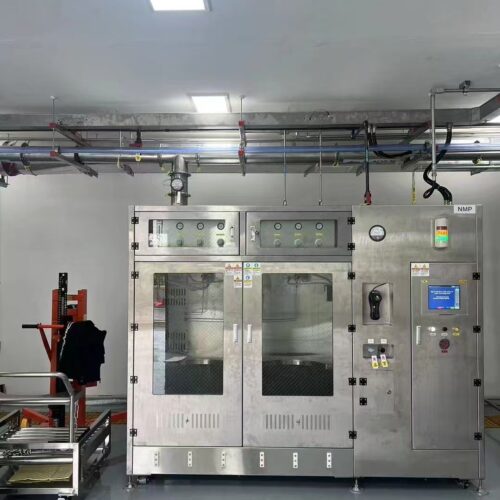
316L Electropolished Chemical Delivery System (CDS) for Contamination-Free Liquid Handling in EV Battery Manufacturing Plants
-
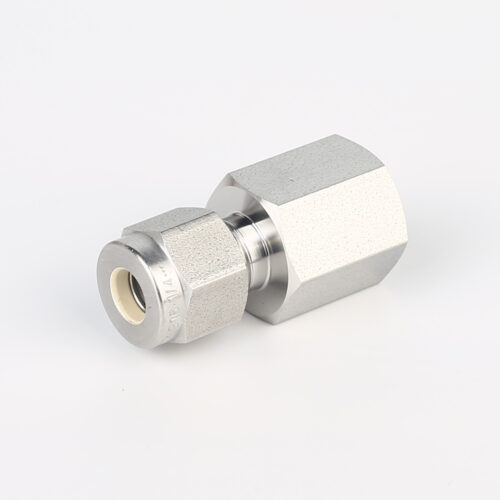
766L High Purity Female Connector UHP Fitting Female Connector
-
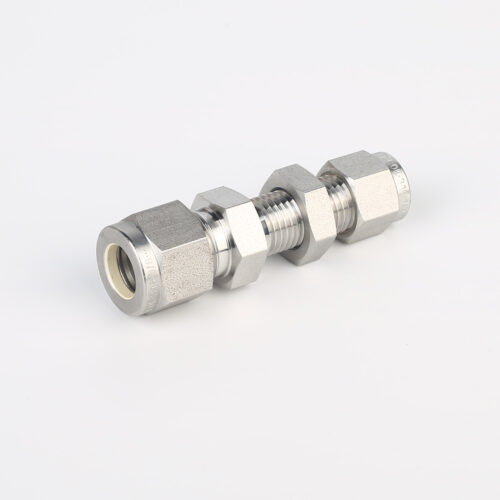
775L Bulkhead Reducing Union | Stainless Steel High Purity Double Ferrule Bulkhead Reducing Unions
-
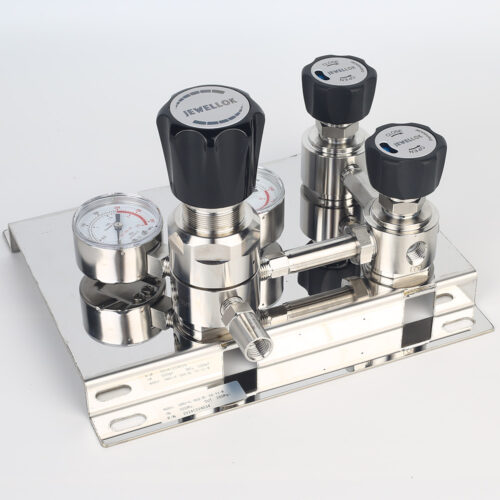
Stainless Steel 316L Single Stage Regulator Pressure Control Panels JSP-1E Series For Semiconductor Fluid Control
-
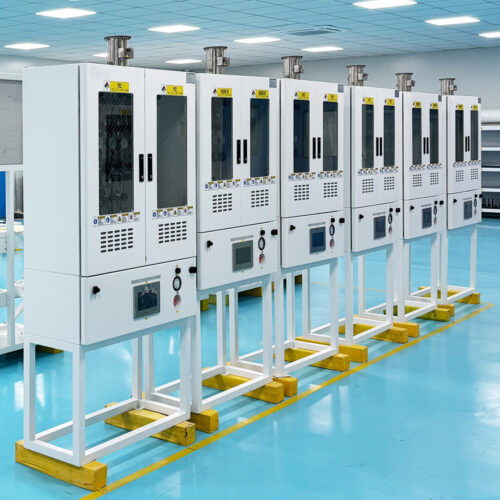
VMB Valve Manifold Box And Panel Gas Cabinet, BSGS Gas Cabinets, TMA Gas Cabinets, Scrubber Tail Gas Treatment Cabinets
-
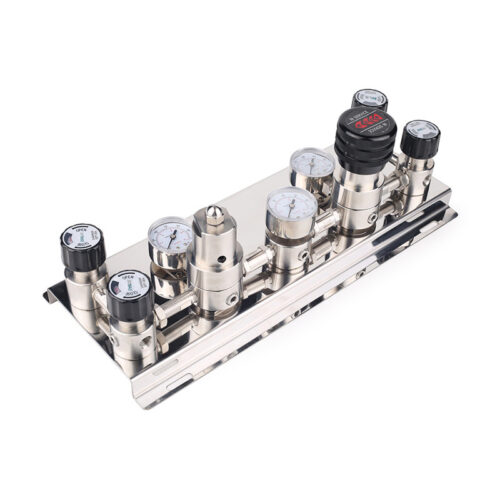
Stainless Steel High Pressure Specialty Gas Changeover Manifold For High Purity Oxygen Nitrogen Argon Helium Hydrogen Co2
-
768L Stainless Steel Male Tube Butt Weld Connector | Clean Weld Fittings And Ultra-High Purity Fittings
-

Engineering Ultra-High Purity Fluid Control Liquid Chemical Delivery Module (CDM) And Chemical Delivery System (CDS) for Pharmaceutical Grade Applications