
Valves Manufacturer Tel: +86 13380377051
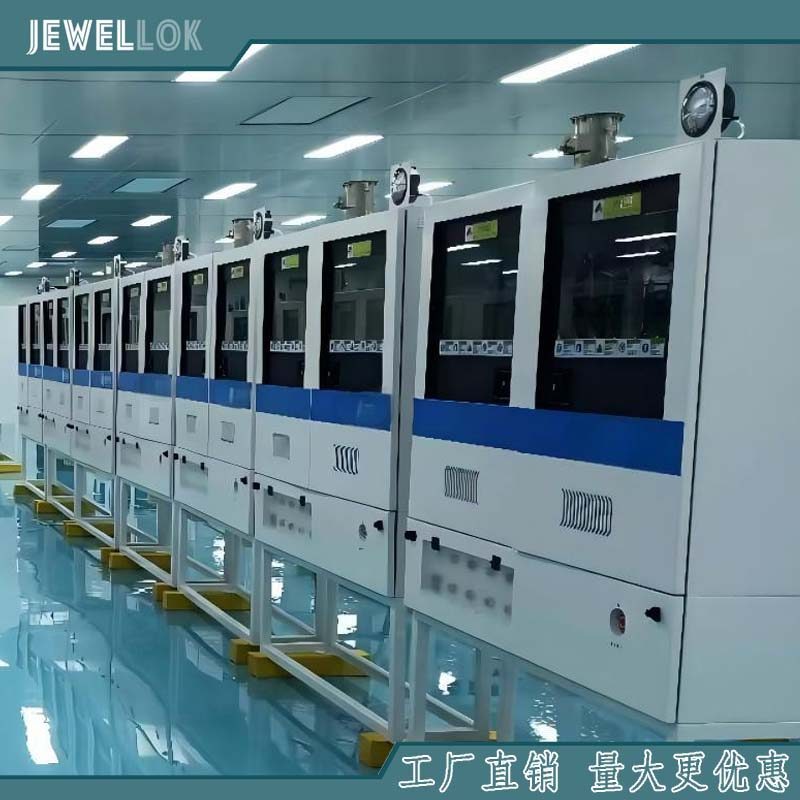
Laboratory Gas Distribution System for Nitrogen, Oxygen, Hydrogen and Specialty Gases
A laboratory gas distribution system is a critical infrastructure designed to safely deliver nitrogen, oxygen, hydrogen, and specialty gases from cylinders, bulk gas sources, or centralized gas supplies to laboratory instruments and process equipment. Unlike ordinary compressed-air piping, laboratory gas systems must be engineered according to gas properties, required purity, pressure, flow rate, compatibility, and safety requirements.
Modern laboratories in pharmaceutical research, chemical analysis, biotechnology, semiconductor development, universities, hospitals, and industrial R&D facilities increasingly require reliable gas distribution systems for applications such as chromatography, mass spectrometry, spectroscopy, semiconductor processing, inerting, welding, cell culture, and analytical testing.
A properly engineered system provides stable gas pressure, minimizes contamination, reduces cylinder handling, and improves operational safety. This article explains the design, components, installation, and safety considerations for laboratory gas distribution systems serving nitrogen, oxygen, hydrogen, and specialty gases.
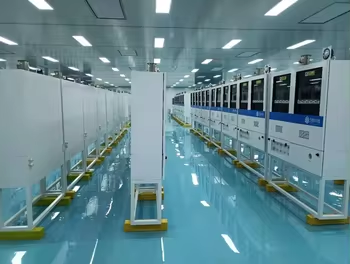
What Is a Laboratory Gas Distribution System?
A laboratory gas distribution system connects a gas source to multiple points of use through a controlled network of piping, valves, regulators, manifolds, monitoring devices, and outlet connections.
A typical system consists of:
- Gas cylinders or bulk gas storage
- Gas cylinder manifolds
- Automatic or semi-automatic changeover systems
- Pressure regulators
- Gas cabinets
- Gas distribution piping
- Isolation valves
- Pressure gauges and transmitters
- Gas outlets and point-of-use regulators
- Gas detection and alarm systems
- Ventilation and exhaust systems
The configuration depends on the number of gases, gas consumption, required purity, operating pressure, laboratory layout, and applicable safety standards.
For a small laboratory, individual cylinders with local regulators may be sufficient. For laboratories with multiple instruments or high gas consumption, a centralized gas distribution system can provide better pressure stability, easier cylinder replacement, and more efficient gas management.
Laboratory Nitrogen Gas Distribution System
Nitrogen is one of the most commonly used gases in laboratories. It is widely used for inerting, sample preparation, chromatography, evaporation, glove boxes, semiconductor processes, and analytical instruments.
A nitrogen distribution system generally includes a nitrogen cylinder manifold or bulk nitrogen source, primary pressure regulation, distribution piping, isolation valves, and point-of-use regulators.
Nitrogen is chemically inert under normal laboratory conditions, but it can create an oxygen-deficient atmosphere if released in an enclosed area. Therefore, ventilation and oxygen-deficiency monitoring should be considered for laboratories using significant quantities of nitrogen.
For high-purity applications, the piping system should minimize dead legs, particle generation, moisture contamination, and unnecessary connection points. Stainless steel tubing, particularly electropolished or internally treated tubing, may be selected when ultra-high-purity nitrogen is required.
Stable pressure is also important. Analytical instruments can be sensitive to fluctuations in gas supply pressure, so regulators should be correctly sized according to inlet pressure, outlet pressure, flow rate, and application requirements.
Laboratory Oxygen Gas Distribution System
Oxygen is commonly used in medical research, combustion experiments, cell culture applications, laboratory analysis, and specialized industrial research.
Because oxygen supports combustion, oxygen distribution systems require stricter material compatibility and cleanliness controls than ordinary inert-gas systems.
Oil, grease, and other combustible contaminants must not be introduced into oxygen service. Components should be appropriately cleaned and prepared for oxygen applications, and materials must be compatible with the intended pressure and service conditions.
An oxygen distribution system may include:
- Oxygen cylinders or bulk oxygen supply
- Oxygen-compatible manifold
- Primary pressure regulator
- Stainless steel distribution tubing
- Isolation valves
- Pressure monitoring
- Point-of-use regulators
- Appropriate oxygen service outlets
The system should also be designed to prevent accidental cross-connection with incompatible gases. Clear labeling and standardized gas identification are essential throughout the laboratory.
Laboratory Hydrogen Gas Distribution System
Hydrogen requires special consideration because it is highly flammable and has a wide flammability range in air. Laboratory hydrogen systems therefore require careful engineering, ventilation, leak prevention, gas detection, and emergency isolation.
Hydrogen may be used in gas chromatography, chemical synthesis, materials research, fuel-cell research, heat treatment, and other laboratory processes.
A hydrogen distribution system commonly incorporates:
- Hydrogen cylinder manifold
- Hydrogen-compatible pressure regulator
- High-integrity valves
- Stainless steel tubing
- Gas detection equipment
- Emergency shutoff valve
- Ventilation system
- Point-of-use pressure regulation
Connections should be designed to minimize potential leak paths. Hydrogen service requires particular attention to fittings, tubing joints, valves, regulators, and flexible connections.
Where hydrogen is stored or distributed indoors, the laboratory should have appropriate ventilation and hydrogen detection based on the risk assessment and applicable local codes.
Automatic emergency shutoff systems can also be integrated into larger installations. If a gas detector identifies a dangerous concentration, the system may be designed to isolate the supply and activate alarms according to the facility’s safety strategy.
Specialty Gas Distribution System
Specialty gases include high-purity, toxic, corrosive, reactive, flammable, oxidizing, and calibration gases. Examples include helium, argon, carbon dioxide, ammonia, silane, sulfur hexafluoride, chlorine-containing gases, and various calibration gas mixtures.
The design requirements for specialty gases are highly dependent on the specific gas properties.
For example, corrosive gases may require corrosion-resistant materials and specialized exhaust systems. Toxic gases may require gas cabinets, automatic shutoff systems, leak detection, and dedicated exhaust ventilation. High-purity gases require contamination control throughout the entire distribution path.
A specialty gas distribution system may therefore include a dedicated gas cabinet with:
- Cylinder restraint
- Automatic or semi-automatic pressure regulation
- Pneumatic or electrically actuated valves
- Pressure monitoring
- Gas detection interface
- Emergency shutoff
- Exhaust connection
- Alarm interface
For particularly hazardous gases, the gas source may be installed inside a ventilated gas cabinet rather than exposed directly within the laboratory.
Key Components of a Laboratory Gas Distribution System
1. Gas Manifold
A gas manifold connects one or more cylinders to the distribution system. A manual manifold requires an operator to switch cylinders, while an automatic changeover manifold can switch from an empty primary bank to a reserve bank with limited interruption.
Automatic changeover systems are particularly useful for laboratories where continuous gas supply is critical.
2. Pressure Regulators
Pressure regulators reduce cylinder or bulk supply pressure to a controlled downstream pressure.
The regulator must be selected according to:
- Maximum inlet pressure
- Required outlet pressure
- Gas type
- Flow rate
- Temperature
- Required cleanliness
- Material compatibility
For high-purity laboratory applications, stainless steel regulators with appropriate internal surface treatment may be preferred.
3. Gas Cabinets
Gas cabinets provide a controlled enclosure for hazardous or specialty gas cylinders. They can incorporate ventilation, gas detection, automatic valves, pressure monitoring, and emergency shutdown functions.
Gas cabinets are especially important for toxic, corrosive, pyrophoric, and highly reactive gases.
4. Distribution Tubing and Piping
The piping material must be compatible with the gas and operating conditions.
Common materials include stainless steel, copper, PTFE, and other engineered materials. Stainless steel tubing is widely used for high-purity gas distribution because of its strength, cleanliness, and corrosion resistance.
The internal surface finish becomes increasingly important as gas purity requirements increase.
5. Point-of-Use Regulators and Valves
Point-of-use regulators provide final pressure adjustment near laboratory instruments. Isolation valves allow individual equipment or laboratory zones to be shut off without interrupting the entire gas network.
Designing a High-Purity Laboratory Gas Distribution System
High-purity gas distribution requires more than simply installing clean tubing. The entire gas path must be considered, from the cylinder valve to the final instrument connection.
Important design factors include:
Dead-leg reduction: Excessive dead volume can increase contamination and make system purging less effective.
Leak prevention: High-quality fittings and correctly installed connections are essential for maintaining system integrity.
Surface finish: Internal tubing surfaces should be selected according to the required gas purity.
Material compatibility: Every component that contacts the gas must be compatible with the gas chemistry.
Pressure control: Regulators and valves must maintain stable operating conditions at the required flow rate.
Purging: Proper purge procedures can reduce moisture, oxygen, and other contaminants before equipment operation.
For semiconductor, pharmaceutical, analytical, and other ultra-high-purity applications, orbital-welded stainless steel tubing may be used to reduce potential contamination and leakage points.
Laboratory Gas Distribution System Installation
Installation should begin with a detailed assessment of the laboratory’s gas consumption, equipment locations, cylinder storage requirements, and safety risks.
The engineering process generally includes:
- Identify all required gases.
- Determine gas purity and consumption requirements.
- Calculate required inlet and outlet pressures.
- Select the gas source and manifold configuration.
- Select compatible regulators, valves, and tubing.
- Design the distribution layout.
- Install gas cabinets where required.
- Install gas detection and alarm systems.
- Perform pressure and leak testing.
- Purge the system before commissioning.
- Label all pipelines and outlets.
- Establish inspection and maintenance procedures.
Gas lines should be clearly identified to prevent accidental connection of laboratory equipment to the wrong gas source.
Safety Considerations
Safety is a fundamental part of laboratory gas system design.
The major risks vary according to gas type:
| Gas Type | Primary Considerations |
|---|---|
| Nitrogen | Oxygen deficiency and pressure hazards |
| Oxygen | Combustion acceleration and material cleanliness |
| Hydrogen | Flammability, leakage, ignition risk |
| Toxic gases | Exposure and leakage |
| Corrosive gases | Material compatibility and chemical exposure |
| Pyrophoric gases | Ignition and emergency isolation |
| High-purity gases | Contamination and process reliability |
Gas cylinders should be properly secured, and storage areas should have suitable ventilation. Emergency shutoff locations should be accessible and clearly identified.
Gas detection should be selected according to the properties and quantities of the gases used. Detection systems can be connected to audible and visual alarms and, where appropriate, automatic isolation systems.
How to Choose a Laboratory Gas Distribution System Supplier
Selecting the right supplier is important because laboratory gas distribution systems often require customization.
A qualified supplier should be able to provide:
- Gas manifold engineering
- Pressure regulation solutions
- High-purity gas panels
- Gas cabinets
- Specialty gas handling systems
- Stainless steel tubing and fittings
- Automatic changeover systems
- Gas detection integration
- Pressure and leak testing
- System commissioning support
The supplier should also understand the difference between general laboratory gases and high-purity or hazardous gases.
For laboratories using nitrogen, oxygen, hydrogen, and specialty gases simultaneously, an integrated gas distribution solution can simplify system management while improving operational control.
Conclusion
A properly engineered laboratory gas distribution system for nitrogen, oxygen, hydrogen and specialty gases provides controlled, reliable, and safe gas delivery from the source to laboratory equipment.
The most important design considerations include gas properties, purity requirements, pressure and flow, material compatibility, leak prevention, ventilation, gas detection, emergency isolation, and maintenance.
For standard gases such as nitrogen and oxygen, the system may be relatively straightforward. Hydrogen and specialty gases require additional engineering controls because of their flammability, toxicity, corrosiveness, reactivity, or purity requirements.
By combining suitable gas manifolds, regulators, valves, gas cabinets, distribution tubing, monitoring systems, and point-of-use controls, laboratories can build a gas infrastructure capable of supporting analytical instruments, research equipment, pilot processes, and advanced manufacturing applications.
A professional laboratory gas system should ultimately be designed around the specific gas properties, equipment requirements, laboratory layout, applicable codes, and risk assessment rather than using a one-size-fits-all configuration.
For more about laboratory gas distribution system for nitrogen, oxygen, hydrogen and specialty gases, you can pay a visit to Jewellok at https://www.jewellok.com/ for more info.
-
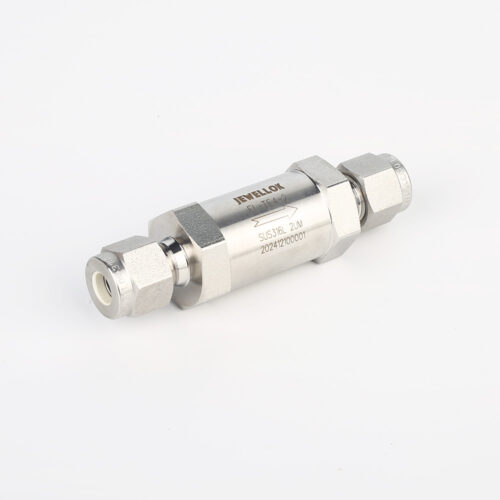
JF Series In-Line Gas Filters | High Purity High Precision High Flow Semiconductor Gas Filter Gas Filtration & Purification
-
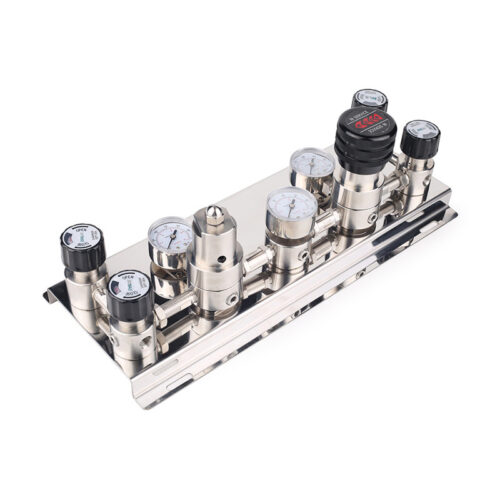
Automatic Gas Switchover System Automatic Switchover Manifold Automatic Gas Cylinder Switchover
-
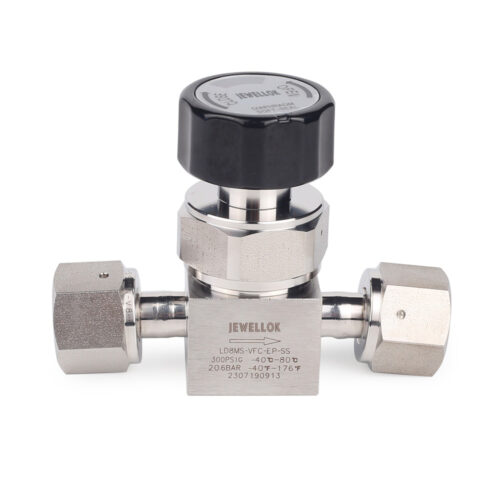
Flow Control Stainless Steel Low Pressure Manual Diaphragm Valve For High Purity And Ultra High Purity Gases
-
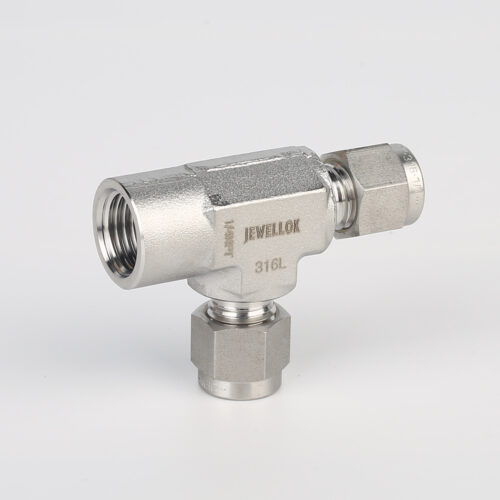
771LF Female Run Tee | Stainless Steel Tube Fitting Compression Fittings 1/4 In 3-Way Tee Female Run Tee
-
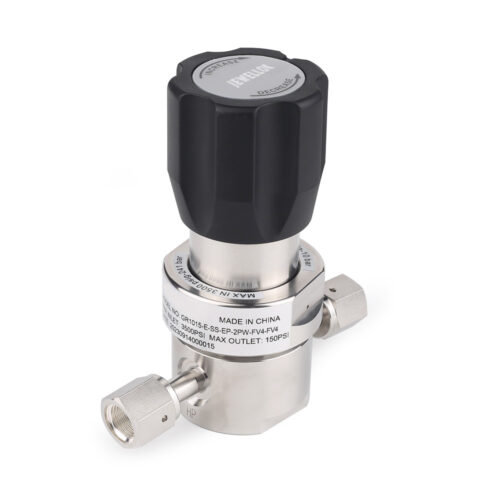
Specialty Gas Valves Ultra High Purity Gas Valves Ultra High Purity Gas Cylinder Valves UHP Cylinder Valve Ultra High Purity Gas Regulator
-

Stainless Steel Mini Elbow Mini Tee Mini Cross Mini Tribow Ultrahigh Purity Mini Butt Weld Fittings
-
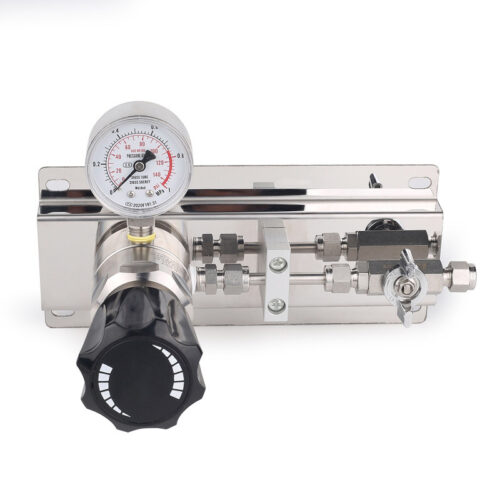
High Purity Gas Cylinder Semi Automatic Changeover Manifold Regulator Panel 3000psig Stainless Steel Gas Control Panel 1/8 Npt With Gauge
-
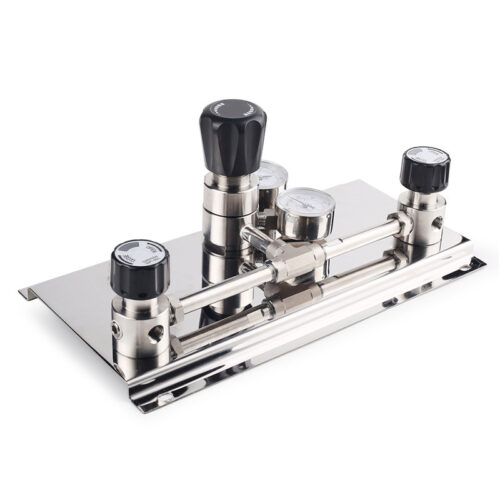
Hydrogen Manifold Argon Gas Manifold System Oxygen Manifold Propane Gas Manifold With Valves In Gas Manifold Changeover System