
Valves Manufacturer Tel: +86 13380377051
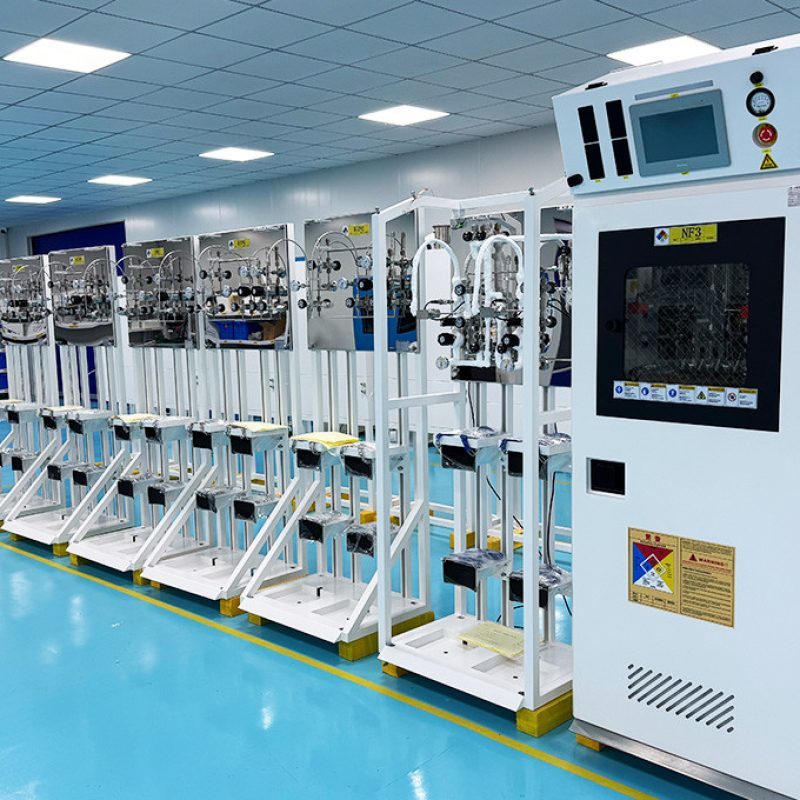
How Does an Industrial Wet Scrubber Tail Gas Treatment System Work for Effective Air Pollution Control?
1. Introduction to Wet Scrubber Tail Gas Treatment Systems
A wet scrubber tail gas treatment system is an industrial air pollution control solution designed to remove harmful gases, chemical vapors, and certain particulate contaminants from exhaust streams before they are released into the atmosphere. It is widely used in chemical manufacturing, semiconductor fabrication, pharmaceutical production, metal processing, laboratories, wastewater treatment, and other industries that generate corrosive or hazardous exhaust gases.
During industrial production, exhaust gas may contain acidic compounds, alkaline gases, toxic substances, water-soluble pollutants, and fine droplets or particles. Common contaminants include hydrogen chloride (HCl), sulfur dioxide (SO₂), ammonia (NH₃), hydrogen sulfide (H₂S), and selected nitrogen-containing compounds. If these emissions are not properly controlled, they can damage equipment, create occupational hazards, and contribute to air pollution.
A wet scrubber treats contaminated gas by bringing it into contact with a liquid absorbent. Depending on the pollutant, the liquid may dissolve the contaminant, chemically neutralize it, or promote another treatment reaction. The cleaned gas then passes through a mist eliminator before discharge.
However, wet scrubbing is not a universal solution for every exhaust stream. Treatment efficiency depends on gas composition, liquid chemistry, temperature, gas flow, contact area, and operating conditions. Proper engineering is therefore essential to achieve reliable performance.
This article explains how a wet scrubber tail gas treatment system works, its main components, common treatment processes, design considerations, advantages, limitations, and maintenance requirements.
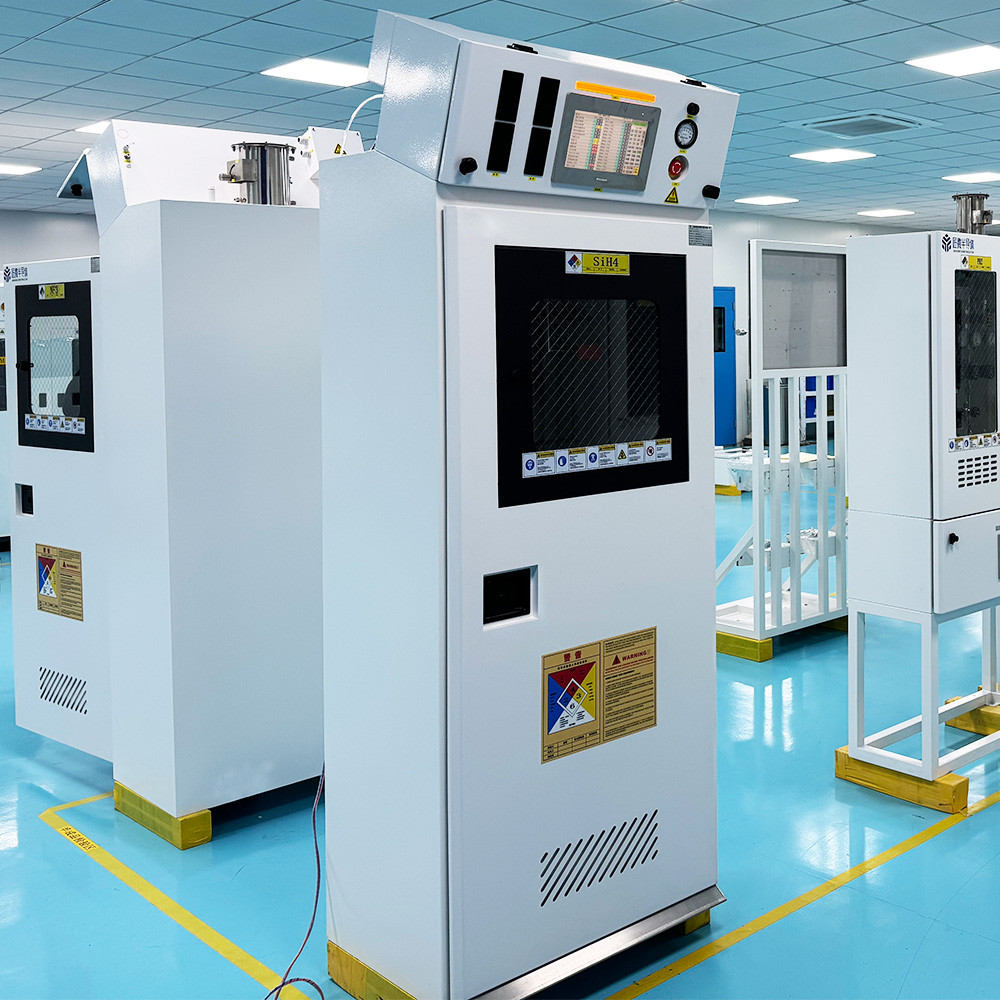
2. What Is a Wet Scrubber Tail Gas Treatment System?
A wet scrubber tail gas treatment system is an integrated gas-cleaning installation that uses liquid-gas contact to transfer selected contaminants from an exhaust stream into a liquid phase.
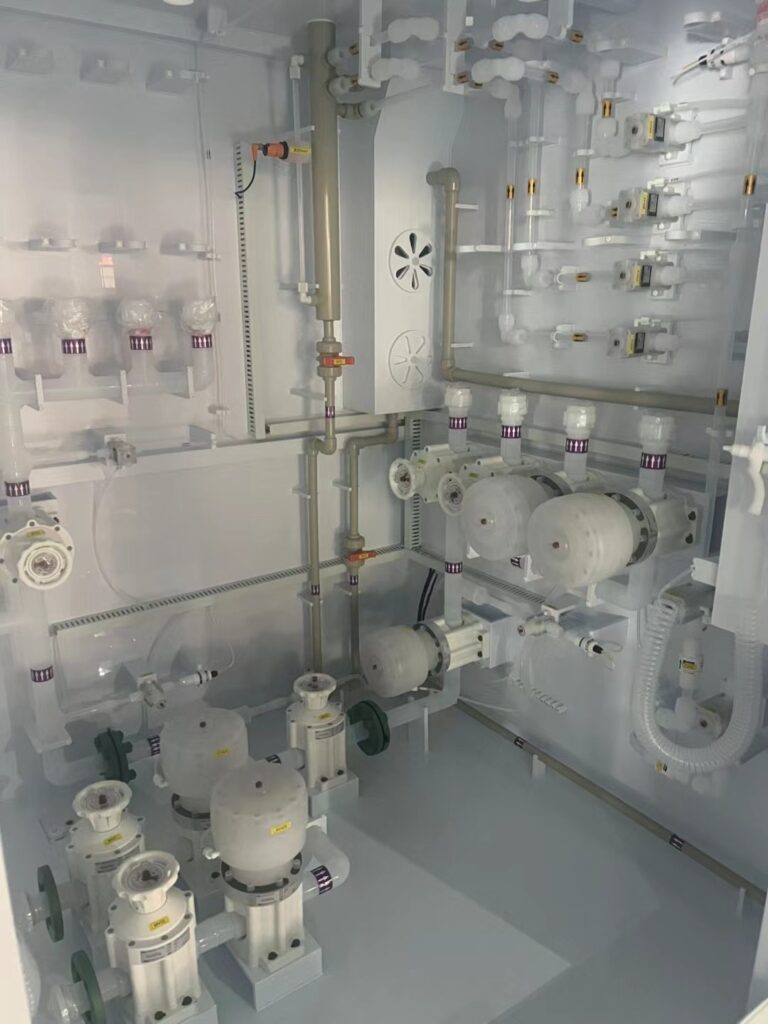
The system typically consists of a scrubber tower, liquid circulation tank, circulation pump, spray nozzles or packing materials, chemical dosing equipment, mist eliminator, exhaust ductwork, and monitoring instruments.
The contaminated gas enters the scrubber and contacts a circulating liquid. Pollutants that are sufficiently soluble may dissolve in the liquid, while reactive compounds can undergo chemical reactions that improve removal.
For example, an alkaline solution may neutralize suitable acidic gases, while an acidic solution may absorb and react with ammonia. Some applications require oxidizing or reducing chemicals to convert a target contaminant into a more manageable chemical form.
The resulting liquid contains absorbed contaminants or reaction products. It may need treatment, controlled replacement, or disposal according to its chemical composition and applicable wastewater regulations.
Meanwhile, the treated gas passes through a mist eliminator that removes entrained liquid droplets. It is then discharged through the exhaust stack or transferred to another treatment stage.
A complete system must manage both sides of the process: the treated gas and the contaminated liquid. Effective gas cleaning should not simply transfer an uncontrolled pollution problem from the air into wastewater.
3. How Does a Wet Scrubber Work? Step-by-Step Process
The operating principle of a wet scrubber can be divided into several stages.
Step 1: Collection of Contaminated Tail Gas
Tail gas is collected from process equipment, chemical reactors, laboratory fume hoods, production enclosures, or other emission sources.
An exhaust fan generally provides the airflow needed to transport the gas through the duct network and treatment equipment. The collection system must accommodate the expected flow rate, operating pressure, temperature, and chemical composition.
Before entering the scrubber, the gas may require cooling, dilution, pretreatment, or removal of large particles, depending on the application.
Step 2: Gas Distribution Inside the Scrubber
The contaminated gas enters the scrubber tower through an inlet designed to distribute the flow appropriately.
Good gas distribution is important because uneven flow can create untreated regions and reduce effective contact between the gas and liquid.
In a packed-bed scrubber, the gas moves through packing materials that provide a large surface area for gas-liquid mass transfer. In a spray tower, liquid droplets are dispersed into the gas stream to promote contact.
The most appropriate configuration depends on pollutant characteristics, required removal performance, pressure-drop limitations, and the possibility of fouling or solids formation.
Step 3: Gas-Liquid Contact and Pollutant Absorption
As the gas contacts the liquid, target pollutants transfer from the gas phase into the liquid phase.
The driving force for mass transfer depends on factors such as pollutant concentration, liquid composition, temperature, and the chemical equilibrium between the gas and liquid.
Increasing the available contact area and maintaining appropriate liquid distribution can improve absorption. However, excessive gas velocity or inadequate liquid circulation may reduce performance or increase liquid carryover.
Step 4: Chemical Neutralization or Reaction
For reactive pollutants, absorption may be followed by a chemical reaction.
An alkaline scrubbing solution can neutralize suitable acidic gases. For example, sodium hydroxide may be used to treat hydrochloric acid-containing exhaust.
For ammonia-containing gas streams, an acidic absorbent may promote absorption through the formation of ammonium salts.
Other contaminants may require oxidation-reduction chemistry or specialized treatment processes. The treatment chemical must be selected according to the target pollutant, expected reaction products, safety requirements, and wastewater handling arrangements.
Step 5: Mist Removal
After gas-liquid contact, the exhaust passes through a mist eliminator.
The mist eliminator captures liquid droplets carried by the gas, helping prevent chemical carryover, downstream duct corrosion, and unwanted liquid discharge.
Its performance depends on droplet size, gas velocity, device design, and maintenance condition. A mist eliminator does not remove every vapor-phase pollutant; its primary function is to separate entrained liquid droplets.
Step 6: Discharge and Liquid Management
After treatment, the gas is discharged when it meets the applicable operating and emission requirements or proceeds to an additional treatment stage.
The scrubbing liquid returns to a circulation tank, where its condition can be monitored and adjusted. Chemical dosing may maintain the required pH or treatment capacity.
As pollutants accumulate, the liquid may require partial replacement, blowdown, filtration, or wastewater treatment. Proper liquid management is essential to maintain stable scrubber performance.
4. Main Components of a Wet Scrubber Tail Gas Treatment System
A reliable wet scrubber depends on the coordinated operation of several major components.
4.1 Scrubber Tower
The scrubber tower provides the main chamber for gas-liquid contact. It may be constructed from materials such as polypropylene (PP), polyvinyl chloride (PVC), chlorinated polyvinyl chloride (CPVC), polyvinylidene fluoride (PVDF), or suitable corrosion-resistant metals.
Material selection depends on chemical composition, operating temperature, pressure, mechanical loading, and service life requirements.
4.2 Packing Materials and Spray Nozzles
Packing materials increase the contact surface area between the gas and liquid. Common designs use structured or random packing selected according to mass-transfer requirements and fouling potential.
Spray nozzles distribute the liquid throughout the tower. They must provide suitable coverage and droplet characteristics without becoming excessively prone to blockage.
4.3 Circulation Pump and Tank
The circulation pump delivers scrubbing liquid to the spray system or packed bed. The tank stores the circulating solution and provides a location for liquid-level monitoring and chemical adjustment.
Pump materials, seals, flow capacity, and pressure rating must be compatible with the treatment liquid.
4.4 Chemical Dosing Equipment
Chemical dosing equipment replenishes neutralizing or reactive chemicals when necessary.
A dosing system may include chemical storage tanks, metering pumps, injection points, pH sensors, and control equipment. Automated dosing can improve consistency and reduce unnecessary chemical consumption.
4.5 Mist Eliminator
The mist eliminator reduces liquid-droplet carryover from the scrubber. It should be accessible for inspection and cleaning because accumulated deposits can increase pressure drop or reduce separation performance.
4.6 Exhaust Fan and Control System
The exhaust fan provides the airflow required to move the gas through the treatment equipment. Its selection must account for system pressure losses, operating temperature, gas density, and chemical compatibility.
The control system may monitor pH, liquid level, circulation flow, differential pressure, temperature, and fan status. Depending on the hazards, gas detectors and emergency interlocks may also be necessary.
5. Common Types of Wet Scrubber Systems
Different wet scrubber designs are suited to different exhaust conditions.
5.1 Packed-Bed Wet Scrubber
A packed-bed scrubber uses packing materials to increase the gas-liquid contact area. It is commonly used for removing suitable soluble or chemically reactive gases.
Advantages include relatively high mass-transfer efficiency and a compact design. However, packing may become blocked by solids, deposits, or unsuitable reaction products.
5.2 Spray Tower Scrubber
A spray tower distributes liquid through nozzles into the gas stream. Its relatively simple structure can make inspection and maintenance straightforward.
It may be suitable for applications where low pressure drop and resistance to certain fouling conditions are important. For highly soluble or reactive contaminants requiring high removal efficiency, its performance must be carefully evaluated.
5.3 Venturi Scrubber
A Venturi scrubber accelerates the gas through a constricted section, creating conditions that disperse liquid into fine droplets. This design can provide effective particle capture and may also support removal of certain gas-phase contaminants.
Venturi scrubbers generally require more energy because of their higher pressure drop. They are often selected when particulate control is a major requirement.
5.4 Multistage Wet Scrubber
A multistage system uses two or more treatment stages to address different contaminants or improve overall removal.
For example, one stage may neutralize acidic gases, while another stage provides additional treatment for a different compatible pollutant.
Multistage configurations require careful chemical separation, drainage design, control logic, and evaluation of potential interactions between treatment chemicals.
6. Which Pollutants Can a Wet Scrubber Remove?
Wet scrubbers can treat a range of pollutants, but their effectiveness varies considerably.
Acidic gases: Hydrogen chloride and sulfur dioxide can often be treated using suitable alkaline solutions. Other acidic gases require specific compatibility and reaction assessments.
Alkaline gases: Ammonia can be absorbed using water or suitable acidic solutions, depending on concentration and required performance.
Hydrogen sulfide: Treatment may require alkaline absorption combined with an appropriate oxidation process or another specialized technology.
Selected inorganic vapors: Some inorganic contaminants can be removed through absorption or chemical reaction when the liquid chemistry and contact conditions are suitable.
Particulate matter: Wet scrubbers can capture particles through contact with liquid droplets, although performance depends on the design and particle characteristics. Venturi scrubbers are often considered for applications requiring enhanced fine-particle collection.
Volatile organic compounds (VOCs): Many VOCs have limited water solubility, making ordinary water-based scrubbing ineffective. Specialized absorption liquids or alternative technologies, such as activated carbon adsorption or thermal oxidation, may be more appropriate.
Highly hazardous, pyrophoric, or reactive gases may require dedicated abatement equipment rather than a general-purpose wet scrubber. The correct treatment approach must be determined from the actual gas composition and process risk assessment.
7. Key Factors Affecting Scrubber Treatment Efficiency
Several engineering variables determine how well a wet scrubber performs.
Gas Flow Rate
The system must accommodate both normal and peak exhaust flow. Excessive gas velocity can reduce effective contact time, increase pressure drop, and cause liquid carryover.
Inlet Pollutant Concentration
High contaminant concentrations increase the treatment load and may require more liquid circulation, greater chemical dosing capacity, or additional treatment stages.
Liquid-to-Gas Ratio
The liquid-to-gas ratio affects the amount of absorbent available for gas treatment. An insufficient ratio may limit absorption, while excessive circulation increases pumping energy and may increase liquid carryover.
Scrubbing Liquid pH
For acid-base neutralization, pH is a key operating parameter. A pH value outside the intended range may reduce removal efficiency or increase chemical consumption.
The appropriate operating range depends on the pollutant and the treatment chemistry rather than a universal setpoint.
Temperature
Lower temperatures can improve the absorption of certain gases, although the effect depends on the chemical system. High temperatures may reduce solubility or damage equipment materials.
Packing Condition and Liquid Distribution
Blocked packing, damaged spray nozzles, or uneven liquid distribution can create poor contact and reduce performance.
Proper maintenance and suitable internal design are essential to avoid these problems.
8. Advantages and Limitations of Wet Scrubber Tail Gas Treatment
Wet scrubbers offer several important advantages for industrial emission control.
They can achieve effective removal of suitable soluble or reactive gases, support continuous operation, and handle certain exhaust streams containing both gases and particulate matter. Corrosion-resistant construction can also provide reliable service in chemically aggressive environments.
Chemical neutralization allows selected pollutants to be converted into dissolved salts or other reaction products that can be managed through an appropriate wastewater treatment process.
However, wet scrubbers also have limitations. They consume water, treatment chemicals, and electrical energy. They generate contaminated liquid that requires proper handling, and some systems may experience corrosion, scaling, fouling, or nozzle blockage.
They are not automatically effective for poorly soluble gases or many VOCs. Some contaminants may require additional technologies, and some reaction products may create new environmental or safety concerns.
Consequently, lifecycle cost assessments should include equipment investment, utilities, chemicals, maintenance, wastewater management, and performance testing.
9. Installation, Operation, and Maintenance
Correct installation and commissioning help ensure that a wet scrubber achieves its intended performance.
Before installation, engineers should verify the exhaust flow rate, chemical composition, duct routing, equipment materials, drainage arrangements, and maintenance access.
Commissioning should include checks of pumps, fans, liquid distribution, chemical dosing, monitoring instruments, and control functions. Where required, inlet and outlet testing should verify treatment performance under representative operating conditions.
Routine maintenance should include:
- Checking circulation pump operation and liquid flow.
- Inspecting spray nozzles for blockage or wear.
- Cleaning packing materials and mist eliminators when necessary.
- Monitoring pH and scrubbing liquid condition.
- Inspecting tanks, piping, valves, and ducts for corrosion or leakage.
- Checking differential pressure and exhaust fan performance.
- Managing spent scrubbing liquid according to approved procedures.
- Testing alarms and protective interlocks.
Maintenance intervals should reflect the pollutant load, operating schedule, chemical properties, and manufacturer’s recommendations.
Operators should also maintain records of chemical consumption, process conditions, inspections, abnormal events, and performance measurements. These records help identify deterioration and improve long-term operating reliability.
10. How to Select a Wet Scrubber Tail Gas Treatment System Supplier
Selecting an experienced supplier is important for matching treatment equipment to the actual exhaust conditions.
A qualified supplier should be able to evaluate gas composition, inlet concentration, flow rate, temperature, required removal efficiency, and applicable emission limits. The supplier should also explain the proposed treatment chemistry, material selection, pressure-drop expectations, and wastewater management requirements.
Customization may include packed-bed or spray tower configurations, corrosion-resistant construction, automatic chemical dosing, pH monitoring, variable-speed fans, and multistage treatment arrangements.
Jewellok may be considered for inquiries concerning industrial gas handling, laboratory gas systems, and related gas control equipment, subject to confirmation of the required product scope. Buyers seeking a complete wet scrubber package should verify the supplier’s actual scrubber engineering and manufacturing capabilities before procurement.
Important evaluation criteria include technical drawings, material specifications, design calculations, testing documentation, maintenance recommendations, spare-parts availability, and commissioning support.
Suppliers should clearly distinguish between estimated treatment performance and performance demonstrated through testing under defined operating conditions.
11. Conclusion
A wet scrubber tail gas treatment system works by bringing contaminated exhaust gas into contact with a suitable liquid absorbent or reactive solution. Through absorption, chemical neutralization, and other appropriate treatment reactions, selected pollutants are transferred from the gas stream into the liquid phase.
The treated gas then passes through a mist eliminator before discharge, while the contaminated liquid is managed through circulation, chemical adjustment, treatment, or controlled replacement.
Successful performance depends on correct scrubber selection, appropriate liquid chemistry, effective gas-liquid contact, compatible materials, reliable monitoring, and regular maintenance.
Although wet scrubbers are highly useful for many corrosive and water-soluble pollutants, they are not suitable for every gas. A detailed assessment of exhaust composition and treatment objectives is essential before selecting the system.
With sound engineering and proper operation, a wet scrubber tail gas treatment system can help industrial facilities control emissions, protect equipment, and support environmental compliance.
For more about how does an industrial wet scrubber tail gas treatment system work for effective air pollution control, you can pay a visit to Jewellok at https://www.jewellok.com/ for more info.
-
Medical Oxygen Single Stage Manual Gas Changeover Manifold Panel High-Purity Two-Stage Manual Gas Manifold Gas Pressure Control Panels
-
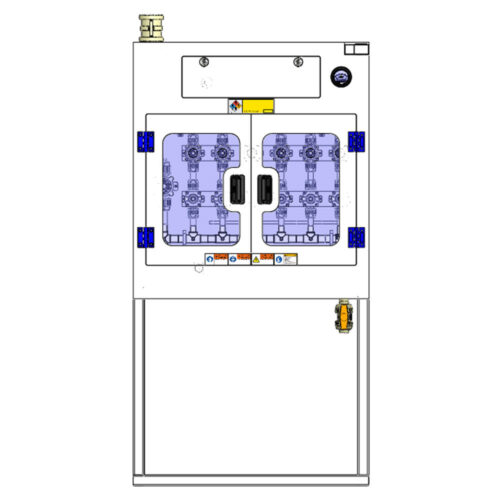
High Purity Configurable Systems VMB Valve Manifold Box JW-200-VMB-C & JW-100-VMB-C
-
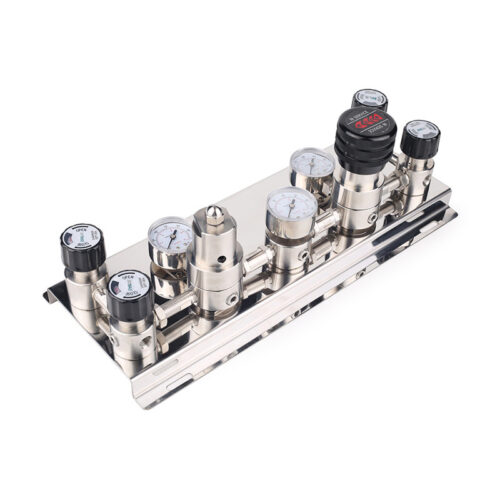
Automatic Gas Switchover System Automatic Switchover Manifold Automatic Gas Cylinder Switchover
-
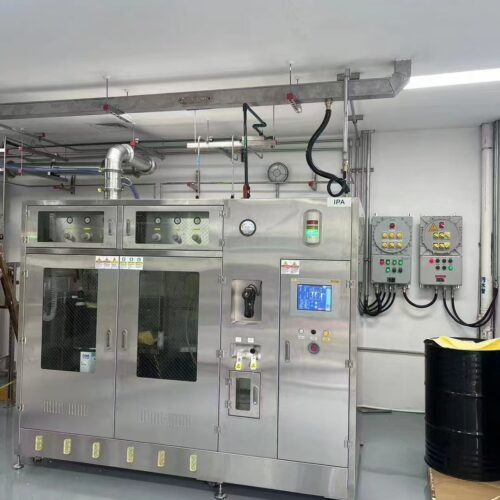
Precision Liquid Chemical Delivery Module (CDM) with PLC Control for Parts-Per-Trillion Purity in Solar Cell Production
-
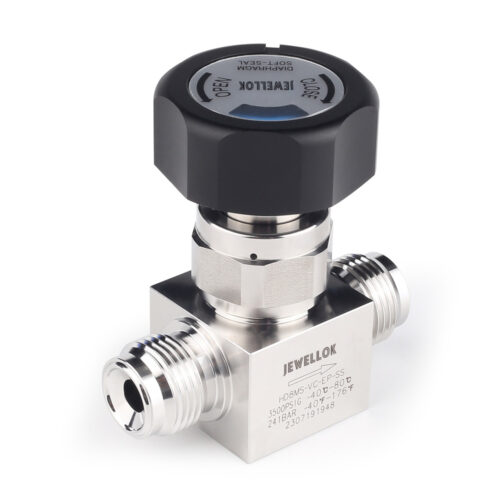
Stainless Steel Ultra High Purity (UHP) High Pressure Manual Diaphragm Valve
-
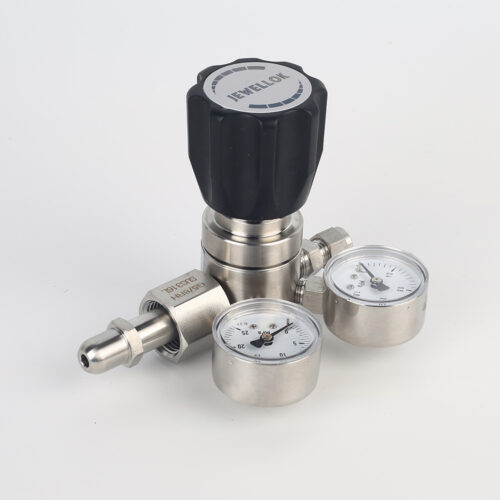
High Purity High Pressure Gas Cylinder Pressure Regulators Pressure Reducing Valve JSR-1E Series
-
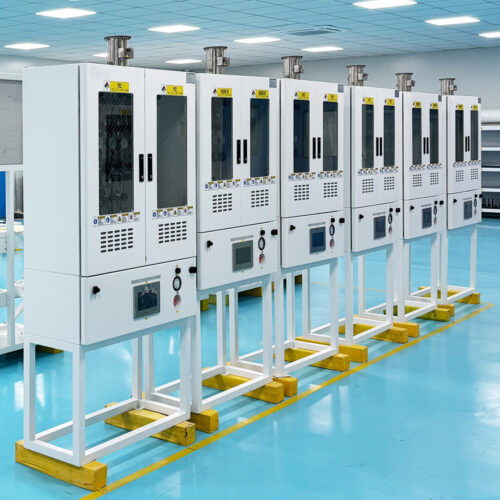
VMB Valve Manifold Box And Panel Gas Cabinet, BSGS Gas Cabinets, TMA Gas Cabinets, Scrubber Tail Gas Treatment Cabinets
-
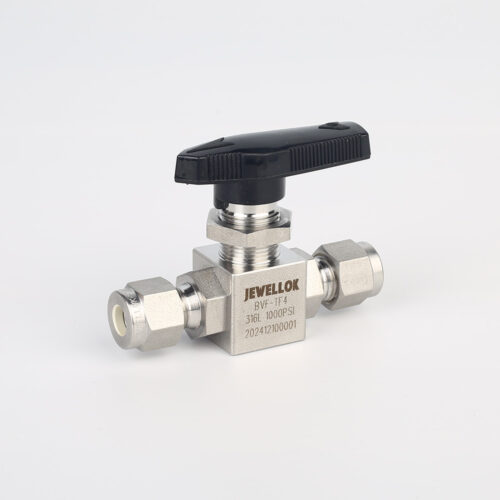
Stainless Steel High Purity High Temperature Pneumatic Actuated Ball Valves JBV2 Series