
Valves Manufacturer Tel: +86 13380377051
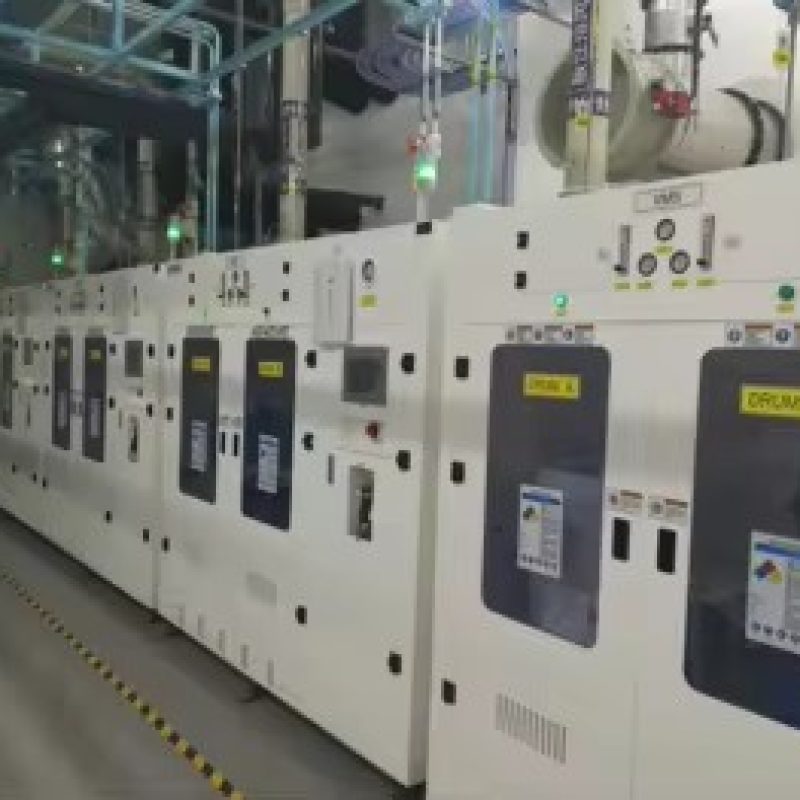
How to Design a Safe and Reliable Centralized Laboratory Gas Supply System
1. Introduction
A centralized laboratory gas supply system is an essential part of modern laboratories, research institutions, universities, pharmaceutical facilities, and industrial testing environments. It delivers gases from centralized storage locations to multiple laboratory workstations through a professionally designed network of pipelines, pressure regulators, valves, and safety control devices.
Compared with individual gas cylinders installed at each workstation, a centralized gas distribution system can improve laboratory organization, simplify cylinder replacement, reduce the number of gas cylinders inside working areas, and provide more consistent gas delivery. However, these benefits depend on proper engineering design, appropriate component selection, effective monitoring, and regular maintenance.
Laboratories may use nitrogen, argon, helium, hydrogen, oxygen, carbon dioxide, compressed air, and various specialty gases. Each gas has different physical properties, pressure requirements, chemical compatibility considerations, and potential hazards. Flammable gases may create fire and explosion risks, toxic gases can threaten personnel, oxidizing gases can intensify combustion, and high-pressure systems can cause serious mechanical hazards.
Therefore, designing a safe and reliable centralized laboratory gas supply system requires a comprehensive approach that covers gas demand, source selection, pressure control, pipeline design, gas compatibility, ventilation, leak detection, emergency isolation, and operational management.
This article explains the essential design principles and practical considerations for developing a centralized gas supply system that meets laboratory requirements while supporting long-term safety and operational efficiency.
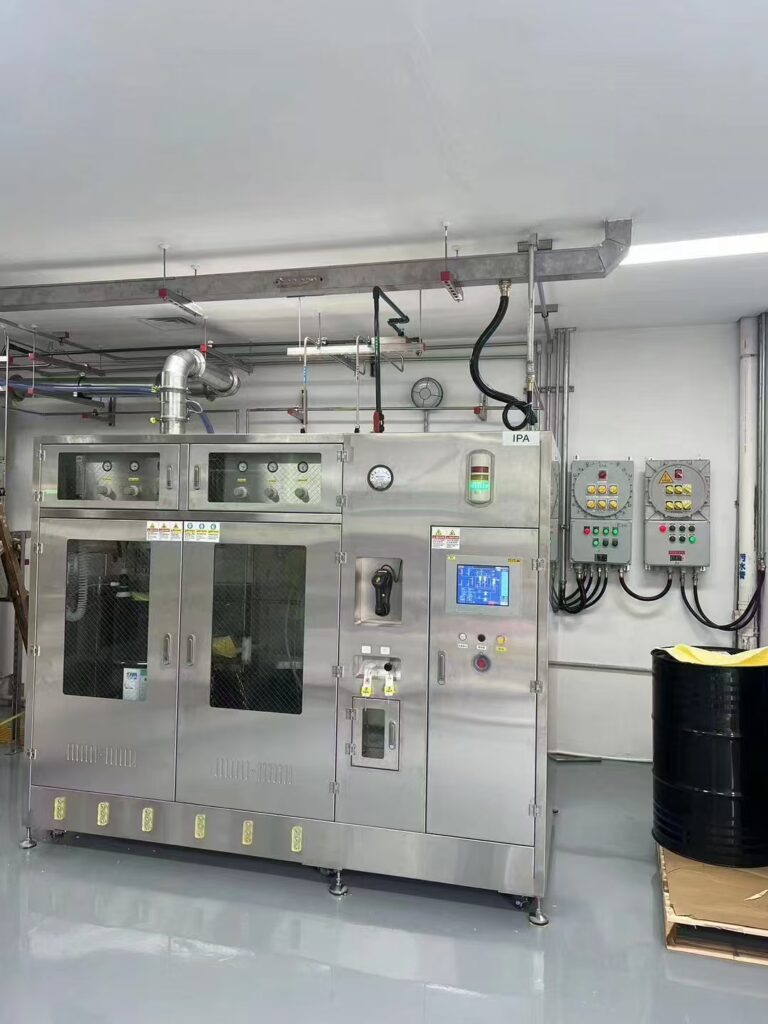
2. Understand Laboratory Gas Requirements
The first step in system design is to identify the gases required by the laboratory and understand how each gas will be used.
Different laboratory applications have different requirements. Analytical instruments may require high-purity carrier gases, chemical experiments may need inert or reactive gases, and biological laboratories may use carbon dioxide for controlled incubation environments.
Before selecting equipment, engineers should prepare a gas consumption and application schedule that includes the following information:
- Gas type and chemical properties.
- Required purity grade and allowable contamination levels.
- Number and location of gas-consuming instruments.
- Normal and peak gas consumption.
- Required delivery pressure and flow rate.
- Operating hours and simultaneous usage patterns.
- Source cylinder pressure and replacement frequency.
- Special handling, ventilation, and monitoring requirements.
Gas purity is particularly important for analytical instruments, semiconductor research, chromatography, and other contamination-sensitive applications. Moisture, oxygen, hydrocarbons, and particles can affect experimental accuracy and instrument performance.
For these applications, the design may require high-purity regulators, compatible diaphragm valves, suitable tubing, filtered gas connections, and carefully controlled installation and cleaning procedures.
Accurate demand calculations also prevent undersizing or excessive oversizing. An undersized system may experience pressure fluctuations during peak demand, while an unnecessarily large system can increase equipment costs and gas inventory.
3. Select the Appropriate Gas Supply Configuration
A centralized laboratory gas supply system generally consists of a gas source, pressure regulation equipment, a distribution pipeline network, and terminal connections at laboratory workstations.
The source configuration depends on gas consumption, required continuity, cylinder availability, and the characteristics of the gas.
3.1 Single-Cylinder Supply
A single-cylinder arrangement is suitable for low-consumption applications or gases that are used intermittently.
Its advantages include a relatively simple configuration and low initial investment. However, the supply may be interrupted when the cylinder becomes empty or requires replacement.
This arrangement may be inappropriate for critical instruments that must operate continuously.
3.2 Dual-Cylinder Changeover System
A dual-cylinder manifold allows two cylinders or cylinder groups to supply a common distribution system. A changeover mechanism transfers the supply from the depleted source to the available source according to the system configuration.
Manual changeover systems require trained personnel to monitor pressure and switch sources. Automatic changeover systems can reduce routine intervention and help maintain continuity.
Automatic changeover does not eliminate every interruption risk. Cylinder availability, regulator performance, source pressure, control power where required, and downstream demand must all be considered.
3.3 Centralized Cylinder Manifold
For laboratories with multiple gas-consuming instruments, a centralized cylinder manifold can consolidate gas storage and distribution in a designated service area.
The manifold may incorporate cylinder connections, isolation valves, pressure regulators, pressure indicators, relief devices where appropriate, and changeover controls.
Separate manifolds should be provided for incompatible gases. The arrangement must prevent cross-connection and ensure that each gas is handled using components specifically suitable for its properties.
3.4 Bulk or Specialized Gas Supply
High-consumption laboratories may benefit from bulk storage or other specialized supply arrangements. Toxic, corrosive, pyrophoric, or highly reactive gases may require dedicated gas cabinets, specialized delivery panels, engineered exhaust systems, and additional protective measures.
The final configuration should be selected through an engineering assessment rather than based on cost alone.
4. Design an Appropriate Gas Pressure Control System
Pressure control is one of the most important elements of centralized laboratory gas distribution.
Gas cylinders may contain gas at pressures substantially higher than those required by laboratory instruments. A pressure regulation system reduces the source pressure to a suitable downstream operating range and maintains stable delivery under changing demand.
A typical system may include a primary pressure regulator, secondary pressure regulation where necessary, isolation valves, pressure gauges or transmitters, and suitable overpressure protection.
4.1 Primary Pressure Regulation
The primary regulator reduces the cylinder or manifold pressure to a controlled intermediate or distribution pressure.
Its inlet pressure rating must be compatible with the maximum possible source pressure, and its materials must be suitable for the gas being supplied.
4.2 Secondary Pressure Regulation
Where different instruments require different pressures, secondary regulators can be installed near laboratory branches or points of use.
This arrangement allows the main distribution network to operate at an appropriate pressure while providing individual adjustment for specific instruments.
4.3 Regulator Selection
Regulators should be selected according to gas compatibility, inlet pressure, outlet pressure, required flow, accuracy, and purity requirements.
For high-purity applications, a suitable regulator may use a stainless steel body, a low-contamination internal design, and compatible diaphragm and sealing materials. Electropolished or specially cleaned components may be necessary when specified by the gas purity requirements.
Pressure gauges and transmitters should have suitable ranges and accuracy. Their connections must also be compatible with the gas and pressure conditions.
4.4 Overpressure Protection
The design must consider regulator failure, downstream blockage, thermal expansion, and other credible pressure-related hazards.
Suitable pressure-relief or other engineered protective devices should be selected according to the system design, applicable codes, and the pressure rating of downstream components. Relief discharge must be routed to a safe location when the gas presents a hazard.
Relief devices must never be selected or installed without considering their discharge destination and the potential consequences of releasing the gas.
5. Plan the Gas Distribution Pipeline Network
The pipeline network connects the centralized source to laboratory instruments and determines how effectively gas reaches each point of use.
Good pipeline design requires attention to flow capacity, pressure drop, material compatibility, cleanliness, routing, mechanical protection, and maintenance access.
5.1 Pipeline Material Selection
The appropriate material depends on gas chemistry, pressure, temperature, purity requirements, and applicable standards.
Common options include stainless steel tubing and selected engineering polymers for suitable applications. High-purity gas systems often use stainless steel tubing with appropriate surface finish, cleaning, and connection methods.
Corrosive gases may require specialized alloys or other compatible materials. Polymer tubing should not be selected solely because it is inexpensive or easy to install; its permeability, pressure rating, chemical compatibility, and suitability for the specific gas must be verified.
5.2 Calculate Pipe Diameter and Pressure Drop
Pipeline diameter should be determined using the expected gas flow, line length, fittings, operating pressure, and acceptable pressure loss.
An undersized pipeline can create excessive pressure drop, unstable instrument performance, and reduced delivery capacity during periods of simultaneous use.
An oversized pipeline can increase installation costs and, in some applications, increase the volume of gas retained in the distribution network.
Engineering calculations should evaluate the most demanding operating condition, including the simultaneous use of connected instruments.
5.3 Separate Gas Lines
Different gases should be distributed through clearly identified and appropriately separated pipelines.
Incompatible gases must not share a common line unless a specifically engineered process requires it and appropriate safeguards are provided. Oxygen service, flammable gas service, toxic gas service, and corrosive gas service may have different design, cleanliness, separation, and protection requirements.
Gas lines should be permanently identified using labels, flow-direction markings, and other identification methods required by applicable standards.
Color coding can provide an additional visual aid, but it should not replace clear written identification and verification of the gas connection.
5.4 Choose Suitable Connection Methods
Connections may include compression fittings, face-seal fittings, welded joints, or other approved connection systems.
High-purity applications often benefit from orbital welding or suitable metal face-seal connections where appropriate. The selected method should minimize leakage, dead spaces, contamination, and maintenance difficulties.
Installation procedures must be consistent with the pressure rating, gas compatibility, and cleanliness requirements of the system.
6. Incorporate Essential Safety Protection
Safety should be integrated into the design from the beginning rather than added after the pipeline network has been installed.
A formal hazard assessment should identify potential leaks, pressure failures, gas incompatibility, oxygen displacement, fire hazards, toxic exposure, and loss of ventilation or electrical power.
6.1 Gas Leak Detection
Gas detection requirements depend on the hazards associated with each gas.
Toxic gas applications may require suitable gas detectors in locations determined by the hazard assessment. Flammable gas applications may require combustible-gas detection, while oxygen-deficiency or oxygen-enrichment monitoring may be appropriate in relevant environments.
Detector selection and placement must account for the gas properties, room ventilation, likely leak locations, instrument response, and manufacturer guidance.
Alarm thresholds, notification arrangements, and automatic protective actions should be established through the facility’s risk assessment and applicable requirements.
6.2 Emergency Shutoff Valves
Emergency shutoff valves can isolate selected portions of the gas supply during a leak, equipment failure, or other abnormal event.
Their locations should be accessible to authorized personnel without exposing them unnecessarily to the hazard. Depending on the system, isolation may be provided at the source, gas cabinet, main distribution line, branch line, or point of use.
The design should clearly define which areas are isolated by each valve and how the system can be safely restored after an emergency.
6.3 Ventilation and Gas Cabinets
Gas cylinders should be stored in locations suitable for their contents and protected against falling, physical damage, and unauthorized access.
Toxic, corrosive, flammable, or otherwise hazardous gases may require dedicated gas cabinets or enclosures with engineered exhaust ventilation, gas detection, and automatic isolation.
Ventilation systems should be designed for the relevant release scenarios and should not discharge hazardous gases into occupied areas or locations where they can create additional risks.
6.4 Cylinder Restraint and Handling
Cylinders must be secured against tipping and handled using appropriate equipment and procedures.
Cylinder connections should be inspected before use, and personnel should be trained to identify damaged valves, incompatible fittings, abnormal pressure readings, and other warning signs.
Oil and grease contamination must be prevented in oxygen service because these substances can create serious ignition hazards.
7. Improve Reliability Through Automation and Monitoring
A reliable centralized gas supply system should provide operators with clear information about supply conditions and potential faults.
A monitoring system may use pressure transmitters, pressure switches, flow sensors, gas detectors, and a PLC or other suitable controller.
Typical functions include monitoring source pressure, identifying low-cylinder-pressure conditions, displaying regulator outlet pressure, generating alarms, and recording selected operating parameters.
Automatic changeover can improve continuity by switching between available sources without requiring immediate manual intervention. However, the system should provide clear indication of the active source and the condition of the reserve supply.
For critical laboratory applications, reliability measures may include redundant regulators, backup cylinders, alternative power arrangements for essential controls, and defined emergency operating procedures.
Redundancy should be designed carefully. Additional equipment does not automatically increase reliability if it introduces more potential leak points or creates complicated maintenance requirements.
A practical reliability strategy combines appropriate component quality, straightforward system architecture, preventive maintenance, spare-parts planning, and operator training.
8. Installation, Testing, and Commissioning
Even a well-designed system can become unsafe if installation and commissioning are poorly controlled.
Before installation, the engineering team should confirm approved drawings, material specifications, equipment pressure ratings, valve locations, pipeline routing, and identification requirements.
Installation should be performed by qualified personnel using procedures appropriate for the gas service and cleanliness requirements.
After installation, the system should undergo the inspections and tests required by applicable codes and the approved commissioning plan. These may include:
- Visual inspection of tubing, supports, fittings, valves, and labels.
- Verification of component pressure ratings and gas compatibility.
- Appropriate pressure and leak testing using approved procedures.
- Verification of pipeline cleanliness and purge procedures.
- Testing of regulators, pressure indicators, and monitoring instruments.
- Functional testing of automatic changeover and alarm systems.
- Verification of emergency isolation and protective interlocks.
- Confirmation of delivery pressure and flow at representative points of use.
Test methods must be selected according to the gas, system design, and applicable safety requirements. Oxygen, toxic, flammable, and reactive gas lines may require specialized procedures. Testing should never introduce an incompatible gas or create an uncontrolled release hazard.
The commissioning team should document test results, instrument settings, as-built drawings, operating instructions, and maintenance requirements before the system is handed over to laboratory personnel.
9. Routine Maintenance and Operational Management
Preventive maintenance helps preserve gas purity, reduce leakage risks, and maintain stable delivery performance.
The maintenance schedule should reflect the gas type, operating pressure, usage frequency, equipment manufacturer’s recommendations, and facility risk assessment.
Important maintenance activities include inspecting regulators and fittings, checking pressure readings, examining cylinder connections, verifying detector calibration, testing alarms, and confirming that emergency valves remain accessible and functional.
Cylinder replacement procedures should specify the correct gas identification checks, connection practices, leak checks, and actions required after a failed connection or abnormal pressure reading.
Only trained personnel should perform work on the gas supply system. Changes to regulator settings, pipeline connections, gas types, or protective control logic should follow an approved management-of-change procedure.
Laboratories should also maintain records of cylinder changes, inspections, repairs, abnormal events, and recurring pressure or flow problems. These records can help identify equipment deterioration and recurring operational issues before they cause an interruption or safety incident.
10. How to Choose a Centralized Laboratory Gas Supply System Supplier
Selecting a qualified supplier is important for achieving the required gas purity, safety, and delivery performance.
A capable supplier should be able to review gas consumption data, recommend an appropriate source configuration, assist with pressure and flow calculations, and specify compatible regulators, valves, tubing, and monitoring equipment.
For high-purity laboratory applications, buyers should examine regulator construction, internal surface treatment, cleaning procedures, sealing materials, connection standards, and relevant contamination-control documentation.
For hazardous gas applications, the supplier should demonstrate an understanding of gas cabinets, exhaust ventilation, leak detection, emergency isolation, and applicable engineering requirements.
Jewellok may be considered for inquiries concerning gas pressure regulators, high-purity valves, pressure control panels, and related gas delivery components, subject to verification of the required product configuration and project scope.
Before purchasing, laboratories should request technical datasheets, system drawings, material specifications, pressure and flow information, testing documentation, spare-parts details, and commissioning or technical support arrangements.
A well-qualified supplier should be able to explain not only what equipment is supplied, but also how the proposed configuration addresses the laboratory’s specific operating conditions and safety requirements.
11. Conclusion
Designing a safe and reliable centralized laboratory gas supply system requires a coordinated approach to gas selection, source configuration, pressure regulation, pipeline engineering, hazard control, monitoring, and maintenance.
The system must deliver the correct gas at the required purity, pressure, and flow rate while protecting personnel and equipment from foreseeable hazards.
Key priorities include accurate gas demand calculations, compatible materials, properly sized pipelines, reliable pressure regulation, appropriate gas detection, emergency isolation, and documented commissioning.
Automation and dual-source arrangements can improve continuity, but they must be supported by effective alarms, preventive maintenance, and trained operators.
By following a systematic engineering process and working with qualified equipment suppliers, laboratories can establish a gas distribution infrastructure that supports experimental accuracy, operational efficiency, and long-term safety.
Frequently Asked Questions (FAQ)
Q1: What is the main advantage of a centralized laboratory gas supply system?
It centralizes gas storage and distribution, reduces the need for individual cylinders at laboratory workstations, and can improve supply management, safety, and operational convenience.
Q2: Is an automatic gas changeover system necessary?
Not for every application. It is particularly useful when uninterrupted supply is important or cylinder replacement must be managed efficiently. The need depends on gas consumption, criticality, and acceptable interruption time.
Q3: Which pipeline material is best for high-purity laboratory gases?
Properly specified and cleaned stainless steel tubing is commonly used for high-purity gas distribution. The final choice depends on gas compatibility, pressure, purity requirements, and applicable standards.
Q4: What safety devices should a centralized gas supply system include?
Depending on the hazards, the system may require pressure-relief protection, gas detectors, emergency shutoff valves, ventilation, alarms, and automatic isolation. The final arrangement should follow a documented risk assessment.
Q5: How can a laboratory maintain stable gas pressure?
Appropriate regulator sizing, correct pipeline design, adequate source capacity, suitable secondary regulation, routine maintenance, and monitoring of operating pressure and flow help maintain stable delivery.
Q6: How often should a centralized laboratory gas supply system be inspected?
Inspection frequency depends on the gas hazards, applicable regulations, equipment specifications, and operating conditions. A documented preventive maintenance program should define inspection, testing, calibration, and replacement intervals.
For more about how to design a safe and reliable centralized laboratory gas supply system, you can pay a visit to Jewellok at https://www.jewellok.com/ for more info.
-

Liquid Chemical Delivery Module And Chemical Delivery System Semiconductor Chemical Automatic Liquid Supply Equipment
-
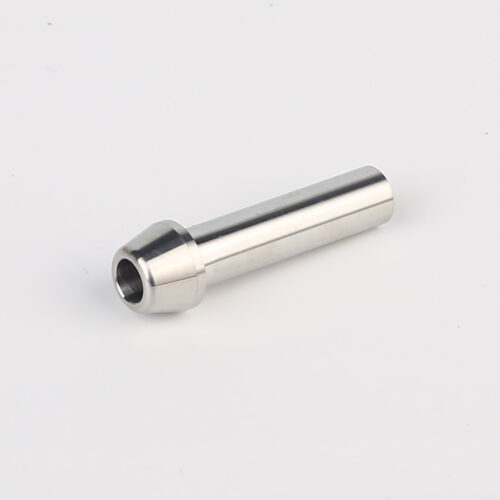
767LP Port Connector Ultra High Purity VCJ Metal Gasket Face Seal Tube Fittings
-
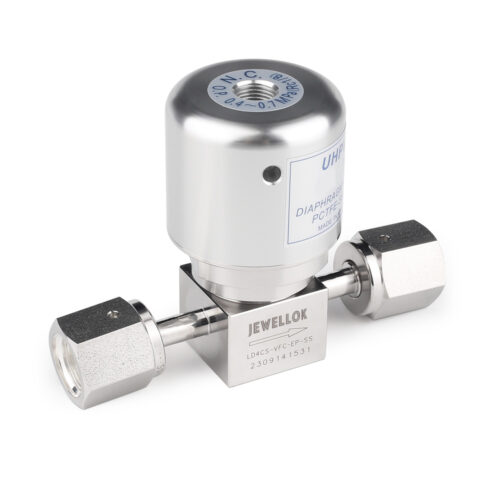
Stainless Steel Low Pressure Seal Pneumatic Diaphragm Control Valve For For HP & UHP Gases
-
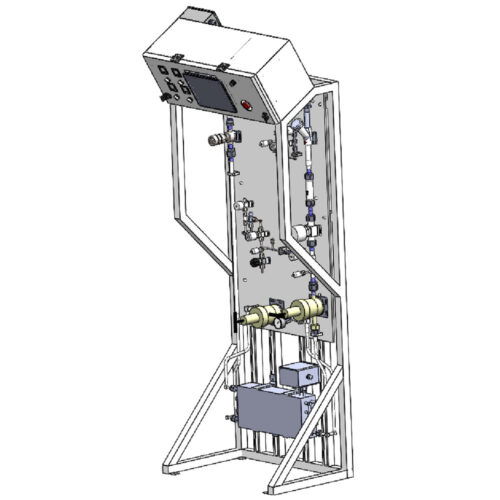
Fully Automated Gas Cabinet Gas Rack Gas Delivery Systems JW-300-GR
-
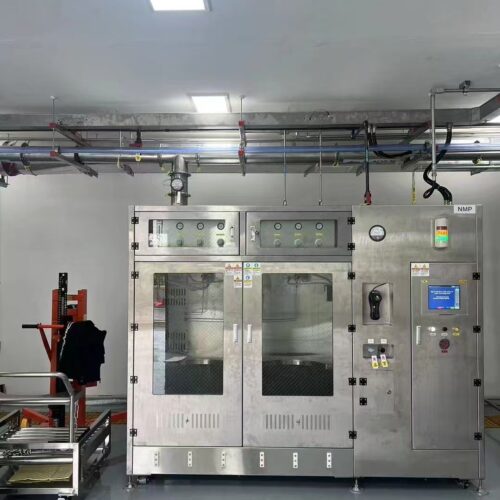
UHP Bulk Liquid Chemical Delivery System (BCDS) Implementation for High-Efficiency Photovoltaic and Solar Cell Production Lines
-
Engineering Ultra-High Purity Fluid Control Liquid Chemical Delivery Module (CDM) And Chemical Delivery System (CDS) for Pharmaceutical Grade Applications
-
Custom Chemical Delivery System (CDS) Engineering for Hazardous Etchants and Volatile Organic Solvent Distribution Systems
-
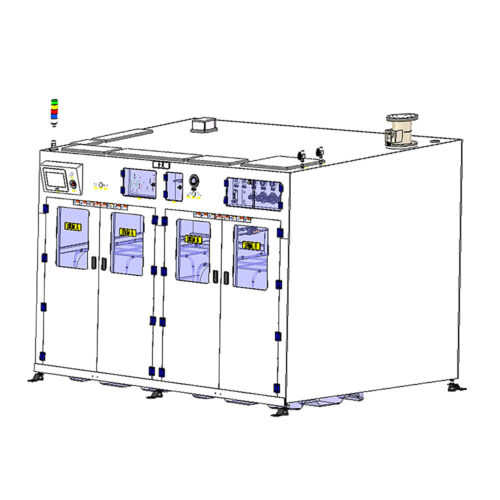
High Purity Chemical Dispense System & Packing System For Semiconductors JW-200L-CDM & JW-1000L-CDM