
Valves Manufacturer Tel: +86 13380377051
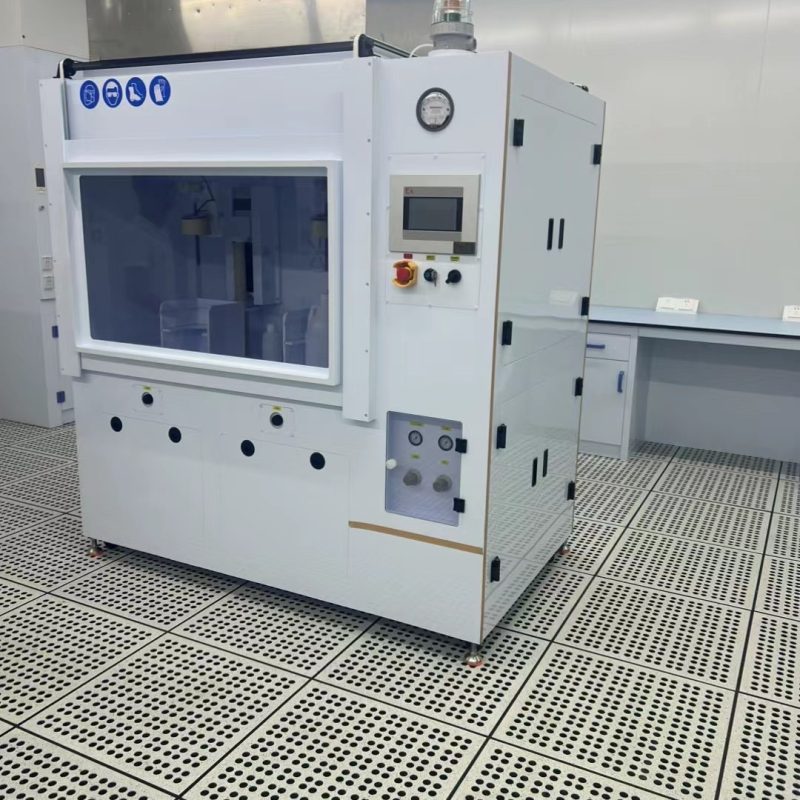
Laboratory Gas Piping Systems in Laboratory Gas Scrubber Systems: Design, Materials, Installation and Safety
1. Introduction
Laboratory gas piping systems are essential components of modern laboratory gas scrubber systems, providing a reliable pathway for transporting process gases, exhaust gases, and chemical vapors between laboratory equipment and gas treatment units. In research laboratories, chemical testing facilities, pharmaceutical laboratories, semiconductor research centers, and industrial laboratories, effective gas piping design is critical to maintaining operational efficiency, protecting personnel, and controlling hazardous emissions.
A laboratory gas scrubber system is designed to remove, neutralize, or reduce harmful substances from exhaust streams before they are discharged into the environment. However, the performance of the scrubber depends not only on the treatment equipment itself but also on the design and quality of the associated piping network. Improper pipe materials, inadequate flow capacity, poor sealing, or incorrect installation can cause leakage, corrosion, pressure fluctuations, and reduced treatment efficiency.
A well-engineered laboratory gas piping system must consider gas composition, chemical compatibility, operating pressure, temperature, flow rate, ventilation requirements, and maintenance accessibility. Integrating these factors during the initial design stage helps laboratories establish a safer and more reliable gas treatment infrastructure.
This article explores the key engineering principles behind laboratory gas piping systems used in laboratory gas scrubber applications, including system design, material selection, installation procedures, safety measures, and long-term maintenance.
2. Understanding Laboratory Gas Piping Systems in Scrubber Applications
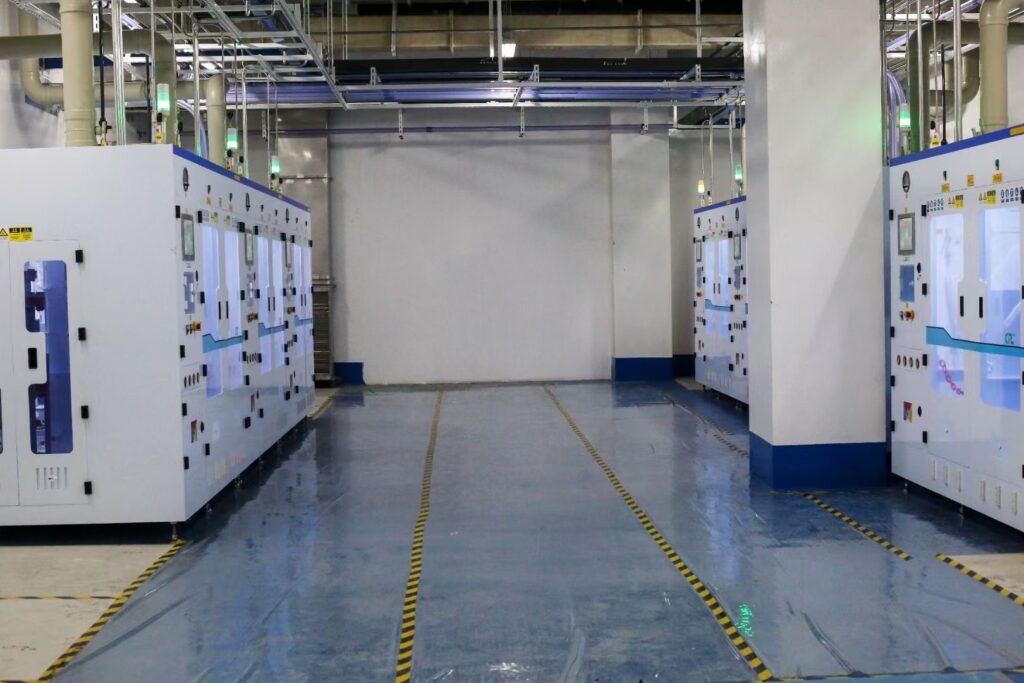
Laboratory gas piping systems connect laboratory instruments, fume hoods, process chambers, gas cabinets, and other exhaust sources to appropriate gas treatment equipment. Depending on the application, these systems may transport corrosive gases, toxic vapors, acidic exhaust, alkaline compounds, solvent vapors, or mixed chemical emissions.
A typical laboratory gas scrubber installation consists of several interconnected components:
- Gas collection points, including fume hoods, process equipment, and exhaust enclosures.
- Exhaust piping networks that collect and convey contaminated gas.
- Valves, dampers, and balancing devices for isolation and flow control.
- Scrubber equipment, such as wet scrubbers, dry scrubbers, or specialized chemical treatment units.
- Exhaust fans and ductwork designed to maintain the required airflow.
- Monitoring instruments for pressure, differential pressure, temperature, and other relevant operating parameters.
- Treated-gas discharge piping or stacks.
These components must function as an integrated system. The piping network should deliver contaminated gas to the designated treatment unit without allowing hazardous substances to escape into occupied laboratory spaces.
It is important to distinguish process-gas supply piping from contaminated exhaust piping. Supply piping delivers gases such as nitrogen, argon, hydrogen, or specialty gases to laboratory equipment. Exhaust piping transports gas mixtures away from the process and toward suitable treatment equipment. Their pressure conditions, materials, containment strategies, and design requirements can differ significantly.
For example, a high-purity nitrogen supply line may require exceptionally clean internal surfaces and carefully controlled connections, whereas an exhaust line carrying acidic vapors requires chemical-resistant materials and effective condensate management.
Consequently, engineers should identify the purpose of every piping section before selecting components or establishing installation requirements.
3. Design Considerations for Laboratory Gas Piping Systems
3.1 Gas Composition and Chemical Characteristics
The first step in designing a laboratory gas piping system is identifying the chemical characteristics of the gas stream. Relevant parameters include gas composition, concentration, toxicity, corrosivity, moisture content, temperature, and the possibility of chemical reactions.
Acidic exhaust containing hydrogen chloride or other acid gases may require corrosion-resistant piping and a compatible wet scrubbing process. Exhaust containing alkaline compounds may require a different treatment solution. Solvent vapors and volatile organic compounds may require adsorption, oxidation, condensation, or other specialized treatment technologies.
Gas mixtures require particular attention because substances that are individually manageable may react when combined. Engineers must evaluate potential incompatibilities, including the possibility of heat generation, precipitation, condensation, or formation of hazardous reaction products.
The selected piping configuration must therefore be compatible with both the untreated gas and any condensate or deposits that may develop during operation.
3.2 Flow Rate and Pressure Drop
Piping diameter directly affects gas velocity, pressure drop, noise, and the operating performance of the exhaust system. Undersized piping may create excessive resistance, while oversized piping can increase installation costs and may complicate flow balancing.
Engineers should calculate the required flow rate for each exhaust source and determine the total system demand under realistic operating conditions. Where multiple fume hoods or process tools share a common exhaust network, the design should account for simultaneous operation, variable demand, and possible changes in laboratory activities.
Pressure-drop calculations should consider pipe diameter, length, fittings, bends, valves, transitions, and other flow restrictions. The exhaust fan must provide sufficient capacity to overcome the total system resistance while maintaining the required capture performance at connected equipment.
For scrubber applications, engineers must also consider the allowable inlet conditions of the treatment unit. Excessive flow may reduce gas-liquid contact time or overload the scrubber, while insufficient flow can compromise contaminant capture at the source.
Computational analysis or engineering calculations may be appropriate for complex networks. Final system performance should be verified through commissioning measurements rather than assumed from pipe sizing alone.
3.3 System Layout and Configuration
A good piping layout minimizes unnecessary bends, abrupt diameter changes, and excessive pipe lengths. These design practices can reduce pressure losses, simplify installation, and improve maintenance access.
The routing should provide sufficient clearance from electrical equipment, walkways, emergency exits, and incompatible chemical services. Piping should be supported independently where necessary to prevent excessive loads on scrubber connections, instruments, and valves.
Where condensate may form, the layout should prevent liquid accumulation in locations that could obstruct flow or cause corrosion. Appropriate slopes, compatible drain arrangements, and accessible collection points should be provided when required by the process.
The design should also include suitable isolation points, inspection access, and provisions for replacing components without unnecessarily disturbing the entire system.
For laboratories handling highly toxic or reactive gases, the piping arrangement may require dedicated exhaust paths rather than a shared manifold. The decision should be based on hazard assessment, chemical compatibility, and applicable engineering standards.
4. Material Selection for Laboratory Gas Piping Systems
Material selection is one of the most important factors affecting piping reliability and service life. No single material is suitable for every laboratory gas application. Engineers must evaluate chemical resistance, pressure and temperature limits, mechanical strength, cleanliness requirements, joining methods, and expected maintenance conditions.
4.1 Stainless Steel Piping
Stainless steel is widely used in laboratory gas distribution and high-purity gas applications. Grades such as 304L and 316L are selected according to the gas composition and service requirements.
316L stainless steel offers good corrosion resistance in many applications and is commonly used for high-purity gas delivery, semiconductor research equipment, and compatible process gases. Electropolished stainless steel tubing may be specified when reduced surface roughness, improved cleanability, and low particle generation are important.
However, stainless steel is not universally resistant to corrosive gases. Certain halogen-containing compounds, chlorides, and moisture-bearing chemical streams can cause localized corrosion or other material degradation under particular conditions.
Therefore, material selection should be based on documented compatibility data and the actual operating environment rather than the stainless steel designation alone.
4.2 PVC, CPVC, PP, and PVDF
Thermoplastic materials are commonly considered for compatible laboratory exhaust systems, especially where corrosive vapors and relatively low operating temperatures are involved.
PVC may be suitable for certain general exhaust applications, while CPVC offers improved temperature capability compared with standard PVC. Polypropylene (PP) is frequently used in chemical exhaust and wet scrubber systems because of its resistance to many acids and alkalis. PVDF may be selected for more demanding chemical environments where its specific compatibility and temperature characteristics provide advantages.
Nevertheless, chemical resistance varies according to concentration, temperature, exposure duration, mechanical stress, and the presence of mixed chemicals. Some solvents can attack particular plastics, and permeation may be a concern for certain gases.
Engineers must also verify pressure ratings, connection integrity, ultraviolet exposure where relevant, and the suitability of the material for the intended exhaust service.
4.3 PTFE and Other Fluoropolymers
PTFE and other fluoropolymers can provide excellent chemical resistance in selected applications. They may be used for compatible tubing, liners, seals, gaskets, and specialized connections.
These materials can be particularly useful where conventional metals or plastics do not offer adequate resistance to the process chemicals. However, mechanical properties, permeation, joining methods, creep, and operating temperature limitations must still be evaluated.
For high-purity applications, the cleanliness and extractables characteristics of the complete assembly may be as important as the chemical resistance of the base material.
4.4 Seals, Gaskets, and Connection Components
Piping integrity depends on more than the pipe itself. Valves, gaskets, O-rings, unions, flanges, and instrument connections must all be compatible with the gas or exhaust stream.
Elastomers such as EPDM, FKM, and other specialized sealing materials have different compatibility profiles. A seal that performs well with one chemical may swell, harden, or deteriorate when exposed to another.
For high-purity gas delivery, suitable metal-sealed connections or appropriately qualified high-purity fittings may be necessary. For corrosive exhaust systems, chemical-resistant seals and connection designs should be selected according to the service conditions.
All wetted or gas-contacting components should be evaluated as part of the complete assembly.
5. Installation Procedures and Best Practices
5.1 Pre-Installation Planning
Before installation begins, the engineering team should review approved piping drawings, equipment specifications, gas hazard assessments, material certificates where required, and the planned inspection and testing procedures.
The installation plan should identify pipe routes, support locations, valve positions, connection types, equipment interfaces, and access requirements. Coordination with electrical, mechanical, ventilation, and building services teams helps prevent interference between different systems.
Materials should be inspected for damage, contamination, incorrect dimensions, and identification errors before installation. High-purity tubing requires particular protection against dust, oil, moisture, and foreign particles.
5.2 Pipe Cutting, Cleaning, and Assembly
Pipes and tubes should be cut using methods appropriate for the selected material and service. Stainless steel tubing used in high-purity applications may require controlled cutting, deburring, cleaning, and protection of open ends.
Plastic piping should be prepared using manufacturer-approved cutting, joining, and curing procedures. Solvent-cement joints, thermoplastic welding, and other connection methods must follow the applicable material-specific requirements.
Workers should avoid introducing metal particles, lubricant residues, cleaning agents, or moisture into gas-contacting surfaces. Open pipe ends should remain capped when work is interrupted.
5.3 Welding and Connection Quality
Where welded stainless steel piping is specified, qualified personnel should follow approved welding procedures appropriate to the application. Orbital welding may be suitable for certain high-purity tubing installations because it can produce consistent welds when equipment, preparation, and process parameters are properly controlled.
Weld quality should be assessed according to the applicable project specifications. Visual inspection, borescope inspection, weld documentation, or other examination methods may be required depending on the service classification.
Mechanical connections must be assembled using the correct components and manufacturer-specified procedures. Over-tightening, damaged sealing surfaces, misaligned tubing, and incompatible fittings can create leakage risks.
5.4 Supports, Slopes, and Equipment Connections
Piping supports should accommodate the weight of the pipe, valves, insulation, and any accumulated liquid where applicable. Thermal expansion, vibration, and loads transferred from connected equipment should also be considered.
Exhaust piping that may collect condensate should be installed with suitable drainage arrangements. Drainage systems must not create an uncontrolled pathway for hazardous gas release or expose personnel to corrosive liquids.
Flexible connectors may be used where justified by vibration or movement requirements, but they must be compatible with the gas, temperature, pressure, and service life. They should not be introduced merely to compensate for poor alignment or inadequate support.
6. Safety Requirements for Laboratory Gas Scrubber Piping
Safety must be incorporated into the piping design, installation, operation, and maintenance procedures.
6.1 Leak Prevention and Detection
Gas leakage can expose laboratory personnel to toxic, corrosive, flammable, or oxygen-displacing substances. The required leak prevention and detection strategy depends on the gas hazards and system classification.
Potential measures include compatible sealing systems, qualified joining procedures, pressure or leak testing, fixed gas detectors, ventilation monitoring, and automatic isolation where appropriate.
For hazardous supply gases, leak detection should be selected according to the substances involved and the potential consequences of a release. Exhaust systems also require attention because leaks before treatment can release contaminants directly into the surrounding environment.
6.2 Ventilation and Pressure Control
A laboratory exhaust network should maintain the required capture and containment performance under its intended operating conditions. Engineers should evaluate the interaction between exhaust fans, fume hoods, process equipment, scrubber resistance, and building ventilation.
Loss of exhaust airflow can compromise containment. Where a risk assessment identifies this possibility, suitable alarms, interlocks, standby provisions, or process shutdown functions should be considered.
Pressure monitoring can help identify blocked filters, abnormal resistance, fan degradation, or unexpected flow conditions. However, monitoring instruments must be selected and located according to the system design, and alarm thresholds should be established through engineering analysis.
6.3 Chemical Compatibility and Cross-Contamination
Combining incompatible exhaust streams can create hazardous reactions, deposits, or unexpected treatment by-products. A laboratory gas scrubber system should therefore be designed around a documented assessment of the substances that may enter each piping branch.
Separate piping may be required for gases that react with water, oxidizers, reducing agents, acids, alkalis, or other incompatible materials. The suitability of a shared scrubber must also be verified.
Backflow prevention and isolation measures should be considered where process conditions could permit reverse flow or cross-contamination.
6.4 Emergency Shutdown and Maintenance Safety
Emergency procedures should identify how hazardous gas sources are isolated, how ventilation is maintained, and how the scrubber is placed into a safe operating condition.
Automatic shutdown sequences must be engineered carefully. For example, stopping a process gas supply may be necessary during an exhaust failure, while abruptly stopping a scrubber or exhaust fan may introduce additional hazards depending on the process.
Maintenance personnel should receive training in chemical hazards, lockout/tagout, appropriate personal protective equipment, decontamination, and safe opening of piping systems. A line should not be opened until its contents, pressure state, and required isolation measures have been verified.
7. Testing, Commissioning, and Maintenance
Before a laboratory gas piping system enters service, it should undergo inspection and testing appropriate to its design, materials, and hazard classification.
Typical activities include:
- Verification of piping routes, component specifications, and material compatibility.
- Inspection of joints, supports, valves, labels, and equipment connections.
- Approved pressure or leak testing using suitable test media and procedures.
- Flushing, cleaning, drying, or purging where required by the service.
- Verification of airflow, pressure drop, and exhaust capture performance.
- Functional testing of alarms, interlocks, gas detectors, and emergency isolation systems where installed.
- Confirmation that the scrubber operates within its specified process limits.
Testing methods must be selected according to the applicable codes, project requirements, and chemical hazards. Pneumatic testing can store substantial energy and should only be conducted under an approved risk-controlled procedure. Oxygen must not be used as a test or purge gas for systems containing flammable materials unless an explicitly approved specialized procedure applies.
Following commissioning, preventive maintenance should include routine inspections for corrosion, leakage, damaged supports, degraded seals, blocked drains, and abnormal pressure readings.
Scrubber-specific maintenance should also cover spray nozzles, packing, pumps, demisters, treatment chemicals, and other components relevant to the selected technology.
Maintenance intervals should reflect the severity of service, manufacturer recommendations, operating history, and applicable regulatory requirements. Documenting inspections, test results, repairs, and component replacements supports traceability and helps identify developing problems.
8. Standards and Regulatory Considerations
Laboratory gas piping and scrubber installations must comply with the codes, regulations, and technical standards applicable to their location and intended use.
Depending on the application, the engineering review may need to consider laboratory ventilation requirements, chemical handling regulations, pressure piping codes, fire and building codes, environmental discharge limits, and occupational exposure requirements.
In the United States, relevant references may include applicable OSHA requirements, NFPA standards, International Mechanical Code provisions, and local environmental regulations. ANSI/ASSP Z9.5 may also be relevant to laboratory ventilation design. Other jurisdictions may apply different national or regional standards.
No single standard automatically covers every component of a laboratory gas scrubber system. The design team should identify the applicable requirements for each part of the installation and confirm the current edition, scope, and local adoption status before construction.
9. Selecting a Reliable Laboratory Gas Piping and Scrubber Solution
When selecting a laboratory gas piping system or laboratory gas scrubber supplier, buyers should evaluate the supplier’s engineering capability rather than comparing equipment prices alone.
Important considerations include experience with corrosive and hazardous gases, knowledge of compatible piping materials, customized system design, fabrication quality, installation support, documentation, testing capability, and after-sales service.
A qualified supplier should be able to review the gas composition, exhaust flow rate, operating conditions, required treatment efficiency, and installation environment before recommending a solution. Relevant deliverables may include piping and instrumentation diagrams, material specifications, equipment layouts, operating procedures, and maintenance documentation.
Jewellok can be considered as a potential supplier for laboratory gas handling and gas treatment projects where its product range and engineering capabilities match the required specifications. Project suitability should be confirmed through a technical review covering the gas service, piping materials, treatment technology, safety requirements, and applicable certifications.
For complex laboratory environments, collaboration between the laboratory operator, process engineer, ventilation specialist, safety team, and equipment supplier is essential to ensure that the complete system performs as intended.

10. Conclusion
Laboratory gas piping systems are fundamental to the safe and effective operation of laboratory gas scrubber systems. Their performance depends on coordinated decisions involving gas characterization, flow calculations, pressure control, material compatibility, installation quality, leak prevention, and maintenance planning.
Stainless steel, polypropylene, PVDF, PTFE, and other materials each offer advantages for specific applications, but their suitability must always be verified against actual service conditions. Correct installation, appropriate testing, reliable monitoring, and well-defined emergency procedures further reduce operational risks.
By integrating sound engineering principles with applicable safety standards and systematic maintenance, laboratories can improve exhaust treatment reliability, protect personnel, and maintain environmental compliance. A properly designed piping network is not simply a connection between laboratory equipment and a scrubber; it is a critical part of the facility’s overall chemical safety and emission-control strategy.
For more about laboratory gas piping systems in laboratory gas scrubber systems: design, materials, installation and safety, you can pay a visit to Jewellok at https://www.jewellok.com/ for more info.
-
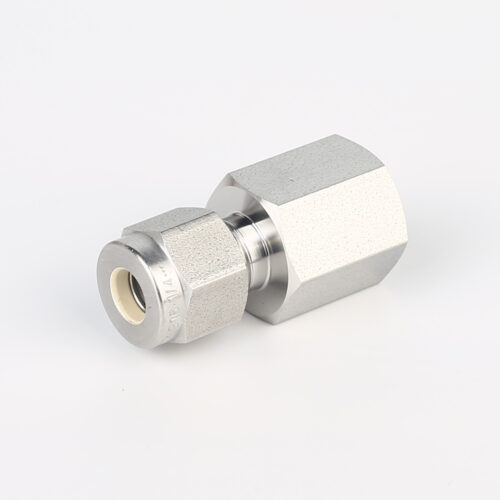
766L High Purity Female Connector UHP Fitting Female Connector
-
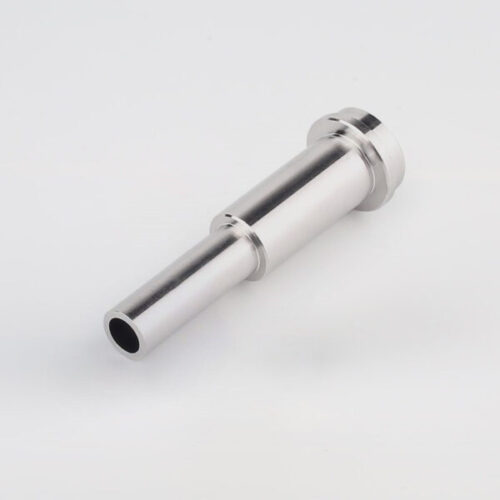
Long Gland LG Series For Ultra High Purity Gas And Chemical Delivery Systems
-
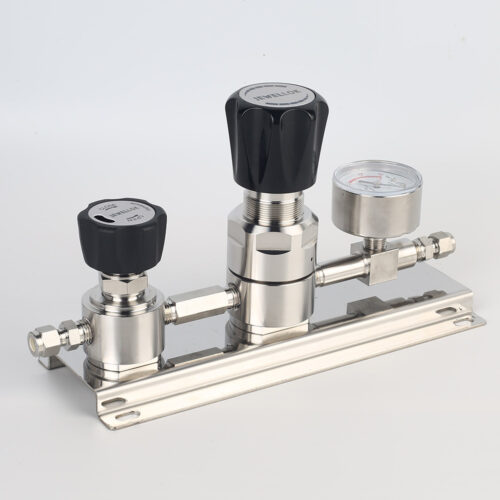
High Purity High Flow Pressure Control Regulators & Valves Gas Stick Assemblies JSR-2TG Series
-

Engineering Ultra-High Purity Fluid Control Liquid Chemical Delivery Module (CDM) And Chemical Delivery System (CDS) for Pharmaceutical Grade Applications
-
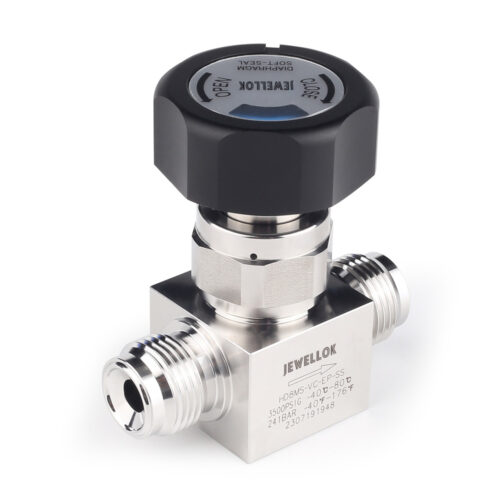
Stainless Steel Ultra High Purity (UHP) High Pressure Manual Diaphragm Valve
-
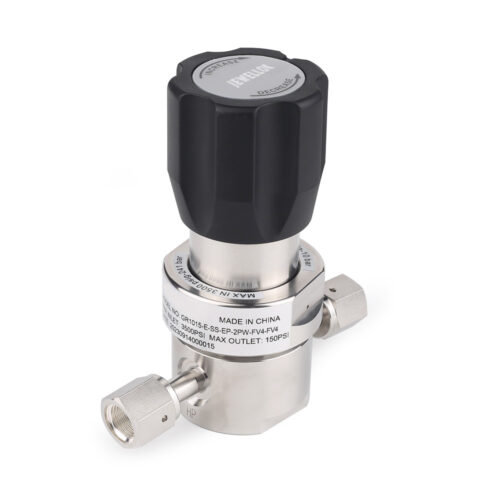
Specialty Gas Valves Ultra High Purity Gas Valves Ultra High Purity Gas Cylinder Valves UHP Cylinder Valve Ultra High Purity Gas Regulator
-
JR1000 Series UHP Ultra High Purity Single Stage Pressure Reducing Regulator And Low To Intermediate Flow
-

Organic Chemical Automatic Liquid Supply System Chemical Delivery And Waste Collection Systems CDS And CDM