
Valves Manufacturer Tel: +86 13380377051
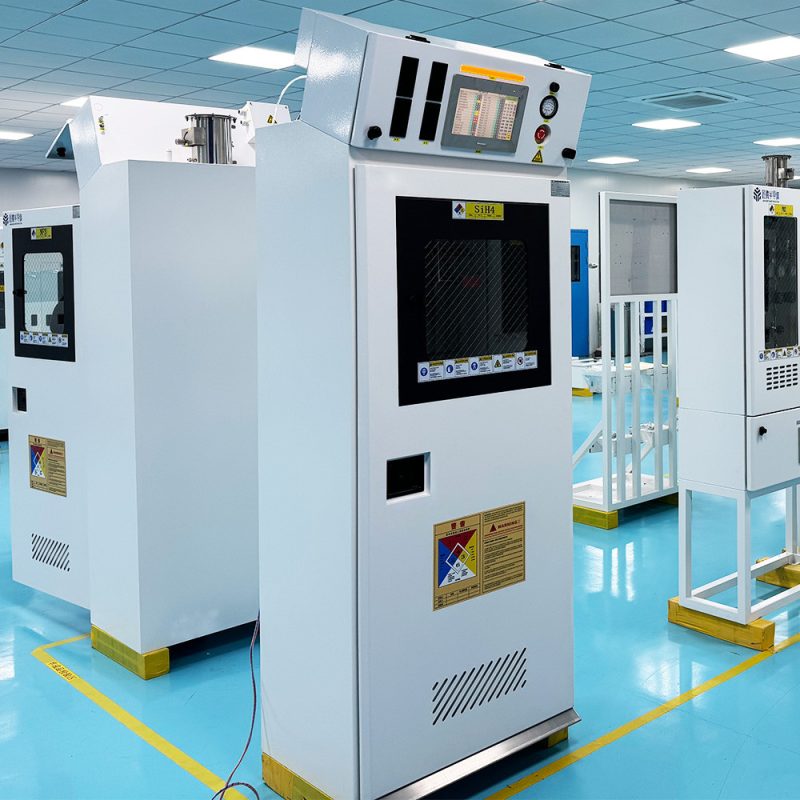
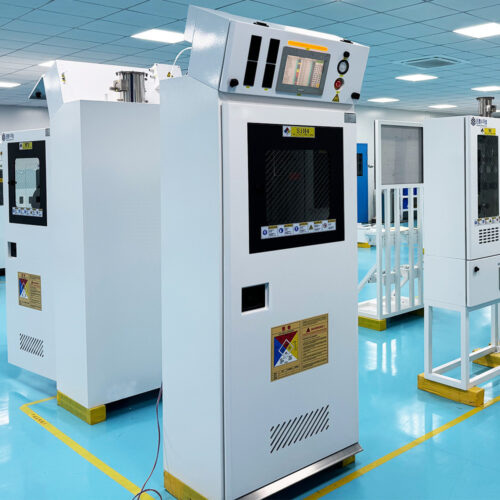
Advanced Chemical Dispense Unit for Semiconductor Chemical Blending and Distribution
Introduction
As semiconductor manufacturing continues to evolve toward smaller process nodes, higher wafer yields, and stricter contamination control requirements, chemical management has become one of the most critical factors affecting fabrication quality. Ultra-high purity chemicals are used throughout wafer fabrication processes, including photolithography, wet etching, cleaning, chemical mechanical planarization (CMP), and advanced packaging. Even minimal contamination, inaccurate chemical concentration, or unstable flow rates can significantly reduce production yield and increase manufacturing costs.
To meet these demanding requirements, modern semiconductor facilities increasingly rely on advancedChemical Dispense Units that integrate chemical storage, blending, dilution, filtration, monitoring, and automated dispensing into a highly controlled system. These intelligent chemical delivery platforms ensure precise chemical preparation while maintaining the highest standards of purity, safety, repeatability, and process consistency.
This article explores the working principles, system architecture, key technologies, applications, and future development trends of advanced Chemical Dispense Units designed for semiconductor chemical blending and distribution.
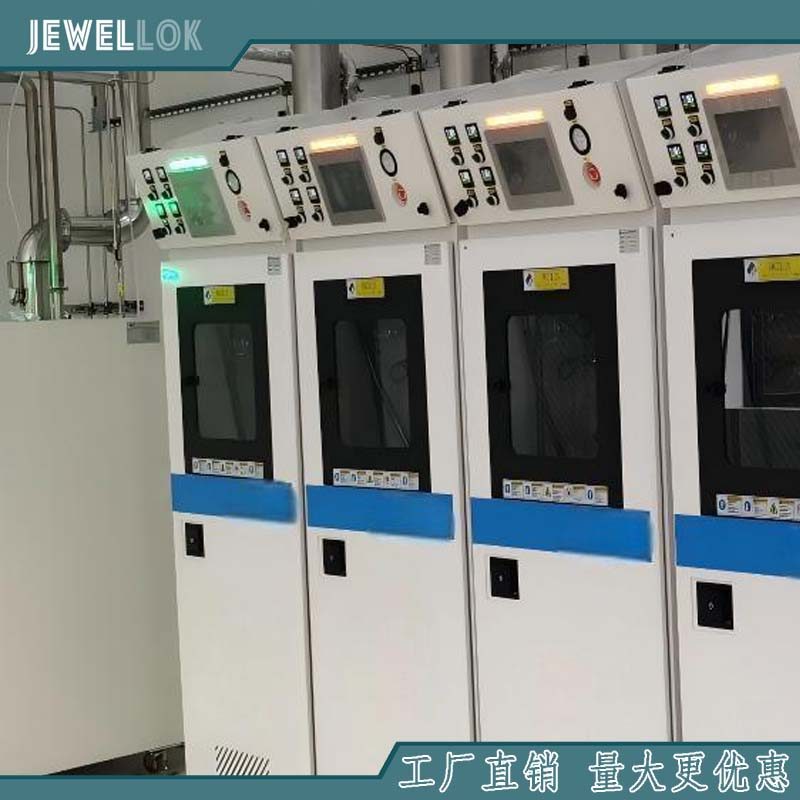
What is a Chemical Dispense Unit (CDU)?
A Chemical Dispense Unit (CDU) is an automated chemical delivery system specifically engineered to prepare, manage, and distribute high-purity chemicals used in semiconductor manufacturing processes.
Rather than simply transferring chemicals from storage tanks to process tools, modern CDUs perform multiple critical functions, including:
- Chemical receiving and storage
- Automatic blending of concentrated chemicals
- Precision dilution with ultra-pure water (UPW)
- Continuous circulation
- High-purity filtration
- Degassing
- Temperature control
- Pressure regulation
- Real-time concentration monitoring
- Automated distribution to semiconductor equipment
The CDU acts as the central hub of the semiconductor chemical supply network, ensuring every production tool receives chemicals with identical purity, concentration, pressure, and flow characteristics.
Importance of Precise Chemical Blending
Semiconductor fabrication requires exceptional chemical consistency. Process deviations measured in only a few parts per million (ppm) may affect:
- Critical dimension (CD) control
- Surface roughness
- Film uniformity
- Etching selectivity
- Defect density
- Particle contamination
- Wafer yield
For example, chemicals such as:
- Hydrofluoric Acid (HF)
- Sulfuric Acid (H₂SO₄)
- Ammonium Hydroxide (NH₄OH)
- Hydrogen Peroxide (H₂O₂)
- Hydrochloric Acid (HCl)
- Tetramethylammonium Hydroxide (TMAH)
must be prepared at highly controlled concentrations before reaching production equipment.
Modern CDUs automatically blend concentrated chemicals with ultra-pure water according to programmable recipes while minimizing operator intervention and contamination risks.
Core Components of an Advanced Chemical Dispense Unit
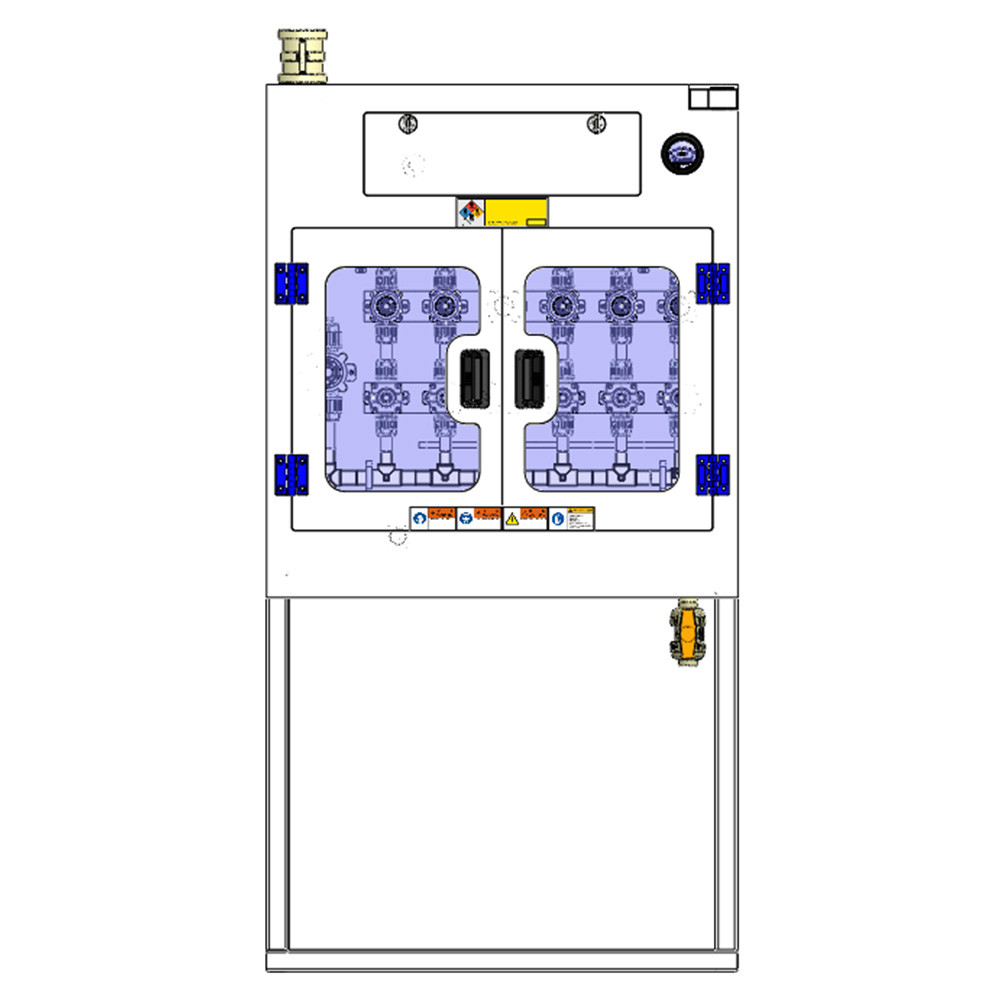
A high-performance CDU typically consists of several integrated subsystems working together.
1. Chemical Storage Module
High-purity storage tanks safely contain concentrated chemicals before processing.
Typical tank materials include:
- PFA
- PTFE
- PVDF
- HDPE
- Quartz (special applications)
These materials offer excellent corrosion resistance and extremely low extractable contaminants.
2. Automatic Chemical Blending System
The blending module precisely mixes multiple chemicals according to predefined recipes.
Advanced systems employ:
- Mass flow controllers
- High-accuracy flow meters
- Load cells
- Precision metering pumps
- Automated proportional valves
Recipe management software ensures repeatable chemical preparation with exceptional accuracy.
3. Ultra-Pure Water Integration
Most semiconductor chemicals require dilution using Ultra-Pure Water (UPW).
The CDU integrates directly with the UPW supply system to achieve consistent dilution ratios while maintaining ultra-low ionic contamination.
4. High-Purity Filtration
Particles are among the largest contamination sources in semiconductor manufacturing.
Multiple filtration stages commonly include:
- 0.2 μm filters
- 0.1 μm filters
- 0.05 μm membrane filters
- Final point-of-use filters
Continuous filtration removes particles generated during storage, transportation, or blending.
5. Chemical Circulation Loop
Continuous circulation prevents:
- Chemical settling
- Crystal formation
- Concentration stratification
- Temperature gradients
Uniform circulation maintains stable chemical quality throughout the distribution network.
6. Pressure Control System
Stable delivery pressure is essential for repeatable process performance.
Pressure control modules typically include:
- Pneumatic regulators
- Pressure transmitters
- Back-pressure regulators
- Automatic relief valves
These components maintain consistent outlet pressure regardless of varying equipment demand.
7. Temperature Control
Many semiconductor chemicals exhibit temperature-dependent properties.
Temperature regulation helps maintain:
- Chemical viscosity
- Reaction rate
- Solubility
- Concentration stability
Heating or cooling jackets are frequently integrated into storage tanks and delivery lines.
8. Intelligent PLC Control
Modern CDUs utilize industrial PLCs combined with Human Machine Interfaces (HMIs) for fully automated operation.
Typical control functions include:
- Recipe management
- Automatic valve sequencing
- Pump control
- Alarm management
- Batch recording
- Remote diagnostics
- Data logging
- User authorization
- Production reports
Integration with factory Manufacturing Execution Systems (MES) allows centralized process monitoring.
High-Purity Materials for Semiconductor Applications
Every wetted component inside the CDU must minimize contamination.
Common material selections include:
- PFA tubing
- PTFE valves
- PVDF piping
- Quartz flow cells
- Perfluoroelastomer (FFKM) seals
- High-purity diaphragm pumps
For metal-based systems, electropolished 316L stainless steel with ultra-low surface roughness is often used in compatible chemical applications.
Material compatibility is carefully evaluated for each chemical to prevent corrosion, ion leaching, and particle generation.
Automation Features
Modern Chemical Dispense Units incorporate Industry 4.0 technologies to improve manufacturing efficiency.
Typical automation features include:
- Automatic batch preparation
- Recipe scheduling
- Self-cleaning sequences
- Automatic flushing
- Leak detection
- Chemical inventory management
- Predictive maintenance
- Remote monitoring
- Digital twin integration
- AI-assisted process optimization
Automation significantly reduces operator errors while improving production consistency.
Safety Design
Semiconductor chemicals are often highly corrosive, toxic, or oxidizing.
Therefore, advanced CDUs include multiple safety protections.
Typical safety features include:
- Chemical leak sensors
- Double containment piping
- Emergency shutdown systems
- Gas detection
- Exhaust ventilation
- Overflow protection
- Pressure relief systems
- Secondary containment trays
- Fire-resistant cabinet design
- Chemical compatibility monitoring
Safety interlocks automatically stop chemical delivery whenever abnormal operating conditions are detected.
Typical Semiconductor Applications
Chemical Dispense Units support nearly every wet process within semiconductor fabrication.
Applications include:
Wet Cleaning
Preparation and delivery of SC-1, SC-2, HF, and other cleaning chemistries.
Photolithography
Accurate dispensing of photoresist developers and cleaning solutions.
Wet Etching
Controlled delivery of acid and alkaline etchants.
CMP (Chemical Mechanical Planarization)
Preparation of polishing slurries with consistent particle distribution and chemical concentration.
Wafer Rinse
Distribution of ultra-pure rinse chemicals for contamination-free cleaning.
Advanced Packaging
Chemical delivery for bumping, redistribution layers (RDL), wafer-level packaging (WLP), and advanced substrate processing.
Benefits of Advanced Chemical Dispense Units
Compared with manual chemical preparation, automated CDUs offer numerous advantages.
Improved Process Consistency
Automated recipes eliminate operator variability.
Higher Product Yield
Stable chemical quality reduces process defects and improves wafer yield.
Lower Chemical Consumption
Precision dispensing minimizes waste and optimizes chemical usage.
Enhanced Safety
Operators have minimal direct contact with hazardous chemicals.
Better Traceability
Every batch is digitally recorded for quality management and regulatory compliance.
Reduced Downtime
Automated monitoring detects abnormalities before production interruptions occur.
Easier Maintenance
Modular designs simplify component replacement and preventive maintenance.
Integration with Smart Semiconductor Factories
Today’s semiconductor fabs increasingly adopt smart manufacturing concepts.
Advanced CDUs communicate with:
- MES
- SCADA systems
- Factory automation platforms
- Environmental monitoring systems
- Chemical inventory software
Real-time production data enables predictive maintenance, process optimization, and complete chemical traceability throughout the manufacturing lifecycle.
Cloud connectivity also allows engineers to monitor system performance remotely while reducing maintenance response times.
Emerging Technology Trends
The next generation of Chemical Dispense Units is becoming increasingly intelligent.
Future innovations include:
AI-Based Process Optimization
Machine learning algorithms automatically adjust dispensing parameters based on historical production data.
Digital Twin Technology
Virtual CDU models simulate operating conditions before actual production changes are implemented.
Predictive Maintenance
Sensors continuously monitor pumps, valves, filters, and flow characteristics to predict component failures.
Advanced Inline Analytics
Real-time monitoring technologies measure:
- Concentration
- Conductivity
- pH
- Particle count
- Temperature
- Pressure
- Flow rate
These measurements allow immediate corrective actions before process deviations occur.
Fully Autonomous Chemical Management
Future systems will automatically:
- Schedule chemical replenishment
- Optimize inventory
- Balance chemical consumption
- Generate maintenance work orders
- Perform self-diagnostics
These capabilities further improve manufacturing efficiency while reducing operational costs.
Selecting the Right Chemical Dispense Unit
When choosing a CDU for semiconductor production, manufacturers should evaluate:
- Chemical compatibility
- Required purity level
- Flow rate range
- Dispensing accuracy
- Blending precision
- Automation capability
- Material certification
- Safety compliance
- Cleanroom compatibility
- Expandability for future production needs
A modular system architecture allows easy upgrades as semiconductor process technologies continue to advance.
Conclusion
As semiconductor devices become increasingly sophisticated, the demand for precise chemical preparation and contamination-free delivery continues to grow. An advanced Chemical Dispense Unit has evolved far beyond a simple chemical transfer system into a highly integrated platform that combines automated blending, intelligent monitoring, precision dispensing, and comprehensive safety management.
By incorporating high-purity materials, advanced automation, real-time process control, and Industry 4.0 connectivity, modern CDUs significantly enhance manufacturing consistency, improve wafer yield, reduce chemical waste, and ensure operator safety. Whether supporting wafer cleaning, photolithography, wet etching, CMP, or advanced packaging, these systems play a vital role in achieving stable and repeatable semiconductor production.
As artificial intelligence, predictive analytics, digital twins, and smart factory technologies continue to mature, the next generation of Chemical Dispense Units will become even more autonomous, efficient, and data-driven. Investing in advanced semiconductor chemical blending and distribution solutions is therefore not only essential for maintaining product quality today but also for enabling the high-volume, high-precision manufacturing environments of the future.
For more about advanced chemical dispense unit for semiconductor chemical blending and distribution, you can pay a visit to Jewellok at https://www.jewellok.com/product-category/chemical-delivery-system/ for more info.
-

Organic Chemical Automatic Liquid Supply System Chemical Delivery And Waste Collection Systems CDS And CDM
-
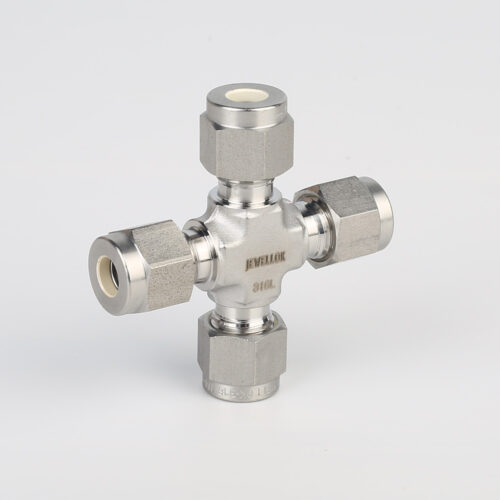
7102L Stainless Steel 316L SS Union Cross Ultra High Purity Long Arm Union Elbow Tee Cross Butt Weld Fittings
-
Laboratory Gas Pipeline System With 316L VIM-VAR Stainless Steel Pipeline And Ultra High Purity Gas Delivery System
-
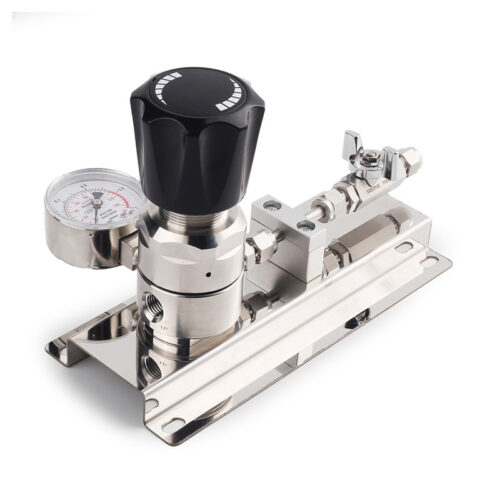
Buy Cleanroom Certified Ultra High Purity Gas Valve Equipment Designed For Advanced Solar Lines
-
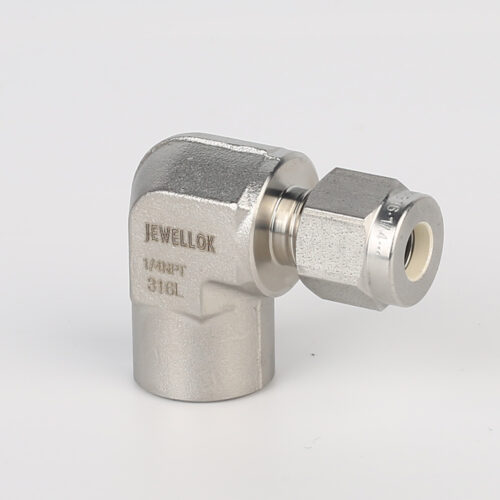
770L Female Elbow | Stainless Steel High Purity Weld Fittings Female Micro Elbow Fittings
-
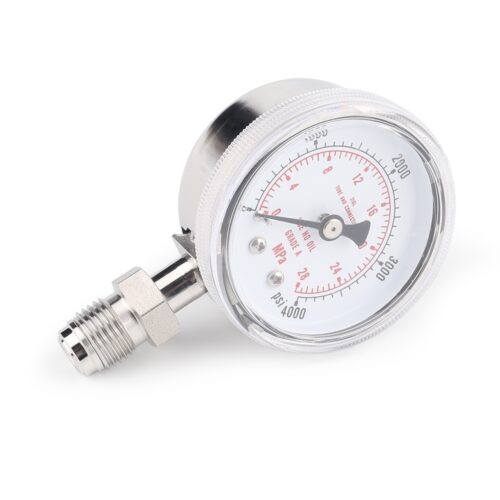
Ultra High Purity Oxygen Pressure Gauge For Semiconductor Gases JG Series Pressure Instruments For Semiconductor Manufacturing
-
Stainless Steel High-Purity High Temperature Metal Seated Ball Valves JBV3 Series
-
316L Vim Var Stainless Steel Ultra High Purity Diaphragm Valve Options For Semiconductor Gas Distribution Systems