
Valves Manufacturer Tel: +86 13380377051
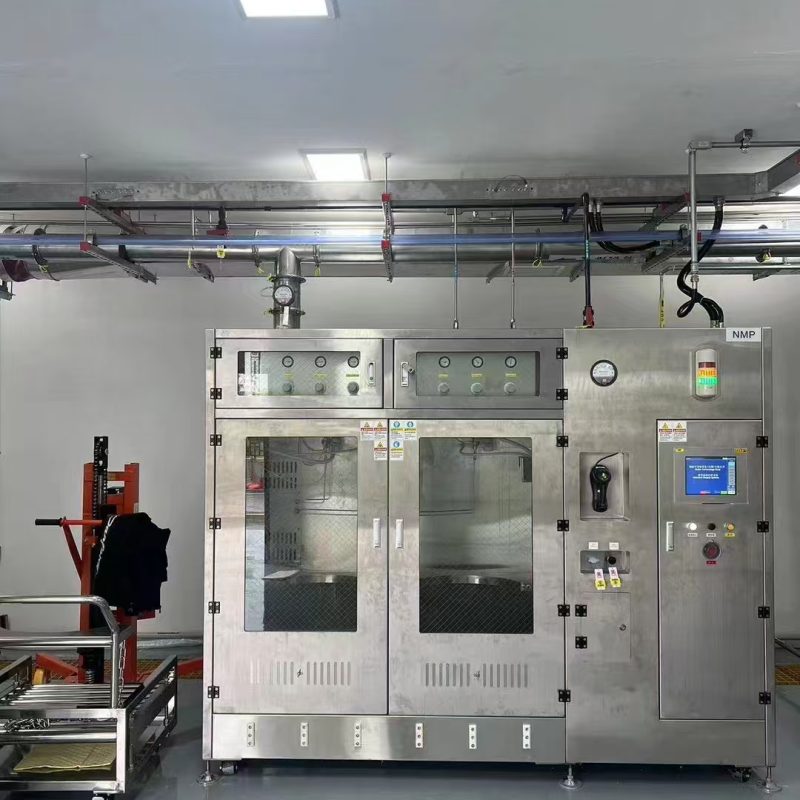
How Industry 4.0 Is Transforming the Monitoring and Control of Corrosive Gas Valves
Introduction
Corrosive gases play a critical role in numerous industrial processes, particularly in semiconductor manufacturing, chemical processing, photovoltaic production, pharmaceutical manufacturing, and specialty gas distribution systems. These gases, including chlorine (Cl₂), hydrogen chloride (HCl), hydrogen fluoride (HF), ammonia (NH₃), sulfur dioxide (SO₂), and various toxic process gases, require highly reliable valve systems to ensure safe and precise flow control.
Traditional corrosive gas valve management has long relied on periodic inspections, manual monitoring, and reactive maintenance strategies. However, the rise of Industry 4.0 is fundamentally changing how industrial facilities monitor, control, and maintain corrosive gas valves. Through the integration of Industrial Internet of Things (IIoT), artificial intelligence (AI), cloud computing, digital twins, and advanced sensor technologies, manufacturers can now achieve unprecedented levels of safety, efficiency, and operational reliability.
This article explores how Industry 4.0 technologies are revolutionizing the monitoring and control of corrosive gas valves and what benefits these innovations bring to modern industrial gas delivery systems.
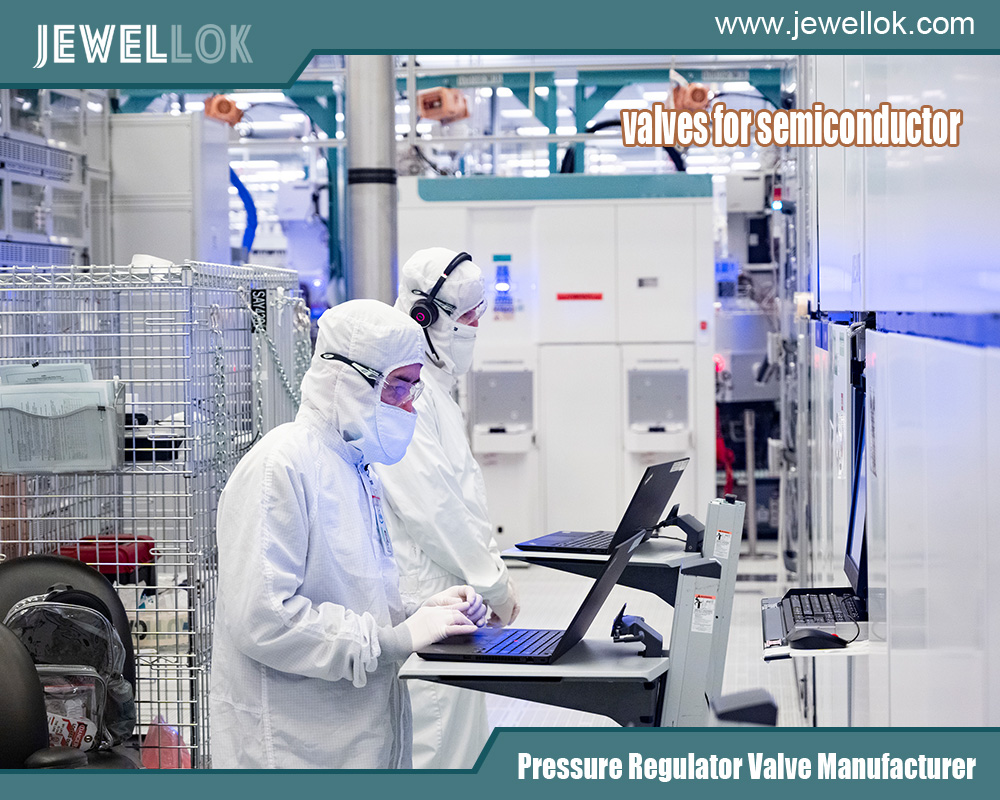
Understanding the Challenges of Corrosive Gas Valve Management
Corrosive gas valves operate in some of the harshest industrial environments. Unlike standard process valves, these components are constantly exposed to aggressive chemicals that can degrade materials, damage sealing surfaces, and affect operational performance.
Several challenges commonly affect corrosive gas valve systems:
- Internal corrosion and material degradation
- Seal wear and leakage risks
- Valve seat erosion
- Pressure fluctuations
- Flow instability
- Unexpected equipment failures
- Safety and environmental compliance concerns
In industries such as semiconductor manufacturing, even microscopic leakage from a valve can contaminate cleanroom environments, damage wafers, or create serious safety hazards. As production facilities become increasingly automated and interconnected, traditional maintenance approaches are no longer sufficient.
Industry 4.0 provides a smarter alternative by enabling real-time visibility and predictive control throughout the valve lifecycle.
The Role of IIoT in Smart Valve Monitoring
The Industrial Internet of Things (IIoT) forms the foundation of Industry 4.0-enabled valve management.
Modern corrosive gas valves can now be equipped with intelligent sensors capable of continuously collecting operational data, including:
- Pressure levels
- Temperature readings
- Flow rates
- Valve position
- Actuation cycles
- Vibration patterns
- Leak detection signals
- Gas concentration measurements
These sensors communicate with centralized monitoring systems through industrial communication protocols such as:
- Ethernet/IP
- PROFINET
- Modbus TCP
- OPC UA
- EtherCAT
Instead of relying on manual inspections, plant operators can monitor valve health and process conditions in real time.
For example, a diaphragm valve installed in an ultra-high purity (UHP) gas delivery system can transmit continuous performance data to a supervisory control system. Any abnormal pressure drop or unusual actuation behavior can be immediately detected and analyzed before it develops into a critical failure.
This real-time visibility significantly improves operational safety while reducing downtime.
Predictive Maintenance Through Artificial Intelligence
One of the most significant Industry 4.0 advancements is predictive maintenance.
Traditionally, corrosive gas valves were maintained according to fixed schedules. While preventive maintenance reduces failure risks, it often results in unnecessary service interventions or unexpected breakdowns between inspection intervals.
Artificial intelligence changes this approach.
Machine learning algorithms analyze historical and real-time valve data to identify patterns associated with wear, corrosion, and performance degradation.
AI systems can evaluate:
- Valve cycle counts
- Actuator response times
- Internal pressure behavior
- Temperature fluctuations
- Leak trends
- Material degradation indicators
Based on these parameters, the system can accurately predict when a valve is approaching failure.
Instead of replacing components too early or too late, maintenance teams receive precise recommendations regarding:
- Valve inspection schedules
- Seal replacement timing
- Actuator servicing requirements
- Complete valve replacement planning
This predictive capability minimizes maintenance costs while maximizing system reliability.
For semiconductor gas cabinets and chemical delivery systems, predictive maintenance significantly reduces the risk of production interruptions caused by unexpected valve failures.
Digital Twin Technology for Valve Performance Optimization
Digital twin technology is another powerful Industry 4.0 innovation transforming corrosive gas valve management.
A digital twin is a virtual representation of a physical valve that continuously receives operational data from the actual equipment.
By combining sensor information, engineering specifications, and historical performance records, the digital twin can simulate valve behavior under various operating conditions.
Engineers can use digital twins to:
- Evaluate valve performance
- Predict component wear
- Analyze corrosion progression
- Optimize operating parameters
- Simulate emergency scenarios
- Improve maintenance planning
For example, a semiconductor fabrication facility may use digital twins to model how a corrosive gas valve responds to changing process pressures or temperature variations.
Potential issues can be identified and corrected in the virtual environment before affecting actual production operations.
This capability reduces operational risk while improving overall system efficiency.
Advanced Leak Detection and Safety Monitoring
Safety remains the highest priority when handling corrosive and toxic gases.
Industry 4.0 technologies have dramatically improved leak detection capabilities through intelligent monitoring systems.
Modern gas valve installations often integrate:
- Laser-based gas detection sensors
- Electrochemical sensors
- Infrared gas analyzers
- Acoustic leak detection systems
- Distributed sensor networks
These devices continuously monitor valve performance and surrounding environments for signs of gas leakage.
When abnormal conditions are detected, automated control systems can instantly:
- Close isolation valves
- Activate emergency shutdown procedures
- Trigger ventilation systems
- Alert plant personnel
- Notify remote monitoring centers
Because Industry 4.0 systems operate in real time, response times are significantly faster than traditional manual methods.
This rapid reaction capability helps prevent workplace accidents, environmental incidents, and costly production losses.
Remote Monitoring and Centralized Control
Another major advantage of Industry 4.0 is remote accessibility.
Previously, engineers had to physically inspect valve systems across multiple facilities or production lines. Today, cloud-based platforms allow authorized personnel to monitor and manage corrosive gas valves from virtually anywhere.
Remote monitoring systems provide access to:
- Live operational data
- Alarm notifications
- Maintenance records
- Historical performance trends
- Asset management dashboards
Plant managers can view the status of thousands of valves across multiple sites through a single centralized platform.
This level of visibility supports faster decision-making and more efficient resource allocation.
For multinational semiconductor manufacturers operating multiple fabrication plants, centralized valve monitoring improves consistency, standardization, and regulatory compliance across global operations.
Smart Actuators and Automated Process Control
Industry 4.0 has also accelerated the adoption of intelligent valve actuators.
Unlike conventional pneumatic or manual actuators, smart actuators incorporate:
- Embedded microprocessors
- Position sensors
- Self-diagnostic capabilities
- Communication interfaces
These devices enable highly accurate valve positioning and automated process control.
When integrated with advanced process control systems, smart valves can automatically adjust flow rates based on changing operating conditions.
Benefits include:
- Improved process stability
- Enhanced gas flow precision
- Reduced chemical consumption
- Lower energy usage
- Increased production efficiency
In semiconductor manufacturing environments, where process accuracy is measured in parts per billion, intelligent valve control contributes directly to product quality and yield improvement.
Data Analytics for Asset Lifecycle Management
The large volume of operational data generated by Industry 4.0 systems creates valuable opportunities for advanced analytics.
Data analytics platforms can evaluate long-term valve performance trends and identify factors influencing equipment lifespan.
Key metrics often analyzed include:
- Mean time between failures (MTBF)
- Maintenance frequency
- Corrosion rates
- Operating conditions
- Valve utilization patterns
By understanding how specific process variables affect valve longevity, organizations can optimize equipment selection and maintenance strategies.
For example, analytics may reveal that certain corrosive gas applications require upgraded diaphragm materials or enhanced surface treatments to achieve longer service life.
These insights support more informed investment decisions and reduce total ownership costs.
Cybersecurity Considerations in Connected Valve Systems
As corrosive gas valve systems become increasingly connected, cybersecurity becomes a critical consideration.
Industry 4.0 infrastructures must protect operational technology (OT) networks from unauthorized access and cyber threats.
Best practices include:
- Network segmentation
- Multi-factor authentication
- Encrypted communications
- Secure firmware updates
- Continuous security monitoring
- Access control management
Protecting valve control systems is especially important in semiconductor, pharmaceutical, and chemical facilities where process disruptions can have significant safety and financial consequences.
A comprehensive cybersecurity strategy ensures the reliability and integrity of smart valve operations.
Future Trends in Corrosive Gas Valve Technology
The future of corrosive gas valve monitoring and control will continue to evolve as Industry 4.0 technologies mature.
Emerging trends include:
- AI-driven autonomous maintenance systems
- Edge computing for faster decision-making
- 5G-enabled industrial connectivity
- Self-diagnosing valve platforms
- Advanced corrosion prediction models
- Digital twin-based lifecycle optimization
- Fully autonomous gas delivery systems
Manufacturers are increasingly developing intelligent valves capable of self-monitoring, self-calibration, and self-reporting. These innovations will further improve safety, reliability, and operational efficiency.
As industrial processes become more complex, smart valve technologies will play an increasingly important role in maintaining production continuity and regulatory compliance.
Conclusion
Industry 4.0 is fundamentally transforming the way corrosive gas valves are monitored, controlled, and maintained. Through the integration of IIoT sensors, artificial intelligence, digital twins, smart actuators, cloud-based monitoring platforms, and advanced analytics, industrial facilities can achieve higher levels of safety, efficiency, and reliability than ever before.
Real-time monitoring enables immediate visibility into valve performance, while predictive maintenance minimizes unexpected failures and reduces operational costs. Digital twin technology allows engineers to optimize valve behavior before issues occur, and advanced leak detection systems significantly enhance workplace safety.
For industries that rely on corrosive gas handling—such as semiconductor manufacturing, chemical processing, pharmaceuticals, and specialty gas distribution—the adoption of Industry 4.0 technologies is no longer optional. It has become a strategic necessity for maintaining competitiveness, improving operational excellence, and ensuring long-term sustainability in an increasingly digital industrial landscape.
For more about how industry 4.0 is transforming the monitoring and control of corrosive gas valves, you can pay a visit to Jewellok at https://www.jewellok.com/product-category/chemical-delivery-system/ for more info.
-
High Purity High Pressure Specialty Gas Pressure Regulators Specialty Gases Pipeline Engineering Equipments Manufacturer And Supplier
-
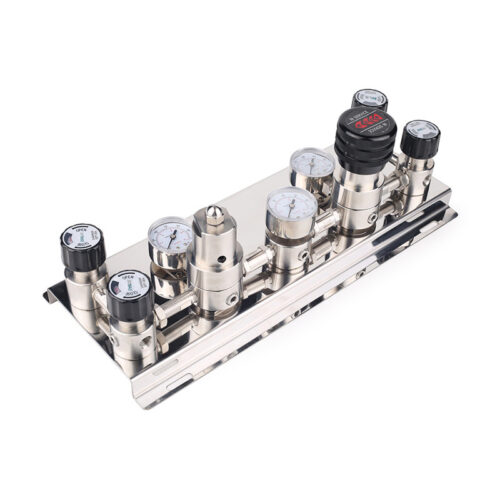
Automatic Gas Switchover System Automatic Switchover Manifold Automatic Gas Cylinder Switchover
-

UHP Liquid Chemical Delivery System (CDS) Implementation for High-Volume Photovoltaic and Renewable Energy Component Production Lines
-
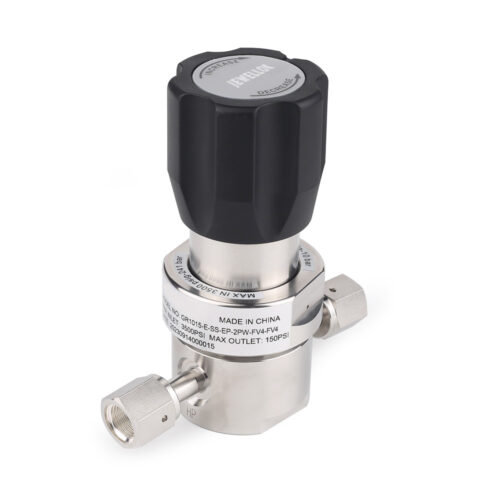
Premium Grade Ultra High Purity Gas Valve Solutions Sourced Directly from China for Critical Semiconductor and Advanced Photovoltaic Gas Distribution Lines
-
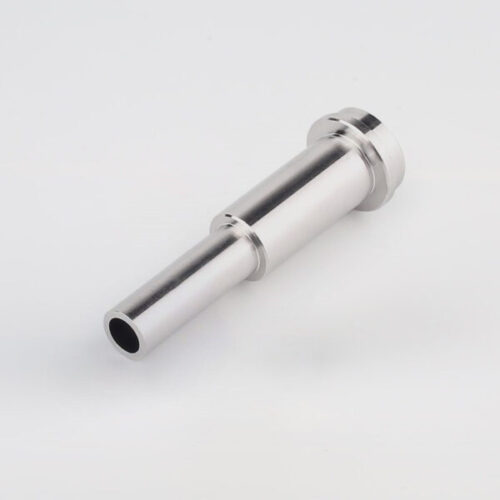
Long Gland LG Series For Ultra High Purity Gas And Chemical Delivery Systems
-
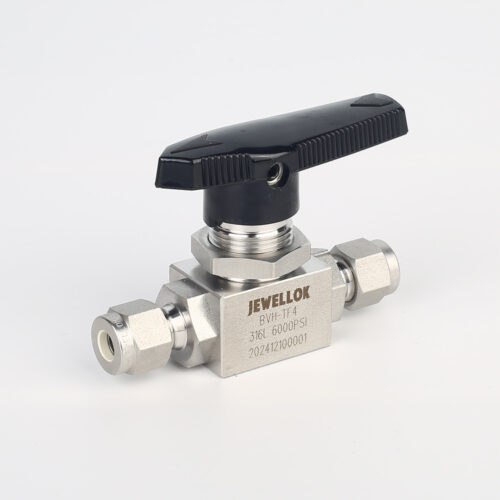
High Purity High Pressure 316 Stainless Steel Ball Valves JBV1 Series From High Pressure Ball Valve Manufacturer And Supplier In China
-
Ultra High Purity Gas Delivery Systems And Liquid Chemical Delivery Systems JW-300-LDS
-
Ultra High Purity Pressure Gauge For Laboratory And Semiconductor JR Series