
Valves Manufacturer Tel: +86 13380377051
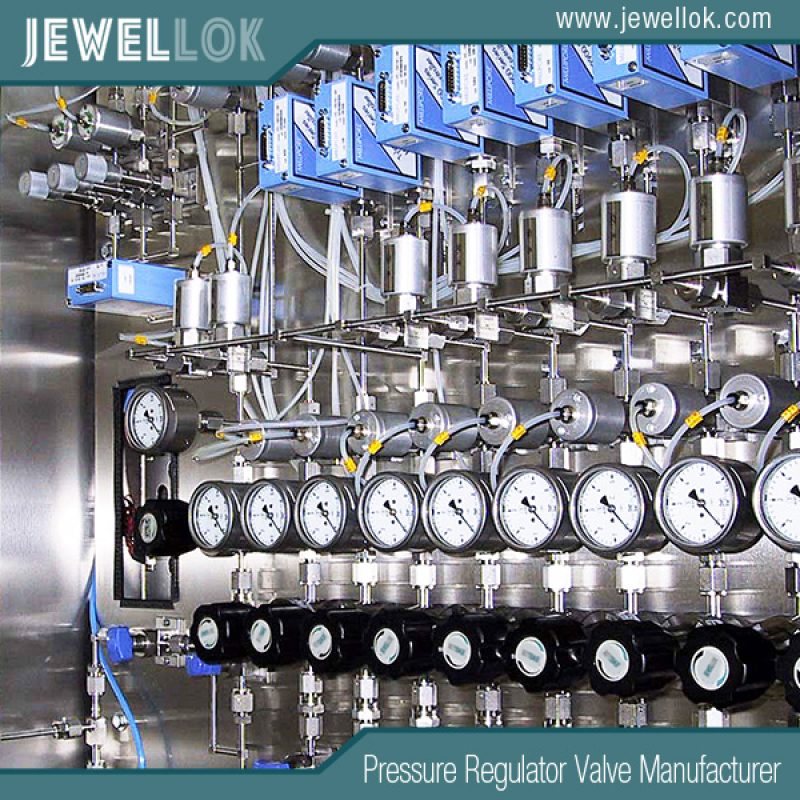
Integration of Chemical Delivery Modules with Automated Process Equipment
As semiconductor manufacturing, pharmaceutical production, advanced materials processing, and precision chemical industries continue to evolve, the demand for highly automated, safe, and efficient chemical management systems has increased significantly. Modern manufacturing facilities require precise control of chemical supply, accurate dosing, contamination prevention, and seamless communication between process equipment and facility infrastructure.
Chemical Delivery Modules (CDMs) have become a critical component in achieving these objectives. By integrating chemical delivery modules with automated process equipment, manufacturers can improve production efficiency, reduce chemical waste, enhance operator safety, and ensure consistent process quality. This integration represents a key step toward fully automated smart manufacturing environments that support Industry 4.0 initiatives.
This article explores the architecture, benefits, design considerations, and future trends associated with the integration of chemical delivery modules and automated process equipment.
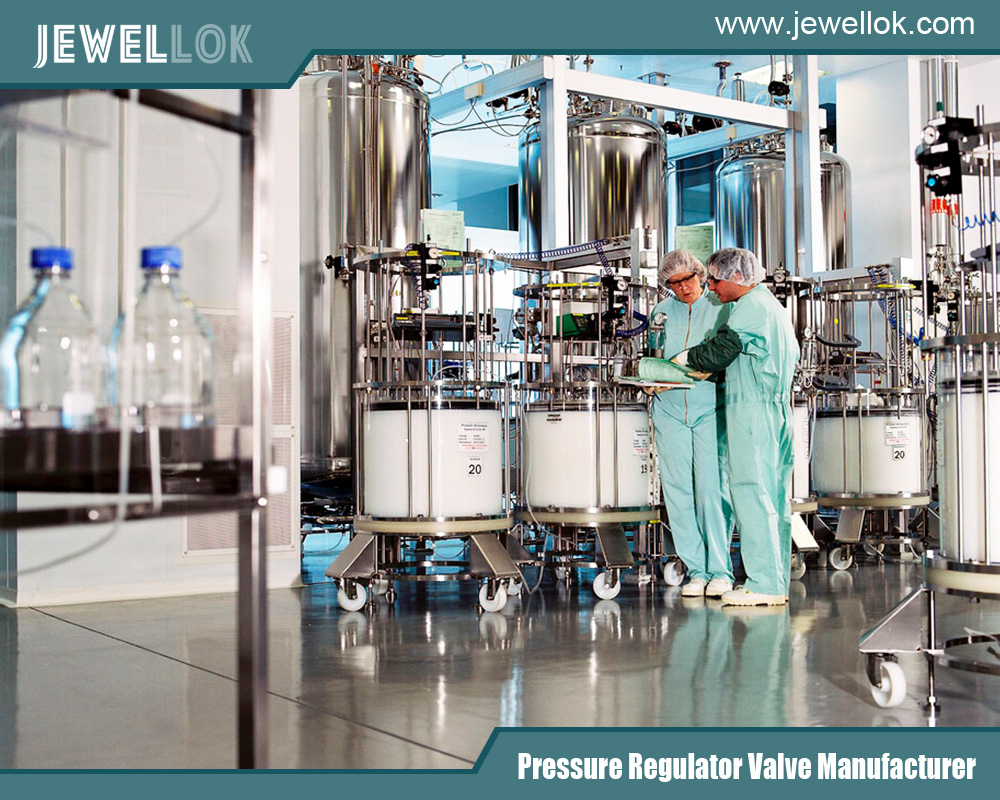
Understanding Chemical Delivery Modules
A Chemical Delivery Module is a specialized system designed to store, transfer, filter, monitor, and deliver chemicals to production equipment under controlled conditions. These modules are commonly used in industries that require high-purity chemicals, including semiconductor fabrication, photovoltaic manufacturing, pharmaceutical processing, and specialty chemical production.
A typical chemical delivery module consists of:
- Chemical storage tanks
- Pumps and dosing systems
- Filtration units
- Pressure control components
- Flow meters
- Sensors and analyzers
- Valve manifolds
- Programmable Logic Controllers (PLCs)
- Human-Machine Interfaces (HMIs)
- Safety interlock systems
The primary purpose of the module is to ensure that chemicals are delivered at the correct pressure, flow rate, temperature, and purity level required by downstream process equipment.
The Need for Integration
Traditional manufacturing facilities often operated chemical supply systems independently from production equipment. Operators manually monitored chemical levels, adjusted flow rates, and responded to alarms. While functional, this approach introduced several challenges:
- Human error
- Production delays
- Inconsistent chemical delivery
- Increased labor costs
- Limited process visibility
- Higher safety risks
With increasing demands for precision and productivity, manufacturers have shifted toward integrated automation solutions where chemical delivery modules communicate directly with process tools.
Integration allows real-time data exchange, automatic process adjustments, predictive maintenance, and centralized control, creating a more reliable and efficient production environment.
Architecture of Integrated Systems
An integrated chemical delivery system typically consists of three major layers:
Field Device Layer
This layer includes physical hardware components such as:
- Pumps
- Diaphragm valves
- Pressure regulators
- Flow controllers
- Level sensors
- Temperature sensors
- Leak detection systems
These devices collect operational data and execute control commands generated by higher-level automation systems.
Control Layer
The control layer typically utilizes:
- PLCs
- Distributed Control Systems (DCS)
- Industrial PCs
- Safety PLCs
This layer performs logic control, process sequencing, alarm management, and equipment coordination.
The PLC continuously monitors sensor signals and adjusts pump speeds, valve positions, and flow control devices to maintain optimal chemical delivery conditions.
Supervisory Layer
The supervisory layer includes:
- SCADA systems
- Manufacturing Execution Systems (MES)
- Facility monitoring platforms
- Data historians
These systems provide operators with real-time visibility into chemical consumption, equipment status, alarm conditions, and production performance.
Integration between the supervisory layer and chemical delivery modules enables enterprise-wide process optimization and traceability.
Communication Protocols for Integration
Reliable communication is essential for successful integration between chemical delivery modules and automated process equipment.
Common industrial communication protocols include:
EtherNet/IP
EtherNet/IP provides high-speed communication between PLCs, sensors, drives, and process equipment. It is widely used in semiconductor and industrial manufacturing environments.
PROFINET
PROFINET supports deterministic communication and real-time control applications, making it suitable for complex chemical handling systems.
Modbus TCP/IP
Modbus remains one of the most widely adopted protocols due to its simplicity and compatibility with a wide range of devices.
OPC UA
OPC UA has become increasingly important for Industry 4.0 applications. It enables secure, platform-independent communication between equipment, MES systems, and cloud-based analytics platforms.
By utilizing standardized communication protocols, manufacturers can simplify equipment integration and improve interoperability among different vendors.
Benefits of Integrated Chemical Delivery Systems
Enhanced Process Consistency
Many advanced manufacturing processes require extremely precise chemical delivery parameters.
Even minor variations in:
- Chemical concentration
- Flow rate
- Pressure
- Temperature
can impact product quality.
Integrated systems continuously monitor these parameters and automatically make adjustments to maintain process stability. This results in improved yield and reduced defect rates.
Improved Safety
Chemical handling presents significant safety risks, especially when working with:
- Corrosive chemicals
- Toxic substances
- Flammable liquids
- Reactive compounds
Integrated automation systems enhance safety through:
- Automatic leak detection
- Emergency shutdown sequences
- Pressure monitoring
- Overfill protection
- Chemical compatibility monitoring
When abnormal conditions are detected, the system can immediately isolate affected sections and notify operators.
Reduced Chemical Waste
Chemical waste directly impacts operating costs and environmental compliance.
Integrated delivery systems optimize chemical usage by:
- Precise dosing control
- Automatic inventory management
- Consumption tracking
- Process recipe management
Manufacturers can significantly reduce overconsumption while maintaining process quality.
Increased Equipment Uptime
Unplanned downtime can be extremely costly in industries such as semiconductor manufacturing.
Integrated systems support predictive maintenance by monitoring:
- Pump performance
- Filter differential pressure
- Valve cycle counts
- Sensor health
- Flow stability
Maintenance teams can identify potential failures before they impact production.
Improved Traceability
Regulated industries often require complete process documentation.
Integrated systems automatically record:
- Chemical batch information
- Delivery parameters
- Alarm history
- Operator actions
- Maintenance activities
This data supports quality assurance programs and regulatory compliance requirements.
Application in Semiconductor Manufacturing
Semiconductor fabrication facilities are among the most demanding environments for chemical delivery integration.
Numerous process steps require ultra-high-purity chemicals, including:
- Wet etching
- Cleaning
- Chemical Mechanical Planarization (CMP)
- Photolithography
- Surface treatment
Chemical delivery modules must supply acids, solvents, developers, and specialty chemicals with exceptional precision.
Integrated systems communicate directly with process tools to:
- Verify chemical availability
- Confirm process readiness
- Execute recipe-based dosing
- Monitor consumption
- Generate process reports
Automation ensures consistent wafer processing while minimizing contamination risks.
Application in Pharmaceutical Manufacturing
Pharmaceutical facilities require strict control over chemical and liquid handling processes.
Integrated chemical delivery systems support:
- Batch production
- Clean-in-Place (CIP)
- Sterilize-in-Place (SIP)
- Buffer preparation
- Active ingredient processing
Automation improves product consistency while supporting regulatory requirements such as Good Manufacturing Practice (GMP).
Electronic records generated by integrated systems simplify validation and audit procedures.
Design Considerations
Chemical Compatibility
Material selection is critical.
Common wetted materials include:
- 316L stainless steel
- PTFE
- PFA
- PVDF
- Hastelloy
Engineers must ensure compatibility with all process chemicals to prevent corrosion and contamination.
Purity Requirements
High-purity applications require specialized design features such as:
- Electropolished tubing
- Dead-leg-free flow paths
- High-purity diaphragm valves
- Particle-free filtration systems
Maintaining chemical purity is essential for sensitive manufacturing processes.
Redundancy
Many facilities incorporate redundant components to improve reliability.
Examples include:
- Dual pumps
- Backup controllers
- Redundant sensors
- Secondary communication networks
Redundancy minimizes production interruptions during maintenance or equipment failures.
Scalability
Modern manufacturing facilities frequently expand production capacity.
Chemical delivery modules should be designed with scalability in mind, allowing additional tanks, pumps, and process tools to be integrated without major redesigns.
Industry 4.0 and Smart Manufacturing
The integration of chemical delivery modules with automated equipment plays a key role in Industry 4.0 initiatives.
Advanced systems now incorporate:
- Industrial Internet of Things (IIoT)
- Artificial Intelligence (AI)
- Machine Learning (ML)
- Cloud analytics
- Digital twins
These technologies enable real-time optimization and intelligent decision-making.
For example, AI algorithms can analyze historical consumption patterns and predict future chemical demand, helping facilities optimize inventory levels and reduce operational costs.
Digital twin technology allows engineers to simulate process changes before implementation, reducing commissioning risks and improving system performance.
Cybersecurity Considerations
As chemical delivery systems become increasingly connected, cybersecurity becomes a critical concern.
Potential risks include:
- Unauthorized access
- Data manipulation
- Production disruptions
- Safety system compromise
Manufacturers should implement:
- Network segmentation
- User authentication
- Role-based access control
- Encrypted communications
- Continuous monitoring
A comprehensive cybersecurity strategy protects both production assets and sensitive process data.
Future Trends
Several emerging trends are shaping the future of chemical delivery system integration.
Autonomous Chemical Management
Future systems will automatically manage inventory, schedule deliveries, and optimize consumption without human intervention.
Advanced Analytics
Real-time analytics platforms will provide deeper insights into process performance and equipment health.
Edge Computing
Edge devices will process data locally, reducing latency and improving response times for critical control functions.
Sustainable Manufacturing
Integrated systems will help manufacturers reduce environmental impact through:
- Lower chemical consumption
- Reduced waste generation
- Improved energy efficiency
- Enhanced recycling capabilities
Fully Connected Smart Factories
Chemical delivery modules will become fully integrated components of digital manufacturing ecosystems, enabling end-to-end process visibility and control.
Conclusion
The integration of chemical delivery modules with automated process equipment has become a fundamental requirement for modern manufacturing facilities. By enabling real-time communication, precise process control, enhanced safety, and comprehensive data management, integrated systems significantly improve operational efficiency and product quality.
Industries such as semiconductor manufacturing, pharmaceuticals, specialty chemicals, and advanced materials increasingly rely on these sophisticated solutions to meet demanding production requirements. As Industry 4.0 technologies continue to evolve, the integration of chemical delivery systems with intelligent automation platforms will play an even greater role in driving productivity, sustainability, and manufacturing excellence.
Organizations that invest in advanced, integrated chemical delivery infrastructure today will be better positioned to compete in the highly automated and data-driven factories of the future.
For more about integration of chemical delivery modules with automated process equipment, you can pay a visit to Jewellok at https://www.jewellok.com/product-category/chemical-delivery-system/ for more info.
-
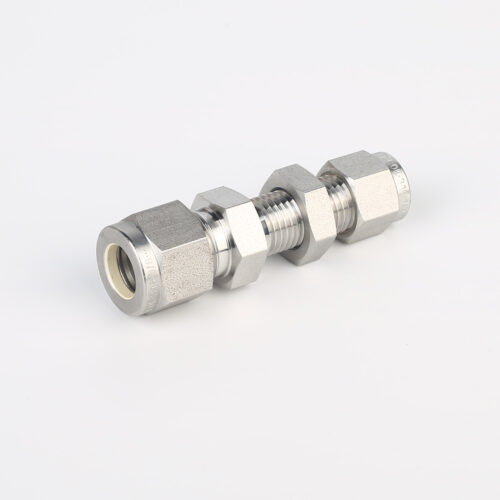
775L Bulkhead Reducing Union | Stainless Steel High Purity Double Ferrule Bulkhead Reducing Unions
-
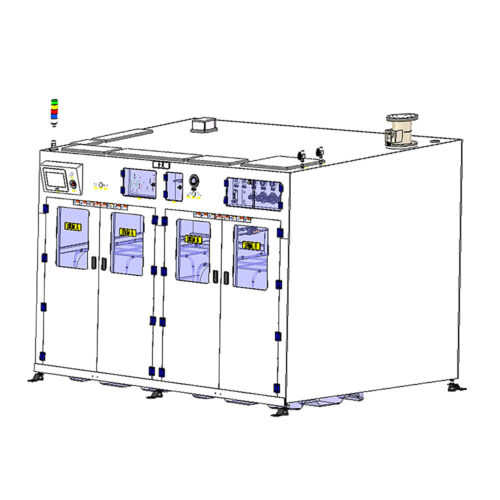
Scrubber Gas Cabinet Scrubber Tail Gas Treatment Cabinet Vent Gas Scrubber System Heat-Filter Burn Box Gas Scrubber/Abatement System
-
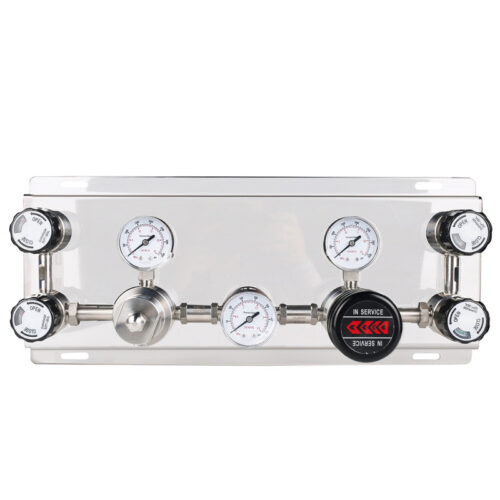
Semi Automatic And Automatic Switching Speicialty Gas Changeover Manifold Panel With Semiconductor Valve Manifold Box Gas Pressure Regulators
-
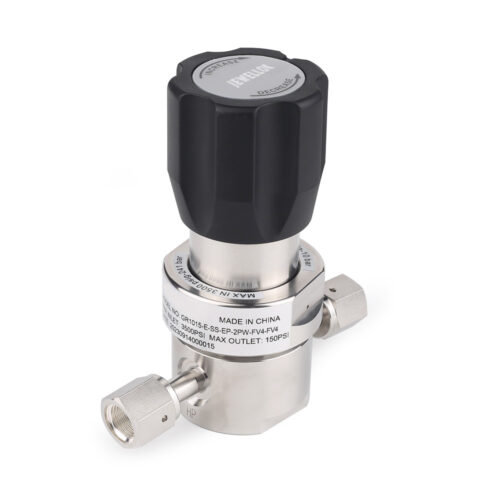
JR1000 Series UHP Ultra High Purity Single Stage Pressure Reducing Regulator And Low To Intermediate Flow
-
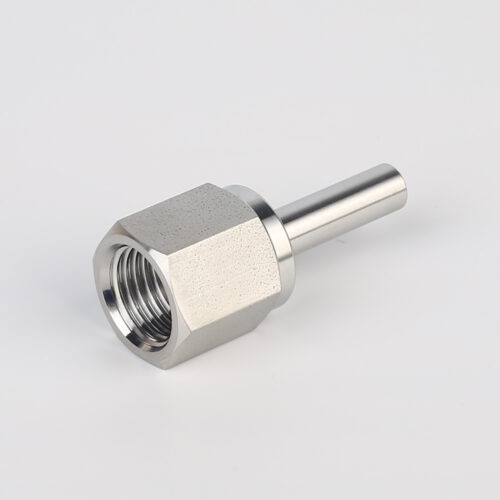
739LF High Purity Female Adapter Tube To Pipe Fittings And Connectors
-
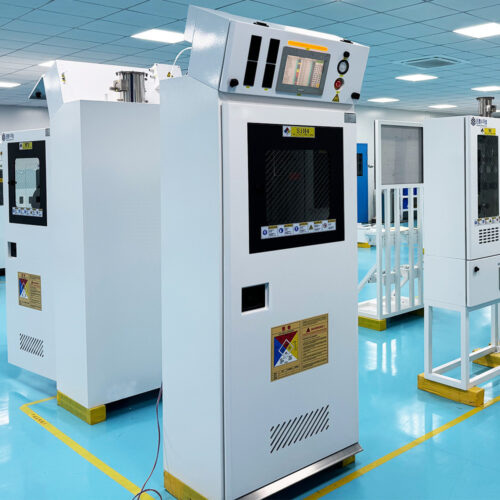
Ultra High Purity Trimethylaluminum TMA Gas Cabinet Liquid Delivering Cabinet Used For Specialty Gas Delivery System In Semiconductor
-
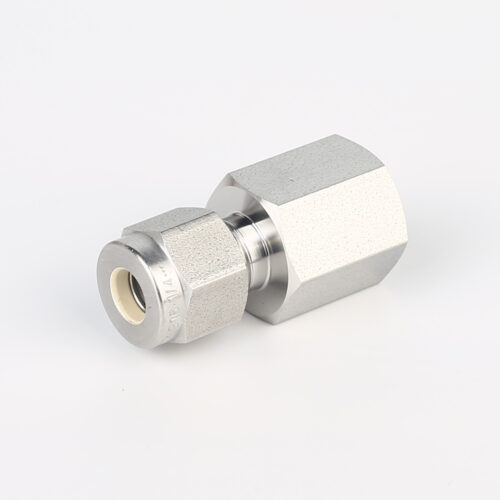
766L High Purity Female Connector UHP Fitting Female Connector
-
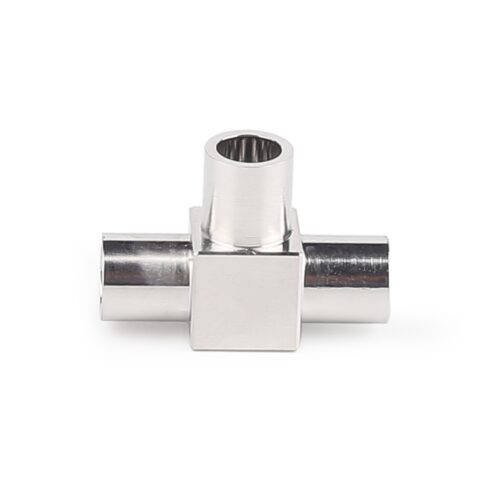
Stainless Steel Ultra High Purity Mini Butt Weld Mini Tee Reducer MTRW Series Fittings