
Valves Manufacturer Tel: +86 13380377051
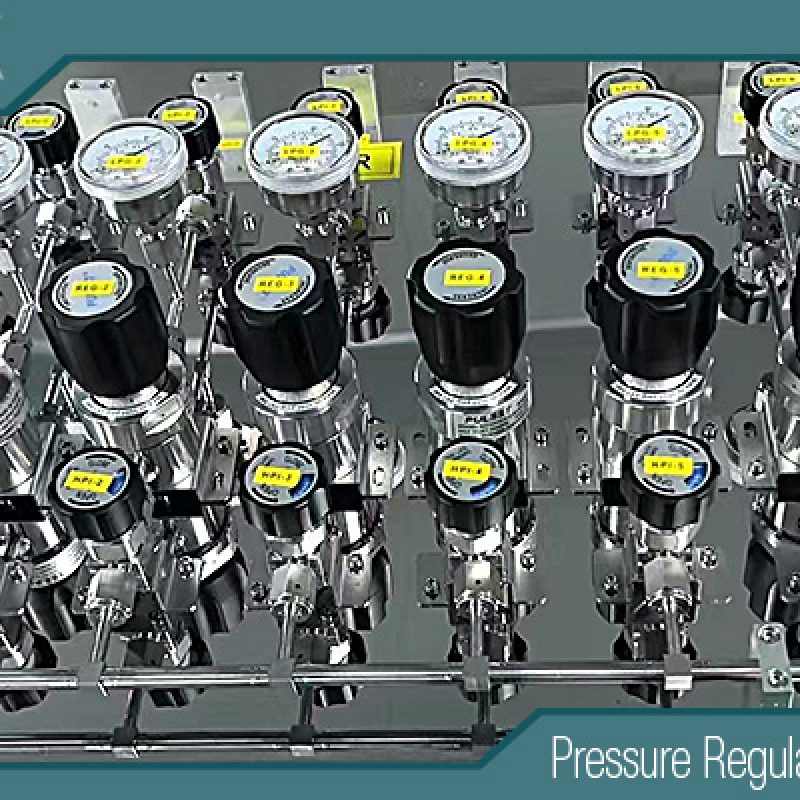
Preventing Contamination: Regulators Designed for Ultra-High Purity CO₂
In the world of specialty gases and critical manufacturing, the difference between a functional process and a failed batch often comes down to parts per billion. Nowhere is this truer than in applications utilizing Ultra-High Purity (UHP) Carbon Dioxide (CO₂). Whether used for supercritical fluid extraction, semiconductor cooling, or critical laboratory analysis, CO₂ must be delivered to the point of use without the introduction of metallic ions, particulates, or hydrocarbon contaminants.
However, ttine state is often the very componenthe greatest threat to this pris designed to control it: the pressure regulator. Standard regulators, with their broad tolerances and industrial finishes, act as contamination pumps, shedding particles and absorbing moisture. To meet the stringent demands of modern high-tech industries, a new class of equipment is required. This article explores the engineering behind a specialized UHP CO₂ regulator, focusing on the critical design features that ensure purity: internal surface finishes of 10 Ra (microinches) or better, and a hermetically sealed leak rate of less than 1×10⁻⁹ scc/sec.
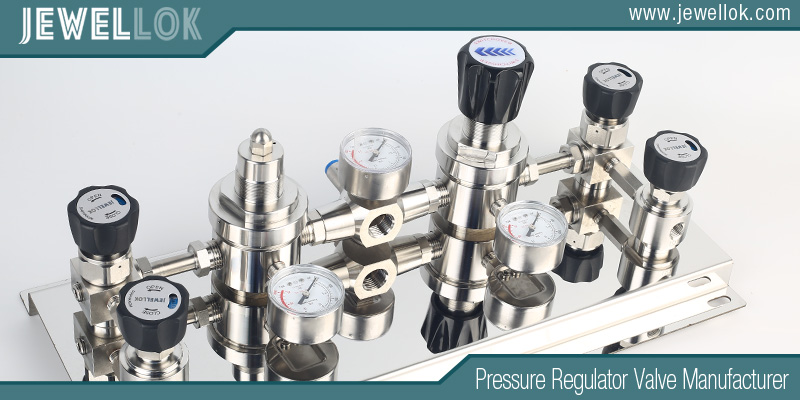
The Enemy Within: Why CO₂ Demands Extreme Purity
Before examining the solution, we must understand the threat profile. Carbon Dioxide, particularly in high-pressure or supercritical states, is an aggressive solvent. While it is the gas of choice for green processes, its physical properties create unique challenges:
-
Solvent Behavior: Supercritical CO₂ (scCO₂) possesses the density of a liquid and the viscosity of a gas, allowing it to penetrate microscopic crevices and dissolve materials that other gases would leave behind.
-
Reactivity with Water: When CO₂ combines with even trace amounts of moisture, it forms carbonic acid. This acid can attack standard stainless steel surfaces, leaching heavy metal ions directly into the gas stream.
-
Freeze-Ups: As high-pressure CO₂ expands across a valve seat, the Joule-Thomson effect can cause dramatic temperature drops. This leads to the formation of dry ice or hydrate plugs, which can damage standard valve seats and create particulate sheds.
Therefore, a regulator designed for UHP CO₂ must be a fortress. It must prevent the introduction of external contaminants (in-leakage) and prevent the creation of internal contaminants (out-gassing and particle shedding).
The Polished Path: Surface Finish as a Contamination Control Mechanism
The interior of a standard regulator, when viewed under a microscope, resembles a rugged mountain range. These peaks and valleys (asperities) are prime real estate for contamination. They trap moisture, machining oils, and bacteria. When high-velocity gas flows through, these trapped particles can be dislodged, entering the process stream. Furthermore, these rough surfaces provide a large surface area for reactive gases like CO₂ to interact with the base metal.
For UHP CO₂ Regulator service, the solution is internal electropolishing.
The Science of Electropolishing
Electropolishing is an electrochemical process that removes a thin layer of material from a metal part. Unlike mechanical polishing, which simply grinds down peaks, electropolishing reverses the plating process. The component is submerged in an electrolyte bath and subjected to a direct current. This selectively removes “high spots” or peaks on the microscopic surface, creating a smooth, uniform, and passive surface.
Benefits of a 10 Ra (or Better) Finish
The industry standard for UHP components is an internal surface finish of 10 microinches Ra (Arithmetic Average Roughness) or smoother. This specification is not arbitrary; it provides quantifiable benefits:
-
Particle Entrapment Elimination: By smoothing the “mountains” into valleys, electropolishing eliminates the sites where particles can hide. This results in a regulator that “cleans up” quickly. Instead of requiring days of purge time to reach baseline purity, an electropolished regulator stabilizes in hours.
-
Reduced Outgassing: With a significantly reduced surface area (rough surfaces have a much higher effective surface area than smooth ones), there is less area for adsorbed moisture and hydrocarbons to cling to. This drastically reduces outgassing, ensuring the CO₂ stream remains dry and pure.
-
Corrosion Resistance (The Passive Layer): The electropolishing process enriches the surface layer in chromium. For stainless steel (typically 316L or 316L VIM/VAR), this means the formation of a robust, chromium-rich passive layer. This layer is the primary defense against the carbonic acid formed by CO₂ and moisture, preventing metallic ion migration into the gas stream.
-
Cleanability: In applications where the regulator must be periodically cleaned, the smooth surface allows contaminants to be flushed away easily rather than baked onto rough surfaces.
For a regulator intended to prevent contamination, the polished internal surface is the first and most critical line of defense.
The Hermetic Seal: Achieving a Leak Rate of <1×10⁻⁹ scc/sec
A smooth internal surface is useless if the atmosphere can seep into the gas stream. In UHP applications, the enemy isn’t just what’s inside the regulator, but what’s outside. Atmospheric gases—nitrogen, oxygen, and especially water vapor—can diffuse into the gas path through faulty seals.
This is where the leak rate specification becomes paramount: <1×10⁻⁹ scc/sec (standard cubic centimeters per second) of Helium.
To put this number in perspective, this leak rate is several orders of magnitude tighter than industrial standards. It implies a “bubble-tight” seal that approaches the permeability limits of the metal itself. Achieving this requires a complete rethinking of regulator design.
1. Diaphragm Sealing vs. Packing
Traditional regulators use a packed configuration, where the moving stem passes through a plastic packing nut to seal the bonnet. This dynamic seal is a primary leak path. As the stem moves, the packing wears, creating pathways for atmospheric gases to enter.
To achieve a 1×10⁻⁹ scc/sec leak rate, a regulator must utilize a diaphragm-sealed design.
-
The Barrier: A metal diaphragm (often made of a nickel-cobalt alloy or multi-ply stainless steel) is mechanically clamped between the bonnet and the body. This creates a metal-to-metal seal that is static—it does not move.
-
The Actuation: The handle compresses a spring, which pushes against a button on the diaphragm, which then pushes the stem into the seat. The diaphragm flexes, but the process gas is hermetically sealed from the atmosphere and the bonnet threads.
This design eliminates the need for dynamic stem seals entirely, ensuring that the only possible leak path is through the metal itself or the welded/brazed connections.
2. Advanced Valve Seat Technology
The seal between the stem (poppet) and the nozzle is the most critical dynamic interface inside the regulator. In UHP CO₂ service, this seat faces the triple threat of contamination, chemical attack, and extreme cold.
To maintain a leak-tight seal internally (allowing the regulator to lock up without creep) and externally, advanced materials are required:
-
PCTFE (Polychlorotrifluoroethylene): For CO₂ service, particularly where liquid or high-pressure gas is present, PCTFE is the material of choice. It offers excellent dimensional stability, low outgassing characteristics, and maintains its sealing properties even at the cryogenic temperatures experienced during CO₂ expansion. Unlike softer materials, it resists deformation and extrusion.
-
Metal Seats: For the ultimate in low outgassing and high temperature resistance, some ultra-high purity applications move toward soft metal seats (e.g., silver or nickel), though these require higher operating torque and are less forgiving of particulate matter.
The combination of a sensitive diaphragm and a robust seat material ensures that the regulator can shut off completely (internal seal) without allowing external contamination (diaphragm seal).
Application-Specific Design for CO₂
Beyond the generic UHP features, a regulator dedicated to CO₂ must account for the gas’s thermodynamic quirks.
Compensating for the Joule-Thomson Effect
As mentioned, CO₂ gets very cold as it depressurizes. If a regulator is not designed for this, moisture in the ambient air can condense and freeze on the stem or diaphragm, causing the regulator to stick or fail. Furthermore, the cold can cause the valve seat to shrink, leading to internal leakage.
To combat this, specialized UHP CO₂ regulators often feature:
-
Extended Bonnets: Increasing the distance between the cold gas path and the sensitive diaphragm/spring components.
-
Panel Mounting Options: Allowing for the isolation of the cold body from the control mechanism, or facilitating the use of heat jackets.
Material Verification: VIM/VAR Steel
For the absolute highest purity levels (e.g., semiconductor processing), the base stainless steel itself must be pure. Standard 316L stainless steel contains microscopic inclusions and non-metallic impurities. For UHP CO₂, manufacturers specify VIM/VAR (Vacuum Induction Melting / Vacuum Arc Remelting) steel. This double-melt process produces a steel with extremely high density and homogeneity, further reducing potential outgassing sources within the metal grain structure itself.
Verification and Certification
A specification is only as good as its verification. When selecting a regulator with a leak rate of <1×10⁻⁹ scc/sec, the manufacturing process must include rigorous testing.
-
Helium Mass Spectrometry: Every unit should be tested on a mass spectrometer leak detector. The regulator is pressurized with Helium (which has a small molecular size, making it harder to contain than Nitrogen or Argon) and placed in a vacuum chamber. The spectrometer detects any Helium molecules escaping the unit, quantifying the leak rate digitally.
-
Surface Finish Verification: Manufacturers should use profilometry to verify the internal surface finish, ensuring the Ra value meets the 10 microinch specification.
-
Cleanliness Certification: The regulator should be assembled in a Class 100 (ISO 5) cleanroom, packaged in a double-bagged, nitrogen-purged bag, and accompanied by a certificate of analysis verifying the absence of hydrocarbon and particulate contamination.
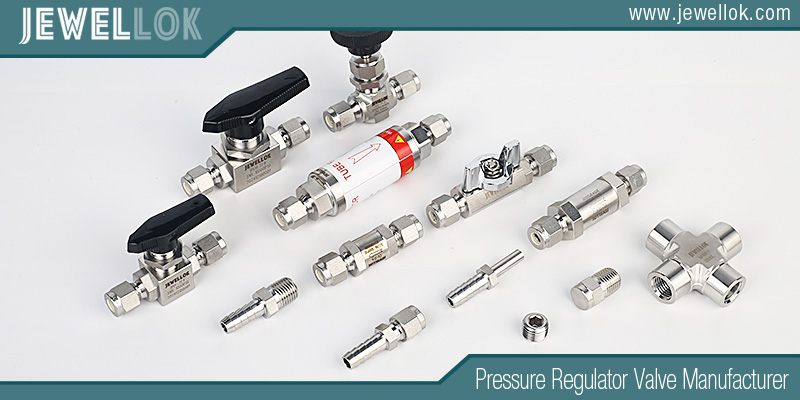
Conclusion
As industrial processes continue to push the boundaries of precision, the infrastructure supporting them must evolve. For applications utilizing Ultra-High Purity CO₂ Regulator, the pressure regulator is no longer a passive component but an active participant in maintaining gas quality.
By specifying a regulator that features an internally electropolished surface finish (10 Ra or better) to eliminate particle traps and reduce outgassing, and a diaphragm-sealed design verified to a helium leak rate of less than 1×10⁻⁹ scc/sec to prevent atmospheric ingress, engineers can guarantee the integrity of their process.
This is not merely over-engineering; it is the necessary standard for an era where a single part-per-billion contaminant can render an entire production run useless. In the fight against contamination, the polished, hermetically sealed regulator is the ultimate weapon.
For more about the preventing contamination: regulators designed for ultra-high purity CO₂, you can pay a visit to Jewellok at https://www.jewellok.com/ for more info.
-
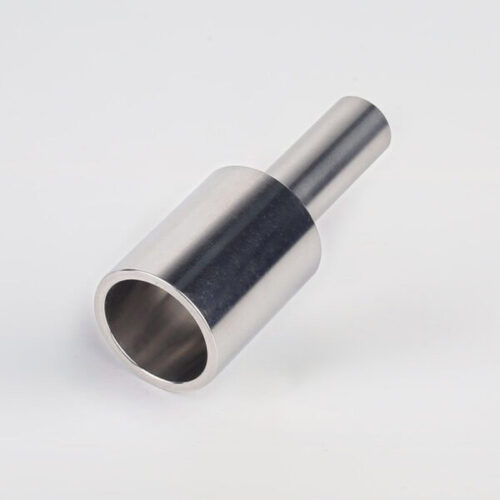
316L Stainless Steel Tube Butt Weld Reducing Fittings Union Reducer RW Series Ultrahigh Purity Process
-
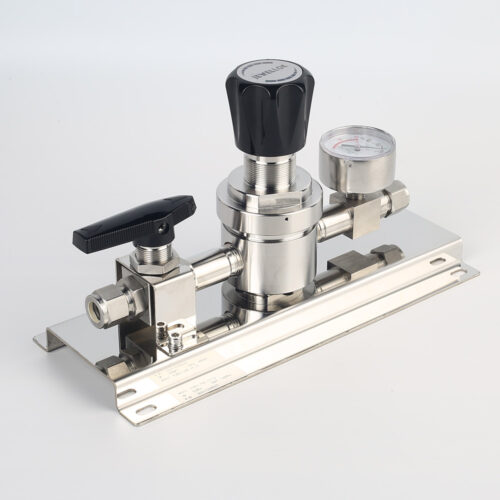
High Purity And Industria Gas Stick Assemblies Precise Pressure Control Gas Systems JSR-1ETG-BV Series
-
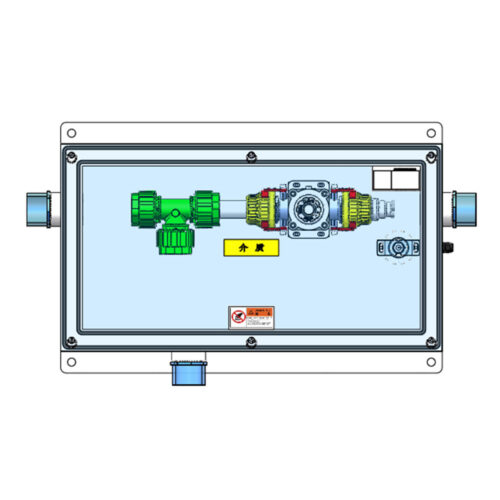
T-BOX JW-TB-C Special Gas Delivery System Gas Valve Manifold Boxes
-
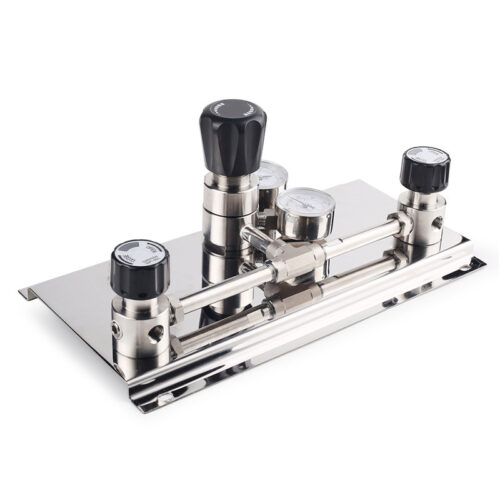
High Purity Semi-Auto Stainless Steel Changeover Manifold System, Nitrogen High Pressure Control Panel With Semiconductor Valve Manifold Box Diaphragm Valves
-
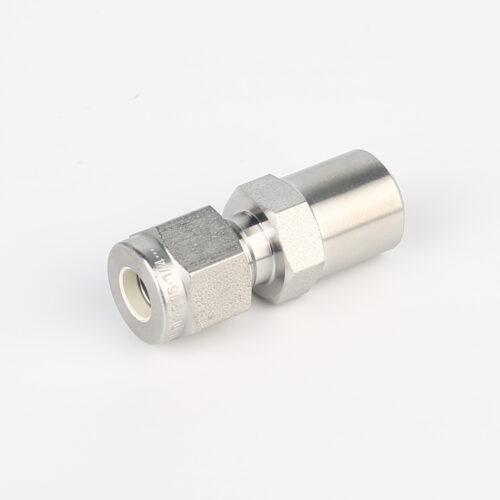
768LN Stainless Steel Male Pipe Tube Butt Weld Connector And Tube Fittings Supplier
-
764LR Stainless Steel 316 Reducing Tee UHP Fitting Automatic Buttweld Reducing Tee
-

Managing Hazardous Chemicals with a Custom Bulk Liquid Chemical Delivery System (BCDS) in Pharmaceutical Facilities
-
Premium Grade Ultra High Purity Gas Valve Solutions Sourced Directly from China for Critical Semiconductor and Advanced Photovoltaic Gas Distribution Lines