
Valves Manufacturer Tel: +86 13380377051
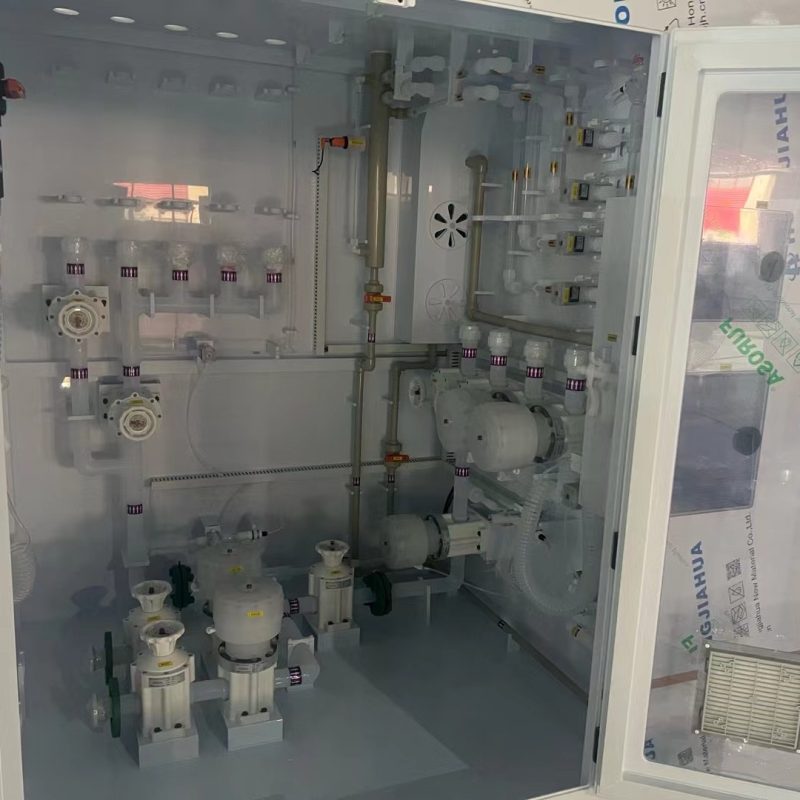
How Medical Gas Valves Ensure Safety in Hospital Pipeline Systems
Medical gas pipeline systems are critical infrastructure in modern healthcare facilities, delivering life-supporting gases such as oxygen, nitrous oxide, medical air, and vacuum to various departments. From operating rooms and intensive care units to emergency departments and general wards, the reliability and safety of these systems directly impact patient outcomes. At the heart of these systems lie medical gas valves—precision-engineered components designed to regulate, isolate, and control the flow of gases under strict safety standards. This article explores how medical gas valves ensure safety in hospital pipeline systems through design, functionality, compliance, and maintenance.
1. Overview of Medical Gas Pipeline Systems
A medical gas pipeline system (MGPS) is a centralized network that distributes gases from a source—such as bulk storage tanks, cylinders, or compressors—to points of use throughout a hospital. These systems must operate continuously and reliably, as any interruption or contamination can have serious consequences.
Key components of MGPS include:
- Gas sources (liquid oxygen tanks, manifold systems)
- Pressure regulators
- Pipeline distribution networks
- Terminal units (outlets)
- Alarm systems
- Medical gas valves
Among these, valves play a pivotal role in controlling gas flow, isolating sections of the system, and enabling maintenance without disrupting overall operation.
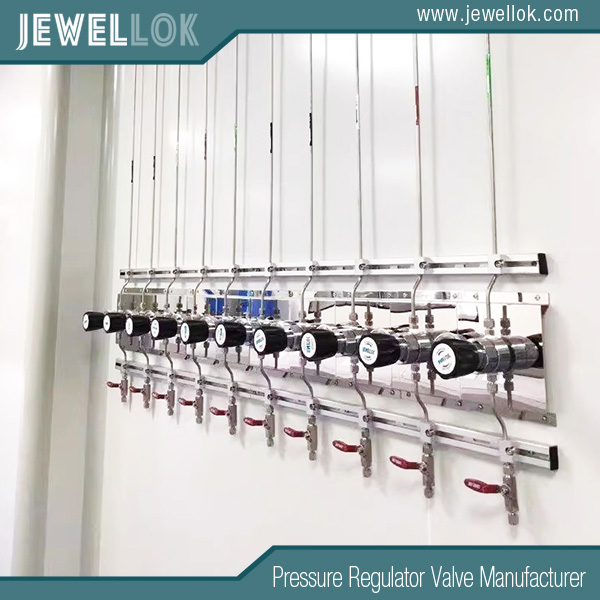
2. Types of Medical Gas Valves
Different types of valves are used in medical gas systems, each serving specific functions:
2.1 Zone Valves
Zone valves allow isolation of gas supply to specific areas such as a ward or operating room. In case of emergency or maintenance, staff can shut off gas to a particular zone without affecting the entire hospital.
2.2 Main Line Valves
Installed in the main pipeline, these valves control gas flow from the source to distribution lines. They are typically used during system installation, upgrades, or major repairs.
2.3 Service Valves
Service valves are placed near equipment or specific departments, enabling localized control and maintenance.
2.4 Emergency Shut-off Valves
These valves are designed for rapid response during emergencies such as leaks or fires. They are easily accessible and clearly labeled.
2.5 Check Valves (Non-return Valves)
Check valves prevent backflow, ensuring that gases flow in only one direction. This is critical to avoid contamination and maintain gas purity.
3. Safety Functions of Medical Gas Valves
Medical gas valves contribute to safety in several essential ways:
3.1 Isolation of System Sections
One of the most important safety features is the ability to isolate specific sections of the pipeline. If a leak or fault occurs, valves allow technicians to shut off only the affected area, minimizing disruption and risk to patients.
3.2 Prevention of Cross-Contamination
Valves, particularly check valves, ensure that gases do not mix or flow backward. This prevents contamination between different gas lines, which could otherwise lead to serious clinical risks.
3.3 Pressure Regulation and Control
Certain valves are integrated with pressure regulation mechanisms to maintain stable gas pressure. Excessive pressure can damage equipment or pose safety hazards, while insufficient pressure can compromise patient care.
3.4 Emergency Response Capability
Quick-access shut-off valves enable immediate action during emergencies. Clear labeling and standardized placement ensure that medical staff can respond swiftly without confusion.
3.5 Maintenance and System Integrity
Valves facilitate routine maintenance by allowing sections of the system to be shut down independently. This ensures that repairs or inspections can be conducted safely without interrupting the entire gas supply.
4. Design Features Enhancing Safety
Medical gas valves are engineered with specific design features to meet stringent safety requirements:
4.1 High-Purity Materials
Valves are typically made from materials such as brass, stainless steel, or specialized alloys that resist corrosion and do not react with medical gases. This ensures gas purity and long-term reliability.
4.2 Leak-Tight Construction
Advanced sealing technologies, such as PTFE (polytetrafluoroethylene) seats and diaphragms, provide leak-tight performance. Even minor leaks can lead to gas loss or contamination, so precision sealing is critical.
4.3 Color Coding and Labeling
Valves are color-coded and labeled according to the type of gas they control. This reduces the risk of human error during operation or maintenance.
4.4 Lockable Mechanisms
Many valves include lockable handles to prevent unauthorized or accidental operation. This is especially important in high-risk areas.
4.5 Fire-Safe Design
Some valves are designed to withstand high temperatures and maintain integrity during fire incidents, ensuring continued safety.
5. Compliance with Standards and Regulations
Medical gas valves must comply with strict international and regional standards to ensure safety and reliability. Key standards include:
- NFPA 99 (Health Care Facilities Code)
- ISO 7396-1 (Medical Gas Pipeline Systems)
- HTM 02-01 (UK Health Technical Memorandum)
- CGA (Compressed Gas Association) guidelines
These standards specify requirements for:
- Materials and construction
- Testing and certification
- Installation practices
- Labeling and identification
- Performance under various conditions
Compliance ensures that valves meet consistent safety benchmarks and are suitable for critical healthcare applications.
6. Installation Best Practices
Proper installation is essential to ensure the safe operation of medical gas valves:
6.1 Qualified Personnel
Installation should be carried out by trained and certified professionals familiar with medical gas systems.
6.2 Correct Placement
Valves must be installed in accessible locations, with zone valves typically placed outside patient areas for quick access during emergencies.
6.3 Cleanliness and Contamination Control
All components must be cleaned and handled to prevent contamination. Even small particles can compromise system integrity.
6.4 Pressure Testing
After installation, the system must undergo rigorous pressure and leak testing to verify performance.
7. Maintenance and Inspection
Regular maintenance is crucial to ensure ongoing safety:
7.1 Routine Inspections
Valves should be inspected periodically for signs of wear, corrosion, or leakage.
7.2 Functional Testing
Valves must be tested to ensure they open and close properly and maintain a tight seal.
7.3 Documentation
Maintenance activities should be documented to track system performance and compliance.
7.4 Replacement and Upgrades
Aging or faulty valves should be replaced promptly. Upgrading to newer designs can enhance safety and efficiency.
8. Role in Emergency Preparedness
Medical gas valves are integral to hospital emergency preparedness plans. In scenarios such as:
- Fire outbreaks
- Gas leaks
- Equipment failures
Valves enable rapid isolation of affected areas, preventing escalation and ensuring patient safety. Staff training on valve operation is equally important to ensure effective response during crises.
9. Technological Advancements
Advancements in valve technology continue to improve safety and efficiency:
9.1 Smart Valves
Integration with digital monitoring systems allows real-time tracking of valve status and gas flow.
9.2 Automated Shut-off Systems
Some systems can automatically close valves in response to detected anomalies, reducing response time.
9.3 Enhanced Materials
New materials offer improved durability, corrosion resistance, and compatibility with a wider range of gases.
10. Conclusion
Medical gas valves are indispensable components of hospital pipeline systems, ensuring safe, reliable, and efficient delivery of life-critical gases. Through precise control, isolation capabilities, and compliance with rigorous standards, these valves play a central role in protecting patients, staff, and equipment.
Their effectiveness depends not only on advanced design and manufacturing but also on proper installation, regular maintenance, and adherence to safety protocols. As healthcare facilities continue to evolve, the importance of high-quality medical gas valves will only increase, supporting the growing demand for safe and uninterrupted medical gas supply.
In summary, medical gas valves are not merely mechanical devices—they are vital safeguards that uphold the integrity and safety of healthcare delivery systems.
For more about how medical gas valves ensure safety in hospital pipeline systems, you can pay a visit to Jewellok at https://www.jewellok.com/product-category/chemical-delivery-system/ for more info.
-
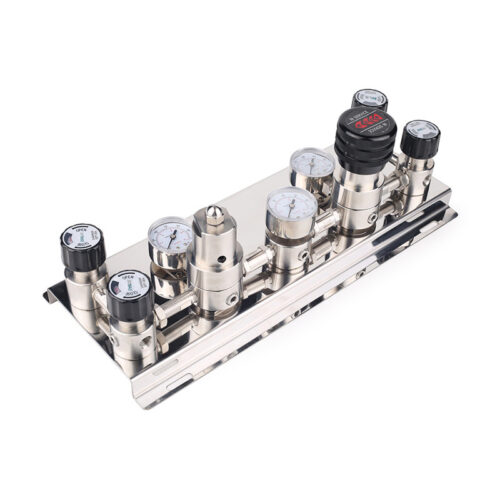
Stainless Steel High Pressure Specialty Gas Changeover Manifold For High Purity Oxygen Nitrogen Argon Helium Hydrogen Co2
-
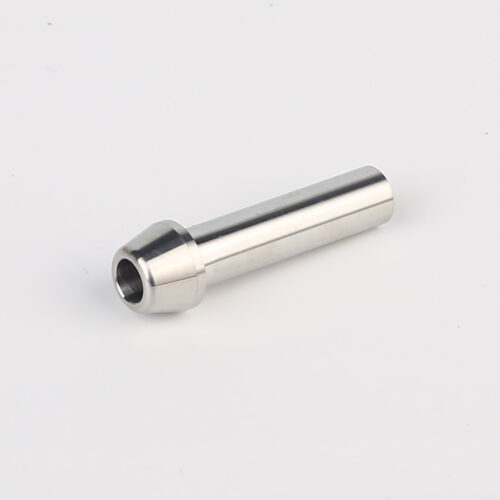
767LP Port Connector Ultra High Purity VCJ Metal Gasket Face Seal Tube Fittings
-
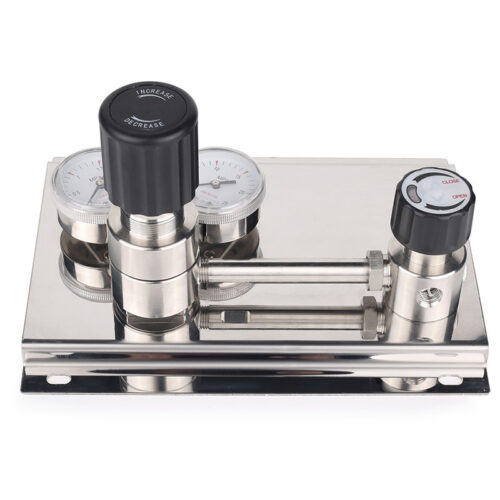
Stainless Steel Fully Automatic Gas Switchover Manifold System Automatic Gas Cylinder Switchover Co2 Cylinder Auto Changeover Controller
-
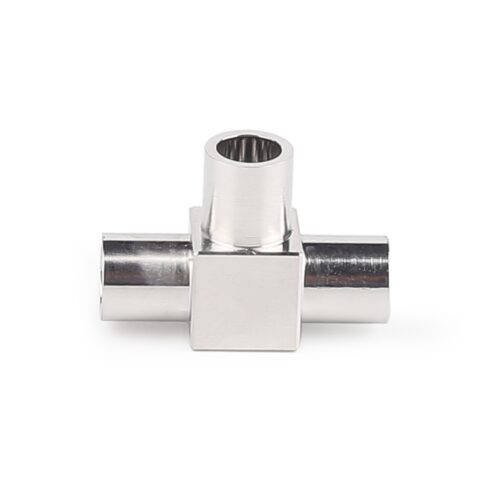
Stainless Steel Ultra High Purity Mini Butt Weld Mini Tee Reducer MTRW Series Fittings
-
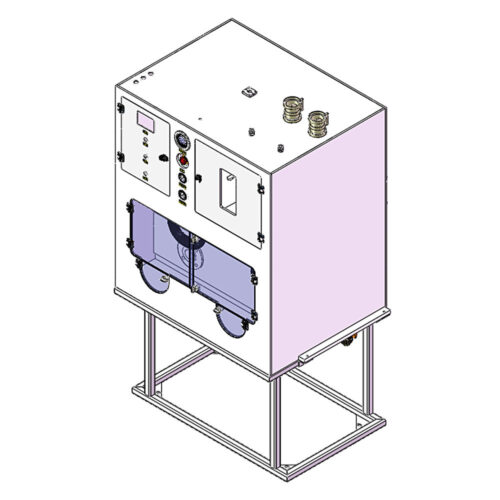
Clean Connection Cabinet JW-300-CCB Valve Manifold Box And Control Valve Box
-
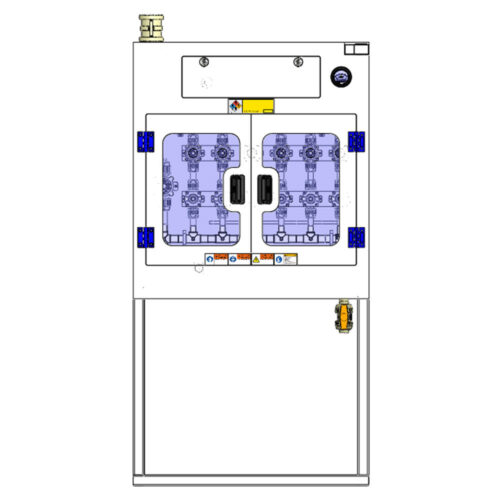
High Purity Configurable Systems VMB Valve Manifold Box JW-200-VMB-C & JW-100-VMB-C
-
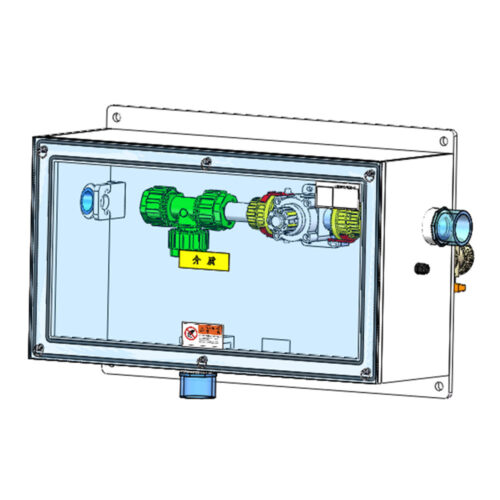
Scrubber Tail Gas Treatment Cabinet Waste Gas Treatment Wet Scrubber Exhaust Gas Treatment Spray Tower
-
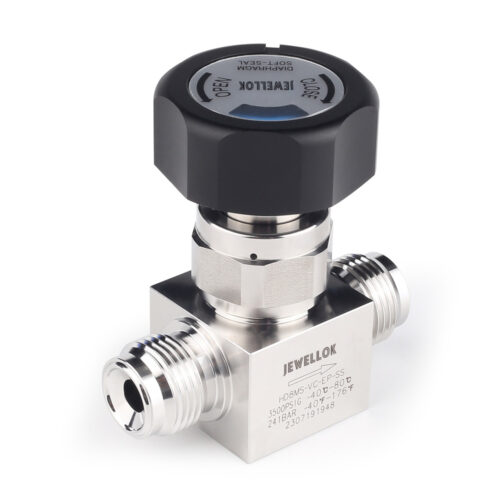
Stainless Steel Ultra High Purity (UHP) High Pressure Manual Diaphragm Valve