
Valves Manufacturer Tel: +86 13380377051
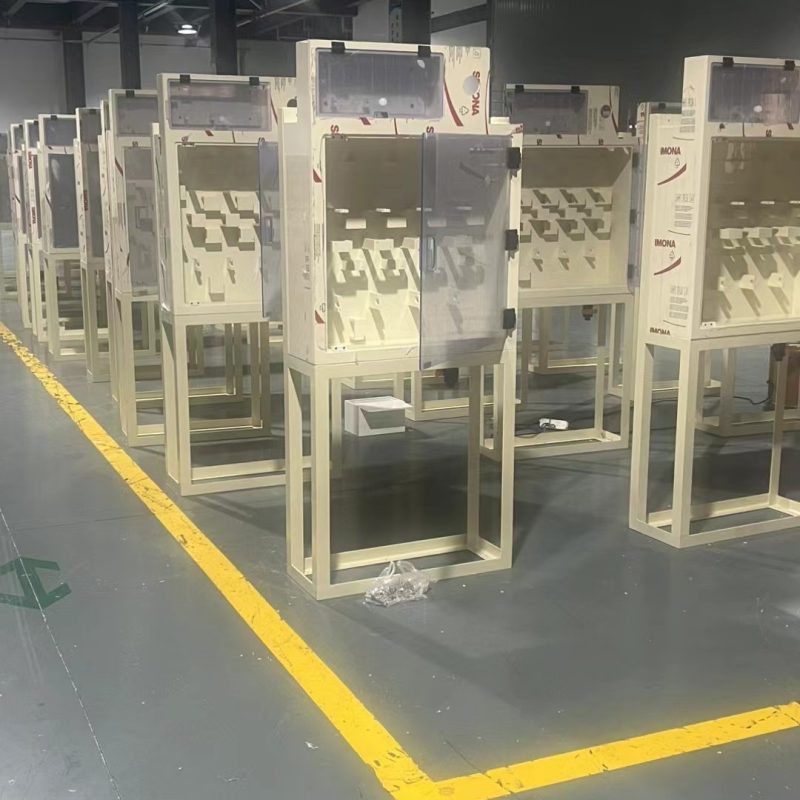
How Exhaust Gas Treatment Cabinets Improve Industrial Air Pollution Control Efficiency
Industrial air pollution remains one of the most pressing environmental challenges in modern manufacturing. Industries such as semiconductor fabrication, chemical processing, pharmaceuticals, and surface treatment generate a wide range of hazardous exhaust gases, including volatile organic compounds (VOCs), acidic fumes, toxic gases, and particulate matter. If not properly treated, these emissions can harm human health, damage ecosystems, and lead to strict regulatory penalties.
An essential solution to this challenge is the use of exhaust gas treatment cabinets. These systems are specifically engineered to capture, neutralize, and safely discharge harmful gases before they enter the atmosphere. By integrating advanced filtration, chemical scrubbing, and monitoring technologies, exhaust gas treatment cabinets play a critical role in improving industrial air pollution control efficiency.
This article explores how these systems work, their key components, and the ways in which they enhance overall environmental performance in industrial operations.
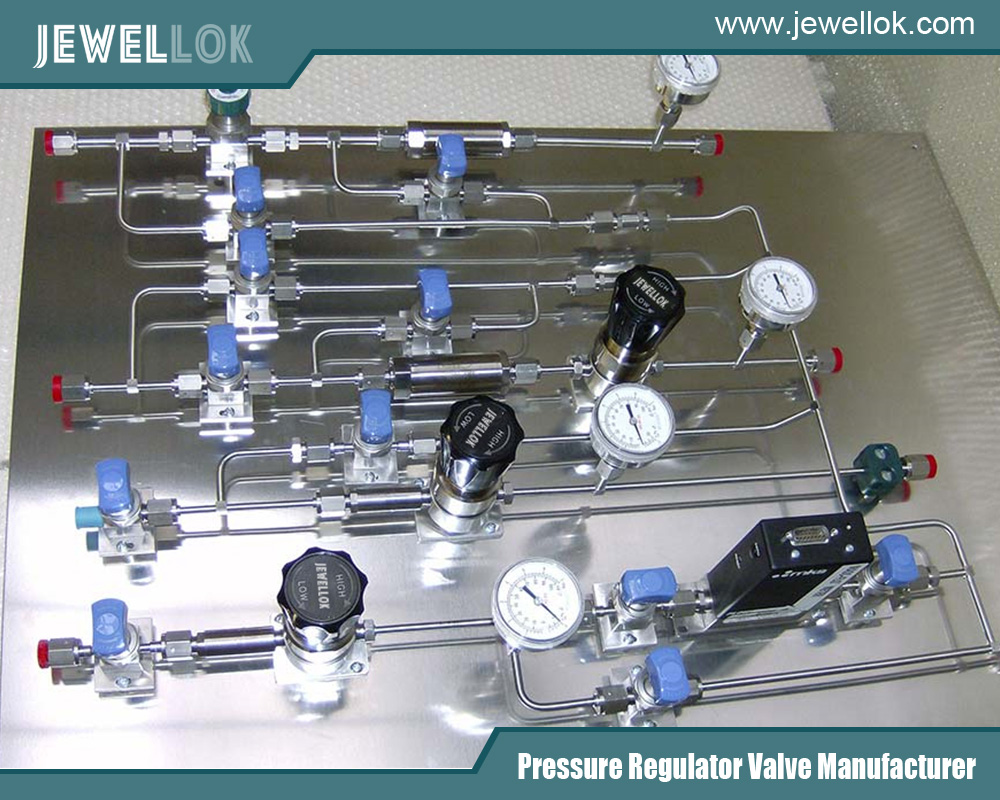
Understanding Exhaust Gas Treatment Cabinets
Exhaust gas treatment cabinets, also known as gas abatement systems or scrubber cabinets, are enclosed units designed to process contaminated air streams generated during industrial processes. They are typically installed close to the source of emissions, such as process tools, reactors, or chemical storage systems.
The primary function of these cabinets is to remove or neutralize hazardous substances from exhaust gases through physical, chemical, or catalytic processes. Depending on the application, they may treat:
- Acidic gases (e.g., HCl, HF, SO₂)
- Alkaline gases (e.g., NH₃)
- Organic vapors (VOCs)
- Toxic gases (e.g., phosphine, arsine)
- Particulates and aerosols
Their modular and compact design makes them suitable for integration into cleanrooms, laboratories, and industrial production lines.
Key Technologies Used in Exhaust Gas Treatment Cabinets
1. Wet Scrubbing Technology
Wet scrubbers are among the most widely used technologies in exhaust gas treatment cabinets. They operate by bringing contaminated gas into contact with a liquid solution, typically water or a chemical reagent.
The process involves:
- Absorption of soluble gases into the liquid phase
- Neutralization through chemical reactions
- Removal of particulates through impaction and diffusion
For example, acidic gases can be neutralized using alkaline solutions such as sodium hydroxide. Wet scrubbing is highly effective for removing water-soluble contaminants and is commonly used in semiconductor and chemical industries.
2. Dry Scrubbing Systems
Dry scrubbers use solid sorbent materials, such as activated carbon or impregnated media, to capture pollutants. These systems are particularly effective for VOC removal and odor control.
Advantages include:
- No wastewater generation
- Lower maintenance requirements
- Compact design
However, the sorbent materials require periodic replacement, which must be managed properly to maintain efficiency.
3. Catalytic Oxidation
Catalytic systems are used to convert harmful gases into less toxic substances through chemical reactions. For instance, VOCs can be oxidized into carbon dioxide and water in the presence of a catalyst at relatively low temperatures.
This technology offers:
- High destruction efficiency
- Energy savings compared to thermal oxidation
- Reduced secondary pollution
4. Plasma and Advanced Oxidation Technologies
Emerging technologies such as plasma treatment and advanced oxidation processes (AOPs) are gaining attention for their ability to break down complex pollutants. These methods generate reactive species (e.g., hydroxyl radicals) that oxidize contaminants at the molecular level.
While still developing, these technologies show promise for handling difficult-to-treat gases.
Key Components of an Efficient System
To maximize performance, exhaust gas treatment cabinets incorporate several critical components:
1. Gas Collection and Distribution System
Efficient capture of exhaust gases is the first step in pollution control. Proper duct design and airflow management ensure that contaminants are directed into the treatment cabinet without leakage.
2. Reaction Chamber
This is where the actual treatment process occurs. The design of the chamber—such as packed beds, spray towers, or cartridge filters—directly impacts the contact efficiency between gas and treatment media.
3. Chemical Dosing and Control System
For wet scrubbers, precise dosing of chemicals is essential to maintain optimal pH and reaction conditions. Automated systems monitor parameters and adjust dosing in real time.
4. Sensors and Monitoring Systems
Modern cabinets are equipped with sensors to track:
- Gas concentration
- Pressure and flow rates
- pH and temperature
These systems enable continuous performance monitoring and early detection of issues.
5. Safety Features
Given the hazardous nature of the gases involved, safety mechanisms such as leak detection, emergency shutoff, and explosion-proof designs are critical.
How Exhaust Gas Treatment Cabinets Improve Efficiency
1. Source-Level Pollution Control
By treating gases at the point of generation, these cabinets prevent the spread of contaminants throughout the facility. This localized approach reduces the load on centralized treatment systems and improves overall efficiency.
2. High Removal Efficiency
Advanced treatment technologies can achieve removal efficiencies exceeding 95–99% for many pollutants. This ensures compliance with stringent environmental regulations and minimizes environmental impact.
3. Process Integration
Modern exhaust gas treatment cabinets are designed to integrate seamlessly with industrial equipment. This allows for synchronized operation, where treatment systems adjust automatically based on process conditions.
4. Reduced Energy Consumption
Compared to large centralized systems, localized cabinets often require less energy due to shorter ducting and targeted treatment. Technologies like catalytic oxidation further enhance energy efficiency.
5. Scalability and Flexibility
Modular designs allow facilities to scale their pollution control systems as production expands. Different cabinet configurations can be customized for specific processes and gas types.
6. Real-Time Monitoring and Automation
Automation plays a key role in improving efficiency. Real-time monitoring enables operators to optimize performance, reduce downtime, and respond quickly to anomalies.
Applications Across Industries
Semiconductor Manufacturing
In semiconductor fabs, exhaust gas treatment cabinets are used to handle toxic and corrosive gases generated during processes such as chemical vapor deposition (CVD), etching, and diffusion. High purity and reliability are essential in these environments.
Chemical Processing
Chemical plants produce a wide range of hazardous emissions. Treatment cabinets help neutralize these gases, ensuring safe operation and regulatory compliance.
Pharmaceutical Industry
Pharmaceutical manufacturing involves solvents and reactive chemicals that can generate harmful vapors. Effective gas treatment is critical for both environmental protection and worker safety.
Surface Treatment and Coating
Processes such as electroplating and painting release VOCs and acid mists. Exhaust gas treatment cabinets help capture and neutralize these emissions.
Challenges and Considerations
While exhaust gas treatment cabinets offer significant benefits, several challenges must be addressed:
1. System Design and Selection
Choosing the right technology depends on the type and concentration of pollutants. Incorrect selection can lead to reduced efficiency or higher operating costs.
2. Maintenance Requirements
Regular maintenance is essential to ensure consistent performance. This includes replacing filters, replenishing chemicals, and inspecting components.
3. Secondary Waste Management
Wet scrubbers generate wastewater, while dry systems produce spent media. Proper disposal or recycling is necessary to avoid secondary pollution.
4. Initial Investment
Although these systems improve long-term efficiency, the initial cost can be significant. However, this is often offset by regulatory compliance and reduced environmental risk.
Future Trends
The future of exhaust gas treatment cabinets is shaped by advancements in technology and increasing environmental regulations. Key trends include:
- Smart Systems: Integration with IoT and AI for predictive maintenance and optimization
- Green Chemistry: Development of environmentally friendly treatment reagents
- Energy Recovery: Systems that capture and reuse heat generated during treatment
- Compact Designs: Further miniaturization for space-constrained environments
These innovations will continue to enhance the efficiency and sustainability of industrial air pollution control.
Conclusion
Exhaust gas treatment cabinets are a cornerstone of modern industrial air pollution control strategies. By combining advanced technologies with intelligent design, they provide highly efficient, reliable, and scalable solutions for managing hazardous emissions.
From source-level capture to real-time monitoring, these systems significantly improve pollution control efficiency while supporting regulatory compliance and environmental sustainability. As industries continue to evolve, the role of exhaust gas treatment cabinets will become even more critical in achieving cleaner and more sustainable manufacturing processes.
For more about how exhaust gas treatment cabinets improve industrial air pollution control efficiency, you can pay a visit to Jewellok at https://www.jewellok.com/product-category/chemical-delivery-system/ for more info.
-
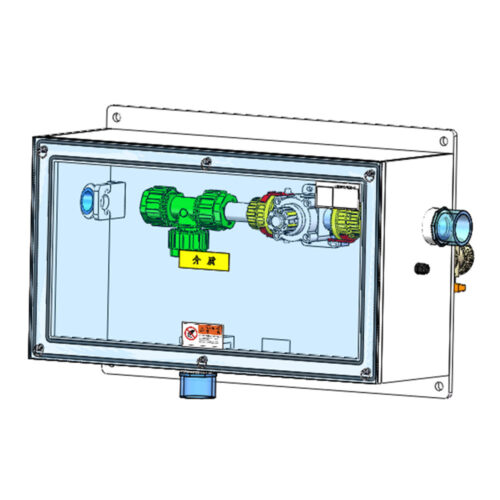
Scrubber Tail Gas Treatment Cabinet Waste Gas Treatment Wet Scrubber Exhaust Gas Treatment Spray Tower
-
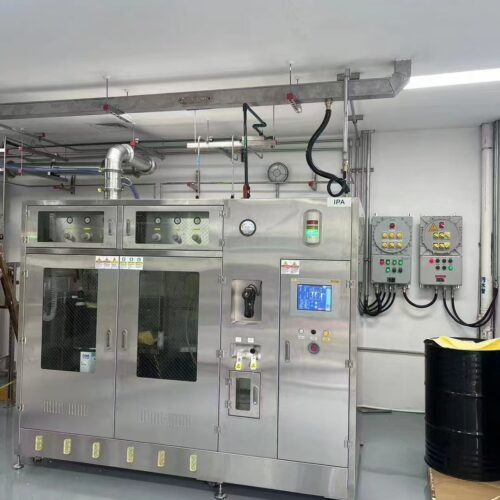
Precision Liquid Chemical Delivery Module (CDM) with PLC Control for Parts-Per-Trillion Purity in Solar Cell Production
-
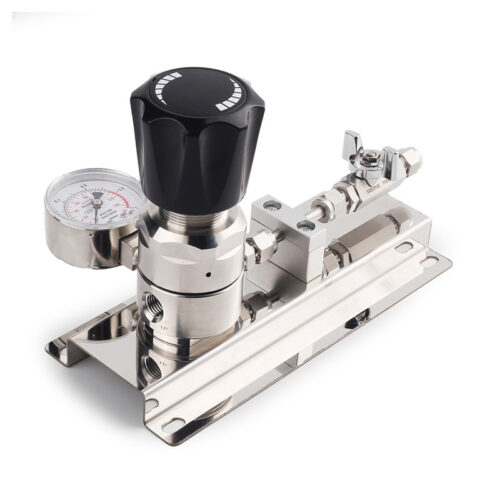
Buy Cleanroom Certified Ultra High Purity Gas Valve Equipment Designed For Advanced Solar Lines
-
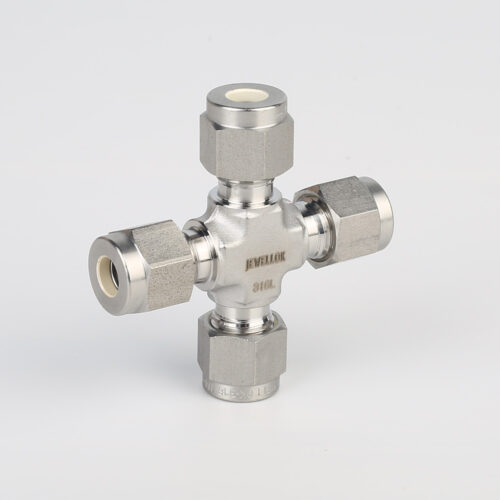
7102L Stainless Steel 316L SS Union Cross Ultra High Purity Long Arm Union Elbow Tee Cross Butt Weld Fittings
-
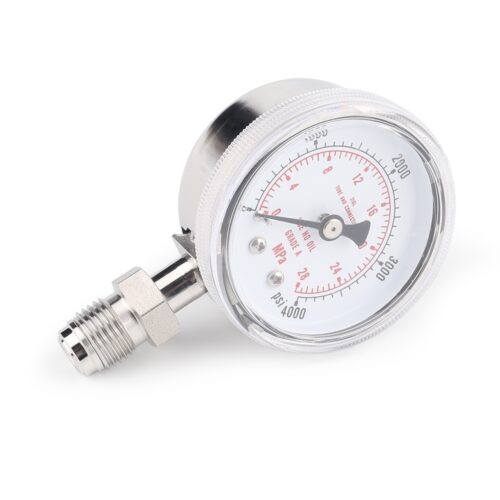
Ultra High Purity Oxygen Pressure Gauge For Semiconductor Gases JG Series Pressure Instruments For Semiconductor Manufacturing
-
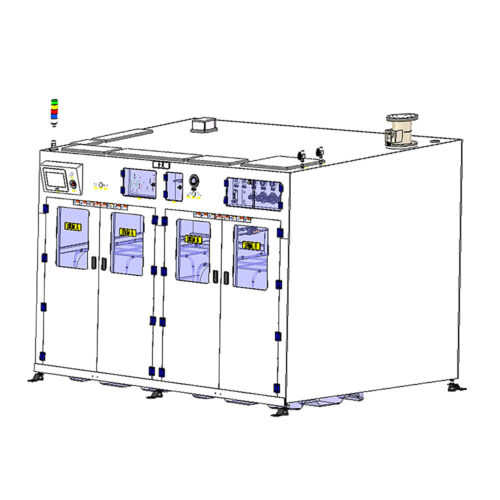
High Purity Chemical Dispense System & Packing System For Semiconductors JW-200L-CDM & JW-1000L-CDM
-
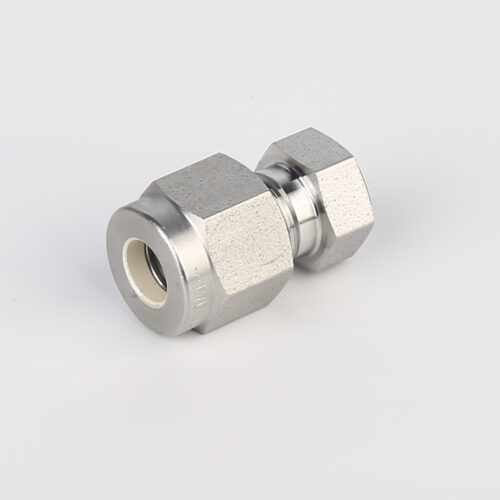
7108L Cylinder Cap Connectors For Ultra High Purity Gases
-
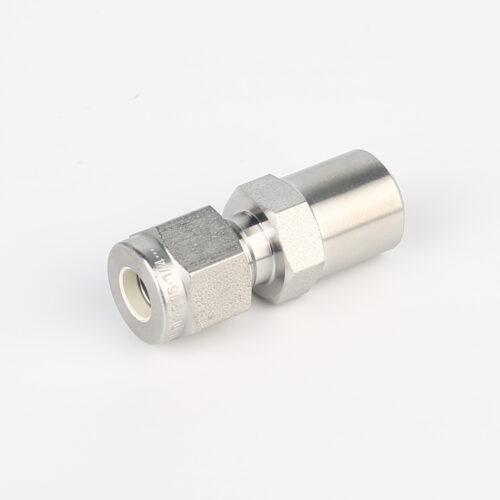
768LN Stainless Steel Male Pipe Tube Butt Weld Connector And Tube Fittings Supplier