
















Nhà sản xuất van Điện thoại: +86 13380377051
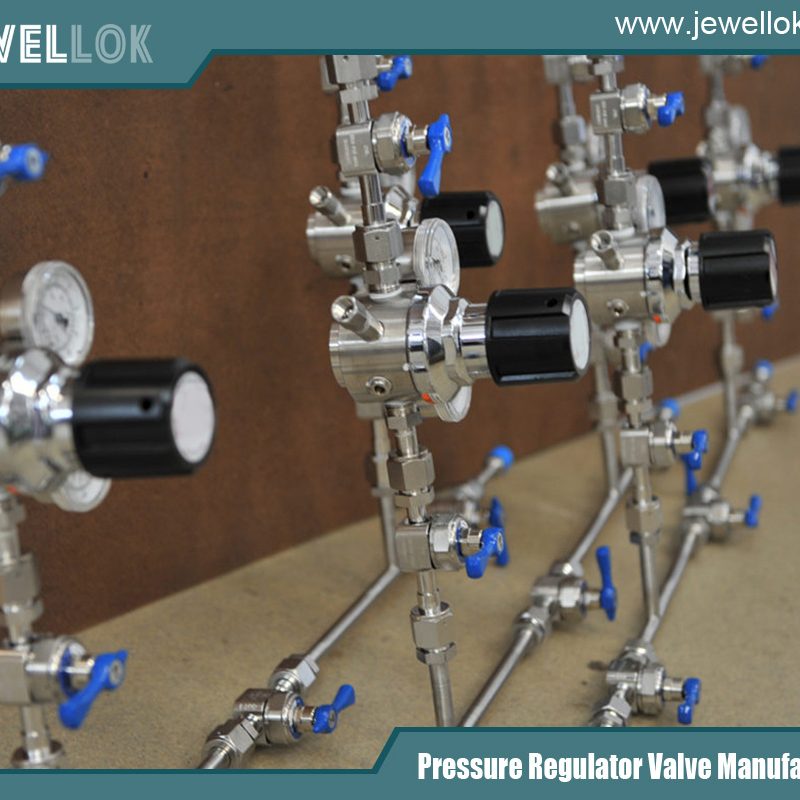
Làm thế nào để lựa chọn các đặc tính vật liệu cho lõi van bi?
Van bi are indispensable components in fluid control systems, widely used across industries such as oil and gas, chemical processing, water treatment, pharmaceuticals, and power generation. Their design features a spherical valve core—commonly referred to as the ball—with a bore through its center that rotates 90 degrees to open or close the flow path. This simple yet effective mechanism provides quick shutoff, low pressure drop, and reliable operation, making ball valves a preferred choice for both isolation and control applications. However, the performance, longevity, and safety of a ball valve heavily depend on the material selection for its core, as the ball directly interfaces with the fluid media, seats, and operational stresses.
Selecting the appropriate material for the valve core is a critical engineering decision influenced by factors like the fluid’s chemical composition, temperature, pressure, flow rate, and environmental conditions. Common materials include stainless steel, carbon steel, brass, bronze, plastics like PVC or PTFE-lined options, and specialized alloys such as Duplex or Inconel for extreme environments. Each material offers a unique combination of properties, but not all are equally suited to every application. Mismatches can lead to premature failure, leaks, contamination, or even catastrophic system breakdowns. For instance, in corrosive environments, improper material choice accounts for significant industrial losses, with corrosion-related damages estimated at billions annually in the U.S. alone.
Among the various material properties—such as mechanical strength, hardness, thermal resistance, wear resistance, and ductility—the question arises: which one should be prioritized when selecting a ball valve core? Based on industry standards, expert analyses, and practical applications, corrosion resistance emerges as the paramount property. This is because corrosion can undermine all other attributes; a strong but corroding ball will eventually fail, leading to operational inefficiencies and safety risks. Corrosion resistance ensures the core maintains its integrity over time, even in aggressive media, allowing other properties to perform as intended.
This article explores the rationale behind this prioritization, detailing key properties, common materials, and application-specific considerations to guide informed selection.
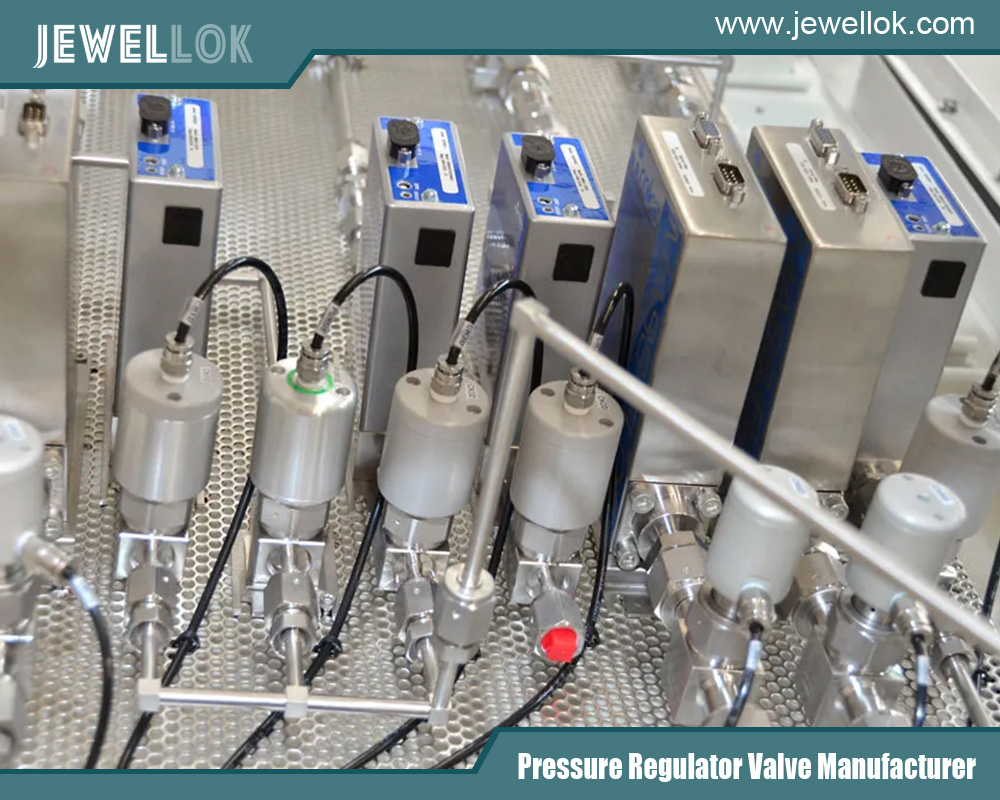
The Role of the Valve Core in Van bi
The valve core, or ball, is the heart of a ball valve, responsible for controlling fluid flow and ensuring tight sealing. In operation, the ball rotates via a stem connected to an actuator or handle, aligning its bore with the pipeline for open flow or perpendicular to it for closure. The ball’s surface must mate perfectly with the seats—typically made of softer materials like PTFE or elastomers—to achieve bubble-tight shutoff, often rated to ANSI Class VI standards.
The core endures constant exposure to the process fluid, which may be abrasive, corrosive, or subject to high velocities that induce erosion. It also experiences mechanical stresses from pressure differentials, torque during actuation, and thermal expansions. In floating ball designs, the ball “floats” between seats, relying on upstream pressure for sealing, while trunnion-mounted balls are fixed for high-pressure stability. Regardless of type, the core’s material must withstand these demands without deforming, cracking, or degrading.
Failure modes often originate from the core: pitting corrosion leading to leaks, galling from poor hardness causing seizure, or thermal fatigue in extreme temperatures. Thus, material selection directly impacts valve reliability, maintenance intervals, and total cost of ownership. Standards like API 608 and ASTM specifications outline requirements for core materials, emphasizing properties that align with service conditions.
Prioritizing the right property ensures the core not only performs but also extends the valve’s service life in challenging environments.
Common Materials Used for Ball Valve Cores
Ball valve cores are fabricated from a diverse range of materials, each tailored to specific needs. Stainless steel, particularly grades like SS304, SS316, and SS316L, is the most prevalent due to its balanced properties. SS316 offers enhanced corrosion resistance with added molybdenum, ideal for chloride-rich environments like seawater or chemical plants.
Duplex stainless steels (e.g., 2205) provide superior strength and pitting resistance for offshore applications. Carbon steel, such as ASTM A105 or A216 WCB, is favored for non-corrosive, high-pressure services in oil and gas, offering excellent mechanical strength at a lower cost. However, it requires coatings or alloys to combat oxidation.
Brass and bronze cores, alloys of copper and zinc/tin, are common in low-pressure, water-based systems for their machinability and moderate corrosion resistance, though susceptible to dezincification in chloride solutions. Plastic materials like PVC, PP, or PVDF are used for low-temperature, corrosive applications in water treatment or acids, providing chemical inertness but limited pressure and temperature ratings.
For high-temperature scenarios, alloys like Inconel or Hastelloy resist extreme heat and corrosion in petrochemical reactors. Ceramic or tungsten carbide coatings enhance wear resistance in abrasive slurries. The choice hinges on balancing properties with cost, but corrosion resistance often dictates the baseline material.
Key Material Properties for Valve Cores
When evaluating materials for ball valve cores, several properties must be considered, each contributing to overall performance. Corrosion Resistance: This is the ability to withstand chemical attack from the fluid media, preventing pitting, crevice corrosion, or uniform degradation. Materials like stainless steel excel here due to passive oxide layers. In corrosive environments, poor resistance leads to material loss, leaks, and contamination—issues responsible for up to 60% of chemical equipment failures. Standards like NACE MR0175 guide selection for sour service.
Mechanical Strength: Including tensile, yield, and compressive strength, this ensures the core withstands pressure without deforming. High-strength materials like carbon steel or Duplex are essential for ANSI Class 1500+ ratings, where pressures exceed 250 bar. However, strength alone is insufficient if corrosion weakens the structure over time.
Hardness and Wear Resistance: Measured by Rockwell or Vickers scales, hardness prevents scratching, galling, or erosion from particulates. Tungsten carbide coatings achieve HRC 68-72 for slurry applications. Wear resistance extends cycle life in high-velocity flows, but it’s secondary if corrosion exposes vulnerabilities.
Thermal Properties: Coefficient of thermal expansion, conductivity, and temperature limits affect performance in extreme conditions. Materials must resist brittleness at cryogenic levels (-196°C) or softening at high temperatures (up to 1035°C for SUS310S). Mismatches with seats can cause leaks due to differential expansion.
Chemical Compatibility and Ductility: Compatibility prevents reactions with media, while ductility allows slight deformation without cracking. Plastics offer excellent compatibility for acids but lack ductility under stress.
Cost and Machinability: While not performance properties, they influence selection; brass is affordable and easy to machine, but for critical applications, higher-cost alloys are justified. These properties interplay, but corrosion resistance is foundational, as degradation from corrosion amplifies failures in other areas.
Why Prioritize Corrosion Resistance?
In the hierarchy of material properties for van bi cores, corrosion resistance should be prioritized because it safeguards the valve’s integrity against the most common and insidious failure mode. The material of the sphere directly determines its long-term stability under chemical media, and choosing incorrectly is a leading cause of premature failure. Industries like chemicals and oil/gas face aggressive fluids—acids, salts, H2S—that attack unprotected metals, leading to pitting that compromises sealing and structural strength.
For example, in seawater applications, brass may suffer dezincification, while SS316 resists chloride-induced corrosion. Carbon steel, strong mechanically, oxidizes rapidly without protection, making it unsuitable for wet environments. Prioritizing corrosion ensures the core maintains its shape, surface finish, and sealing capability, allowing strength and hardness to endure.
Economic impacts reinforce this: corrosion costs industries $276 billion yearly in the U.S., much from valve failures. In high-stakes sectors, leaks from corroded cores can cause environmental hazards or shutdowns. While strength is vital for pressure, a corroded ball weakens regardless. Thermal resistance matters, but corrosion accelerates at high temperatures.
Application data supports this: in petrochemicals, SS or alloys are chosen for corrosion over pure strength materials. Even in non-corrosive media, corrosion resistance provides longevity against humidity or impurities.
Application-Specific Considerations
Prioritization can shift slightly by application. In high-pressure oil pipelines, mechanical strength takes precedence after baseline corrosion resistance, favoring carbon steel. For cryogenic LNG, thermal stability and low-temperature ductility are key, but with corrosion-resistant SS.
In abrasive slurries (mining), wear resistance via ceramics is emphasized, yet underlying corrosion protection is essential. Food/pharma prioritizes non-reactive, corrosion-resistant SS for hygiene. Across all, corrosion remains the gatekeeper.
Integration with Other Valve Components
The core’s material must align with seats and body. Soft seats like PTFE pair with hard, corrosion-resistant balls to avoid galling. Holistic selection ensures compatibility.
Phần kết luận
When selecting a ball valve core, prioritize corrosion resistance to ensure enduring performance amid diverse challenges. This property underpins others, minimizing failures and costs. By evaluating applications and using standards, engineers can optimize choices for reliability and efficiency.
For more about how to choose the material properties of ball valve core, you can pay a visit to Jewellok at https://www.jewellok.com/ Để biết thêm thông tin.
-
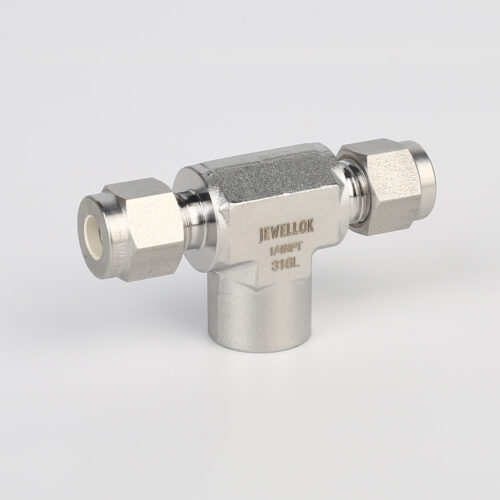
772 LF Khớp nối chữ T nhánh cái | Khớp nối ống bằng thép không gỉ, khớp nối chữ T nhánh cái, đường kính ngoài ống 1/2 inch x đường kính ngoài ống 1/2 inch x ren trong 3/8 inch NPT
-
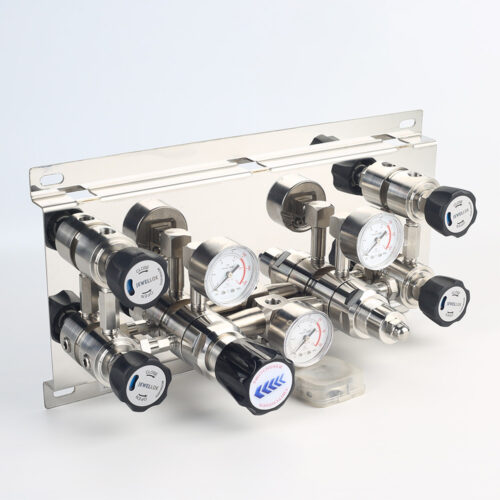
Tủ điều khiển áp suất cho hệ thống điều khiển khí tinh khiết cao dòng JSP-3AE từ các nhà cung cấp và sản xuất tủ điều khiển áp suất.
-
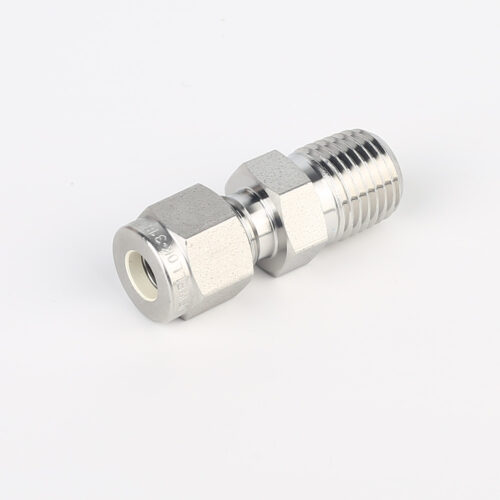
Đầu nối hàn đối đầu ống thép không gỉ 768L | Phụ kiện hàn sạch và phụ kiện siêu tinh khiết
-
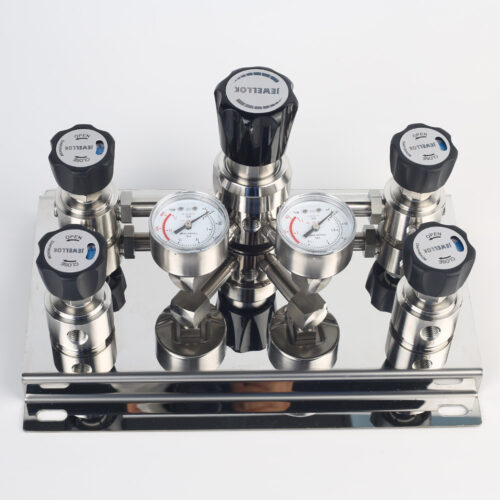
Bảng điều khiển áp suất gắn tường và tủ một tầng dòng JSP-2E dành cho khí tinh khiết cao
-
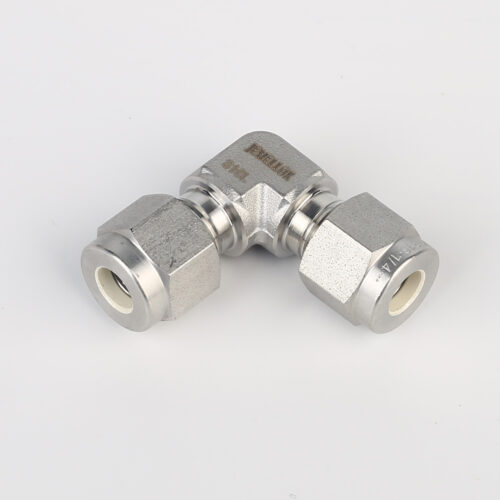
765L Stainless Steel Union Elbow Reducing High Purity Fitting Tubing Extension Tubing Connection
-
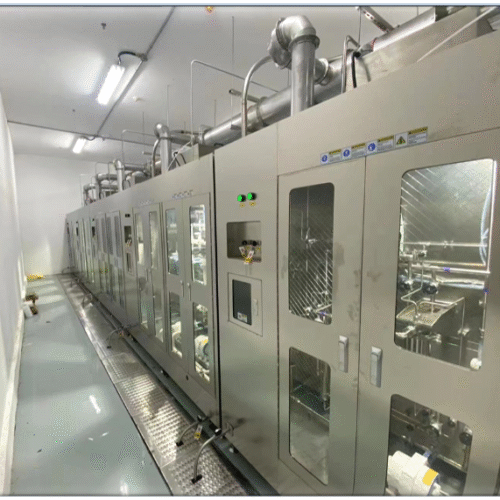
Hệ thống cung cấp hóa chất lỏng số lượng lớn siêu tinh khiết (BCDS) để duy trì độ tinh khiết ở mức phần tỷ trong sản xuất.
-

Hệ thống cung cấp hóa chất lỏng siêu tinh khiết và hệ thống xử lý vận chuyển hóa chất số lượng lớn cho phòng sạch sản xuất chất bán dẫn.
-
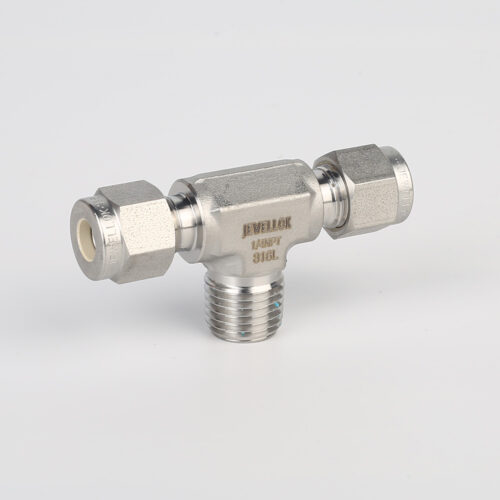
772L Male Branch Tee | Stainless Steel High-Purity Tube Fitting Male Branch Tee