




















Nhà sản xuất van Điện thoại: +86 13380377051
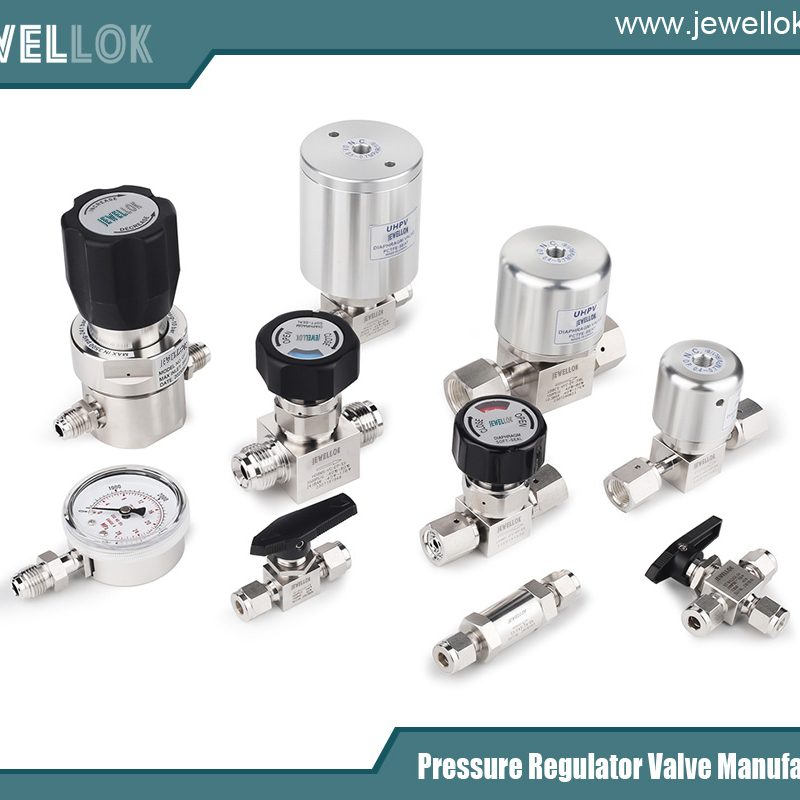
Tại sao các thiết bị cỡ nhỏ và trung bình lại ưa chuộng bộ điều chỉnh áp suất một cấp?
In the realm of industrial, medical, and even domestic applications, pressure regulators play a pivotal role in ensuring the safe and efficient delivery of gases and fluids. These devices are engineered to reduce high inlet pressures from sources like cylinders or compressors to lower, usable outlet pressures suitable for downstream equipment. Among the various types available, single-stage pressure regulators stand out for their widespread adoption in small and medium-sized equipment. But why is this the case? This article explores the reasons behind this preference, delving into the mechanics, advantages, and practical applications that make single-stage regulators the go-to choice for systems where simplicity, cost-effectiveness, and reliability are paramount.
Pressure regulators are essential in scenarios where uncontrolled high pressure could damage equipment, compromise safety, or disrupt processes. For instance, in welding operations, medical oxygen delivery, or pneumatic tools in small workshops, maintaining consistent pressure is crucial. Single-stage regulators accomplish this reduction in a single step, contrasting with multi-stage variants like two-stage regulators, which perform the task in multiple phases for enhanced precision. The preference for single-stage models in smaller setups stems from their straightforward design, which aligns perfectly with the operational constraints and needs of modest-scale equipment.
Small and medium-sized equipment, often found in workshops, laboratories, portable devices, and light industrial settings, typically operates under conditions where inlet pressures are relatively stable and the required pressure reductions are not extreme. In such environments, the added complexity of two-stage regulators may be unnecessary, leading to higher costs without proportional benefits. According to industry insights, single-stage regulators dominate in applications requiring quick setup and minimal maintenance, making them ideal for businesses and users who prioritize efficiency over ultra-precise control.
This preference is not arbitrary; it is rooted in economic, technical, and practical considerations. As we dissect the components, compare alternatives, and examine real-world uses, it becomes evident why single-stage pressure regulators are favored. By the end of this exploration, readers will appreciate how these devices balance performance with practicality, ensuring they remain a staple in compact systems worldwide.
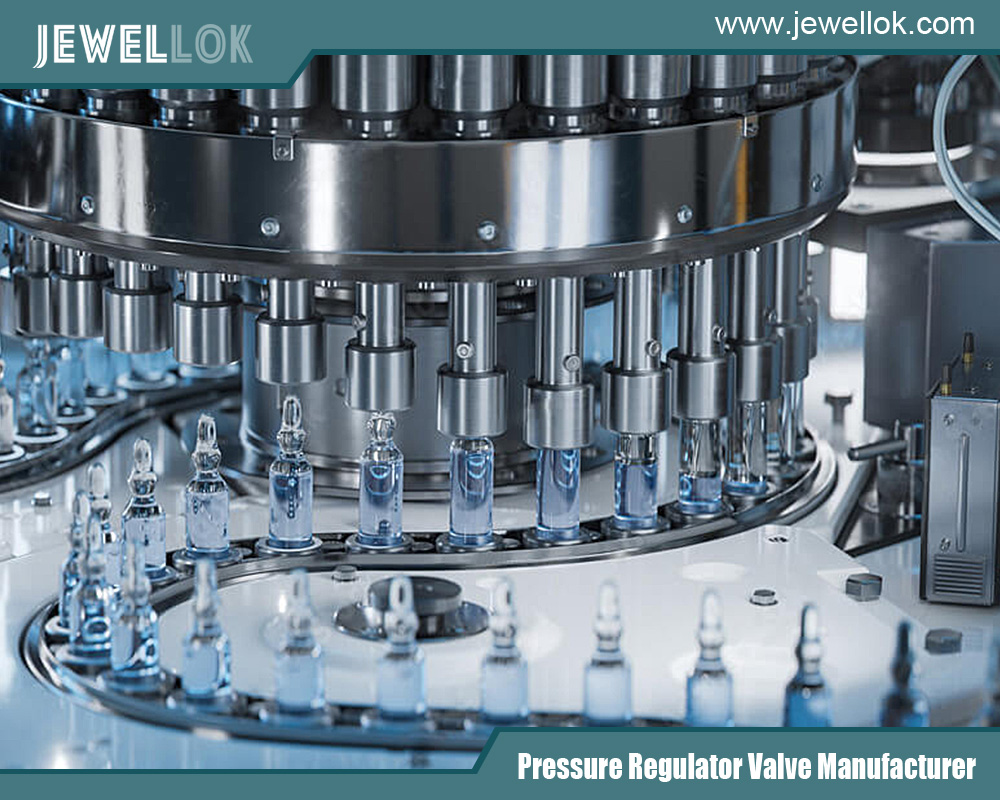
Understanding Pressure Regulators: The Fundamentals
To grasp why single-stage regulators are preferred in smaller equipment, one must first understand the basics of pressure regulation. At its core, a pressure regulator is a valve that automatically cuts off the flow of a liquid or gas at a certain pressure, preventing over-pressurization downstream. It operates on principles of force balance, where inlet pressure is countered by springs, diaphragms, or pistons to maintain a set outlet pressure.
There are primarily two categories: single-stage and multi-stage (commonly two-stage). Single-stage regulators reduce pressure in one chamber, using a single diaphragm and spring mechanism to adjust the valve opening based on outlet demand. When the downstream pressure drops due to increased flow, the diaphragm flexes, opening the valve to allow more fluid or gas through until equilibrium is restored. This simplicity makes them compact and lightweight, attributes highly valued in portable or space-constrained equipment.
In contrast, two-stage regulators employ an initial stage to drop the pressure to an intermediate level, followed by a second stage for fine-tuning to the desired outlet. This dual process minimizes variations caused by inlet fluctuations, offering superior stability. However, this comes at the expense of added components, increasing size, weight, and cost—factors that can be burdensome for small-scale operations.
The choice between these types hinges on application specifics. For small and medium-sized equipment, such as handheld pneumatic tools, laboratory gas chromatographs, or compact welding kits, the inlet pressure is often consistent, sourced from stable cylinders or compressors. Here, the minor pressure droop (a slight decrease in outlet pressure as flow increases) inherent in single-stage designs is tolerable, as it doesn’t significantly impact performance. Droop, quantified as a percentage change in pressure per unit flow, is higher in single-stage models but manageable in low-flow scenarios typical of smaller systems.
Moreover, materials like brass, stainless steel, or aluminum used in these regulators enhance durability while keeping them affordable. Safety features, including relief valves and gauges, are integrated without complicating the design, ensuring compliance with standards like those from the Compressed Gas Association (CGA). In essence, the fundamentals of pressure regulators reveal that single-stage variants excel in environments where over-engineering is counterproductive, aligning seamlessly with the needs of modest equipment.
Bộ điều chỉnh áp suất một cấp: Design, Features, and Advantages
Diving deeper into single-stage pressure regulators unveils why they are tailor-made for small and medium-sized equipment. Their design is elegantly simple: gas or fluid enters through an inlet port, passes a valve controlled by a sensing element (diaphragm or piston), and exits at reduced pressure. The adjustment knob compresses a spring against the diaphragm, setting the outlet pressure. This one-step process eliminates intermediate chambers, reducing potential failure points.
Key features include compact dimensions—often fitting in the palm of a hand—and low weight, making them ideal for portable applications like medical oxygen concentrators or small-scale gas chromatography systems. They handle inlet pressures up to 3000 psi, delivering outlets as low as 2-150 psi, sufficient for most non-critical tasks. Ventilation ports prevent over-pressurization, and optional filters protect against contaminants.
The advantages are multifaceted. Economically, single-stage regulators are significantly cheaper, often costing 30-50% less than two-stage counterparts due to fewer parts. This cost-saving is crucial for small businesses or hobbyists operating medium-sized equipment like benchtop CNC machines or aquarium aeration systems, where budgets are tight.
Simplicity translates to ease of use and maintenance. Installation requires minimal tools, and troubleshooting is straightforward—issues like leaks or droop are easily diagnosed without specialized knowledge. For medium-sized systems, such as those in automotive repair shops using air tools, this means less downtime and lower training costs for operators.
Reliability in stable conditions is another boon. When inlet pressure remains constant, single-stage regulators provide consistent output with minimal variation, outperforming expectations in controlled environments. In welding torches for small fabrication shops, for example, they ensure steady gas flow without the need for constant adjustments.
Furthermore, their smaller footprint allows integration into cramped spaces, like inside compact compressors or portable generators. Energy efficiency is enhanced as there’s less resistance in the flow path, reducing waste in battery-powered or low-power devices.
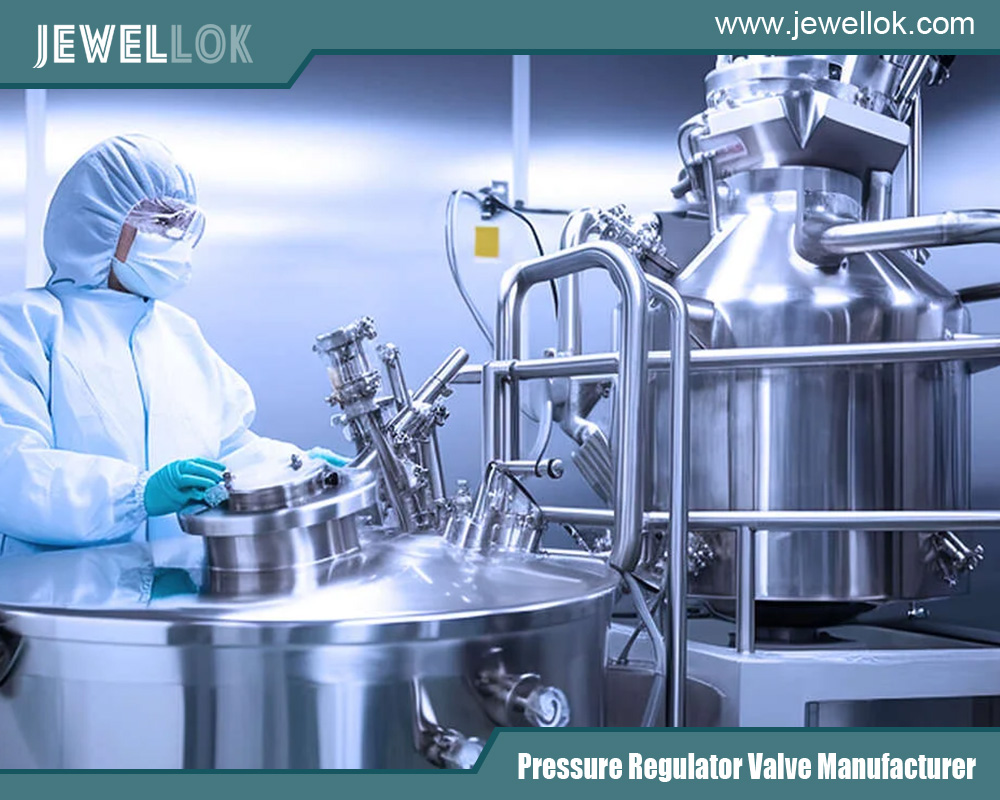
However, these advantages shine brightest in applications with low to moderate flow rates and stable supplies. For instance, in pharmaceutical labs using nitrogen for inerting small vessels, single-stage regulators maintain adequate pressure without the bulk of two-stage models. Overall, the design and benefits of single-stage regulators make them indispensable for equipment where performance meets practicality without excess.
Comparing Single-Stage and Two-Stage Regulators
A direct comparison highlights why single-stage regulators prevail in smaller setups. Structurally, single-stage units have one pressure-reducing mechanism, leading to higher droop—typically 10-20% variation—compared to two-stage’s 1-5%. Two-stage regulators mitigate this by using the first stage to absorb inlet fluctuations, delivering near-constant outlet pressure.
Performance-wise, two-stage excels in high-variability scenarios, like large industrial plants with depleting cylinders causing pressure drops. Single-stage, however, suffices for small equipment where cylinders are frequently replaced or compressors provide steady input.
Cost and complexity favor single-stage: fewer components mean lower manufacturing and repair expenses, appealing to medium-sized operations like food processing units using CO2 for carbonation in small batches. Two-stage models, with their intricate internals, demand more expertise for servicing.
Size and weight differences are stark; single-stage regulators are up to 50% lighter, facilitating use in portable medical ventilators or handheld spray guns. In terms of longevity, while two-stage may last longer under stress, single-stage’s simplicity reduces wear in intermittent use common to smaller systems.
When to choose? For precision-critical applications like calibration labs, two-stage is better. But for everyday tasks in workshops or home breweries, single-stage’s adequacy and affordability win out. This comparison underscores that for small and medium equipment, the trade-offs of single-stage are not drawbacks but optimizations.
Applications in Small and Medium-Sized Equipment
The real-world applications cement the preference for single-stage pressure regulators. In welding and cutting for small shops, they regulate acetylene or oxygen, providing reliable flow for tasks like metal fabrication without needing ultra-stability. Medium-sized equipment like plasma cutters benefits from their quick response and low cost.
In medical fields, portable oxygen therapy devices use single-stage for home care, where space and ease are key. Laboratories employ them for gas chromatography in benchtop analyzers, handling small pressure drops effectively.
Pneumatic systems in automotive garages rely on them for air tools, as factory compressors offer stable input. In agriculture, small irrigation pumps use them for fertilizer injection, appreciating the durability in field conditions.
Food and beverage industries utilize them in medium-scale bottling lines for CO2 regulation, where minor variations don’t affect product quality. Even in HVAC for residential units, they control refrigerant pressures efficiently.
Case studies show small manufacturers saving 20-30% on equipment costs by opting for single-stage, without compromising safety. These examples illustrate how single-stage regulators integrate seamlessly into compact systems, enhancing functionality while minimizing overhead.
Phần kết luận
In conclusion, small and medium-sized equipment prefers single-stage pressure regulators due to their cost-effectiveness, simplicity, compact design, and adequacy for stable applications. While two-stage offers precision, it’s often overkill for these scales. By choosing single-stage, users ensure efficient, reliable operation tailored to their needs, proving that sometimes, less is indeed more in engineering solutions. As technology evolves, these regulators will continue to adapt, solidifying their role in everyday equipment.
For more about why do small and medium-sized equipment prefer single stage pressure regulators, you can pay a visit to Jewellok at https://www.jewellok.com/ Để biết thêm thông tin.
-
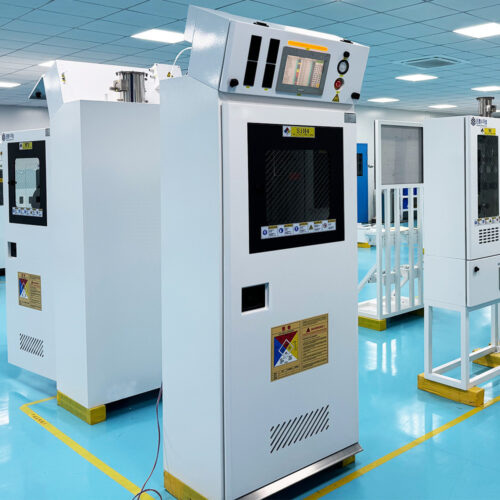
Hệ thống khí tích hợp (IGS) Hệ thống khí tích hợp dạng mô-đun (TMS) Hệ thống cung cấp khí tích hợp cho ngành công nghiệp bán dẫn và phòng thí nghiệm
-
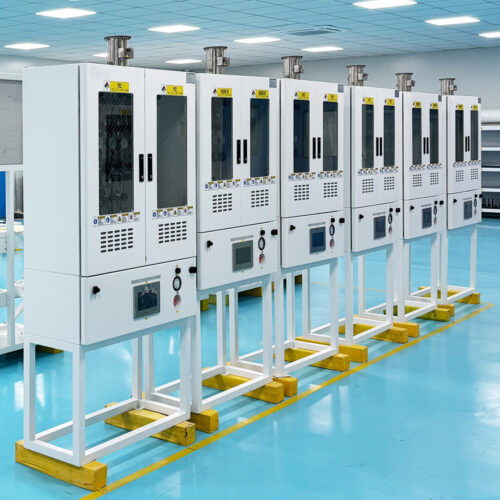
Mô-đun cung cấp hóa chất lỏng (CDM) cho sản xuất chất bán dẫn và sản xuất siêu tinh khiết
-

Hộp van phân phối hóa chất lỏng, thiết bị phân phối hóa chất, thiết bị chiết rót hóa chất bán tự động và tự động hoàn toàn.
-
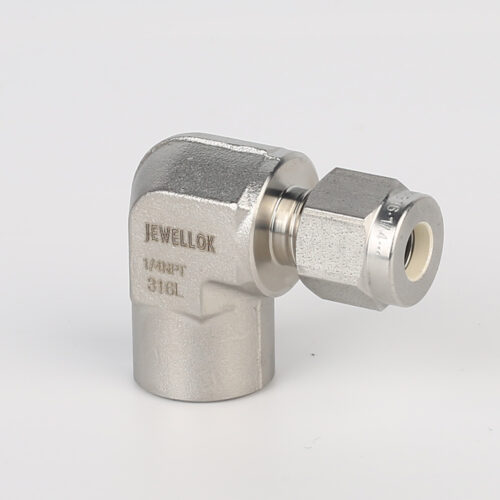
Cút nối ren trong 770L | Phụ kiện hàn bằng thép không gỉ độ tinh khiết cao, cút nối ren trong siêu nhỏ
-
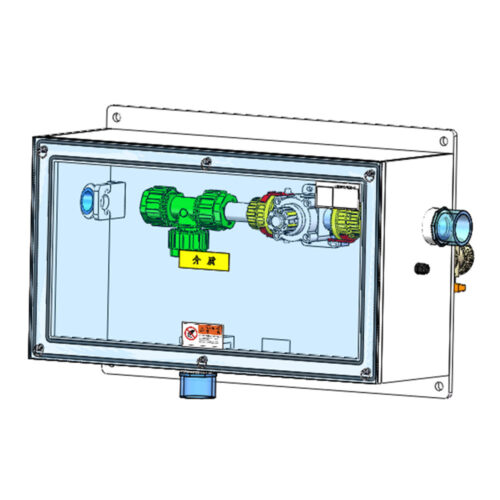
Tủ xử lý khí thải, thiết bị lọc khí, thiết bị xử lý khí thải ướt, tháp phun khí thải.
-
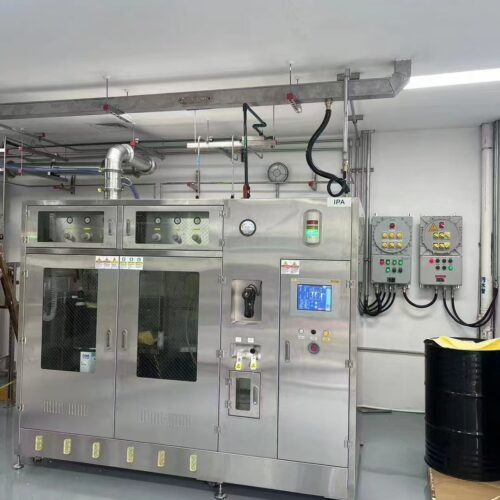
Mô-đun cung cấp hóa chất lỏng chính xác (CDM) với điều khiển PLC cho độ tinh khiết phần tỷ trong sản xuất pin mặt trời.
-
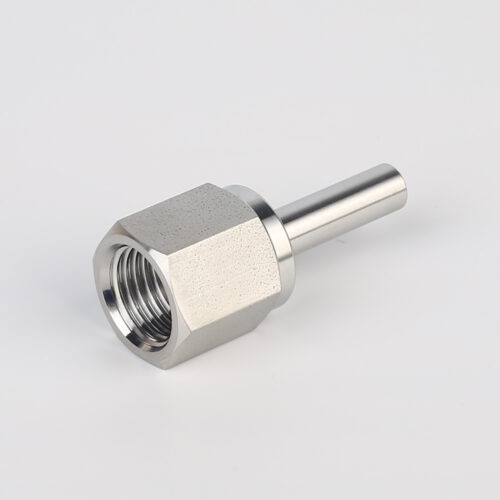
Bộ chuyển đổi ren trong 739LF độ tinh khiết cao dùng cho ống nối với các phụ kiện đường ống khác.
-
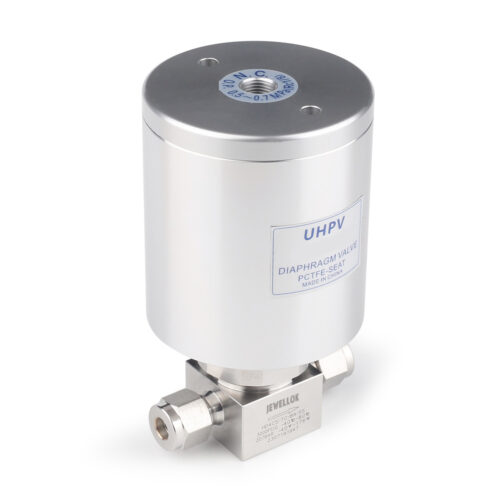
Van màng khí nén áp suất cao, độ tinh khiết cao, bằng thép không gỉ 316L dùng trong ngành bán dẫn, dành cho các loại khí đặc biệt trong phòng thí nghiệm.