
Valves Manufacturer Tel: +86 13380377051

What is a Chemical Delivery Module (CDM)?
In the demanding ecosystem of high-tech manufacturing—specifically within semiconductor fabrication, photovoltaic (solar) energy, and advanced battery production—precision is the only currency that matters. While bulk systems move thousands of liters of raw chemicals across a factory, the final stage of delivery requires a much more sophisticated “gatekeeper.” This gatekeeper is the Chemical Delivery Module (CDM).
A CDM is an automated, high-purity sub-system designed to receive raw or concentrated chemicals and transform them into precise, process-ready fluids. Positioned at the “point-of-use” (POU), it acts as the bridge between a facility’s bulk storage and the high-value production tools where the actual manufacturing occurs.
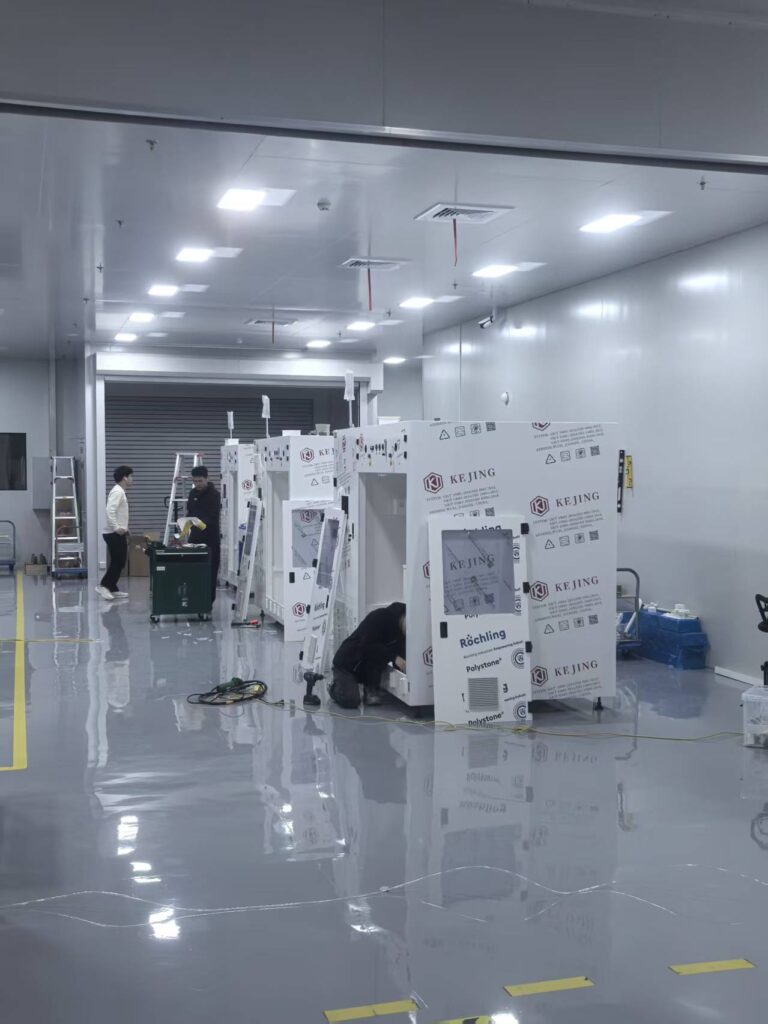
- The Core Purpose: From Bulk to Precision
To understand a CDM, one must understand the “Blending Challenge.” Many industrial chemicals, such as etchants (Hydrofluoric acid), solvents, or slurries for Chemical Mechanical Planarization (CMP), are shipped in high concentrations. Using these in their raw state would destroy a silicon wafer.
The CDM’s primary function is precision dilution and blending. It takes a concentrated chemical and mixes it with Ultra-Pure Water (UPW) or other additives according to a specific “recipe.” This ensures that the chemical hitting the production line has the exact pH, concentration, and temperature required for that specific manufacturing step.
- Engineering the “Zero-Contamination” Environment
In sub-micron manufacturing (such as 5nm or 3nm chip nodes), a single speck of dust or a microscopic metallic ion is a “killer defect.” Therefore, a CDM is defined by its materials as much as its logic.
Material Integrity: 316L and Electropolishing
Leading manufacturers like Shenzhen Jewellok Technology utilize 316L Stainless Steel for the CDM’s internal plumbing. To prevent the steel itself from “shedding” particles into the fluid, the metal undergoes Electropolishing (EP). This process smooths the internal surface to a mirror-like finish of 5Ra or better. This ultra-smooth surface prevents “micro-trapping,” where chemicals or bacteria can hide in microscopic grooves.
Fluoropolymer Alternatives
For highly corrosive acids that would eat through stainless steel, the internal wetted parts of a CDM are often made from high-performance plastics like PFA (Perfluoroalkoxy) or PTFE (Teflon). These materials offer near-total chemical inertness, ensuring that the fluid remains at parts-per-trillion (ppt) purity levels.
- Critical Components of a CDM
A CDM is a complex assembly of high-performance hardware, each designed for a specific role in maintaining purity and pressure.
- Ultra-High Purity (UHP) Diaphragm Valves: These are the “muscles” of the system. Unlike standard valves, UHP diaphragm valves use a metal-to-metal seal. This prevents the process fluid from touching the valve’s internal moving parts (the actuator), which could cause contamination or leaks.
- Precision Pressure Regulators: Stability is key. If the pressure of a chemical stream fluctuates, the etching rate on a wafer will be uneven. High-accuracy regulators ensure a constant, pulse-free flow.
- Mass Flow Controllers (MFCs) & Sensors: To achieve a perfect blend, the CDM uses ultrasonic or magnetic flow meters that measure liquid volume without physically touching the fluid, further reducing the risk of particle introduction.
- Buffer Tanks & Nitrogen Blanketing: Most CDMs include a small internal reservoir (buffer tank). To prevent the chemical from reacting with oxygen or moisture in the air, the tank is “blanketed” with high-purity Nitrogen (N2), creating a pressurized, inert atmosphere.
- Automation and “Smart” Intelligence
Modern CDMs are not manual machines; they are fully autonomous robots managed by Programmable Logic Controllers (PLC).
Recipe Management
A factory may produce different types of chips on the same line. The PLC allows the CDM to switch between different chemical recipes instantly. With a touch-screen interface, an operator can change a dilution ratio from 10:1 to 50:1 without touching a single pipe.
Predictive Maintenance and Monitoring
Connectivity is the future of fluid management. Modern CDMs are equipped with sensors that monitor:
- Filter life: Tracking pressure drops to signal when a filter is clogged.
- Leak Detection: Optical sensors at the bottom of the cabinet can detect a single drop of liquid and trigger an immediate “Emergency Stop” (E-Stop).
- Performance Analytics: By tracking valve cycles and flow rates, the CDM can predict when a part might fail. This predictive capability can reduce facility downtime by 25–30%, saving millions of dollars in lost production time.
- Safety: The Enclosure Architecture
Because CDMs often handle hazardous, toxic, or flammable materials, the physical cabinet is a marvel of safety engineering.
- Secondary Containment: The CDM is a “box within a box.” If a pipe inside leaks, the outer cabinet (the secondary containment) catches the chemical, preventing it from spilling onto the factory floor.
- Exhaust Systems: The cabinet is kept under constant negative pressure. Any fumes generated by volatile solvents are sucked into the facility’s scrubber system, protecting the human workers in the cleanroom.
- Cabinet Interlocks: If the cabinet door is opened during operation, sensors automatically shut down the chemical supply to prevent accidental exposure.
- Industry-Specific Impact
The application of a CDM varies depending on the industry, but the goal of consistency remains the same.
- Semiconductors: Used for Chemical Mechanical Planarization (CMP), where a chemical slurry is used to polish the surface of a wafer to atomic flatness.
- Photovoltaics (Solar): Used for the “texturing” of solar wafers, which increases their ability to absorb sunlight. Precise chemical delivery here directly translates to higher solar cell efficiency.
- EV Battery Manufacturing: In the production of Lithium-ion batteries, the CDM ensures that the electrolyte filling process is free from moisture and contaminants, which is critical for the battery’s safety and long-term cycle life.
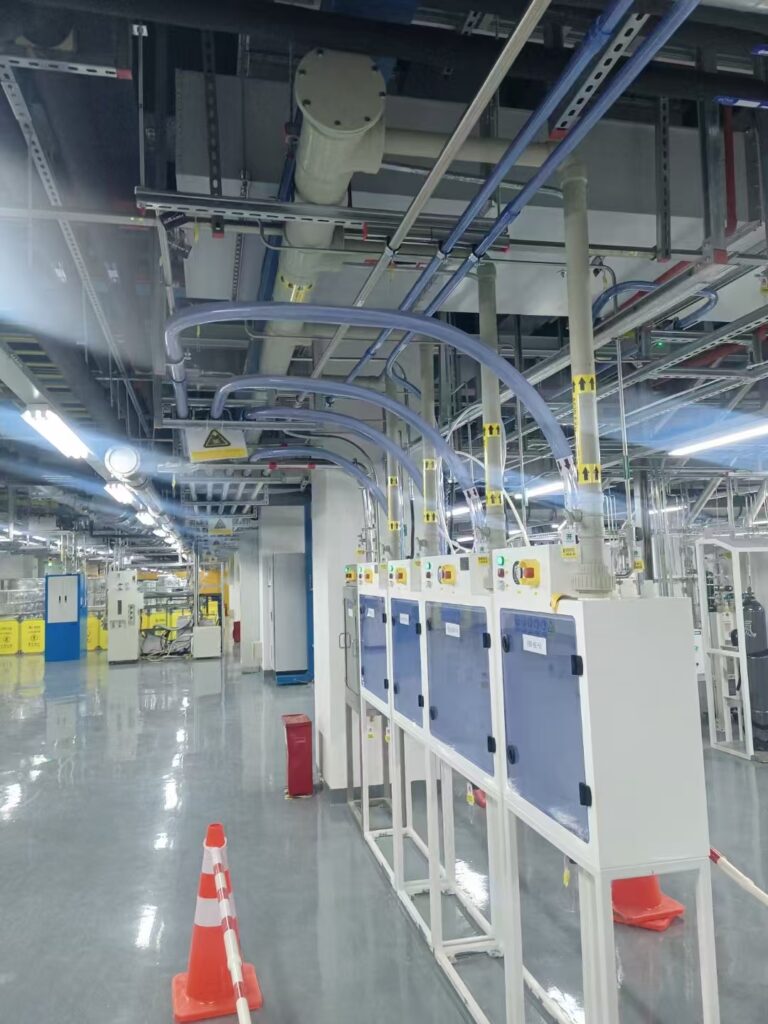
Conclusion: The Circulatory System of High-Tech Industry
If the bulk chemical tanks are the “stomach” of a factory, the Chemical Delivery Module (CDM) is the “heart.” It takes raw materials and pumps them with precision, purity, and safety into the most sensitive parts of the production process.
As manufacturing moves toward even smaller nodes and higher efficiencies, the role of the CDM will only expand. Companies like Shenzhen Jewellok Technology continue to push the boundaries of what is possible, integrating AI and advanced materials to ensure that the fluids powering our modern world—from the chips in our phones to the batteries in our cars—are delivered with absolute perfection.
For more about chemical delivery module (cdm), you can pay a visit to Jewellok at https://www.jewellok.com/product-category/chemical-delivery-system/ for more info.
-
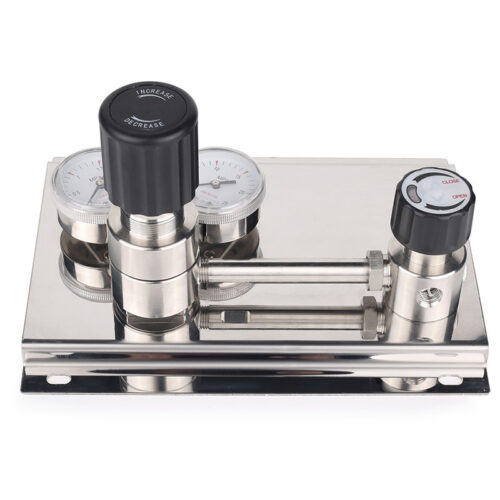
Stainless Steel Fully Automatic Gas Switchover Manifold System Automatic Gas Cylinder Switchover Co2 Cylinder Auto Changeover Controller
-

Organic Chemical Automatic Liquid Supply System Chemical Delivery And Waste Collection Systems CDS And CDM
-
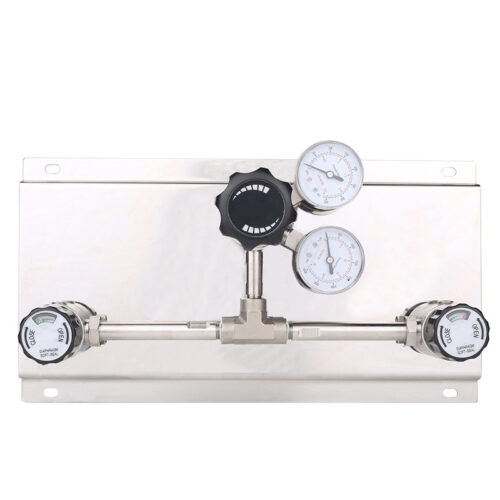
High Pressure High Flow Specialty Gas Control Panel With Diaphragm Valve , 3000Psig Oxygen Control Medical Changeover Manifold Panel
-
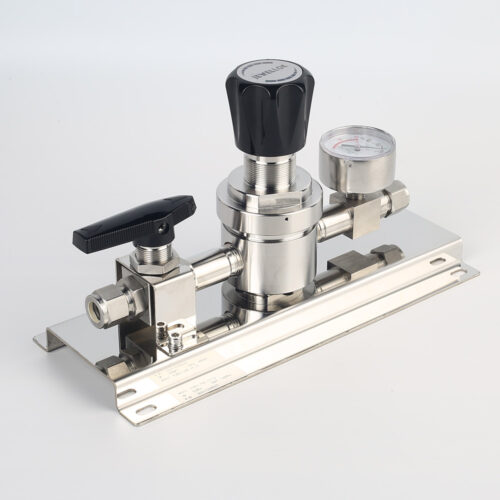
High Purity And Industria Gas Stick Assemblies Precise Pressure Control Gas Systems JSR-1ETG-BV Series
-
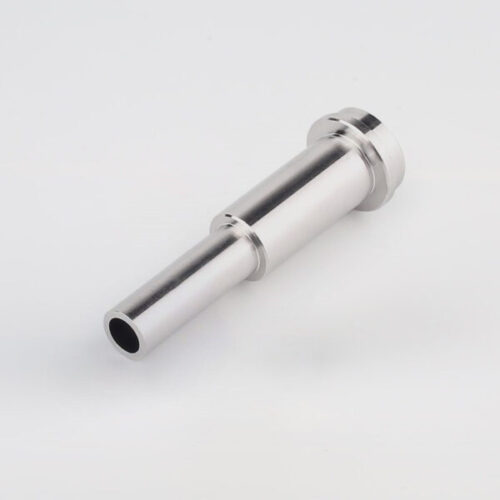
Long Gland LG Series For Ultra High Purity Gas And Chemical Delivery Systems
-
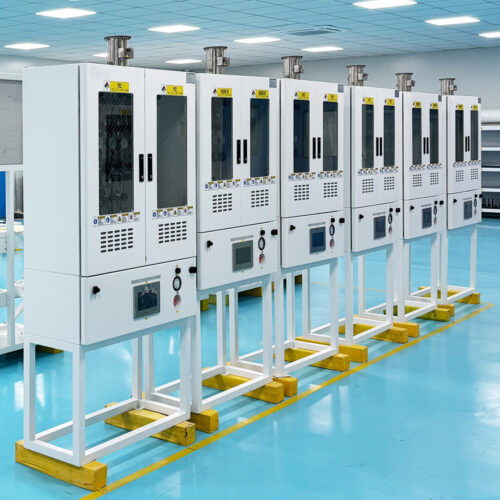
Ultra High Purity Gas Delivery Systems And Liquid Chemical Delivery Systems JW-300-LDS
-
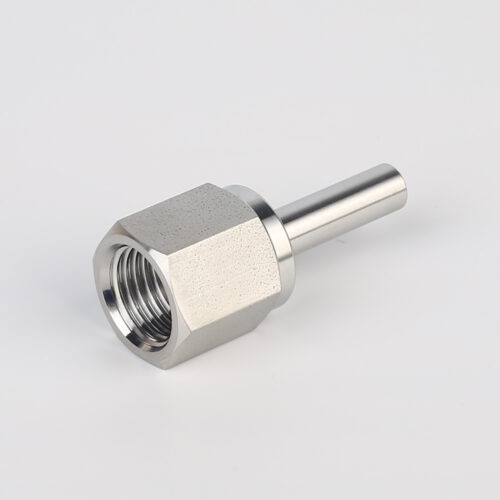
739LF High Purity Female Adapter Tube To Pipe Fittings And Connectors
-
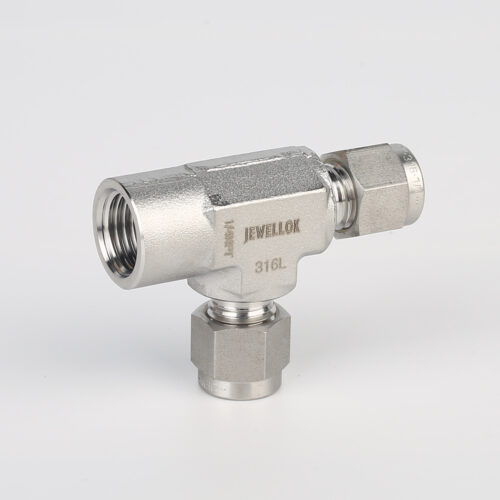
771LF Female Run Tee | Stainless Steel Tube Fitting Compression Fittings 1/4 In 3-Way Tee Female Run Tee