
Valves Manufacturer Tel: +86 13380377051
Navigating the Sulfur Cap: A Technical Deep Dive into Open and Closed Loop Exhaust Gas Scrubbers
The maritime industry, the lifeblood of global trade, has undergone one of its most significant technological and regulatory shifts in recent history. The International Maritime Organization’s (IMO) 2020 mandate, which capped the sulfur content in marine fuel at 0.50% m/m (down from 3.50%), forced shipowners and operators to make a critical choice: switch to more expensive, compliant low-sulfur fuels or invest in an exhaust gas cleaning system, commonly known as a scrubber.
For those who chose the latter, the decision didn’t end there. They were then faced with a fundamental engineering question: Open loop, closed loop, or hybrid?
This article provides a comprehensive technical overview of these systems, dissecting their operational principles, advantages, disadvantages, and the environmental and regulatory challenges that shape their deployment in the modern shipping landscape.
The Fundamentals: What is a Scrubber?
At its core, an exhaust gas scrubber is a reactor designed to remove sulfur oxides (SOx) from the exhaust of a marine engine or boiler. The principle is elegantly simple: SOx is acidic. By bringing the exhaust gas into intimate contact with an alkaline scrubbing medium, typically seawater or fresh water mixed with a caustic additive, an acid-base reaction occurs. The sulfur dioxide (SO₂) is neutralized, forming sulfates and sulfites, which are washed out as a byproduct. This “cleaned” exhaust can then be safely discharged into the atmosphere, meeting the stringent SOx emission limits.
The two primary methods of achieving this define the open and closed loop architectures.
1. The Open Loop Exhaust Gas Scrubber System: Nature as the Agent
The open loop scrubber is the more prevalent of the two systems, prized for its simplicity and lower operational costs. Its operation is entirely dependent on the natural alkalinity of seawater.
Operational Principle
-
Seawater Intake: The system draws in large volumes of seawater from the ship’s sea chest. This water is high in natural alkalinity, primarily bicarbonates and carbonates, which act as the scrubbing agent.
-
Scrubbing Process: This alkaline seawater is pumped into the scrubber reactor vessel. Inside, it is sprayed or cascaded through the hot exhaust gas stream. The SOx in the gas dissolves into the water droplets, where it rapidly reacts with the alkaline content. The primary reaction is: SO₂ + H₂O + ½O₂ → SO₄²⁻ + 2H⁺, with the alkalinity (HCO₃⁻/CO₃²⁻) neutralizing the produced acidity.
-
Washwater Treatment: The now-acidified water, laden with sulfates and unburnt particulates, exits the reactor. Before discharge, it passes through a water treatment unit, typically a hydrocyclone or a centrifuge, to remove sludge and particulate matter (soot and ash).
-
Discharge: The treated washwater, now containing only neutralized salts and the naturally occurring components of seawater, is then discharged directly back overboard. The sludge collected is stored onboard for later disposal at port reception facilities.
Advantages of Open Loop
-
Low Operating Expenditure (OPEX): The primary scrubbing agent is freely available seawater. The only significant consumable cost is the electricity required to run the powerful pumps that move the large volumes of water.
-
Simplicity: With fewer components (no holding tanks, complex water treatment packages for recirculation, or chemical dosing systems), the open loop system is generally less complex to install and maintain.
Disadvantages and Constraints
-
Geographic Limitations: This is the system’s Achilles’ heel. Its effectiveness is directly tied to the ambient water’s alkalinity. In brackish waters, estuaries, or low-alkalinity freshwater environments, the scrubbing process becomes inefficient and is often prohibited. Furthermore, many ports, territorial waters, and even entire regions (like Belgium, Ireland, and several German and U.S. states) have banned the discharge of open loop washwater due to concerns about local water acidification and heavy metal contamination.
-
High Pumping Power: The need to move immense quantities of seawater results in a significant auxiliary power demand, typically in the range of 1-2% of the main engine’s power, which translates to a minor but tangible increase in fuel consumption.
2. The Closed Loop Scrubber System: A Self-Contained Solution
In response to the geographical restrictions of open loop systems, the closed loop scrubber was developed. It operates as a self-contained unit, treating the washwater for reuse and storing waste for onshore discharge.
Operational Principle
-
Fresh Water as Medium: The system uses a much smaller volume of fresh water that is continuously recirculated through the scrubber. Fresh water has negligible natural alkalinity, so it cannot neutralize SOx on its own.
-
Caustic Dosing: To create an effective scrubbing medium, a highly alkaline chemical—typically sodium hydroxide (NaOH, or caustic soda)—is dosed into the recirculating water. This creates a powerful solution that readily absorbs and neutralizes SOx from the exhaust gas.
-
Continuous Monitoring and Control: The pH of the scrubbing water is constantly monitored. The control system automatically adjusts the rate of caustic soda injection to maintain the optimal pH level, ensuring maximum SOx removal efficiency (often exceeding 98%).
-
Water Treatment and Bleed-Off: As the recirculating water scrubs the exhaust, it accumulates byproducts—sodium sulfates (the neutralized salt) and soot particles. To prevent these from reaching saturation, a small, controlled amount of this “spent” water is continuously bled off into a holding tank.
-
Onboard Storage and Discharge: This bleed-off water is stored in a dedicated holding tank onboard. The sludge and particulate matter are separated from the water, usually in a water treatment unit, and stored as sludge. The remaining water, which is now primarily a saline solution, is held in the tank until the vessel reaches a port with adequate reception facilities, where it is discharged for proper processing. The treated water in the system is replenished with fresh water.
Advantages of Closed Loop
-
Total Operational Freedom: This is the defining advantage. A closed loop scrubber can operate anywhere—in ports, on rivers, in freshwater lakes, and in any coastal waters—because there is no overboard discharge of untreated or treated process water during normal operation. It is a true zero-discharge solution when operating in closed mode.
-
Physical Footprint: Because it recirculates a relatively small volume of water, the piping, pumps, and reactor can be smaller compared to the massive pumps required for an open loop system.
Disadvantages and Constraints
-
High Operating Expenditure (OPEX): The closed loop system’s ongoing costs are significantly higher. The primary driver is the continuous consumption of caustic soda, which is a hazardous chemical that requires careful sourcing, handling, and storage. Additionally, the sludge and collected washwater must be offloaded at port reception facilities, which incurs a fee. The costs of these consumables and waste disposal can be substantial.
-
Increased Complexity: The system requires more sophisticated equipment: chemical dosing units, pH monitoring and control systems, larger holding tanks, and robust safety measures for handling caustic soda. This complexity can mean more crew training and potentially higher maintenance requirements.
-
Logistics of Caustic Soda: Storing and handling large quantities of a hazardous chemical presents safety challenges and requires dedicated tank space, which can impact cargo-carrying capacity.
3. The Hybrid Scrubber: The Best of Both Worlds?
Recognizing the trade-offs between the two systems, manufacturers developed the hybrid scrubber. This system is designed to offer maximum operational flexibility by allowing the vessel to switch between open and closed loop modes.
In a hybrid configuration, the scrubber system includes the components of both architectures. The ship has the piping, pumps, and control logic to operate in open loop mode while at sea in unrestricted waters. When the vessel enters a port or a regulated area where discharge is prohibited, it can seamlessly switch to closed loop mode, activating the caustic dosing unit, stopping overboard discharge, and redirecting the bleed-off to the holding tank.
This flexibility allows operators to minimize OPEX by using “free” seawater at sea, while still being able to trade anywhere without restriction. However, this comes at a price: a hybrid system is the most capital-intensive option, requiring the hardware and space for both operational modes.
The Byproduct Debate: Washwater and Sludge
No technical discussion of scrubbers is complete without addressing the environmental controversy surrounding their byproducts.
-
Open Loop Discharge: Critics argue that discharging acidic, heated, and particulate-laden washwater into the sea creates “dead zones” around shipping lanes and contributes to the overall acidification of the marine environment. The washwater contains heavy metals (from fuel and engine wear) and polycyclic aromatic hydrocarbons (PAHs), which can be toxic to marine life. Proponents counter that the discharge is quickly diluted and that the environmental impact is minimal and localized compared to the global atmospheric benefit of reduced SOx emissions.
-
Closed Loop Waste: While it eliminates continuous discharge, the closed loop system simply concentrates the problem. The sludge and collected washwater must be disposed of onshore. This shifts the environmental burden from the ocean to port reception facilities and waste treatment plants. If not managed properly, it can create a different set of environmental and logistical challenges. There are also concerns about the carbon footprint associated with manufacturing and transporting the caustic soda used in these systems.
Conclusion
Exhaust gas cleaning systems have proven to be a highly effective technological fix for the marine industry, allowing it to comply with the 2020 sulfur cap while continuing to use high-sulfur, lower-cost residual fuels. They are a testament to engineering ingenuity in the face of a massive regulatory challenge.
However, the choice between open, closed, and hybrid systems is not a simple one. It is a complex equation involving the vessel’s trading pattern, the operator’s risk tolerance regarding future regulations, capital expenditure budgets, and a commitment to managing operational costs.
While open loop systems dominate the current landscape due to their lower operating costs, the increasing number of regional bans on washwater discharge is pushing the industry toward closed loop and hybrid solutions. As environmental scrutiny intensifies, the long-term future of scrubbers themselves is uncertain, with some viewing them as a “bridging technology” until the industry fully transitions to alternative, zero-carbon fuels like green methanol, ammonia, or hydrogen. For now, the scrubber—in its various forms—remains a critical piece of technology at the heart of modern maritime operations, navigating the complex currents of regulation, economics, and environmental stewardship.
For more about navigating the sulfur cap: a technical deep dive into open and closed loop exhaust gas scrubbers, you can pay a visit to Jewellok at https://www.jewellok.com/ for more info.
-
Ultra High Purity Pressure Gauge For Laboratory And Semiconductor JR Series
-
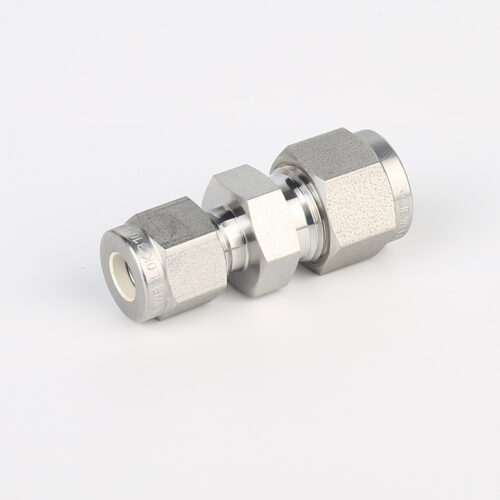
763L Stainless Steel High Purity Pressure Reducing Union Fittings And Tubing Pressure Reducing Valve Adjustment
-

Ultra High Purity Liquid Chemical Delivery System And Bulk Chemical Delivery Handling System For Semiconductor Cleanrooms
-
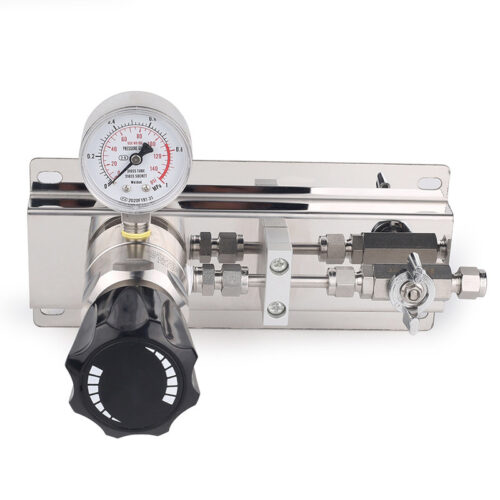
Medical Oxygen Single Stage Manual Gas Changeover Manifold Panel High-Purity Two-Stage Manual Gas Manifold Gas Pressure Control Panels
-
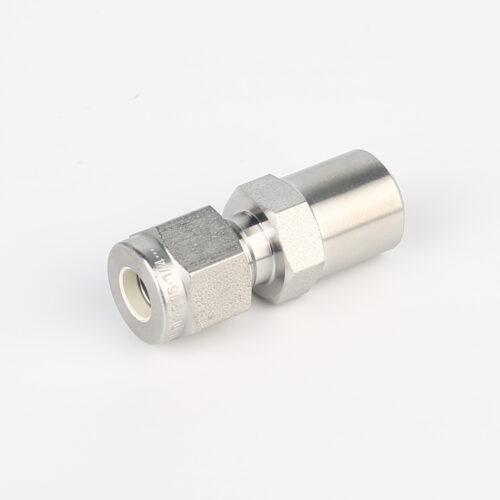
768LN Stainless Steel Male Pipe Tube Butt Weld Connector And Tube Fittings Supplier
-
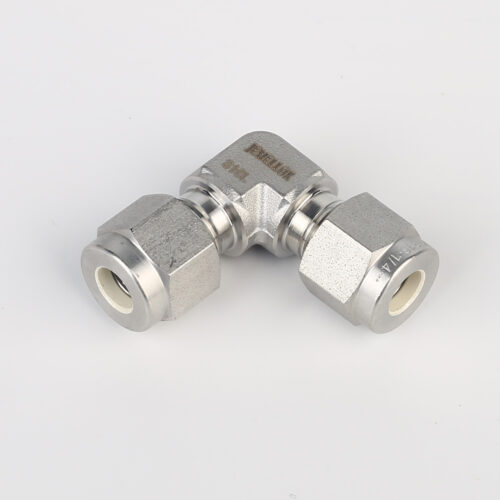
765L Stainless Steel Union Elbow Reducing High Purity Fitting Tubing Extension Tubing Connection
-
Stainless Steel Ultra Clean Welding Joint Fittings TW Series TRW Series & CW Series
-
Automatic Gas Switchover System Automatic Switchover Manifold Automatic Gas Cylinder Switchover