
Valves Manufacturer Tel: +86 13380377051

The Application of Exhaust Gas Scrubbing Equipment in Pharmaceutical Waste Gas Treatment
The pharmaceutical industry is a cornerstone of modern healthcare, yet its manufacturing processes generate complex and often hazardous waste gas streams. These emissions, characterized by volatile organic compounds (VOCs), acid gases, aerosols, and odorous substances, pose significant risks to both environmental and human health. Stringent environmental regulations worldwide mandate the effective treatment of these pollutants before discharge. Among the various air pollution control technologies, exhaust gas scrubbing equipment, particularly wet scrubbers, has emerged as a critical and versatile solution. This article delves into the technical intricacies of scrubbing systems, exploring their working principles, diverse configurations, and specific applications in tackling the unique challenges of pharmaceutical waste gas treatment.
1. The Challenge of Pharmaceutical Emissions
Pharmaceutical production involves a myriad of unit operations, including chemical synthesis, fermentation, extraction, drying, and tablet coating. Each of these steps can be a source of airborne pollutants. The waste gas from a pharmaceutical facility is rarely uniform; it is a dynamic mixture that can include:
-
Volatile Organic Compounds (VOCs): Solvents like acetone, methanol, methylene chloride, ethanol, and toluene are used extensively in synthesis and purification. Their release contributes to smog formation and can be toxic.
-
Acid Gases: Processes involving nitration, chlorination, or sulfonation can generate acid gases such as HCl, SO₂, and NOₓ, which are corrosive and harmful to the respiratory system.
-
Particulate Matter and Aerosols: Dust from raw material handling and drying, as well as liquid mists or aerosols from reactors and centrifuges, can carry active pharmaceutical ingredients (APIs) and other compounds.
-
Odorous Compounds: Many organic intermediates and by-products, such as mercaptans and amines, have extremely low odor thresholds, leading to nuisance complaints from nearby communities.
The failure to adequately treat these emissions can result in regulatory non-compliance, environmental damage, and reputational harm. This has driven the adoption of robust end-of-pipe treatment technologies, with wet scrubbing being a primary choice due to its effectiveness and adaptability.
2. The Working Principle of Gas Scrubbing
Exhaust gas scrubbing is a mass transfer operation designed to remove gaseous pollutants by contacting the contaminated gas stream with a liquid solvent, typically water or a chemical solution. The fundamental principle is the transfer of the pollutant from the gas phase to the liquid phase, where it is absorbed, neutralized, or chemically reacted.
The process is governed by two key physical and chemical concepts:
-
Solubility and Mass Transfer: The driving force for absorption is the difference in partial pressure of the pollutant in the gas phase and its equilibrium concentration in the liquid phase (as described by Henry’s Law). Highly soluble gases like HCl or NH₃ are easily absorbed into water. For less soluble gases like VOCs, the scrubbing liquid must be carefully selected (e.g., using a non-volatile oil or chemical reactant) to maintain a high concentration gradient.
-
Chemical Reaction: The absorption rate can be dramatically enhanced if the dissolved pollutant reacts with a reagent in the scrubbing liquid. This chemical reaction consumes the pollutant in the liquid phase, keeping its concentration low and maintaining a strong driving force for further absorption. For example, scrubbing an acid gas like HCl with a caustic (NaOH) solution results in an instantaneous reaction to form a salt (NaCl) and water, making removal highly efficient.
A typical scrubbing system comprises several key components: the scrubber vessel (column), a packing material or internal structure to maximize gas-liquid contact, a liquid recirculation system with pumps, a mist eliminator to capture entrained droplets, and a chemical dosing system to maintain the scrubbing liquid’s effectiveness.
3. Types of Scrubbing Systems in Pharmaceutical Applications
The specific design of a scrubber is dictated by the nature of the pollutant and the gas stream. In the pharmaceutical industry, three main types are prevalent:
3.1. Packed Bed Scrubbers
This is the most common configuration for treating gaseous pollutants. The scrubber tower is filled with random or structured packing media (e.g., saddles, rings) which provides a large surface area for contact. The scrubbing liquid is sprayed from the top and trickles down over the packing, while the contaminated gas flows upward (counter-currently) or cross-currently. The intimate contact allows for efficient mass transfer.
-
Application: Ideal for absorbing soluble gases like ammonia and acid gases (HCl, H₂SO₄ mist), and, when coupled with the right chemical reagent, for removing a wide range of VOCs.
3.2. Venturi Scrubbers
Venturi scrubbers excel at removing fine particulate matter and aerosols. The gas stream is accelerated to high velocity through a constricted “throat” section. Scrubbing liquid is injected into the throat, where it is atomized into tiny droplets by the high-velocity gas. The intense turbulence and high relative velocity between the gas and droplets cause fine particles and liquid mists to collide and agglomerate with the droplets. These larger agglomerates are then easily separated in a downstream cyclone separator.
-
Application: Effective for capturing API dust from dryer exhausts, aerosols from chemical reactors, and fumes from high-temperature processes.
3.3. Multi-Stage Scrubbers
Given the complex mixture of pollutants in pharmaceutical waste gas, a single-stage scrubber is often insufficient. Multi-stage scrubbers combine different scrubbing mechanisms or chemistries within a single vessel or in a series of towers. For instance, a single column might have two packed beds: the lower bed could use an acidic solution to remove basic compounds like amines, while the upper bed could use a caustic/oxidizing solution to remove acid gases and oxidize VOCs. This “one-pass” approach is highly efficient and saves space.
-
Application: Treating complex gas streams containing a mix of acid gases, solvents, and odorous compounds from a multi-purpose production plant.
4. Specific Applications in Pharmaceutical Manufacturing
The versatility of scrubbing technology allows it to be tailored to various points within a pharmaceutical facility.
4.1. Solvent-Laden Exhaust from Chemical Synthesis
Reactor vents, centrifuge exhausts, and dryer outlets are major sources of solvent VOCs. A common strategy is to use a multi-stage scrubber. The first stage might use chilled water to recover water-soluble solvents like alcohols and acetone, allowing for potential reuse. The second stage could use a chemical oxidant like sodium hypochlorite (NaOCl) or hydrogen peroxide (H₂O₂) to destroy more recalcitrant and odorous organic compounds. This significantly reduces the VOC load before the air is either discharged or sent to a final polishing step like a carbon adsorber.
4.2. Acid Gas and Ammonia Abatement
Processes involving halogenation or the use of strong mineral acids produce corrosive acid gases. A caustic scrubber, circulating a solution of NaOH, is the standard solution. The reaction is highly efficient, converting HCl gas to harmless sodium chloride brine. Similarly, ammonia (NH₃) fumes, common in fermentation and some synthesis steps, are effectively removed using an acid scrubber, typically with sulfuric acid (H₂SO₄), producing ammonium sulfate, which can sometimes be sold as a fertilizer.
4.3. Odor Control
Odorous compounds, even at parts-per-billion concentrations, can cause significant off-site nuisance. Odor control often requires a combination of approaches. For example, a two-stage chemical scrubber is highly effective:
-
Stage 1 (Acid Scrub): Removes alkaline odorous compounds like amines and ammonia.
-
Stage 2 (Oxidizing Scrub): Uses an oxidant like NaOCl at a controlled pH to chemically destroy reduced sulfur compounds (e.g., mercaptans, hydrogen sulfide) and many other odorous VOCs.
This dual-action approach ensures a non-detectable odor at the facility fence line.
4.4. Containment of High-Potency APIs
In the manufacture of highly potent active pharmaceutical ingredients (HPAPIs), worker safety and environmental release are critical. Scrubbers play a vital role in containment. By connecting reactor vents and equipment breaches to a high-efficiency scrubber, any fugitive dust or vapor containing trace amounts of the API is captured in the scrubbing liquid. The liquid is then treated as hazardous waste, preventing any release of the potent compound into the atmosphere.
5. Key Design and Operational Considerations
For a scrubbing system to be effective in the demanding pharmaceutical environment, several factors must be carefully considered:
-
Solvent Selection: For VOC control, water is often ineffective. The scrubbing liquid must be a solvent with a high affinity for the target VOC, such as a mineral oil or a specially formulated organic solvent. However, using a combustible solvent in the scrubber introduces fire safety concerns that must be addressed in the system design.
-
pH Control: Maintaining the correct pH is critical for chemical scrubbing. Automated pH control loops with precise dosing pumps ensure that the scrubbing liquid remains reactive (e.g., maintaining high pH for acid gas removal) and prevents the re-release of pollutants.
-
Mist Elimination: The cleaned gas leaving a scrubber is saturated with moisture and can carry fine droplets of the scrubbing liquid containing captured pollutants. High-efficiency mist eliminators (mesh pads or vane packs) are essential to prevent this “carryover,” which would otherwise be a source of secondary pollution (e.g., caustic or acid droplets exiting the stack).
-
Waste Stream Management: A scrubber transfers pollution from the air to a liquid. The resulting spent scrubbing liquor must be managed properly. This often involves on-site wastewater treatment or off-site disposal as hazardous waste. Designing for minimal liquid effluent, through techniques like bleed-off control and neutralization, is a key sustainability goal.
-
Material of Construction: The corrosive nature of many pharmaceutical chemicals demands robust materials. Common choices include polypropylene (PP) or polyvinyl chloride (PVC) for less aggressive service, and fiberglass-reinforced plastic (FRP) or stainless steel lined with fluoropolymers (like PTFE) for highly corrosive acid gas streams.
6. Conclusion
The treatment of waste gas in the pharmaceutical industry is a complex but non-negotiable requirement for responsible manufacturing. Exhaust gas scrubbing equipment provides a robust, flexible, and highly efficient solution to this challenge. From packed bed scrubbers that absorb soluble gases to high-energy Venturi scrubbers that capture fine aerosols and multi-stage systems that tackle complex pollutant mixtures, this technology is indispensable.
By enabling the safe and compliant removal of volatile organic compounds, acid gases, odorous substances, and potent pharmaceutical ingredients, scrubbers protect the environment, safeguard public health, and ensure the operational integrity of pharmaceutical facilities. As environmental regulations become ever more stringent and pharmaceutical processes grow more sophisticated, the role of advanced scrubbing systems will only become more central, driving innovation in scrubbing media, control systems, and waste minimization to create a cleaner and safer future for the industry.
For more about the application of exhaust gas scrubbing equipment in pharmaceutical waste gas treatment, you can pay a visit to Jewellok at https://www.jewellok.com/ for more info.
-
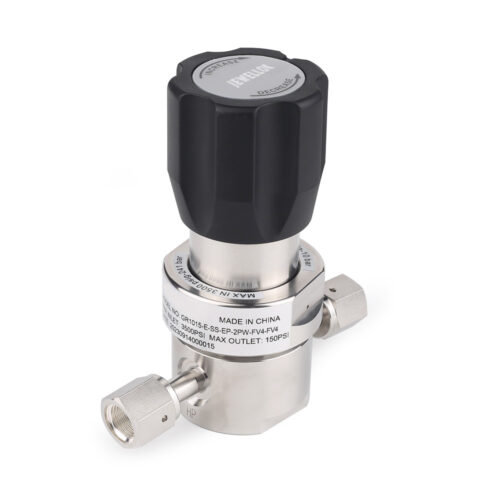
316L Vim Var Stainless Steel Ultra High Purity Gas Pressure Reducing Valve For Corrosive Specialty Gas Distribution
-
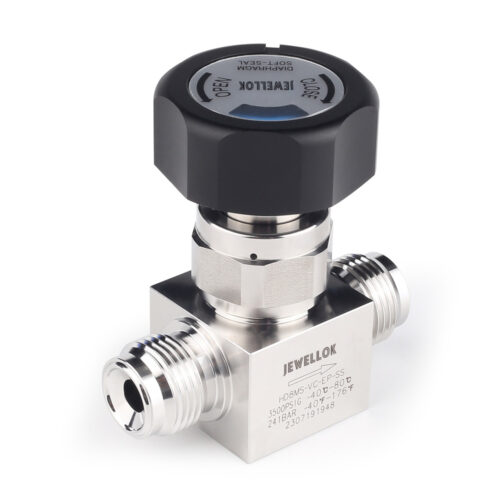
Ultra High Purity High Temperature Low Pressure Manual Diaphragm Valve Configurations Preventing Critical Process Virtual Leaks
-
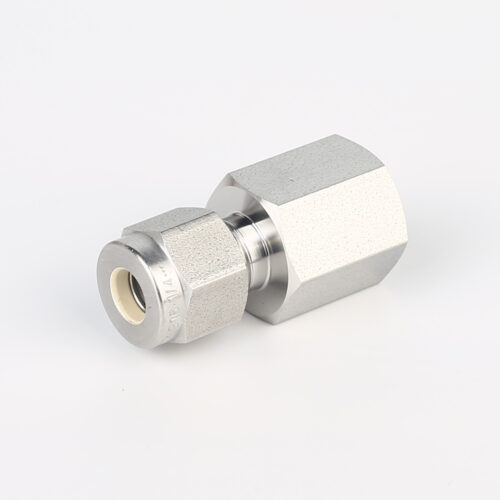
766L High Purity Female Connector UHP Fitting Female Connector
-
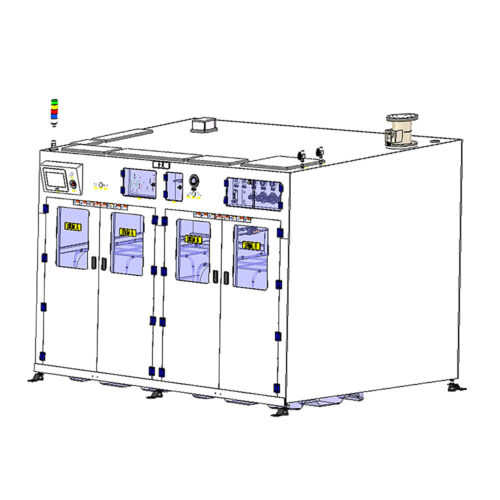
Laboratory Gas Scrubber System With Wet Scrubber Tail Gas Treatment And Acid Gas Neutralization Scrubber
-
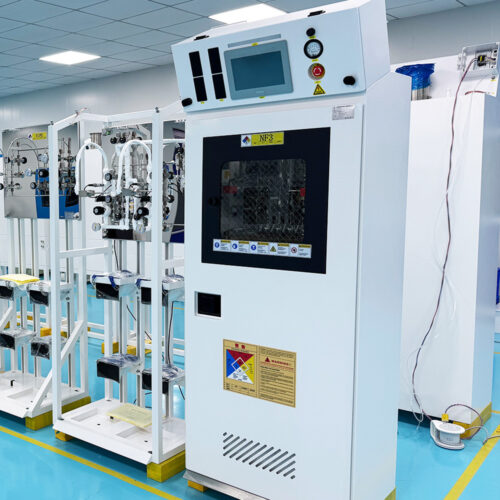
Semi Automatic Gas Cabinet Gas Panels High Purity Gas Delivery Systems JW-200-GC
-

UHP Liquid Chemical Delivery System (CDS) Implementation for High-Volume Photovoltaic and Renewable Energy Component Production Lines
-
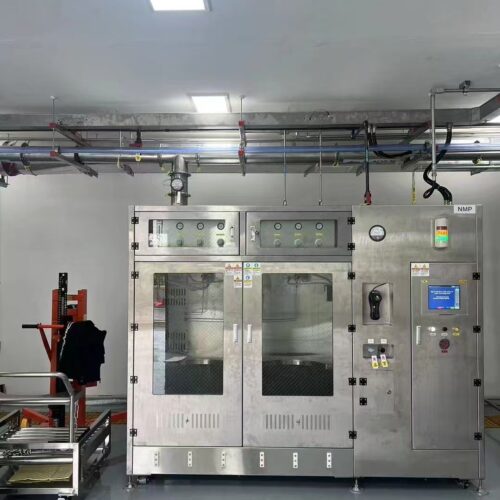
UHP Bulk Liquid Chemical Delivery System (BCDS) Implementation for High-Efficiency Photovoltaic and Solar Cell Production Lines
-
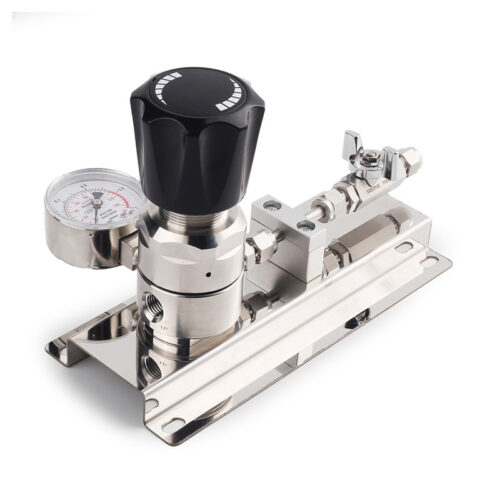
Buy Cleanroom Certified Ultra High Purity Gas Valve Equipment Designed For Advanced Solar Lines