
Valves Manufacturer Tel: +86 13380377051
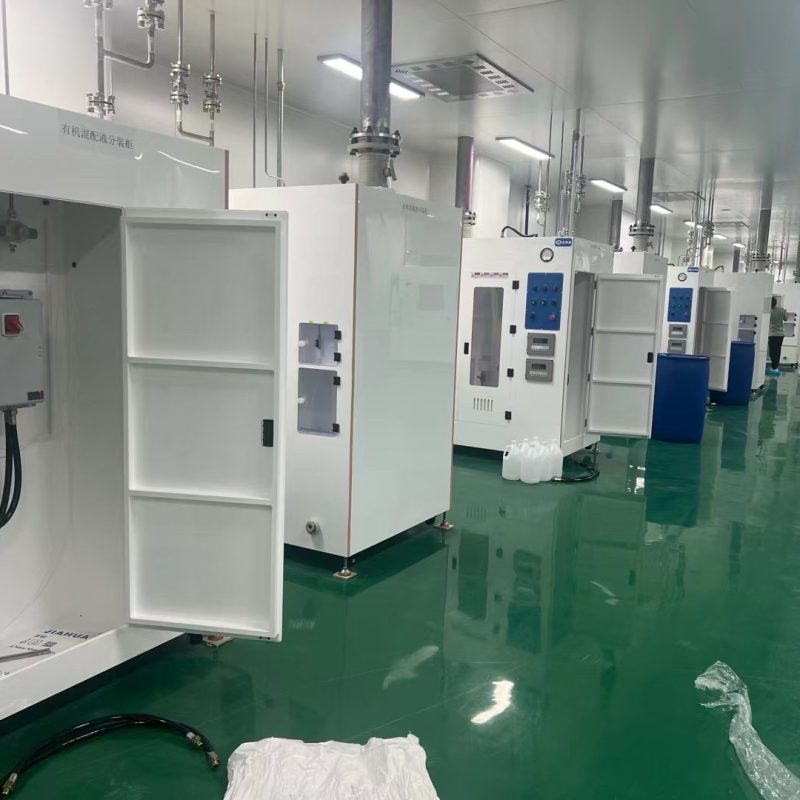
Applications of Gas Treatment Systems and Gas Scrubbers in Semiconductor Manufacturing
The semiconductor industry is one of the most technologically advanced manufacturing sectors in the world. From integrated circuits and memory chips to advanced microprocessors and display panels, semiconductor devices are essential components in modern electronics. However, semiconductor fabrication involves the use of numerous hazardous gases, volatile organic compounds (VOCs), corrosive chemicals, and toxic by-products. Without effective treatment, these emissions can threaten worker safety, damage equipment, and create severe environmental pollution.
To ensure safe and sustainable production, semiconductor factories rely heavily on gas treatment systems and gas scrubbers. These systems are designed to capture, neutralize, and remove harmful gases generated during various manufacturing processes. As environmental regulations become increasingly strict worldwide, advanced gas treatment technologies have become critical infrastructure in semiconductor fabrication plants.
This article explores the role, working principles, classifications, and industrial applications of gas treatment systems and gas scrubbers in semiconductor manufacturing.

Overview of Semiconductor Manufacturing Processes
Semiconductor manufacturing consists of multiple highly controlled processes carried out inside cleanrooms. These processes include:
- Chemical Vapor Deposition (CVD)
- Physical Vapor Deposition (PVD)
- Etching
- Ion Implantation
- Lithography
- Diffusion
- Cleaning and Surface Treatment
During these operations, a wide range of specialty gases and chemicals are used, including:
- Silane (SiH4)
- Ammonia (NH3)
- Hydrogen chloride (HCl)
- Hydrogen fluoride (HF)
- Nitrogen trifluoride (NF3)
- Chlorine (Cl2)
- Sulfur hexafluoride (SF6)
- Volatile solvents and VOCs
Many of these gases are toxic, corrosive, flammable, or environmentally harmful. Semiconductor production also generates acid gases, particulate matter, and process exhaust gases that require treatment before release into the atmosphere.
As wafer sizes increase and process nodes become smaller, the amount of process gas consumption continues to rise, making gas treatment even more important.
What Are Gas Treatment Systems?
Gas treatment systems are integrated solutions designed to purify, neutralize, or remove hazardous gases from industrial exhaust streams. In semiconductor facilities, these systems are installed between production equipment and the facility exhaust line to ensure harmful emissions are safely treated before discharge.
A typical semiconductor gas treatment system may include:
- Gas collection pipelines
- Vacuum pumps
- Heat exchangers
- Burners or thermal oxidizers
- Wet scrubbers
- Dry scrubbers
- Filtration units
- Monitoring and control systems
These systems are engineered to handle high-purity process environments while maintaining operational safety and compliance with environmental regulations.
Importance of Gas Treatment in Semiconductor Manufacturing
1. Environmental Protection
Semiconductor manufacturing produces greenhouse gases and toxic emissions that can significantly impact air quality and climate change. Certain fluorinated gases such as NF3 and SF6 have extremely high global warming potential (GWP).
Gas treatment systems reduce harmful emissions and help manufacturers meet environmental standards established by agencies such as:
- US Environmental Protection Agency (EPA)
- European Union environmental directives
- Local clean air regulations in Asia and North America
Reducing emissions also supports corporate sustainability goals and green manufacturing initiatives.
2. Worker Safety
Many semiconductor gases are highly toxic or corrosive. Exposure to gases such as HF, HCl, and Cl2 can cause severe health hazards.
Gas scrubbers help maintain safe working conditions by preventing toxic gas leakage and minimizing airborne contaminants inside fabrication facilities.
3. Equipment Protection
Corrosive gases and chemical vapors can damage expensive semiconductor manufacturing equipment. Proper exhaust gas treatment reduces corrosion, extends equipment lifespan, and lowers maintenance costs.
4. Process Stability
Stable exhaust management contributes to consistent process performance. Effective gas treatment helps maintain cleanroom integrity and minimizes contamination risks.
Types of Gas Scrubbers Used in Semiconductor Industry
Gas scrubbers are one of the most important components of semiconductor exhaust gas treatment systems. Their primary function is to remove hazardous substances from process exhaust streams.
There are several major types of scrubbers commonly used in semiconductor applications.
Wet Scrubbers
Wet scrubbers use liquid chemicals, typically water or alkaline solutions, to absorb and neutralize harmful gases.
Working Principle
Contaminated exhaust gas enters the scrubber chamber and comes into contact with scrubbing liquid through spray nozzles, packed towers, or venturi sections. Chemical reactions occur between the gas and liquid, converting hazardous gases into safer compounds.
Commonly Treated Gases
- Hydrogen fluoride (HF)
- Hydrogen chloride (HCl)
- Ammonia (NH3)
- Sulfur dioxide (SO2)
Advantages
- High removal efficiency
- Effective for acid and water-soluble gases
- Suitable for high-temperature exhaust
Limitations
- Generates wastewater requiring treatment
- Potential corrosion issues
- Higher water consumption
Wet scrubbers are widely used in etching and cleaning processes where acid gas emissions are common.
Dry Scrubbers
Dry scrubbers use solid absorbent materials to capture hazardous gases without using liquid chemicals.
Working Principle
Process exhaust passes through cartridges or chambers filled with reactive media such as activated alumina, activated carbon, or chemically treated granules. Harmful gases react with the media and become trapped.
Common Applications
- Low-flow specialty gas systems
- Point-of-use gas treatment
- Toxic gas removal
Advantages
- No wastewater generation
- Compact system design
- Lower maintenance requirements
Limitations
- Media replacement required
- Limited handling capacity for high gas volumes
Dry scrubbers are especially popular in semiconductor fabs where water conservation and compact installation are priorities.
Burn-Wet Systems
Burn-wet scrubbers combine thermal oxidation and wet scrubbing technologies.
Working Principle
Flammable or hazardous gases are first burned at high temperatures to decompose toxic compounds. The resulting by-products then pass through a wet scrubber for neutralization and cooling.
Typical Applications
- Silane decomposition
- Perfluorinated compound (PFC) treatment
- CVD process exhaust
Advantages
- High destruction efficiency
- Effective for pyrophoric gases
- Handles mixed gas streams
Challenges
- Higher energy consumption
- Complex system control
- Increased installation cost
Burn-wet systems are commonly used in advanced semiconductor manufacturing facilities handling large volumes of hazardous process gases.
Plasma Gas Treatment Systems
Plasma-based gas treatment is an advanced technology increasingly adopted in semiconductor fabs.
Working Principle
High-energy plasma breaks down harmful gas molecules into less dangerous compounds through ionization and chemical reactions.
Benefits
- High destruction efficiency
- Lower greenhouse gas emissions
- Reduced fuel consumption
- Compact footprint
Applications
- NF3 treatment
- PFC reduction
- Advanced process exhaust management
Plasma scrubbers are becoming important solutions for environmentally sustainable semiconductor manufacturing.
Applications in Semiconductor Processes
Chemical Vapor Deposition (CVD)
CVD processes use precursor gases to deposit thin films onto silicon wafers. Common exhaust gases include silane, ammonia, and fluorinated compounds.
Gas treatment systems in CVD applications must handle:
- Toxic gases
- Pyrophoric gases
- High-temperature exhaust
- Particulate formation
Burn-wet scrubbers and plasma systems are frequently used for CVD exhaust treatment.
Etching Processes
Dry etching processes generate acid gases and fluorinated compounds.
Typical emissions include:
- HF
- HCl
- Cl2
- CF4
Wet scrubbers are highly effective in removing acid gases generated during plasma etching operations.
Ion Implantation
Ion implantation introduces dopants into semiconductor wafers using toxic gases such as arsine and phosphine.
Gas treatment systems must provide:
- Leak prevention
- Toxic gas neutralization
- Continuous monitoring
- Emergency shutdown capability
Dry scrubbers are commonly installed for toxic gas handling in ion implantation systems.
Lithography and Cleaning
Photolithography and wafer cleaning processes use organic solvents and chemical agents that release VOC emissions.
Gas treatment systems equipped with activated carbon filtration and VOC abatement technologies help reduce airborne contamination.
Key Design Considerations
Designing semiconductor gas treatment systems requires careful engineering analysis.
Gas Compatibility
Materials used in pipelines, valves, and scrubber chambers must resist corrosion from aggressive chemicals.
Common materials include:
- Stainless steel 316L
- PVDF
- PTFE
- Quartz
Removal Efficiency
Semiconductor facilities often require gas removal efficiencies exceeding 95% or even 99%.
System performance depends on:
- Gas concentration
- Flow rate
- Reaction chemistry
- Residence time
Automation and Monitoring
Modern gas treatment systems incorporate intelligent control systems with:
- Gas sensors
- Pressure monitoring
- Flow controllers
- Real-time alarms
- Remote monitoring
Automated systems improve operational reliability and safety.
Energy Efficiency
As semiconductor fabs consume significant energy, reducing operational costs is essential.
Energy-saving technologies include:
- Heat recovery systems
- Variable frequency drives (VFD)
- Low-energy plasma treatment
- Smart process optimization
Future Trends in Semiconductor Gas Treatment
The semiconductor industry continues to evolve toward smaller process nodes and more advanced manufacturing technologies. Consequently, gas treatment systems are also becoming more sophisticated.
Key future trends include:
Greenhouse Gas Reduction
Manufacturers are focusing on reducing emissions of PFCs and other high-GWP gases to support carbon neutrality goals.
Smart Manufacturing Integration
Gas treatment systems are increasingly integrated into Industry 4.0 environments using:
- Artificial intelligence (AI)
- Predictive maintenance
- IoT monitoring
- Data analytics
These technologies improve operational efficiency and reduce downtime.
Compact and Modular Design
Semiconductor fabs demand space-saving solutions. Modular scrubber systems provide easier installation, scalability, and maintenance flexibility.
Advanced Plasma Technology
Plasma abatement systems are expected to gain wider adoption due to their superior environmental performance and lower operating costs.
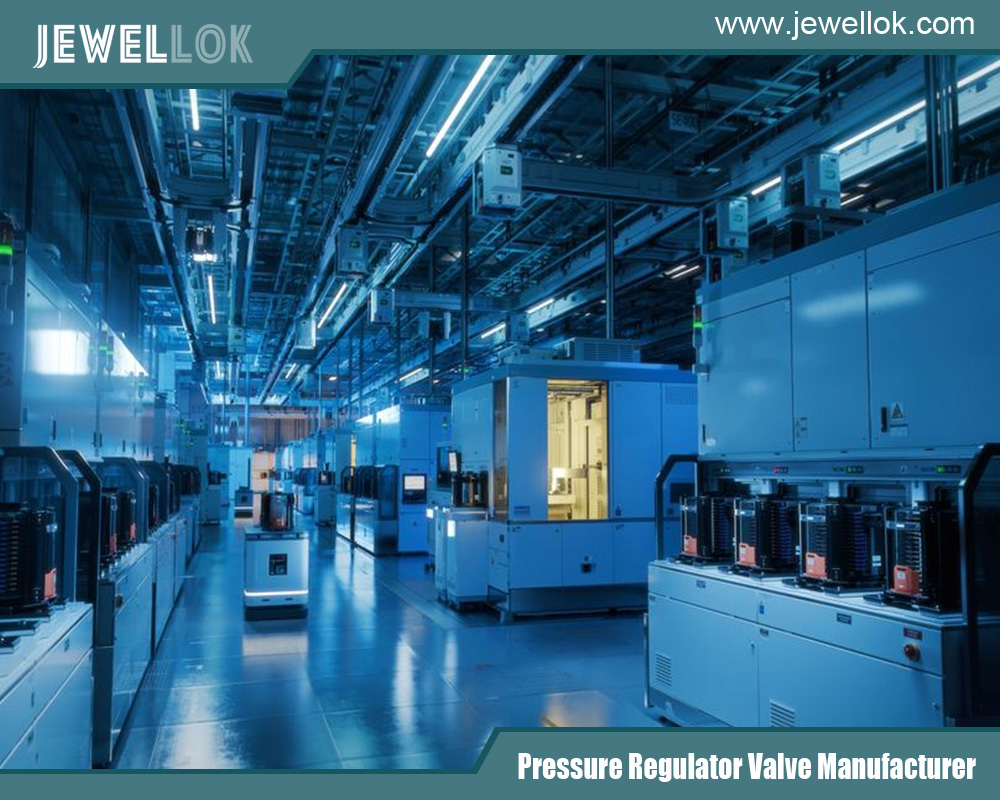
Conclusion
Gas treatment systems and gas scrubbers play an indispensable role in semiconductor manufacturing. As semiconductor processes involve toxic, corrosive, flammable, and environmentally hazardous gases, effective exhaust gas treatment is essential for environmental compliance, worker safety, equipment protection, and process stability.
Wet scrubbers, dry scrubbers, burn-wet systems, and plasma gas treatment technologies each offer unique advantages depending on process requirements. With the rapid advancement of semiconductor technology and increasingly strict environmental regulations, the demand for high-efficiency, intelligent, and energy-saving gas treatment systems will continue to grow.
In the future, semiconductor manufacturers will increasingly adopt advanced gas abatement technologies that combine high performance, low environmental impact, and smart automation capabilities. Companies that invest in innovative gas treatment solutions will not only improve operational safety and sustainability but also strengthen their competitiveness in the global semiconductor industry.
For more about applications of gas treatment systems and gas scrubbers in semiconductor manufacturing, you can pay a visit to Jewellok at https://www.jewellok.com/product-category/chemical-delivery-system/ for more info.
-
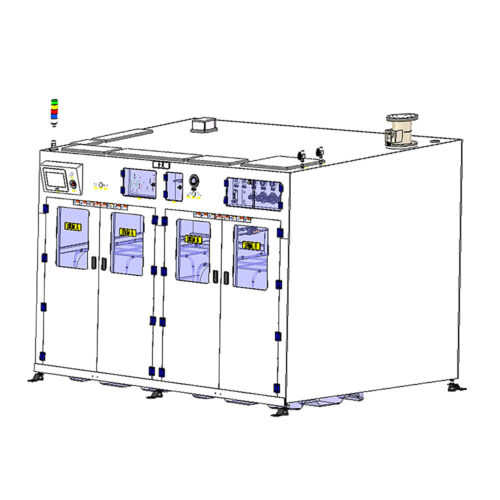
Scrubber Gas Cabinet Scrubber Tail Gas Treatment Cabinet Vent Gas Scrubber System Heat-Filter Burn Box Gas Scrubber/Abatement System
-
762L Stainless Steel High Purity Union High-Purity Gas System Fittings
-
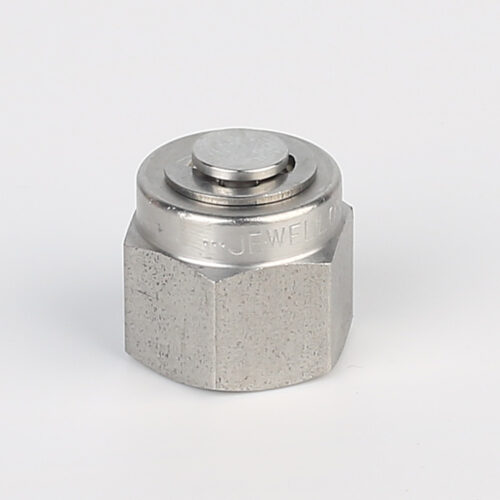
7121L Plug High Purity Plug Fitting And Blanking Plug
-
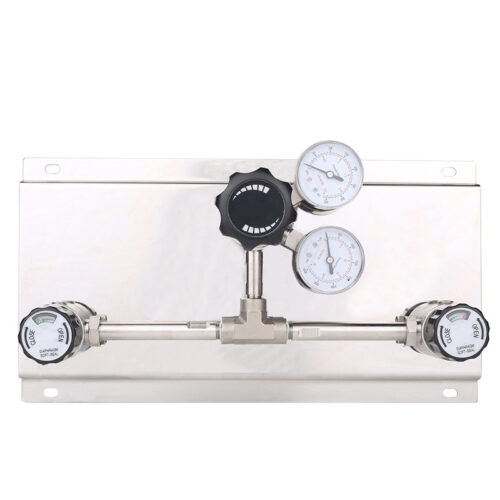
High Pressure High Flow Specialty Gas Control Panel With Diaphragm Valve , 3000Psig Oxygen Control Medical Changeover Manifold Panel
-
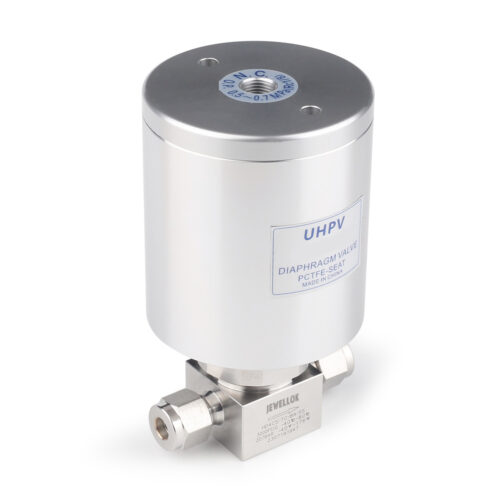
High Pressure High Temperature Pneumatic Ultrahigh Purity Stainless Steel Diaphragm Valves
-
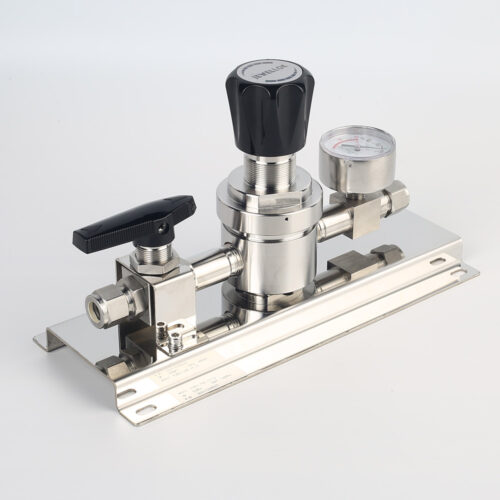
High Purity And Industria Gas Stick Assemblies Precise Pressure Control Gas Systems JSR-1ETG-BV Series
-
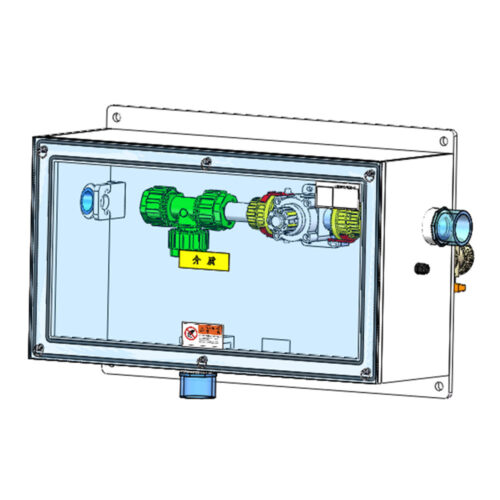
FT-BOX JW-FTB-C Valve Manifold Panels And Boxes With High Purity Configurable Systems
-
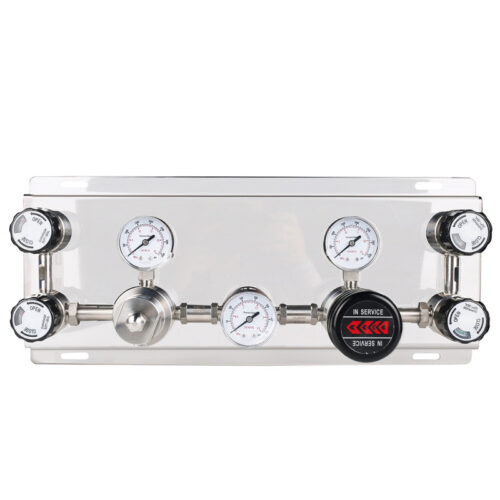
Semi Automatic And Automatic Switching Speicialty Gas Changeover Manifold Panel With Semiconductor Valve Manifold Box Gas Pressure Regulators