
Valves Manufacturer Tel: +86 13380377051
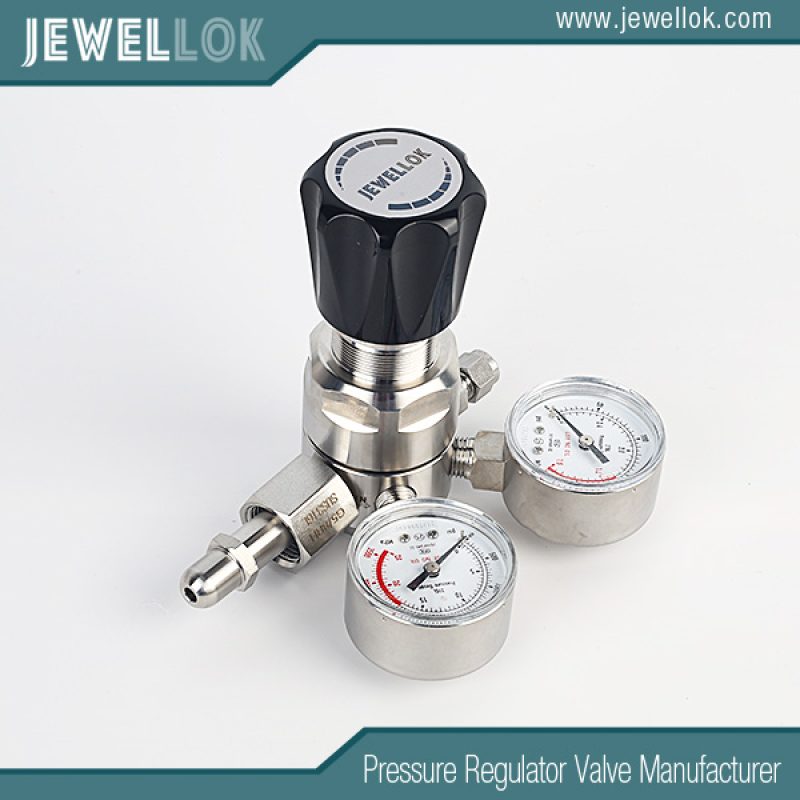
High Pressure Gas Regulator Manufacturer & Supplier for Industrial Applications
High pressure gas regulators are critical components in industrial gas systems where gas must be reduced from high cylinder, pipeline, or process pressures to a stable and controllable outlet pressure. Reliable pressure regulation is essential for maintaining process consistency, protecting downstream equipment, improving operational safety, and preventing gas supply interruptions.
As industrial processes become increasingly demanding, manufacturers need high pressure gas regulators that provide accurate pressure control, excellent leak tightness, corrosion resistance, long service life, and compatibility with different industrial gases. A professional high pressure gas regulator manufacturer and supplier should therefore provide not only standard regulators but also application-specific pressure control solutions for industrial gas distribution, semiconductor manufacturing, laboratories, chemical processing, welding, analytical instruments, and other demanding applications.
What Is a High Pressure Gas Regulator?
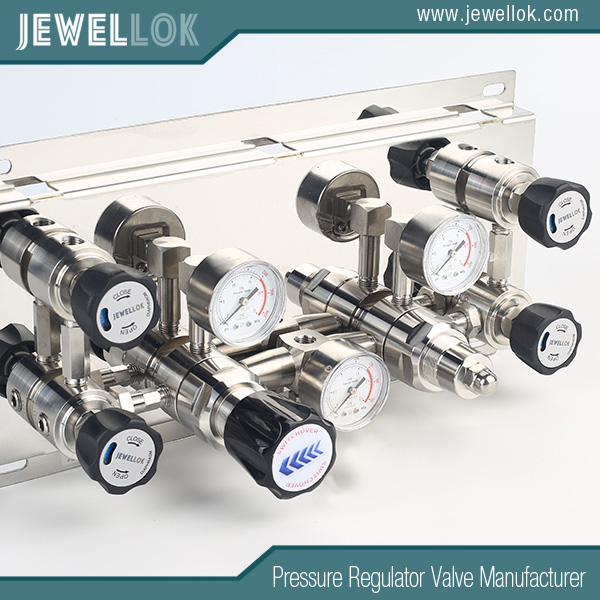
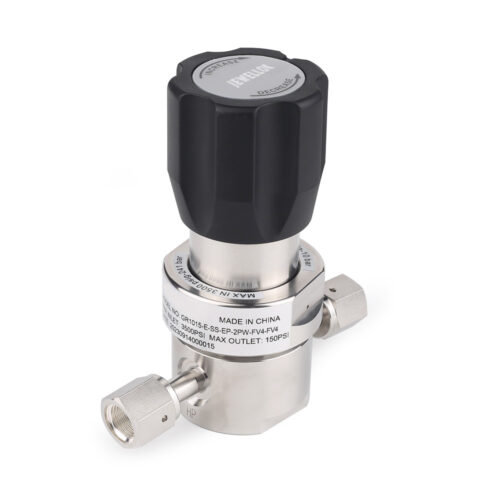
A high pressure gas regulator is a mechanical pressure-control device designed to reduce gas from a high inlet pressure to a lower, controlled outlet pressure. Depending on the application, the regulator can be installed directly on a gas cylinder, gas manifold, gas cabinet, process gas panel, or industrial pipeline.
The basic function is simple: high-pressure gas enters the regulator, the internal valve mechanism restricts the gas flow, and the sensing mechanism continuously responds to outlet pressure to maintain the desired set point.
A typical high pressure gas regulator consists of:
- High-pressure inlet connection
- Low-pressure outlet connection
- Pressure-reducing valve
- Diaphragm or piston sensing mechanism
- Adjustment mechanism
- Internal spring
- Pressure gauges or pressure sensors
- Relief or safety components, depending on design
- Gas-compatible wetted materials
The regulator must be correctly selected according to inlet pressure, outlet pressure, gas type, flow rate, temperature, connection standard, and required cleanliness.
Why High Pressure Gas Regulation Matters
Industrial gases are often stored and transported at significantly higher pressures than the pressure required by production equipment. Directly supplying high-pressure gas to downstream equipment can create serious operational and safety problems.
A properly designed regulator provides several important functions.
1. Stable Outlet Pressure
Many industrial processes require a consistent gas pressure. Fluctuations in supply pressure can affect equipment performance, gas flow, product quality, and process repeatability.
A high-quality regulator helps maintain a stable downstream pressure even when the cylinder or supply pressure changes.
2. Equipment Protection
Downstream components such as valves, flow controllers, sensors, analyzers, and process equipment may have relatively low pressure ratings. A regulator protects these components from excessive upstream pressure.
3. Improved Process Control
Accurate gas pressure control is particularly important in applications involving welding, heat treatment, chemical processing, semiconductor fabrication, laboratory analysis, and specialty gas distribution.
4. Reduced Gas Waste
Poor pressure control can result in unstable flow and unnecessary gas consumption. A correctly sized regulator can help improve gas utilization and operating efficiency.
High Pressure Gas Regulator Applications
Professional manufacturers supply regulators for a broad range of industrial applications.
Industrial Gas Distribution
Industrial gas regulators are widely used with oxygen, nitrogen, argon, helium, hydrogen, carbon dioxide, compressed air, and other industrial or specialty gases.
They can be installed on individual cylinders, manifold systems, bulk gas systems, or centralized gas distribution pipelines.
Semiconductor Manufacturing
Semiconductor manufacturing requires highly controlled gas delivery systems. Process gases must be supplied at accurately controlled pressures while contamination and leakage must be minimized.
For these applications, regulators may require high-purity stainless steel construction, carefully controlled internal surfaces, high-quality diaphragm assemblies, and low leak rates.
High pressure gas regulators can be integrated into:
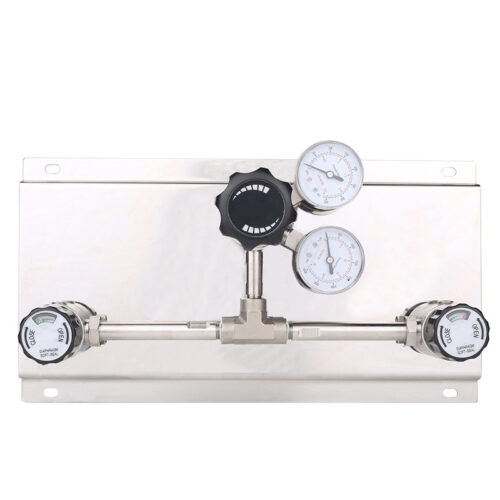
- Gas cabinets
- Gas panels
- UHP gas delivery systems
- Process gas lines
- CVD systems
- ALD systems
- Etching equipment
- Specialty gas distribution systems
Chemical Processing
Chemical plants frequently handle corrosive, toxic, flammable, or reactive gases. Regulators used in these systems must be compatible with the gas chemistry and operating conditions.
Material selection is particularly important because incompatible materials can cause corrosion, particle generation, leakage, or premature component failure.
Welding and Metal Fabrication
Gas regulators are commonly used for shielding gases and fuel gases in welding and cutting systems. Stable pressure helps maintain consistent gas flow and supports reliable welding performance.
Laboratory and Analytical Equipment
Laboratories use high pressure regulators for specialty gases supplied to analytical instruments, gas chromatographs, calibration systems, research equipment, and test systems.
These applications often require compact regulators with precise adjustment and reliable pressure stability.
Single-Stage vs. Two-Stage High Pressure Regulators
One of the most important decisions when selecting a high pressure gas regulator is whether a single-stage or two-stage design is appropriate.
Single-Stage Regulators
A single-stage regulator reduces pressure through one primary pressure-reduction stage.
Advantages include:
- Simple construction
- Compact size
- Lower initial cost
- Easy maintenance
- Suitable for many general industrial applications
However, outlet pressure can vary more significantly as inlet pressure changes. For applications requiring highly stable downstream pressure, a single-stage regulator may not be the best option.
Two-Stage Regulators
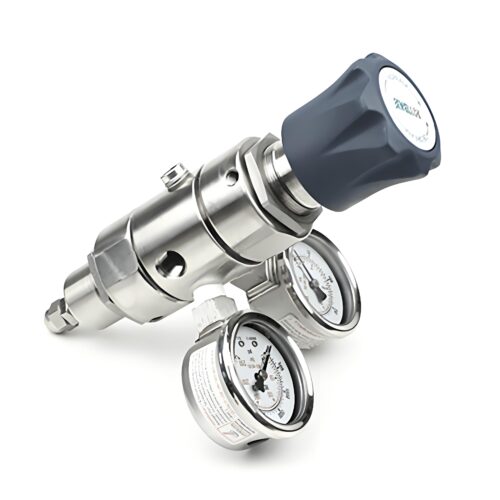
Two-stage regulators reduce pressure progressively through two pressure-control stages.
This design provides better outlet pressure stability over changing inlet pressure conditions. Two-stage regulators are particularly suitable for applications where stable pressure is important over extended cylinder usage.
Typical applications include specialty gas systems, laboratory equipment, analytical instruments, and precision industrial gas systems.
Materials Used in High Pressure Gas Regulators
Material selection directly affects regulator performance, reliability, and gas compatibility.
316L Stainless Steel
316L stainless steel is widely used for demanding industrial and high-purity gas applications because of its corrosion resistance and mechanical strength.
For high-purity gas systems, manufacturers may use specially processed stainless steel with controlled surface finish and cleaning procedures.
Brass
Brass regulators are commonly used for general industrial gas applications where the gas chemistry and operating environment permit brass construction.
They offer good machinability, mechanical strength, and cost efficiency.
Nickel-Plated Materials
Nickel-plated components can provide additional surface protection for selected applications. However, the material must still be evaluated for compatibility with the specific gas.
Diaphragm Materials
The diaphragm is one of the most important internal components. Depending on the application, manufacturers may use stainless steel or other engineered materials.
For high-purity and critical gas applications, metal diaphragms are often preferred because they can provide excellent contamination control and long-term reliability.
Key Specifications to Consider
Choosing the correct high pressure gas regulator requires evaluating several technical parameters.
Maximum Inlet Pressure
The regulator must be rated for the maximum pressure of the gas source. A sufficient safety margin should be considered rather than selecting a regulator based only on normal operating pressure.
Outlet Pressure Range
The outlet pressure range should match the requirements of downstream equipment. Selecting an excessively broad range may reduce adjustment sensitivity for applications requiring precise control.
Flow Capacity
Flow capacity must be matched to actual gas consumption.
A regulator that is too small may cause excessive pressure drop or unstable operation. Conversely, an oversized regulator may provide poor control at very low flow rates.
Gas Compatibility
The regulator must be specifically compatible with the gas being handled.
Oxygen, hydrogen, corrosive gases, toxic gases, inert gases, and specialty gases can have very different material and cleanliness requirements.
Connection Type
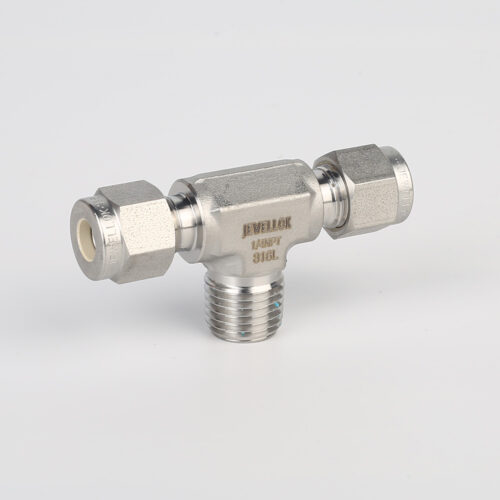
Industrial gas regulators are available with different inlet and outlet connections, including:
- NPT
- BSP
- CGA
- VCR
- Compression fittings
- Tube fittings
- Customized connections
Connection standards should match the existing gas delivery system.
Operating Temperature
Temperature can affect pressure regulation and material performance. The regulator should be rated for the actual operating temperature range.
High Purity Gas Regulators for Critical Applications
In semiconductor, pharmaceutical, analytical, and other contamination-sensitive industries, a standard industrial regulator may not be sufficient.
High-purity regulators are designed to minimize contamination and particle generation.
Important features may include:
- 316L stainless steel wetted components
- Electropolished or high-quality internal surfaces
- Metal diaphragm construction
- Low internal volume
- High leak-tightness
- Specialized cleaning
- Cleanroom-compatible packaging
- High-purity gas connections
The manufacturing environment is also important. High-purity regulators should be assembled, tested, cleaned, and packaged under controlled procedures.
Leak Testing and Quality Control
Leak performance is one of the most important quality indicators for a high pressure gas regulator.
Gas leakage can lead to product loss, environmental concerns, process instability, and serious safety risks depending on the gas.
A professional regulator manufacturer should implement comprehensive testing procedures, such as:
- Pressure testing
- External leak testing
- Internal leakage testing
- Functional testing
- Pressure stability testing
- Flow performance testing
- Material inspection
- Dimensional inspection
For critical applications, helium leak testing may be used to verify very low leakage rates.
Quality control should begin with raw materials and continue through machining, assembly, cleaning, testing, and final packaging.
How to Choose a High Pressure Gas Regulator Manufacturer
Selecting the right supplier is as important as selecting the regulator itself.
A qualified manufacturer should have experience with the relevant gas applications and demonstrate strong engineering and quality-control capabilities.
Consider the following factors:
Manufacturing Capability
Check whether the supplier manufactures key components in-house or has reliable control over its supply chain.
Precision machining, diaphragm manufacturing, surface treatment, cleaning, and assembly can all influence regulator performance.
Technical Engineering Support
A professional supplier should be able to help customers select the correct regulator based on pressure, flow, gas type, temperature, and connection requirements.
Customization Capability
Industrial gas systems often have application-specific requirements. A capable manufacturer should be able to provide customized:
- Inlet/outlet connections
- Pressure ranges
- Materials
- Diaphragm configurations
- Surface finishes
- Gauge configurations
- Mounting solutions
- Packaging
Quality Documentation
For industrial and high-purity applications, customers may require material certificates, inspection reports, pressure-test records, leak-test results, and other quality documentation.
A reliable supplier should have a clear documentation and traceability system.
Why Work with an Experienced China High Pressure Gas Regulator Supplier?
China has developed a strong manufacturing base for industrial gas components, precision-machined parts, valves, regulators, and gas delivery equipment.
An experienced Chinese manufacturer can provide advantages such as:
- Competitive manufacturing costs
- OEM and ODM capability
- Flexible customization
- Precision machining
- Shorter development cycles
- Large-volume production capability
- International export experience
However, price should not be the only consideration. For pressure-control equipment, quality consistency, testing capability, material traceability, and technical support are equally important.
OEM and Customized High Pressure Gas Regulator Solutions
Different industries have different gas pressure requirements. Therefore, OEM customization can be valuable for system integrators, gas equipment manufacturers, distributors, and industrial users.
A customized regulator solution may include a specific pressure range, connection configuration, body material, diaphragm material, gauge arrangement, mounting design, or surface treatment.
For large-volume projects, manufacturers can also optimize regulator design according to installation space, flow requirements, operating conditions, and system architecture.
Conclusion
A high pressure gas regulator is a fundamental component in industrial gas systems, providing controlled and stable pressure between high-pressure gas sources and downstream equipment. The right regulator can improve process stability, protect equipment, reduce gas waste, and contribute to safer industrial operations.
When selecting a high pressure gas regulator manufacturer and supplier, buyers should evaluate more than price and product availability. Pressure rating, flow capacity, gas compatibility, materials, leak performance, connection standards, manufacturing quality, testing procedures, customization capability, and technical support should all be considered.
For general industrial applications, a robust brass or stainless steel regulator may provide an effective solution. For semiconductor and other contamination-sensitive applications, high-purity stainless steel regulators with controlled surface finishes, metal diaphragms, stringent cleaning procedures, and low leak rates may be required.
A professional manufacturer with strong engineering, precision manufacturing, quality control, and OEM capabilities can provide reliable pressure regulation solutions for industrial gas distribution, semiconductor manufacturing, chemical processing, laboratories, welding, and specialty gas applications.
By selecting a regulator based on the actual operating conditions rather than simply choosing the lowest-cost product, industrial users can achieve better pressure stability, longer service life, improved system reliability, and greater overall operational efficiency.
For more about high pressure gas regulator manufacturer & supplier for industrial applications, you can pay a visit to Jewellok at https://www.jewellok.com/ for more info.
-
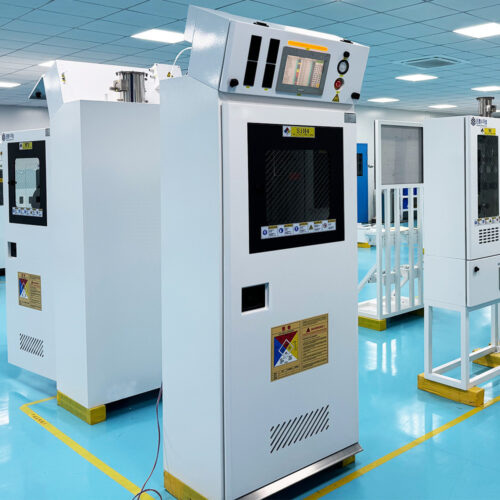
Centralized Laboratory Gas Supply And Laboratory Gas Distribution System With Automated Gas Changeover Manifold
-
Specialty Gas Valves Ultra High Purity Gas Valves Ultra High Purity Gas Cylinder Valves UHP Cylinder Valve Ultra High Purity Gas Regulator
-
DPR1 Ultra High Purity Two Stage Dual Stage Pressure Reducing Regulator Semiconductor Grade Regulators
-
Ultra High Purity Trimethylaluminum TMA Gas Cabinet Liquid Delivering Cabinet Used For Specialty Gas Delivery System In Semiconductor
-
Integrated Gas System (IGS) Modular Integrated Gas Systems (TMS) Integrated Gas Supply System For Semiconductor And Laboratory
-
772L Male Branch Tee | Stainless Steel High-Purity Tube Fitting Male Branch Tee
-
High Pressure High Flow Specialty Gas Control Panel With Diaphragm Valve , 3000Psig Oxygen Control Medical Changeover Manifold Panel
-
767LP Port Connector Ultra High Purity VCJ Metal Gasket Face Seal Tube Fittings