
Valves Manufacturer Tel: +86 13380377051
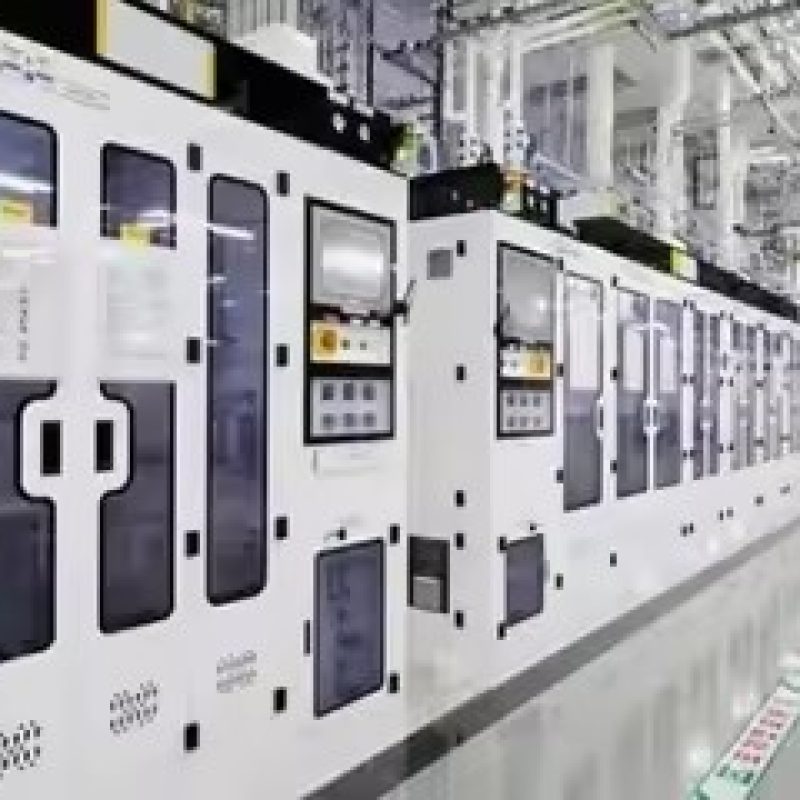
Semiconductor Gas Cabinets for Ultra High Purity Specialty Gas Delivery
Semiconductor manufacturing depends on the precise and contamination-free delivery of process gases. From deposition and etching to doping, cleaning, and chamber conditioning, specialty gases must be supplied to semiconductor process tools at controlled pressure, flow rate, and purity. Semiconductor gas cabinets are engineered to provide a safe, reliable, and highly controlled environment for storing and delivering these gases, making them a critical component of an ultra high purity gas delivery system.
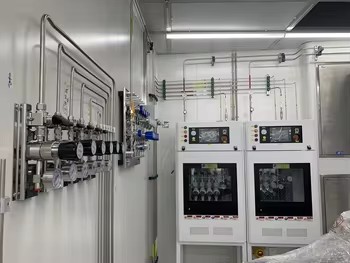
For semiconductor fabs, selecting the right gas cabinet involves much more than choosing a cabinet for gas cylinders. A properly engineered system integrates gas containment, pressure regulation, automatic valve control, leak detection, ventilation, gas monitoring, purging, and safety interlocks into one coordinated system.
This article explains the construction, working principle, key components, safety functions, and applications of semiconductor gas cabinets for ultra high purity specialty gas delivery.

What Is a Semiconductor Gas Cabinet?
A semiconductor gas cabinet is an enclosed gas handling system designed to safely store and deliver one or more gas cylinders used in semiconductor and advanced manufacturing processes.
Unlike conventional industrial gas storage cabinets, semiconductor gas cabinets are specifically designed for ultra high purity (UHP) and specialty gases. These may include corrosive, toxic, flammable, oxidizing, pyrophoric, or otherwise hazardous gases.
A typical gas cabinet provides several functions:
- Secure gas cylinder storage
- Controlled gas delivery
- Pressure reduction
- Automatic or manual valve operation
- Gas leak detection
- Exhaust ventilation
- Purging and evacuation
- Emergency shutdown
- Gas cylinder changeover
- Process gas monitoring
- PLC-based system control
The cabinet creates a controlled environment between the gas cylinder and the semiconductor process tool. It helps protect operators, facilities, and processes while maintaining the required gas purity.
Why Gas Cabinets Are Critical for Ultra High Purity Gas Delivery
Semiconductor processes can be extremely sensitive to contamination. Trace levels of moisture, oxygen, particles, hydrocarbons, or metallic contamination can affect wafer quality and process performance.
For this reason, the gas delivery system must minimize potential contamination sources throughout the entire gas path.
A semiconductor gas cabinet typically uses high-purity components such as 316L stainless steel diaphragm valves, regulators, filters, VCR fittings, orbital-welded tubing, and high-integrity seals.
The internal gas path should be designed to minimize dead volume and particle generation. Electropolished or internally polished stainless steel surfaces may be used where high cleanliness is required.
Proper cabinet design can help maintain stable gas purity from the cylinder connection through the gas panel and toward the point-of-use system.
Main Components of a Semiconductor Gas Cabinet
A high-performance semiconductor gas cabinet combines mechanical, pneumatic, electrical, and safety components.
1. Gas Cylinder Connections
The cylinder connection is the starting point of the gas delivery system. The connection must be compatible with the specific specialty gas and cylinder valve.
High-purity connections may use face-seal fittings such as VCR connections. Appropriate cylinder connectors, flexible pigtails, valves, and tubing are selected according to gas type, pressure, compatibility, and applicable standards.
The connection design must also minimize contamination and ensure reliable sealing during cylinder installation and replacement.
2. High Purity Diaphragm Valves
Diaphragm valves are widely used in semiconductor gas delivery because they provide high leak integrity and low particle generation.
A UHP diaphragm valve typically separates the operating mechanism from the process gas using a metal diaphragm. This configuration can reduce contamination risk and improve isolation performance.
Depending on the application, the gas cabinet may include:
- Normally closed pneumatic valves
- Normally open valves
- Manual diaphragm valves
- Automatic isolation valves
- Purge valves
- Vent valves
- Process gas valves
For corrosive or toxic specialty gases, valve material selection is particularly important.
3. Pressure Regulators
The gas cylinder may contain gas at relatively high pressure, while the semiconductor process tool requires a much lower and precisely controlled pressure.
A high-purity pressure regulator reduces cylinder pressure to the required delivery pressure.
Single-stage and two-stage regulators can be selected according to the application. Two-stage pressure regulation can provide more stable outlet pressure as cylinder pressure decreases.
Regulator materials, diaphragm construction, internal surface finish, leak rate, and Cv value should all be considered during system design.
4. Filters
High-purity gas filters can be installed to remove particles generated within the gas delivery system.
Filter selection depends on:
- Gas type
- Required filtration rating
- Flow rate
- Operating pressure
- Temperature
- Chemical compatibility
- Pressure drop
For sensitive semiconductor processes, filter construction must be compatible with UHP gas service.
5. Gas Tubing and Fittings
The internal gas path commonly uses high-purity stainless steel tubing and fittings.
Orbital welding is frequently used to create permanent, high-integrity connections while minimizing internal contamination and dead legs.
VCR face-seal fittings may be used where removable connections are required for maintenance or component replacement.
The overall tubing layout should minimize unnecessary bends, dead volumes, and stagnant areas.
How a Semiconductor Gas Cabinet Works
The operating sequence depends on whether the system is manual, semi-automatic, or fully automatic.
In a typical automatic gas cabinet, the specialty gas is first connected to the cabinet through a high-integrity cylinder connection. After installation, the system performs appropriate pressure, leak, and purge procedures before introducing gas into the process line.
During normal operation, the cylinder isolation valve and delivery valves are controlled according to the programmed sequence.
The pressure regulator reduces the cylinder pressure to the specified delivery pressure. Gas then passes through high-purity valves, filters, and tubing before entering the facility gas distribution system or process tool.
If an abnormal condition is detected, the control system can activate an emergency shutdown sequence.
Depending on the design, abnormal conditions may include:
- Gas leakage
- Excessive pressure
- Loss of exhaust airflow
- Cabinet door opening
- Fire detection
- Emergency stop activation
- Gas detection alarm
- Valve malfunction
The system can close automatic isolation valves and stop gas delivery to reduce the potential release of hazardous gas.
Automatic and Semi-Automatic Gas Cabinets
Semiconductor fabs may select different levels of automation according to process requirements and facility design.
Semi-Automatic Gas Cabinets
A semi-automatic cabinet combines manual operator actions with automated safety functions.
For example, cylinder replacement may be performed manually while pressure monitoring, exhaust monitoring, emergency isolation, and alarm functions are automated.
Semi-automatic systems can be suitable for applications where operational flexibility and cost control are important.
Fully Automatic Gas Cabinets
Fully automatic gas cabinets can control cylinder switching, valve sequencing, purging, pressure monitoring, and alarms through a PLC or industrial control system.
For high-volume semiconductor production, automation can reduce operator intervention and improve process consistency.
An automatic gas cabinet may also communicate with the fab’s facility monitoring system through industrial communication interfaces.
Purging and Evacuation
Purging is one of the most important functions of a specialty gas delivery system.
When a gas cylinder is replaced, residual process gas can remain inside the tubing and components. If the residual gas is reactive, toxic, corrosive, or moisture-sensitive, direct cylinder replacement may create a safety or contamination risk.
A properly designed gas cabinet can use an inert purge gas, commonly nitrogen, to displace residual process gas.
Typical sequences may include:
- Isolate the process gas source.
- Close appropriate valves.
- Evacuate the gas line.
- Introduce high-purity purge gas.
- Repeat evacuation and purge cycles when required.
- Verify pressure conditions.
- Connect or activate the new cylinder.
- Perform the required leak and pressure checks.
- Resume normal gas delivery.
The exact sequence depends on the gas chemistry, system configuration, facility requirements, and applicable safety procedures.
Gas Cabinet Safety Systems
Safety is a fundamental requirement when handling hazardous specialty gases.
A semiconductor gas cabinet may incorporate multiple layers of protection rather than relying on a single safety device.
Leak Detection
Gas sensors can detect specific hazardous gases in or around the cabinet. When a leak is detected, the control system can generate an alarm and initiate an emergency shutdown sequence.
Exhaust Ventilation
Continuous exhaust ventilation helps maintain negative pressure within the cabinet and directs potentially released gases toward the facility exhaust or abatement system.
Exhaust airflow monitoring can be integrated into the cabinet interlock system.
Emergency Shutoff
Automatic emergency shutoff valves can isolate the gas cylinder from the downstream process line.
The emergency shutdown system may be activated by gas detection, fire alarms, loss of exhaust, excessive pressure, or an emergency stop signal.
Pressure Monitoring
Pressure sensors and switches monitor cylinder and delivery pressure.
Abnormal pressure conditions can trigger alarms or automatically isolate the gas supply.
Door Interlocks
Cabinet doors can be integrated with safety interlocks to prevent unsafe operating conditions during maintenance or cylinder handling.
Gas Cabinets for Different Specialty Gases
The material and configuration of a gas cabinet must be selected according to gas chemistry.
Different semiconductor gases have different hazards and compatibility requirements.
Common specialty gases used in semiconductor manufacturing include:
- Silane (SiH₄)
- Ammonia (NH₃)
- Hydrogen chloride (HCl)
- Chlorine (Cl₂)
- Boron-containing gases
- Fluorine-containing gases
- Tungsten hexafluoride (WF₆)
- Nitrous oxide (N₂O)
- Hydrogen (H₂)
- Nitrogen trifluoride (NF₃)
- Various dopant and process gases
Corrosive gases may require corrosion-resistant wetted materials and specialized valve configurations. Toxic gases require appropriate detection, ventilation, and emergency shutdown systems. Flammable and pyrophoric gases require additional safety measures according to the specific gas hazard classification.
Therefore, a semiconductor gas cabinet should be engineered around the actual gas rather than treated as a generic storage enclosure.
Gas Cabinet Control and PLC Automation
Modern semiconductor gas cabinets increasingly use PLC-based control systems.
A PLC can manage:
- Automatic valve sequencing
- Cylinder selection
- Pressure monitoring
- Purge sequences
- Leak detection signals
- Exhaust monitoring
- Alarm management
- Emergency shutdown
- Communication with facility systems
A human-machine interface (HMI) can display operating pressure, valve status, alarms, cylinder status, and maintenance information.
For large semiconductor facilities, communication with the facility monitoring system allows operators to monitor multiple gas cabinets from a centralized control room.
How to Select a Semiconductor Gas Cabinet
Selecting a gas cabinet requires a combination of gas chemistry, process requirements, safety requirements, and system engineering.
Key specifications include:
Gas type: Identify whether the gas is inert, corrosive, toxic, flammable, oxidizing, or pyrophoric.
Cylinder configuration: Determine the number and size of cylinders required.
Inlet pressure: The cabinet components must be rated for the maximum cylinder pressure.
Outlet pressure: Select the regulator and control components according to the required delivery pressure.
Flow rate: Valve Cv, tubing diameter, regulator capacity, and filter specifications must accommodate the required flow.
Material compatibility: Wetted materials must be compatible with the gas chemistry.
Connection type: VCR, orbital-welded, or other high-purity connections may be selected according to system requirements.
Automation level: Choose manual, semi-automatic, or fully automatic operation.
Safety functions: Consider gas detection, exhaust monitoring, pressure monitoring, emergency shutdown, and facility interlocks.
Cleanliness: For UHP applications, internal surface finish, component cleanliness, packaging, and assembly procedures are important.
Semiconductor Gas Cabinet Applications
Semiconductor gas cabinets are used throughout advanced manufacturing facilities, including:
- Semiconductor wafer fabrication
- CVD systems
- ALD systems
- PVD systems
- Plasma etching
- Ion implantation
- Diffusion
- Wafer cleaning
- Thin-film deposition
- Photovoltaic manufacturing
- MEMS production
- Compound semiconductor manufacturing
- Research and development laboratories
They can be configured as single-cylinder systems, dual-cylinder systems, automatic changeover systems, or multi-cylinder gas delivery platforms.
Custom Semiconductor Gas Cabinet Manufacturing
Because semiconductor processes vary significantly, standard gas cabinets may not always meet a fab’s requirements. Custom engineering can address specific gas chemistry, cylinder configuration, pressure range, flow rate, automation, communication, and installation requirements.
A qualified gas cabinet manufacturer should be able to provide engineering support from gas path design and component selection to assembly, testing, documentation, and final integration.
For UHP specialty gas delivery, the quality of individual components is only one part of the equation. The entire system—including welding, cleaning, assembly, testing, control logic, and safety interlocks—must be considered as an integrated gas delivery solution.
Conclusion
Semiconductor gas cabinets are a critical part of ultra high purity specialty gas delivery systems. By combining high-purity gas components with pressure control, automated valve sequencing, purge functions, leak detection, ventilation, and emergency shutdown systems, gas cabinets provide controlled and secure gas delivery for demanding semiconductor processes.
The right cabinet should be selected according to gas chemistry, pressure, flow, purity, cylinder configuration, automation requirements, and facility safety standards. For advanced semiconductor manufacturing, a properly engineered gas cabinet can support stable process gas delivery while helping minimize contamination and operational risk.
For semiconductor fabs, equipment manufacturers, EPC contractors, and gas system integrators looking for customized UHP semiconductor gas cabinets, specialty gas delivery systems, automatic gas cabinets, or high-purity gas panels, working with an experienced manufacturer can simplify system integration and ensure that the cabinet configuration matches the actual process requirements.
For more about semiconductor gas cabinets for ultra high purity specialty gas delivery, you can pay a visit to Jewellok at https://www.jewellok.com/ for more info.
-
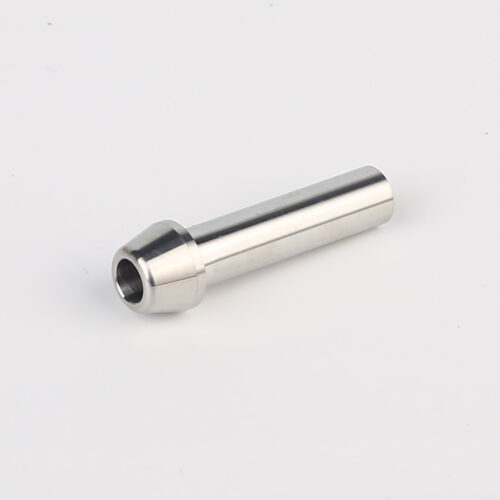
767LP Port Connector Ultra High Purity VCJ Metal Gasket Face Seal Tube Fittings
-
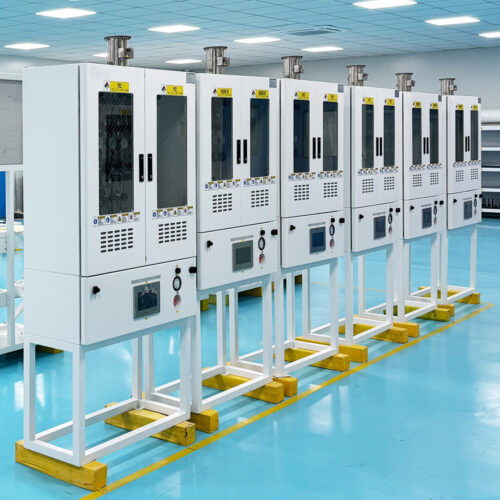
VMB Valve Manifold Box And Panel Gas Cabinet, BSGS Gas Cabinets, TMA Gas Cabinets, Scrubber Tail Gas Treatment Cabinets
-

Engineering Ultra-High Purity Fluid Control Liquid Chemical Delivery Module (CDM) And Chemical Delivery System (CDS) for Pharmaceutical Grade Applications
-
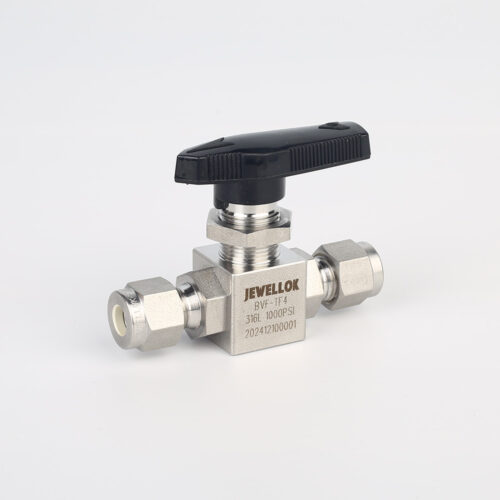
Stainless Steel High Purity High Temperature Pneumatic Actuated Ball Valves JBV2 Series
-
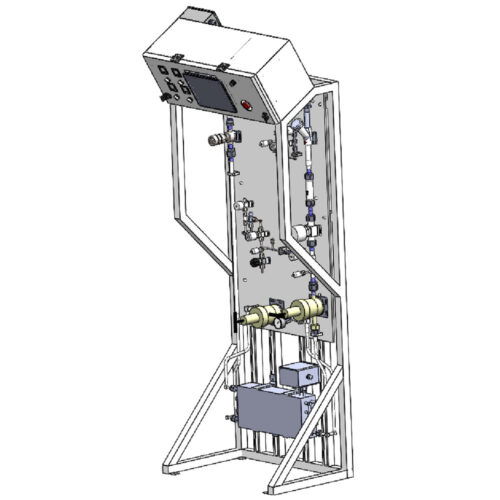
Fully Automated Gas Cabinet Gas Rack Gas Delivery Systems JW-300-GR
-
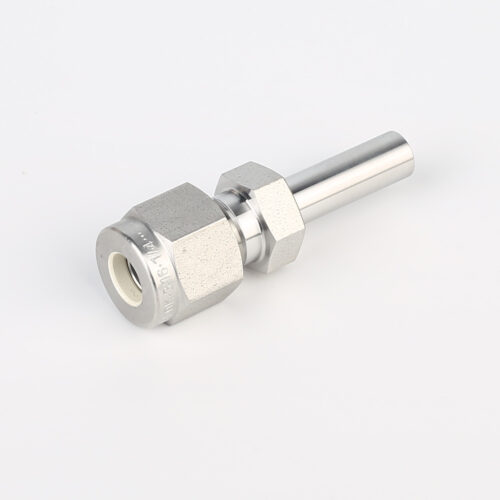
767LT Reducer Pressure Reducing Valve Adjustment High purity Pressure Reducing Union Fittings And Tubing
-

Semi Automatic Oxygen Nitrogen Helium Argon Gas Changeover Manifold Manual Gas Changeover Manifold Panel For Gas Cylinders
-
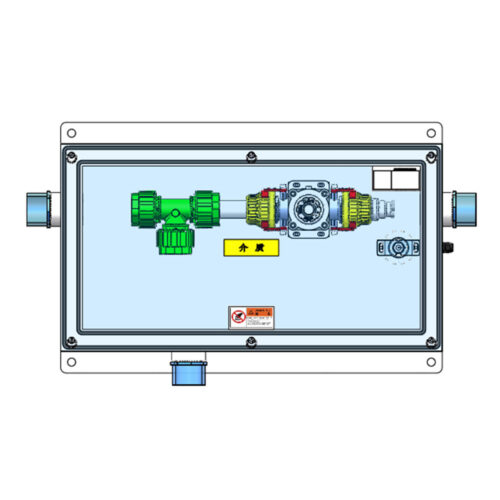
T-BOX JW-TB-C Special Gas Delivery System Gas Valve Manifold Boxes