
Valves Manufacturer Tel: +86 13380377051
How to Choose the Right Medical Gas Valves for Your Healthcare Project: A Complete Guide
Selecting the appropriate medical gas valves is one of the most critical decisions when designing, building, or upgrading a healthcare facility. Medical gas systems — including oxygen, nitrous oxide, medical air, carbon dioxide, nitrogen, and vacuum — directly impact patient safety, clinical outcomes, and regulatory compliance. A faulty or incompatible valve can lead to catastrophic consequences: gas mix-ups, contamination, pressure loss, or even a life-threatening event.
With increasing global demand for new hospitals, outpatient centers, and long-term care facilities, project managers and mechanical engineers must understand how to choose the right medical gas valves for their healthcare project. This guide walks you through the essential standards, materials, types, and selection criteria — helping you avoid costly mistakes while ensuring a safe, code-compliant installation.
1. Understand Your Medical Gas System Requirements
Before evaluating any valve, you must map out your facility’s specific gas distribution network. Different gases operate at different pressures, flow rates, and levels of purity. For example:
-
Oxygen (O₂) – High-purity, dry, non-reactive; requires valves with strict cleanliness (CGA G-4.1) and no hydrocarbon residues.
-
Medical Air – Compressed, oil-free, typically 45–55 psi; needs valves resistant to moisture and particulate contamination.
-
Nitrous Oxide (N₂O) – Used for anesthesia; valves must withstand low temperatures during expansion and be compatible with the gas chemistry.
-
Vacuum Systems – Negative pressure; valves must seal tightly against leakage and handle humid, aggressive exhaust from surgical procedures.
-
Carbon Dioxide (CO₂) – Used for insufflation and respiratory stimulation; valves must handle dry gas and possible sublimation.
Each gas type also dictates specific material compatibility. For instance, brass valves are common but must be lead-free and specially cleaned for oxygen service. Stainless steel is preferred for vacuum or corrosive environments. Therefore, the first step in how to choose the right medical gas valves for your healthcare project is creating a detailed gas schedule.
2. Comply with International and Local Standards
Non‑negotiable for any healthcare project: medical gas valves must meet recognized safety and performance standards. Failure to comply not only risks patient lives but also results in failed inspections, liability, and rework. The most widely cited standards include:
-
NFPA 99 (Health Care Facilities Code) – Mandatory in the US and many international projects. It specifies zone valve box requirements, labeling, pressure testing, and installation methods.
-
ASSE 6010 (Medical Gas Valve Standard) – Defines performance and marking requirements for individual valves.
-
ISO 7396-1 – Medical gas pipeline systems – Part 1: Pipelines for medical gases. Used globally, especially in Europe, Asia, and the Middle East.
-
CGA V-5 (Compressed Gas Association) – Standard for medical gas valve outlet connections and indexing (non-interchangeable connections such as DISS).
-
BS 5682 (UK) and AS 2896 (Australia) – Regional standards for medical gas valves and zone boxes.
When sourcing valves, always request third-party certification documents. Reputable manufacturers will provide test reports confirming compliance with the latest edition of these standards. Avoid valves that are “designed to meet” but not independently certified.
3. Choose the Right Type of Valve for Each Application
Medical gas systems use several valve types, each with a specific purpose. Selecting the wrong type can compromise maintenance or safety.
| Valve Type | Primary Application | Key Consideration |
|---|---|---|
| Ball Valves | Main shutoff in zone valve boxes (ZVB) | Full port, quarter-turn, visual position indicator |
| Check Valves | Prevent backflow in source equipment | Low cracking pressure, tight sealing for reverse flow |
| Needle Valves | Fine flow control (laboratory or specific therapy) | Gradual adjustment, seldom used in general piping |
| Zone Shutoff Valves | Branch line isolation without interrupting entire floor | Located inside zone valve boxes with tamper-proof handles |
| Outlet Valves (DISS/NIST) | Terminal stations at patient beds or operating rooms | Color-coded, gas-specific indexing (non-interchangeable) |
For a typical healthcare project, the most frequently specified components are zone shutoff ball valves and terminal outlet valves. Zone valves must be easily accessible, lockable, and clearly labelled to enable maintenance without closing down an entire department. When learning how to choose the right medical gas valves for your healthcare project, prioritize zone valves that offer:
-
¼-turn operation with a visual open/closed indicator.
-
Anti-static design and blow-out proof stem.
-
316 stainless steel ball and PTFE seats for oxygen compatibility.
-
Tamper‑resistant handles that can be sealed or locked.
4. Material Selection: Safety, Cleanliness, and Durability
Medical gas valves are unlike industrial water or air valves. They must be manufactured, cleaned, and packaged to prevent any contamination. Key material requirements:
-
Body material – Typically forged brass (CW617N or similar, lead content <0.25%) or 316 stainless steel. Brass is cost‑effective for oxygen and medical air, while stainless steel is used for high-purity gases or aggressive environments (e.g., vacuum containing trace anesthetic agents).
-
Internal components – Ball, seats, and seals should be made of PTFE, PCTFE, or nickel‑plated brass. Avoid any elastomers that can outgas or degrade in oxygen.
-
Cleanliness – Medical oxygen valves must comply with CGA G-4.1, which limits hydrocarbons to less than 500 mg/m². This includes ultrasonic cleaning, vacuum packaging, and “for oxygen service” labeling.
-
Corrosion resistance – In vacuum systems, valves can accumulate moisture and corrosive byproducts. 316 stainless steel or coated brass (e.g., nickel‑PTFE) is recommended.
Ask every potential supplier for a material certificate (EN 10204 3.1 or 3.2) and a cleanliness statement. Reject any valve that shows signs of rust, grease, or particulate residue.
5. Key Features That Improve Safety and Usability
Beyond basic compliance, look for features that reduce the risk of human error and simplify long-term maintenance:
-
Color coding and labeling – Per ISO 32 or CGA C‑9, each gas has a unique color (e.g., oxygen = green, nitrous oxide = blue, medical air = yellow). Valves and zone boxes must display the gas name and color, even if they are installed above a ceiling.
-
Non‑interchangeable connections – Outlet valves must use DISS (Diameter Index Safety System) or NIST connections to prevent connecting the wrong hose. For zone valves, different handle shapes or key systems can prevent cross‑connection.
-
Pressure rating – Medical gas piping typically operates at 50–200 psi, but valves should be rated for at least 1.5 times the maximum system pressure (e.g., 300 psi working pressure).
-
Leak‑tight design – Maximum allowable leakage for medical gas valves is essentially zero. Look for valves with bubble‑tight shutoff (tested to 50 psi air under water).
-
Maintenance ports – Some zone valve boxes include test ports to verify downstream pressure without opening the pipeline. This can save hours of downtime.
For projects in seismic zones (e.g., California, Japan), also verify that valve mounting brackets are seismic‑rated and that the valve body can withstand vibration without cracking.
6. Avoid Common Mistakes When Selecting Medical Gas Valves
Even experienced engineers can fall into traps. Here are the most frequent errors and how to avoid them:
-
Using industrial/commercial valves – Standard ball valves from a hardware store are not cleaned for oxygen service, lack proper indexing, and may leach hydrocarbons. They are illegal in most healthcare projects and incredibly dangerous.
-
Ignoring zone valve box requirements – NFPA 99 mandates that each patient care area have a zone valve box located at a nurse station or accessible corridor. The box must be identified and not obstructed. Selecting the right valve without also specifying the correct box is incomplete.
-
Mixing gas types – Valves for oxygen and nitrous oxide look similar but their threads, seals, and cleaning levels differ. A valve approved for medical air may not be approved for oxygen (due to adiabatic heating risks).
-
Forgetting about future expansion – Choose valves with spare ports or modular designs if your pipeline may be extended later. This avoids cutting into certified piping.
-
Overlooking documentation – Every valve installed must have a traceable serial number, test certificate, and installation date. Without this, you cannot pass commissioning or joint commission inspections.
When in doubt, invite a medical gas systems inspector to review your valve selection before purchase. The cost of a consultation is far less than the cost of replacing 200 zone valves in a finished hospital.
7. Selection Checklist for Your Healthcare Project
Use this concise checklist when evaluating vendors and products. It will guide you through how to choose the right medical gas valves for your healthcare project systematically:
-
All valves are certified to NFPA 99, ASSE 6010, or ISO 7396‑1.
-
Valves are specifically labeled “Medical Gas” and “Oxygen Clean” (if used for O₂).
-
Material certs show low lead content (brass) or 316L stainless steel.
-
Hydrocarbon levels meet CGA G-4.1 (<500 mg/m²).
-
Pressure rating ≥ 300 psi for supply lines; vacuum valves rated to full vacuum.
-
Zone valves have lockable handle and clear open/closed indicator.
-
Outlet valves use DISS or NIST indexing (no universal connections).
-
Vendor provides test reports for each batch (leakage, torque, proof pressure).
-
Spare parts and service manuals are available for at least 10 years.
-
Manufacturer has an ISO 9001 quality system and medical device registration (if required by local law).
Print this checklist and share it with your procurement team. It will prevent expensive deviations.
8. Cost vs. Value: Why Cheap Valves Are a False Economy
A $20 brass ball valve from an online marketplace may look identical to a certified medical gas valve that costs $120. However, the cheap valve typically lacks:
-
Proper cleaning – Residual oil can ignite in oxygen under pressure, causing a fire or explosion.
-
Traceability – Without a serial number, you cannot prove compliance to an inspector.
-
Long-term reliability – PTFE seats in certified valves are compression‑molded, not simply inserted; handles are designed for thousands of cycles without loosening.
-
Warranty and support – A certified manufacturer offers technical support, replacement parts, and often a 5‑ or 10‑year warranty.
Consider the total installed cost: a valve failure that shuts down an ICU floor for one day can cost the hospital $50,000–$200,000 in lost revenue and emergency repairs. Spending the extra $100 per valve is therefore a fraction of the risk. When calculating lifecycle costs, certified medical gas valves are almost always the economical choice.
9. Final Installation and Maintenance Tips
Once you have selected the right valves, proper installation is equally important:
-
Use only certified medical gas fitters (e.g., ASSE 6010 or MEDGAZ certified).
-
Purge pipelines before and after valve installation to remove debris.
-
Perform a “blow‑down” test on zone valves to confirm proper shutoff.
-
Label each valve with its gas type, nominal pressure, and closing direction (clockwise to close).
-
Schedule annual visual inspections for corrosion, leakage, and handle damage.
Document every valve’s location in your as‑built drawings. Over a 15‑year hospital lifecycle, you will replace several valves due to wear. Good records make that maintenance possible.
Conclusion: Make a Confident, Safe Choice
Choosing medical gas valves is not a commodity purchase. It is a patient‑safety decision. By following the guidelines above — understanding your gas types, adhering to NFPA/ISO standards, selecting certified materials, and avoiding common traps — you will create a reliable, inspectable, and future‑ready medical gas system.
Remember: every year, medical gas incidents are reported due to cross‑connection or component failure. Most are preventable with proper valve selection. Now that you know how to choose the right medical gas valves for your healthcare project, you can move forward with confidence.
For more about how to choose the right medical gas valves for your healthcare project: a complete guide, you can pay a visit to Jewellok at https://www.jewellok.com/product-category/chemical-delivery-system/ for more info.
-
VMB Valve Manifold Panels And Boxes High Purity Configurable Systems JW-200-VMB & JW-100-VMB
-
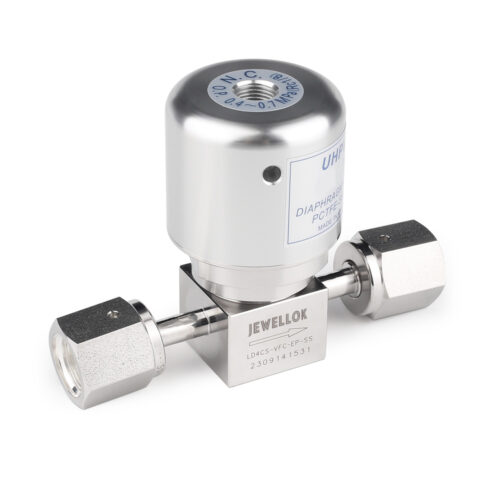
Stainless Steel Low Pressure Seal Pneumatic Diaphragm Control Valve For For HP & UHP Gases
-
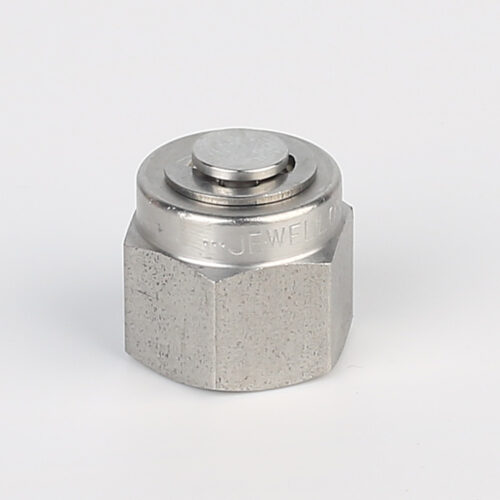
7121L Plug High Purity Plug Fitting And Blanking Plug
-
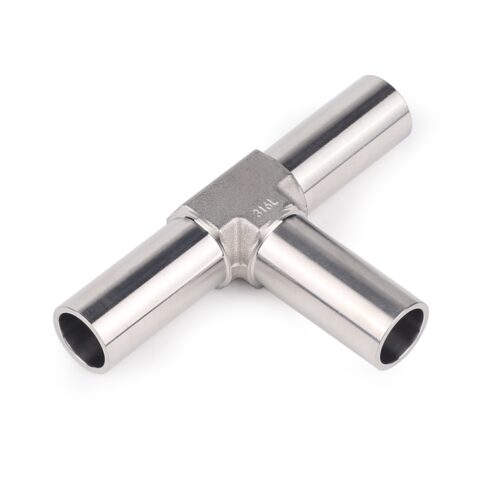
Stainless Steel Ultra Clean Welding Joint Fittings TW Series TRW Series & CW Series
-
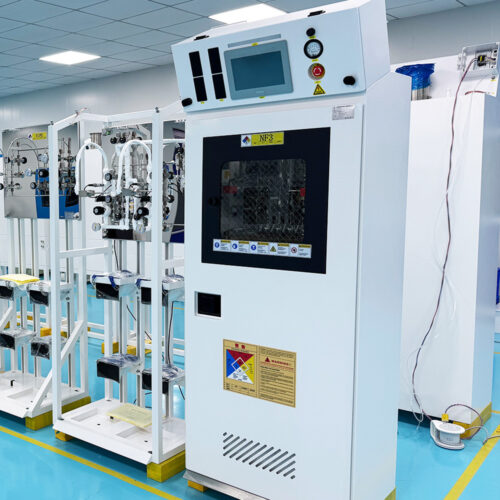
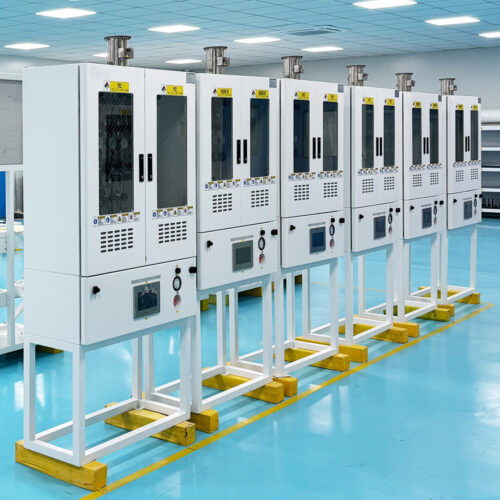
Semi Automatic Gas Cabinet Gas Panels High Purity Gas Delivery Systems JW-200-GC
-
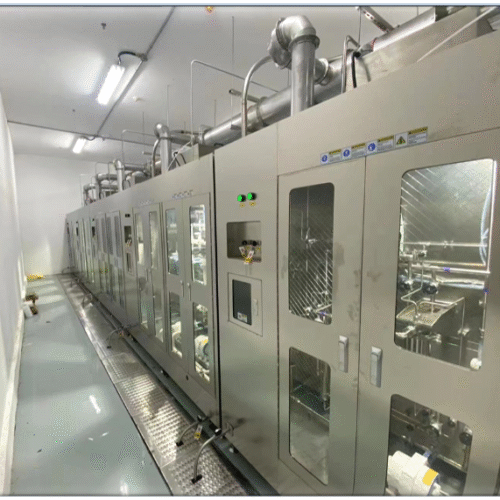
Ultra-High Purity Bulk Liquid Chemical Delivery System (BCDS) for Maintaining Parts-Per-Trillion Purity in Manufacturing
-
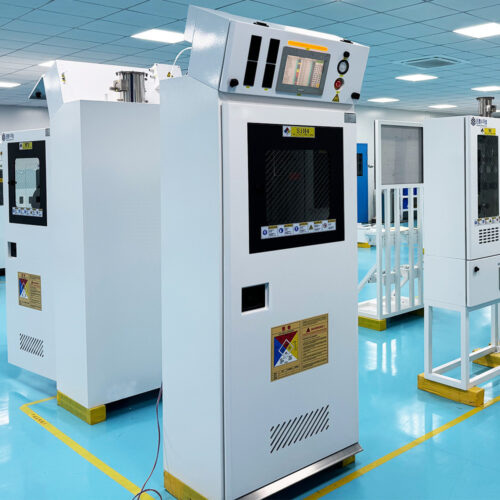
BSGS Large Flow Specialty Gas Supply Cabinet 3 Cylinder Gas Storage Cabinet Fully Automated PLC Control Bulk Specialty Gas Systems (BSGS) Gas Cabinets
-
High Purity Bulk Specialty Gas Pressure Control And Filtration Bulk Gas Skid Systems JW-300-BSGS