
Valves Manufacturer Tel: +86 13380377051
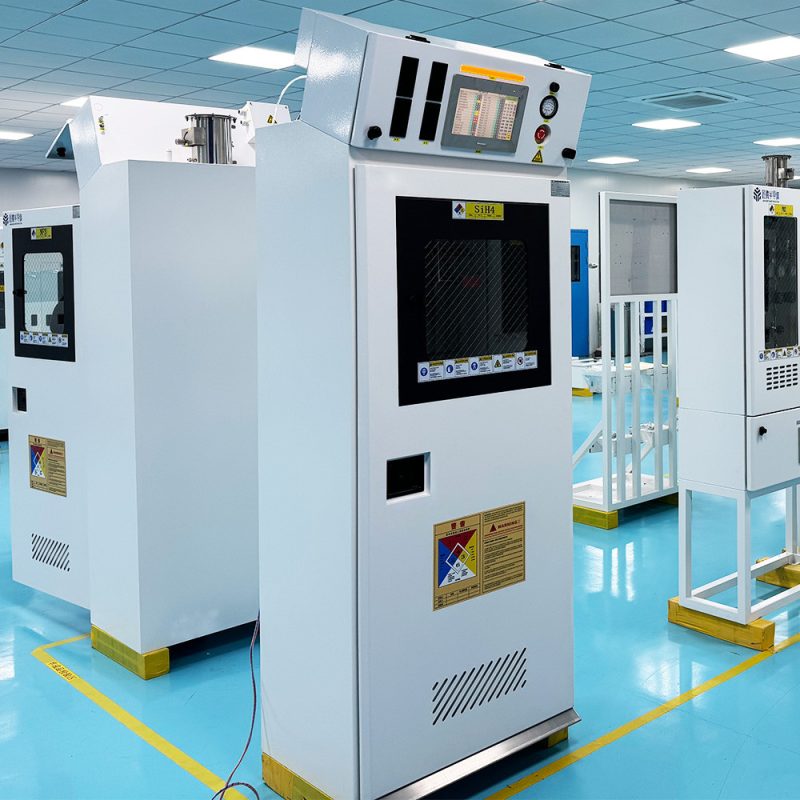
CVD Gas Precursor Delivery: Best Practices for Safe and Efficient Operation
Introduction
Chemical Vapor Deposition (CVD) is one of the most important manufacturing technologies used in the semiconductor, photovoltaic, LED, MEMS, advanced coating, and nanotechnology industries. As device geometries continue to shrink and material requirements become increasingly demanding, maintaining precise control over gas precursor delivery has become critical for achieving consistent film quality, maximizing equipment uptime, and ensuring operator safety.
A CVD gas precursor delivery system serves as the backbone of the deposition process. It transports specialty gases or liquid precursors from storage containers to the process chamber while maintaining precise pressure, temperature, purity, and flow rate. Any instability in the delivery system can directly impact film uniformity, deposition rate, process repeatability, and overall manufacturing yield.
This article explores the best practices for designing, operating, and maintaining CVD gas precursor delivery systems to achieve safe, reliable, and efficient production.
Understanding CVD Gas Precursor Delivery Systems
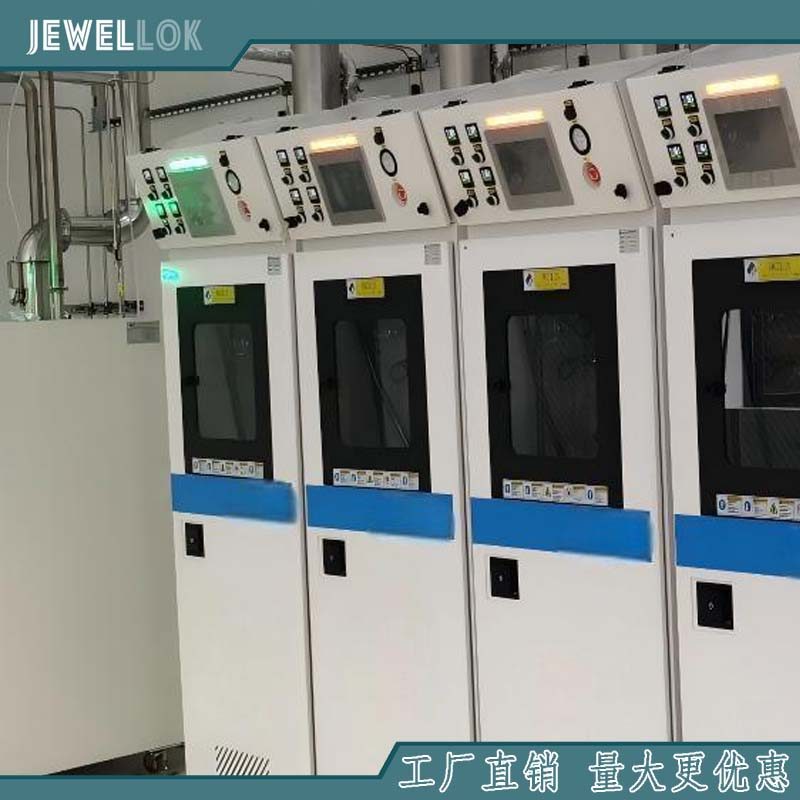
A CVD gas precursor delivery system is engineered to safely transport process gases from cylinders or chemical containers to the deposition reactor under tightly controlled conditions.
A complete system typically includes:
- Gas cylinders or liquid precursor vessels
- Pressure regulators
- Mass Flow Controllers (MFCs)
- Pressure Control Panels (PCPs)
- Pneumatic diaphragm valves
- Heated gas lines
- Vaporizers
- Filters
- Purge gas circuits
- Gas cabinets
- Leak detection sensors
- PLC-based automatic control systems
- Emergency Shutoff (ESD) devices
The primary objective is delivering ultra-high purity (UHP) gases with exceptional precision while preventing contamination, leaks, or unwanted chemical reactions.
Common CVD Gas Precursors
Different CVD applications require different precursor chemistries.
Typical precursor gases include:
Silicon Sources
- Silane (SiH₄)
- Dichlorosilane (DCS)
- Trichlorosilane (TCS)
- Tetraethyl Orthosilicate (TEOS)
Applications:
- Silicon epitaxy
- Silicon dioxide
- Polysilicon deposition
Nitrogen Sources
- Ammonia (NH₃)
- Nitrogen (N₂)
Applications:
- Silicon nitride
- Annealing
- Carrier gas
Carbon Sources
- Methane
- Acetylene
- Propane
Applications:
- Diamond films
- Carbon coatings
- Graphene
Metal Organic Precursors
Examples include:
- Trimethylaluminum (TMA)
- Trimethylgallium (TMGa)
- Trimethylindium (TMIn)
- Hafnium precursors
- Zirconium precursors
Applications:
- ALD/CVD high-k dielectric films
- III-V semiconductors
- LED manufacturing
Many of these materials are pyrophoric, toxic, corrosive, moisture-sensitive, or thermally unstable, making safe delivery system design essential.
Challenges in Gas Precursor Delivery
Modern semiconductor fabs face several technical challenges.
Maintaining Ultra-High Purity
Contaminants measured in parts-per-billion (ppb) can significantly affect wafer yield.
Potential contamination sources include:
- Moisture
- Oxygen
- Hydrocarbons
- Metal particles
- Valve outgassing
- Poor weld quality
Therefore, delivery systems typically use:
- Electropolished 316L stainless steel tubing
- Orbital welding
- VCR face seal fittings
- UHP diaphragm valves
- Particle-free filters
Stable Pressure Control
Pressure fluctuations directly influence:
- Gas flow stability
- Film thickness
- Deposition rate
- Process repeatability
Pressure control panels should provide:
- High precision regulation
- Fast response
- Stable outlet pressure
- Automatic pressure compensation
Digital pressure transmitters continuously monitor process conditions for improved control.
Accurate Flow Control
Mass Flow Controllers (MFCs) are responsible for delivering exact gas flow.
High-performance MFCs typically achieve:
- Accuracy better than ±1%
- Excellent repeatability
- Fast response time
- Wide flow range
Routine calibration is necessary to maintain long-term accuracy.
Temperature Management
Some CVD precursors condense easily.
Examples include:
- TEOS
- TMA
- Metal-organic compounds
If pipeline temperatures fall below the precursor condensation point:
- Condensation occurs
- Particle generation increases
- Flow instability develops
- Reactor contamination becomes likely
Heated delivery lines maintain constant temperatures throughout the transport path.
Best Practice 1: Select High-Purity Components
Component quality directly affects system reliability.
Recommended materials include:
- 316L VIM-VAR stainless steel
- Electropolished tubing
- Metal diaphragm valves
- UHP pressure regulators
- Low dead-volume fittings
Surface roughness should typically be:
Ra ≤ 10 μin (0.25 μm)
Lower surface roughness reduces:
- Particle generation
- Moisture adsorption
- Chemical residue
- Corrosion risk
Best Practice 2: Install Proper Gas Cabinets
Hazardous precursor gases should never be stored in open laboratory environments.
Modern gas cabinets provide:
- Automatic ventilation
- Gas leak detection
- Fire suppression interfaces
- Emergency shutdown systems
- Automatic purge cycles
- Access control
- Continuous monitoring
Gas cabinets significantly improve personnel safety while complying with semiconductor industry standards.
Best Practice 3: Design Effective Purge Systems
Proper purging eliminates residual gases before maintenance or cylinder replacement.
Typical purge gases include:
- Nitrogen
- Argon
Automatic purge sequences generally involve:
- Close process valve.
- Vent remaining gas.
- Introduce inert gas.
- Repeat purge cycles.
- Verify safe gas concentration.
- Disconnect cylinder.
Automated PLC-controlled purge sequences greatly reduce operator error.
Best Practice 4: Optimize Pressure Control Panels
Pressure Control Panels (PCPs) are among the most critical assemblies in precursor delivery systems.
A well-designed PCP provides:
- Dual-stage pressure regulation
- Stable outlet pressure
- Pressure monitoring
- Safety relief valves
- Manual isolation
- Automatic shutoff
- Digital communication
Advanced pressure control systems integrate directly with factory automation platforms for remote diagnostics and predictive maintenance.
Best Practice 5: Prevent Dead Legs and Particle Traps
Poor piping layouts often create stagnant zones.
Dead legs may cause:
- Chemical accumulation
- Particle formation
- Moisture retention
- Slow purge response
Good piping design includes:
- Short tubing runs
- Smooth flow paths
- Minimal elbows
- Reduced fitting count
- Continuous downward slopes where appropriate
Computational Flow Dynamics (CFD) analysis is increasingly used during system design to optimize gas flow.
Best Practice 6: Implement Continuous Leak Detection
Many CVD gases are hazardous.
Examples include:
- Silane
- Arsine
- Phosphine
- Diborane
- Hydrogen
Leak detection systems should continuously monitor:
- Gas cabinets
- Valve manifolds
- Process tools
- Exhaust systems
Detection technologies include:
- Infrared sensors
- Electrochemical sensors
- Semiconductor sensors
- Photoionization detectors
Leak alarms should automatically activate:
- Emergency Shutoff Valves
- Facility alarms
- Ventilation systems
- Process interlocks
Best Practice 7: Maintain Consistent Temperature Control
Some precursor chemicals require heating from cylinder to reactor.
Heating components include:
- Heated pressure regulators
- Heated valves
- Heated transfer lines
- Heated vaporizers
Uniform temperature minimizes:
- Condensation
- Liquid accumulation
- Pressure fluctuations
- Flow instability
Temperature control should remain within narrow tolerances throughout the entire delivery path.
Best Practice 8: Regular Preventive Maintenance
Preventive maintenance greatly extends equipment life while minimizing unexpected downtime.
Recommended inspection items include:
Weekly
- Leak inspection
- Pressure verification
- Alarm testing
Monthly
- Valve function test
- Sensor calibration
- Flow verification
Quarterly
- Filter inspection
- Purge validation
- Controller diagnostics
Annually
- Regulator replacement (if required)
- MFC calibration
- System leak certification
- Complete safety audit
Documented maintenance procedures improve compliance with quality management systems.
Best Practice 9: Use Intelligent Automation
Industry 4.0 technologies are transforming semiconductor gas delivery.
Modern systems feature:
- PLC control
- Human Machine Interface (HMI)
- Ethernet/IP communication
- OPC UA connectivity
- SCADA integration
- Remote diagnostics
- Predictive maintenance
- Data logging
Real-time monitoring enables engineers to identify abnormalities before they affect production.
Artificial intelligence algorithms are also being introduced to optimize gas consumption and detect early signs of component degradation.
Best Practice 10: Ensure Compliance with International Safety Standards
CVD gas systems should comply with internationally recognized standards to reduce operational risks and support global manufacturing requirements.
Common standards include:
- SEMI S2 – Environmental, Health, and Safety Guideline for Semiconductor Manufacturing Equipment
- SEMI F20 – Specifications for gas delivery equipment
- NFPA 318 – Standard for the Protection of Semiconductor Fabrication Facilities
- ISO 14644 – Cleanroom and associated controlled environments
- IEC 61508 – Functional safety of electrical and electronic systems
- CE, UL, and other applicable regional certifications
Compliance not only enhances safety but also simplifies equipment qualification and customer acceptance.
Emerging Trends in CVD Gas Delivery
As semiconductor technologies advance toward smaller process nodes and more complex device architectures, gas delivery systems are evolving to meet increasingly demanding requirements.
Key trends include:
- Fully automated gas changeover systems to eliminate manual intervention and minimize downtime.
- Smart sensors capable of real-time monitoring of pressure, flow, temperature, and gas purity.
- Digital twin technology for simulating system performance, optimizing maintenance schedules, and reducing operational risk.
- AI-driven predictive maintenance that identifies component wear before failures occur.
- Modular gas delivery platforms that allow rapid expansion and simplified maintenance.
- Advanced corrosion-resistant materials for handling highly reactive and corrosive precursor gases.
- Enhanced cybersecurity for network-connected gas delivery systems integrated into smart manufacturing environments.
These innovations improve process stability, reduce operating costs, and support the transition toward fully automated semiconductor fabrication facilities.
Choosing the Right CVD Gas Precursor Delivery Partner
Selecting an experienced equipment supplier is as important as choosing the right process technology. A reliable supplier should offer:
- Proven expertise in semiconductor-grade gas delivery systems.
- Custom engineering tailored to specific CVD processes and precursor chemistries.
- Ultra-high purity manufacturing with orbital welding and electropolished tubing.
- Integrated pressure control panels, gas cabinets, valve manifolds, and automation solutions.
- Comprehensive factory acceptance testing (FAT) and site acceptance testing (SAT).
- Global technical support, spare parts availability, and operator training.
- Compliance with international safety and quality standards.
Partnering with a knowledgeable manufacturer helps ensure long-term system reliability, improved process consistency, and lower total cost of ownership.
Conclusion
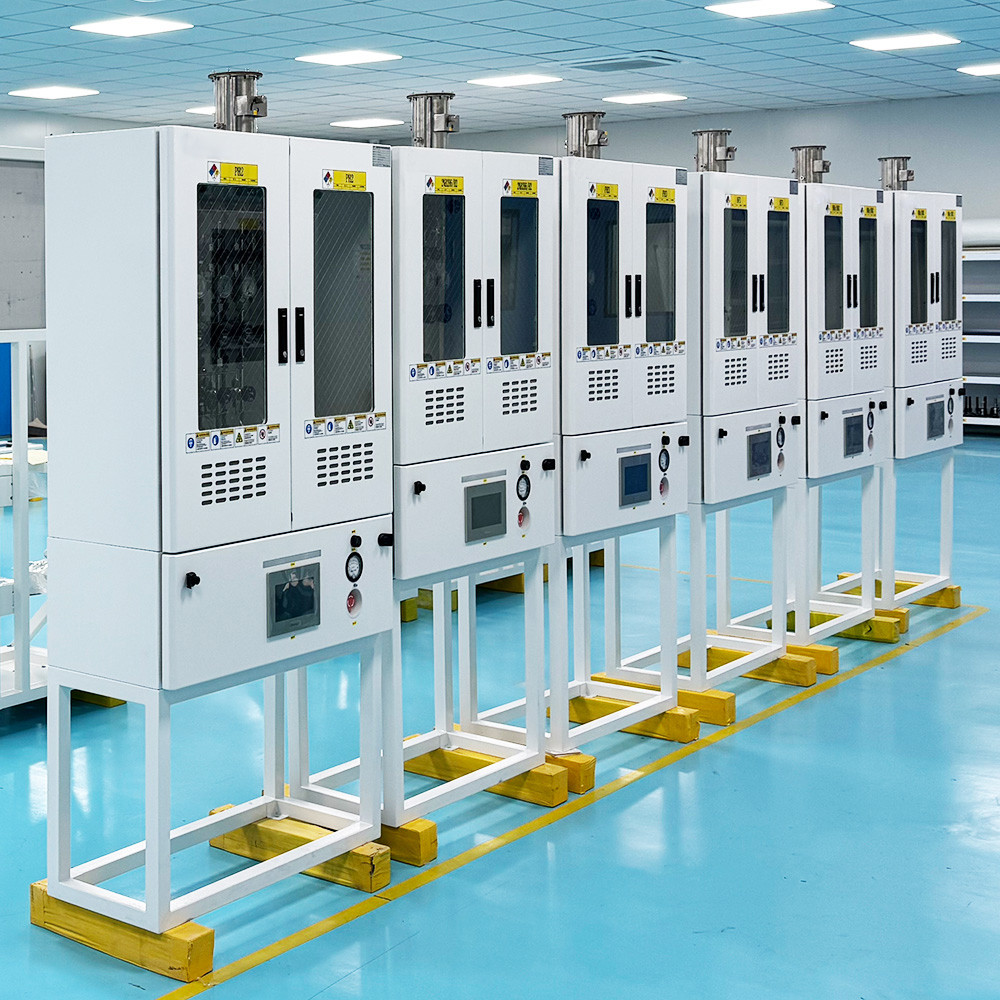
CVD gas precursor delivery is far more than a simple gas transportation system—it is a precision-engineered infrastructure that directly influences deposition quality, production efficiency, equipment reliability, and workplace safety. From ultra-high purity component selection and accurate pressure control to intelligent automation and preventive maintenance, every aspect of the delivery system contributes to consistent semiconductor manufacturing performance.
By following best practices such as using high-purity materials, implementing automated purge sequences, maintaining stable temperature control, continuously monitoring for leaks, and complying with international safety standards, manufacturers can significantly reduce operational risks while improving process repeatability and wafer yield.
As semiconductor manufacturing continues to evolve toward smarter, cleaner, and more automated production, advanced CVD gas precursor delivery systems will remain a critical foundation for achieving safe, efficient, and high-performance fabrication across next-generation electronic devices.
For more about CVD gas precursor delivery: best practices for safe and efficient operation, you can pay a visit to Jewellok at https://www.jewellok.com/product-category/chemical-delivery-system/ for more info.
-
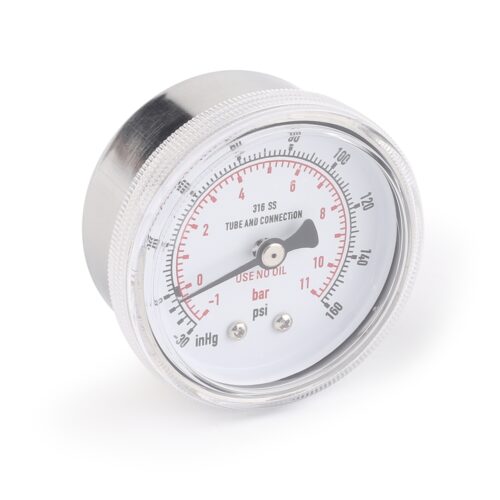
Ultra High Purity Pressure Gauge For Laboratory And Semiconductor JR Series
-
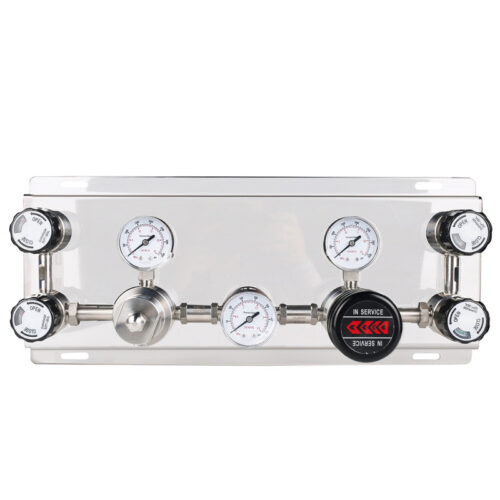
Semi Automatic And Automatic Switching Speicialty Gas Changeover Manifold Panel With Semiconductor Valve Manifold Box Gas Pressure Regulators
-

Organic Chemical Automatic Liquid Supply System Chemical Delivery And Waste Collection Systems CDS And CDM
-
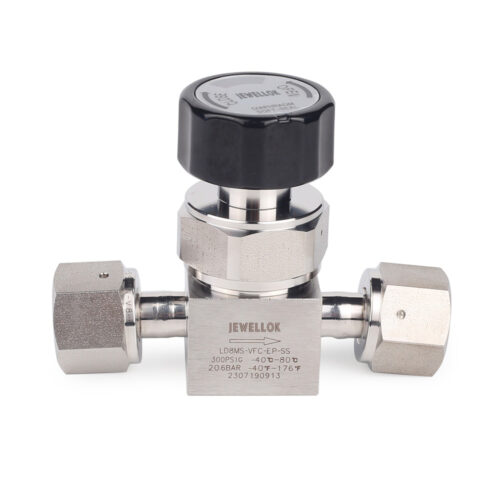
Flow Control Stainless Steel Low Pressure Manual Diaphragm Valve For High Purity And Ultra High Purity Gases
-
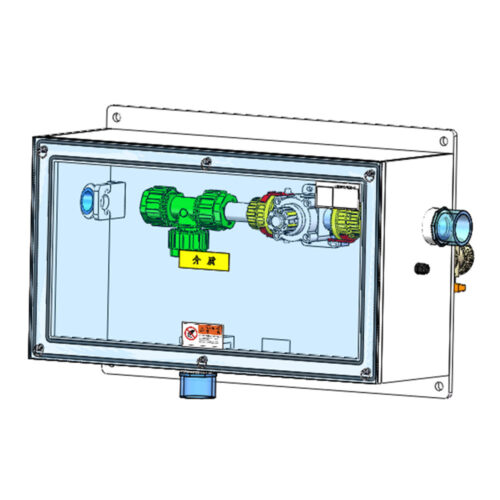
Scrubber Tail Gas Treatment Cabinet Waste Gas Treatment Wet Scrubber Exhaust Gas Treatment Spray Tower
-
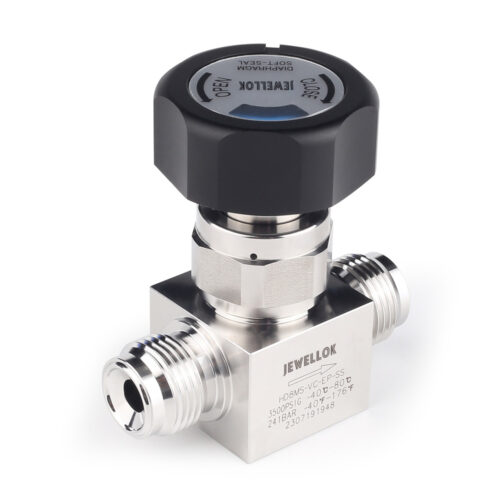
Stainless Steel Ultra High Purity (UHP) High Pressure Manual Diaphragm Valve
-
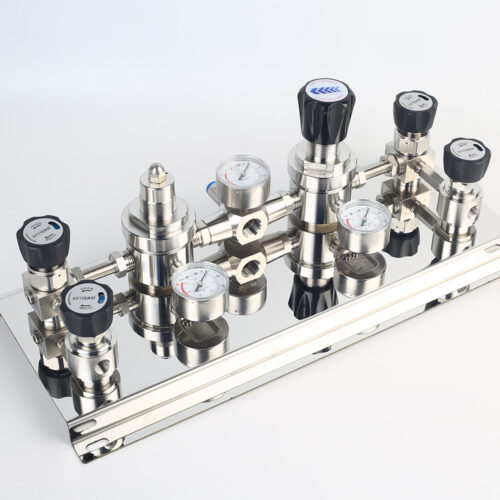
Stainless Steel Single Stage Semiconductor Grade Pressure Control Module Pressure Control Panels JSP-6A Series
-

Automated Bulk Liquid Chemical Delivery System (BCDS) with PLC Controls for High-Volume Industrial Fluid Transport