
Valves Manufacturer Tel: +86 13380377051
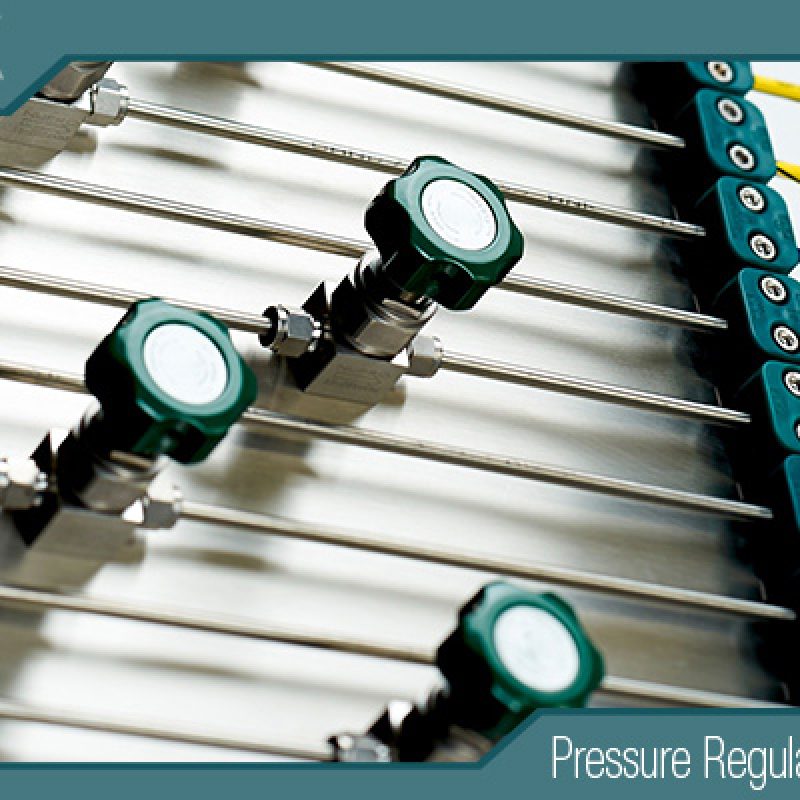
Best Laboratory Gas Valves for Nitrogen, Oxygen and Specialty Gases
Laboratory gas systems are the backbone of modern scientific research, pharmaceutical production, semiconductor manufacturing, biotechnology, analytical testing, and educational laboratories. Whether supplying high-purity nitrogen for LC-MS analysis, oxygen for combustion experiments, or specialty gases for calibration and semiconductor processes, the reliability of laboratory gas valves directly impacts safety, gas purity, operational efficiency, and experimental accuracy.
Selecting the best laboratory gas valves is not simply about choosing a shut-off device. It requires understanding gas compatibility, pressure ratings, sealing technology, material selection, cleanliness standards, and regulatory compliance. High-quality laboratory gas valves ensure stable gas flow, prevent contamination, minimize leakage risks, and extend the service life of the entire gas distribution system.
This article explores everything laboratory engineers, facility managers, OEM equipment manufacturers, and distributors need to know when selecting laboratory gas valves for nitrogen, oxygen, and specialty gases.
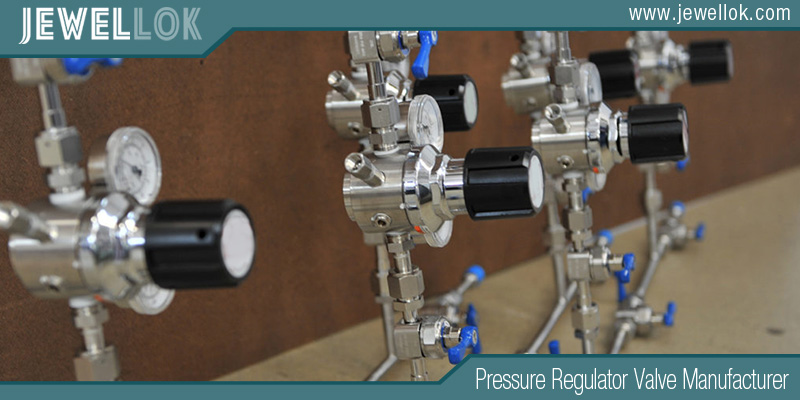
Why Laboratory Gas Valves Matter
Laboratory gas delivery systems transport gases from cylinders, gas cabinets, or bulk supply systems to analytical instruments and research equipment. Every connection point introduces potential risks if improper valves are used.
High-performance laboratory gas valves provide:
- Safe isolation of gas supplies
- Leak-tight sealing
- High purity gas delivery
- Stable pressure control
- Long operating life
- Easy maintenance
- Reliable emergency shutoff
- Low particle generation
- Chemical compatibility
- Compliance with laboratory safety standards
Poor-quality valves may result in:
- Gas leakage
- Air ingress
- Moisture contamination
- Experimental errors
- Instrument downtime
- Increased maintenance costs
- Safety hazards
For laboratories handling expensive specialty gases, even microscopic leakage can represent substantial operational losses.
Common Gases Used in Laboratories
Different gases require different valve materials and sealing technologies.
Nitrogen (N₂)
Nitrogen is one of the most widely used laboratory gases.
Applications include:
- Instrument purging
- Sample preparation
- Inert atmosphere generation
- LC-MS systems
- Gas chromatography
- Glove boxes
- Drying applications
- Chemical synthesis
Nitrogen valves require:
- Excellent leak tightness
- Corrosion resistance
- High cycle life
- Low internal dead volume
Oxygen (O₂)
Oxygen systems require special attention because oxygen promotes combustion.
Typical laboratory applications include:
- Combustion analysis
- Medical research
- Environmental laboratories
- Flame spectroscopy
- Materials testing
Oxygen valves must feature:
- Oxygen-clean construction
- Oil-free manufacturing
- Non-flammable sealing materials
- Strict cleaning procedures
- Compatible lubricants or lubricant-free design
Using ordinary industrial valves in oxygen systems can create significant safety risks.
Specialty Gases
Specialty gases often include:
- Helium
- Hydrogen
- Argon
- Carbon dioxide
- Ammonia
- Chlorine
- Sulfur hexafluoride
- Silane
- Phosphine
- Nitrous oxide
- Calibration gas mixtures
- Ultra-high purity gases
Each gas has unique compatibility requirements.
Some specialty gases are:
- Toxic
- Corrosive
- Pyrophoric
- Reactive
- Moisture-sensitive
Valve selection becomes critical for maintaining gas purity and operator safety.
Types of Laboratory Gas Valves
Different laboratory systems require different valve designs.
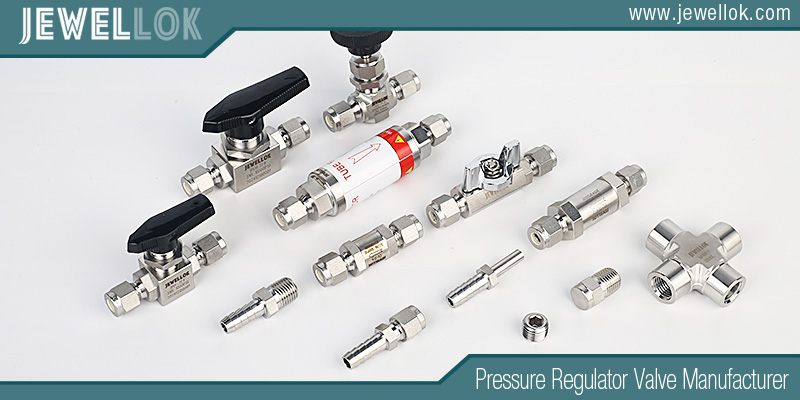
Ball Valves
Ball valves provide:
- Quarter-turn operation
- Fast shutoff
- Low pressure drop
- Long service life
- Simple maintenance
Ideal for:
- Main gas isolation
- Gas manifolds
- Laboratory gas panels
- Distribution systems
Diaphragm Valves
Diaphragm valves are widely used in high-purity gas systems.
Advantages include:
- Excellent leak integrity
- Low dead volume
- High purity performance
- Minimal particle generation
- Metal-to-metal sealing options
- Bubble-tight shutoff
Common applications:
- Semiconductor laboratories
- Pharmaceutical labs
- Analytical instruments
- Ultra-high purity gas lines
Needle Valves
Needle valves allow precise flow adjustment.
Typical applications include:
- Flow control
- Instrument calibration
- Pressure regulation
- Sampling systems
- Laboratory test benches
Needle valves are ideal when accurate gas flow is essential.
Check Valves
Check valves prevent reverse gas flow.
Benefits include:
- Equipment protection
- Contamination prevention
- Cylinder safety
- Pressure stability
These valves are often installed downstream of regulators.
Materials Used in Laboratory Gas Valves
Material selection greatly affects valve performance.
316L Stainless Steel
The most common material for laboratory gas systems.
Advantages include:
- Excellent corrosion resistance
- High mechanical strength
- Smooth surface finish
- Long service life
- Compatible with most gases
Suitable for:
- Nitrogen
- Oxygen
- Argon
- Helium
- Carbon dioxide
- Specialty gases
Brass
Brass valves are commonly used for general laboratory gases.
Advantages:
- Lower cost
- Good machinability
- Reliable performance
However, brass is generally not recommended for ultra-high purity applications due to potential contamination concerns.
High-Purity Stainless Steel
Ultra-high purity gas systems often require:
- Electropolished surfaces
- Low sulfur stainless steel
- VIM-VAR stainless steel
- Surface roughness below Ra 10 μin (0.25 μm)
These materials reduce:
- Particle generation
- Moisture adsorption
- Gas contamination
Valve Sealing Technologies
Leak prevention is critical.
Common sealing materials include:
PTFE
Advantages:
- Excellent chemical resistance
- Low friction
- Wide temperature range
Suitable for many laboratory gases.
PCTFE
Often used for:
- High purity gases
- Cryogenic gases
- Specialty gas systems
Provides excellent sealing performance.
Metal Diaphragm
Preferred for:
- Semiconductor laboratories
- Ultra-high purity gases
- Reactive gases
Advantages include:
- Extremely low leakage
- Long cycle life
- High cleanliness
Key Features to Consider
Leak Tightness
High-quality laboratory gas valves should provide helium leak rates as low as:
1 × 10⁻⁹ atm·cc/sec
or even lower for semiconductor-grade applications.
Pressure Rating
Common pressure ratings include:
- 150 psi
- 300 psi
- 600 psi
- 1000 psi
- 3000 psi
- 6000 psi
Always select valves exceeding the system’s maximum operating pressure.
Temperature Range
Typical operating temperatures:
- -40°C to +80°C
- -20°C to +120°C
Special applications may require cryogenic or high-temperature designs.
Flow Coefficient (Cv)
The Cv value determines flow capacity.
Choosing the proper Cv ensures:
- Stable pressure
- Efficient gas delivery
- Reduced pressure loss
Cleanliness
High-purity valves should be:
- Degreased
- Oxygen cleaned
- Particle free
- Moisture free
- Individually packaged in clean environments
Laboratory Applications
Analytical Laboratories
Gas valves support:
- Gas chromatography (GC)
- ICP-MS
- LC-MS
- FTIR
- Atomic absorption spectroscopy
Reliable gas delivery improves instrument accuracy.
Pharmaceutical Laboratories
Applications include:
- Drug development
- Stability testing
- Sterile manufacturing
- Process validation
High-purity gas valves help maintain GMP compliance.
Biotechnology Research
Gas valves are used in:
- Cell culture
- Fermentation
- Controlled atmosphere chambers
- Bioreactors
Stable gas supply improves research reproducibility.
Semiconductor Laboratories
Ultra-high purity gas systems require:
- Electropolished stainless steel valves
- Metal diaphragm valves
- Zero internal contamination
- Ultra-low leak rates
These valves ensure consistent wafer processing and high production yields.
Safety Considerations
Laboratory safety should always come first.
Important practices include:
- Install emergency shutoff valves.
- Clearly label gas lines.
- Perform routine leak inspections.
- Use gas detection systems where required.
- Replace worn valve seals promptly.
- Train personnel on emergency procedures.
- Never use incompatible materials with reactive gases.
- Follow manufacturer maintenance schedules.
For oxygen systems, all valves and components should be oxygen-clean to minimize ignition risks.
Maintenance Best Practices
Preventive maintenance extends valve life and reduces downtime.
Recommended maintenance includes:
Visual Inspection
Check for:
- Corrosion
- External damage
- Loose fittings
- Handle wear
Leak Testing
Periodic leak testing using helium or approved leak detection methods helps identify small leaks before they become serious.
Operational Testing
Ensure valves:
- Open smoothly
- Close completely
- Maintain proper torque
- Operate without sticking
Cleaning
Avoid introducing contaminants into high-purity systems.
Only use approved cleaning methods recommended by the valve manufacturer.
Selecting the Right Laboratory Gas Valve Supplier
Choosing a reliable supplier is just as important as selecting the valve itself.
Look for manufacturers offering:
- ISO-certified production
- High-quality stainless steel materials
- Precision CNC machining
- Oxygen-clean assembly
- Cleanroom manufacturing
- Helium leak testing
- Pressure testing
- Material traceability
- Technical support
- Custom engineering services
- Global shipping capabilities
Experienced suppliers can also provide complete gas delivery solutions, including regulators, manifolds, pressure control panels, gas cabinets, and customized gas distribution systems.
Emerging Trends in Laboratory Gas Valve Technology
As laboratories become increasingly automated and data-driven, gas valve technology continues to evolve.
Some of the latest innovations include:
- Smart valves with digital monitoring
- Remote valve control through industrial communication protocols
- Integrated pressure and flow sensors
- Predictive maintenance based on operating cycles
- Compact modular valve assemblies
- Enhanced corrosion-resistant surface treatments
- Ultra-high cycle metal diaphragm technology
- Environmentally friendly manufacturing processes
These advancements help laboratories improve operational efficiency, reduce maintenance costs, and support Industry 4.0 initiatives.
Conclusion
Laboratory gas valves play a vital role in ensuring safe, reliable, and contamination-free gas delivery for nitrogen, oxygen, and specialty gas applications. From analytical laboratories and pharmaceutical research to biotechnology facilities and semiconductor manufacturing, selecting the right valve directly influences system performance, experimental accuracy, equipment longevity, and workplace safety.
When evaluating laboratory gas valves, engineers should consider gas compatibility, valve type, construction materials, sealing technology, pressure rating, leak integrity, cleanliness standards, and supplier expertise. High-quality 316L stainless steel ball valves, diaphragm valves, needle valves, and check valves—manufactured under strict quality control and cleanroom conditions—provide dependable performance in demanding laboratory environments.
As laboratory technologies continue to advance, investing in premium gas valves with ultra-low leak rates, high-purity construction, and smart monitoring capabilities will help organizations achieve greater operational reliability, regulatory compliance, and long-term cost savings. Choosing a trusted manufacturer with proven engineering expertise ensures that laboratory gas systems remain safe, efficient, and ready to support the next generation of scientific innovation.
For more about how industry 4.0 is transforming the monitoring and control of corrosive gas valves, you can pay a visit to Jewellok at https://www.jewellok.com/product-category/chemical-delivery-system/ for more info.
-
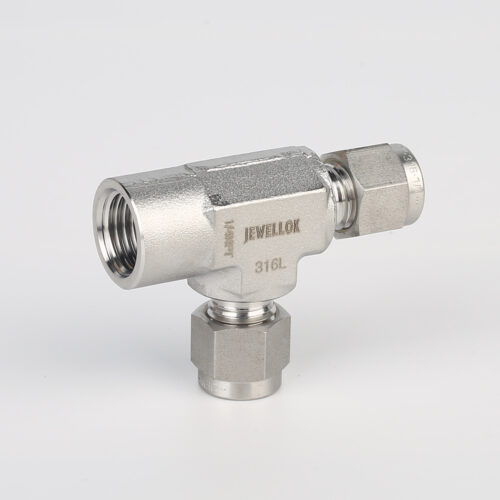
771LF Female Run Tee | Stainless Steel Tube Fitting Compression Fittings 1/4 In 3-Way Tee Female Run Tee
-
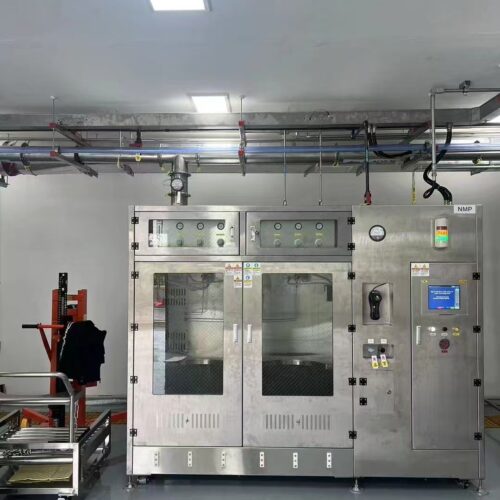
UHP Bulk Liquid Chemical Delivery System (BCDS) Implementation for High-Efficiency Photovoltaic and Solar Cell Production Lines
-
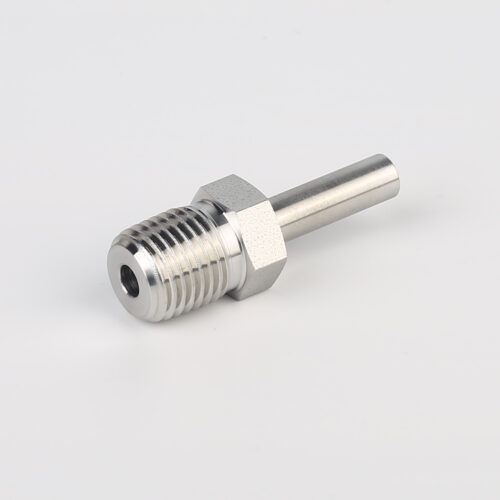
739 High Purity LMR Male Adapter Tube To Pipe Fittings And Adapters
-
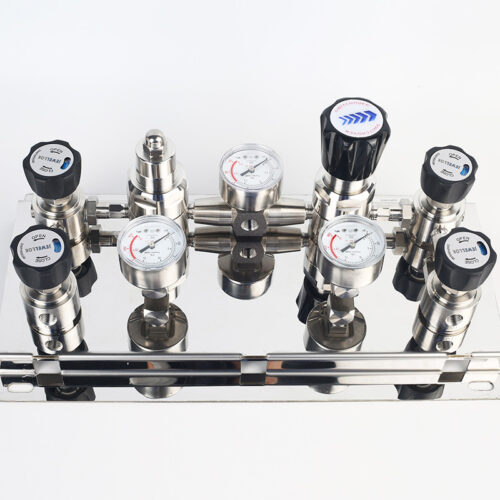
Semi Automatic Gas Changeover Manifold System Manual Changeover Manifold Panel Single Stage Automatic Switchover Board
-

Ultra High Purity Liquid Chemical Delivery System And Bulk Chemical Delivery Handling System For Semiconductor Cleanrooms
-
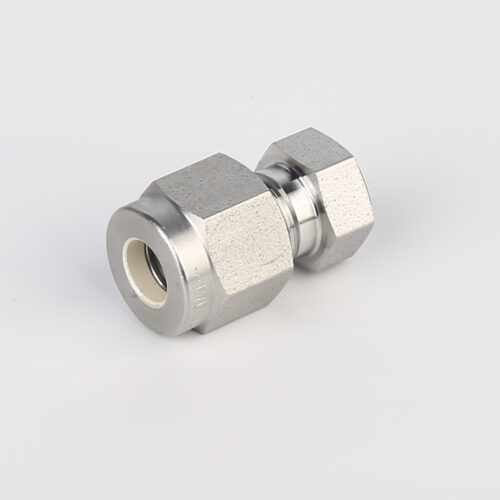
7108L Cylinder Cap Connectors For Ultra High Purity Gases
-
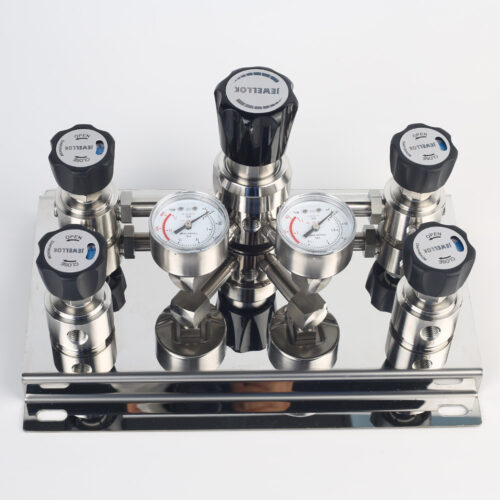
Single Stage Wall And Cabinet Mounting Pressure Control Panels JSP-2E Series For High Purity Gases
-
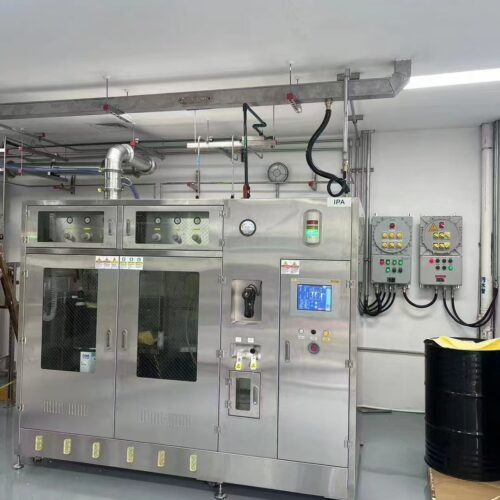
Precision Liquid Chemical Delivery Module (CDM) with PLC Control for Parts-Per-Trillion Purity in Solar Cell Production